
Professional Roof Maintenance Plans for Commercial Buildings in OKC
Your commercial roof is one of your most valuable assets. A well-maintained roof protects inventory, equipment, and employees while preventing costly water damage and business interruptions. In Oklahoma City’s extreme climate, regular professional maintenance isn’t optional—it’s essential for protecting your investment and extending your roof’s lifespan by 25-50%. Oklahoma Uniform Building Code Commission.
Oklahoma City’s commercial buildings face unique challenges: intense summer heat that can exceed 100°F, severe spring hailstorms, high winds from Tornado Alley, and rapid temperature fluctuations that stress roofing materials. Without a structured maintenance program, these factors can reduce a commercial roof’s life expectancy by years, leading to emergency repairs that cost three to five times more than preventative care. EPA Roof Heat Island Effects.
Why OKC Businesses Need Scheduled Roof Inspections
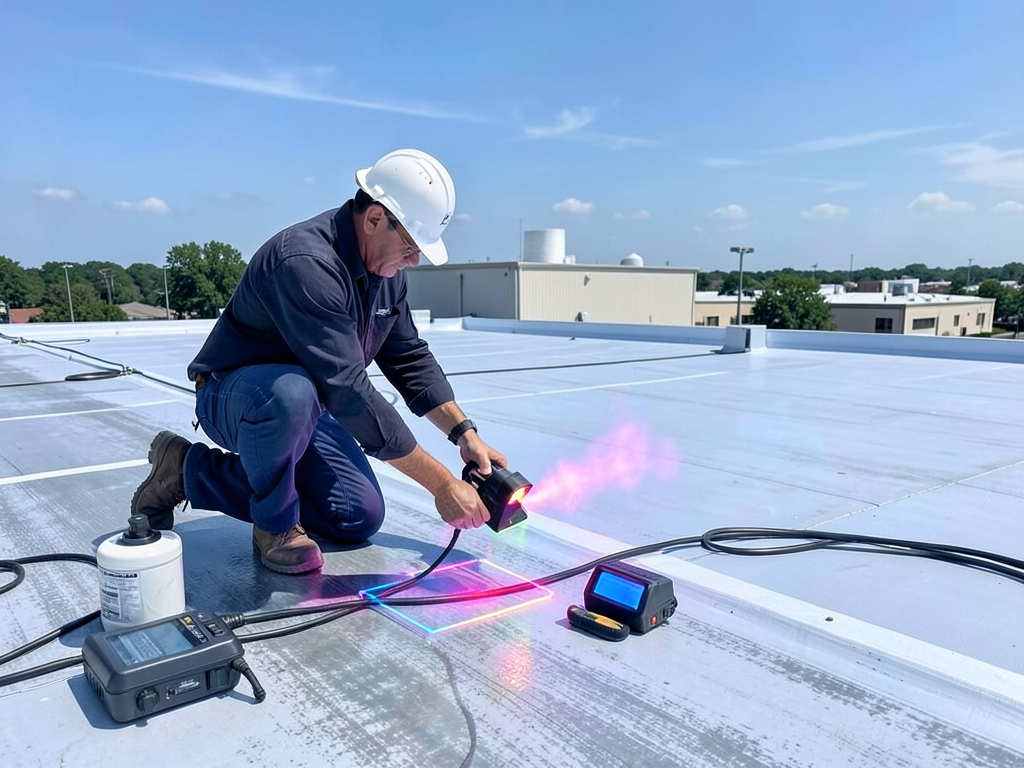
Commercial buildings in Oklahoma City require biannual inspections to combat our region’s specific weather patterns. The spring inspection identifies winter damage from ice dams and freeze-thaw cycles, while the fall inspection prepares for summer’s UV exposure and potential hail damage. These inspections are not just visual checks—they involve thermal imaging to detect moisture intrusion, core sampling to assess insulation saturation, and detailed documentation that insurance companies require for claims.
Local building codes in Oklahoma City mandate specific fastening patterns for high-wind areas, particularly in the eastern parts of the metro near the Canadian River where wind uplift is most severe. The Oklahoma Uniform Building Code Commission (OUBCC) requires six-nail fastening patterns for shingles in most commercial applications, with additional requirements for buildings over 60 feet in height or located in designated wind zones. Why Local Nichols Hills Residents Choose Our Luxury Roofing Team.
Commercial property managers who implement regular maintenance programs report 40% fewer emergency calls and an average 30% reduction in overall roofing costs over a 10-year period. The cost of a single major leak repair can exceed the annual cost of a comprehensive maintenance contract, making preventative care the financially sound choice. Roofing Tulsa.
Our Comprehensive 20-Point Maintenance Checklist
Every commercial roof inspection follows a systematic 20-point checklist that addresses Oklahoma City’s specific environmental challenges. The process begins with perimeter assessment, checking for wind uplift damage around edges and corners where most failures occur. Technicians then examine all penetrations including HVAC units, vents, and skylights, which are common leak sources during severe weather.
Drainage systems receive particular attention in OKC, where heavy spring thunderstorms can dump several inches of rain in hours. We clear all drains, scuppers, and downspouts of debris that could cause ponding water. Even small debris like leaves or construction materials can block drainage and create standing water that accelerates membrane deterioration.
The inspection includes checking all seams and flashings on TPO, EPDM, and PVC membranes. Oklahoma’s extreme UV exposure causes these materials to expand and contract more than in moderate climates, leading to seam separation. We apply specialized sealants designed for our temperature ranges, with products that maintain flexibility from -20°F to 120°F.
Metal roofing components undergo rust inspection and treatment. Oklahoma’s humidity and proximity to the Canadian River creates conditions where metal components can develop corrosion within 3-5 years without proper maintenance. We apply rust inhibitors and replace any compromised fasteners that could lead to wind damage during severe storms. Roofing Norman.
Specialized Care for TPO, EPDM, and Metal Roofing Systems
Each commercial roofing material requires specific maintenance protocols. TPO membranes, popular in OKC for their energy efficiency, need annual seam inspection and cleaning to maintain their reflective properties. Oklahoma’s dust and pollen can create a film on TPO surfaces that reduces energy efficiency by up to 15% if not cleaned regularly. Roofing Midwest City.
EPDM rubber roofing, common on flat commercial buildings, requires different care. The material becomes brittle in Oklahoma’s temperature extremes, particularly during rapid spring temperature swings when days can be 70°F and nights drop to 30°F. We apply specialized conditioners that maintain flexibility and prevent cracking at stress points.
Metal roofing systems need rust prevention treatments every 18-24 months in Oklahoma City’s climate. The combination of humidity, salt air from nearby water bodies, and industrial pollutants creates conditions where metal components can deteriorate faster than in other regions. We use industrial-grade rust inhibitors that bond at the molecular level for maximum protection.
Modified bitumen roofs require different maintenance, focusing on preventing alligatoring and ensuring proper adhesion at seams. Oklahoma’s UV exposure causes these materials to age faster than in northern climates, requiring more frequent inspections and maintenance to prevent catastrophic failures.
Navigating Oklahoma Weather: Hail and Wind Protection
Hail damage is a primary concern for Oklahoma City commercial property owners. Our region experiences some of the highest hail frequencies in the nation, with stones often exceeding 1.5 inches in diameter. We use impact testing to identify hail bruising that isn’t visible to the naked eye but can lead to leaks within 12-18 months.
Wind damage assessment follows specific protocols. Oklahoma City falls within Wind Zone III according to FEMA standards, requiring roofs to withstand sustained winds of 120 mph and gusts up to 150 mph. We check for wind uplift by examining membrane adhesion, fastener pullout resistance, and edge termination details that are most vulnerable during severe storms.
Thermal imaging plays a crucial role in our inspections. Oklahoma’s temperature extremes create thermal bridging that can be detected with infrared cameras, revealing moisture intrusion before visible signs appear. This technology allows us to identify problems when repair costs are minimal rather than after extensive damage occurs.
Emergency repair protocols are built into our maintenance plans. When severe weather strikes, priority service ensures your building receives immediate attention. We maintain emergency response teams that can deploy within 2-4 hours of a major storm, preventing secondary damage from water intrusion.
Commercial Roofing Case Studies in the OKC Metro Area
A 50,000-square-foot distribution center in southeast Oklahoma City implemented our maintenance program three years ago. The facility had experienced three major leaks in the previous five years, costing over $85,000 in repairs and lost inventory. Since starting our program, the building has had zero leaks, and the owner reports saving over $60,000 in avoided repairs.
A medical office building in northwest Oklahoma City with a 20-year-old EPDM roof was facing replacement costs of $180,000. Our maintenance program identified specific repairable issues, and the building now has an estimated three additional years of useful life. The owner saved $120,000 by avoiding premature replacement. What You Can Expect to Pay for a Roof Replacement in Edmond.
A retail center in Moore experienced severe hail damage during a 2023 storm. Because the property had our maintenance program, we had detailed documentation of the roof’s pre-storm condition, which expedited the insurance claim process. The claim was processed in 14 days instead of the typical 45-60 days, allowing repairs to begin immediately.
A manufacturing facility in Midwest City with a large TPO roof was losing energy efficiency due to dirt accumulation and minor seam issues. Our cleaning and repair program restored the roof’s reflective properties, reducing summer cooling costs by 18% and improving worker comfort in the facility.
Cost-Benefit Analysis of Professional Maintenance Programs
Commercial property owners often question the ROI of maintenance programs. Consider this: a typical 20,000-square-foot commercial roof in Oklahoma City costs $40,000-$60,000 to replace. Without maintenance, most roofs last 15-20 years. With professional maintenance, that same roof can last 25-30 years, providing an additional 5-10 years of service.
The average maintenance program costs $0.15-$0.25 per square foot annually. For a 20,000-square-foot roof, that’s $3,000-$5,000 per year. Over 10 years, maintenance costs total $30,000-$50,000. Without maintenance, you might face a $50,000 replacement at year 15 instead of year 25, plus multiple emergency repairs averaging $5,000 each.
Insurance companies recognize the value of maintenance programs. Many offer premium discounts of 5-15% for buildings with documented maintenance histories. Some insurers now require maintenance documentation for coverage renewal, particularly in high-risk areas like Oklahoma City.
Warranty compliance is another critical factor. Most commercial roofing manufacturers require annual inspections to maintain warranty coverage. Without these inspections, warranty claims can be denied, leaving property owners responsible for full repair costs that could have been covered.
Emergency Leak Repair Services in OKC
Even with the best maintenance program, emergencies happen. Oklahoma’s severe weather can overwhelm any roofing system. Our emergency response team is available 24/7, with technicians who can deploy within 2-4 hours of your call. We carry emergency repair materials on all service vehicles, allowing us to provide temporary solutions that prevent further damage.
Emergency repairs follow a specific protocol. First, we identify and stop active leaks using tarps, sealants, or temporary patches. Next, we assess the extent of damage using moisture meters and thermal imaging. Finally, we provide a detailed report with permanent repair recommendations and cost estimates.
Insurance coordination is part of our emergency service. We work directly with your insurance company, providing the documentation they need to process claims quickly. Our experience with Oklahoma insurance companies means we understand their specific requirements and can expedite the claims process.
Emergency services include temporary protection for critical areas. We can install temporary roofing systems that allow business operations to continue while permanent repairs are scheduled. This approach minimizes business interruption, which often costs more than the roof repair itself.
Flat Roof Ponding Water Solutions
Ponding water is a common issue in Oklahoma City’s commercial buildings, particularly after spring storms. Water that stands for more than 48 hours can cause membrane deterioration, algae growth, and structural stress. Our maintenance program includes detailed ponding water assessments using laser levels to identify low spots that cause drainage issues.
Solutions range from simple to complex. Minor ponding often requires only drain clearing or adding crickets to divert water. More severe cases might need tapered insulation installation or complete roof replacement with improved drainage design. We provide detailed analysis of the most cost-effective solution for each situation.
Oklahoma’s clay soil causes building settlement that can create new ponding areas over time. Buildings that were perfectly level when constructed can develop significant drainage issues after 5-10 years of soil movement. Our maintenance program includes monitoring for these changes and recommending preventative measures.
Proper drainage design considers Oklahoma’s rainfall patterns. The region receives 35-40 inches of rain annually, with most falling during spring storms. Roof drainage systems must handle these intense rainfall events, and our maintenance includes testing drainage capacity under simulated heavy rain conditions.
Roofing Warranties and Maintenance Requirements
Understanding warranty requirements is crucial for commercial property owners. Most manufacturers offer 10-30 year warranties, but these come with specific maintenance requirements. Failure to follow these requirements can void coverage, leaving you responsible for costs that could have been covered.
Manufacturer warranties typically require annual inspections by certified contractors, documentation of repairs, and specific maintenance procedures for different roofing systems. Our maintenance program ensures all warranty requirements are met, protecting your investment and maintaining coverage.
Extended warranty options are available for buildings with documented maintenance histories. Some manufacturers offer 5-10 year warranty extensions for properties that maintain regular professional maintenance programs. These extensions can provide significant value over the life of the building.
Transferability is another warranty consideration. If you sell your commercial property, a transferable warranty with documented maintenance can increase the building’s value and appeal to potential buyers who want assurance about the roof’s condition.
Technology Integration in Commercial Roof Maintenance
Modern commercial roof maintenance incorporates advanced technology for better results. Thermal imaging detects moisture intrusion before visible signs appear, allowing repairs when costs are minimal. Drone inspections provide detailed documentation of roof conditions, particularly useful for large buildings where manual inspection is time-consuming.
Moisture mapping creates detailed reports showing exactly where water intrusion occurs. This technology uses electrical impedance to detect moisture levels within roofing assemblies, identifying problems that traditional inspection methods miss. The resulting maps guide targeted repairs rather than complete roof replacement.
Digital documentation systems track roof conditions over time, creating a maintenance history that’s valuable for insurance claims, warranty compliance, and property valuation. These systems generate automated inspection reminders and provide property managers with real-time access to roof condition reports.
Predictive maintenance uses data analytics to forecast potential problems before they occur. By analyzing weather patterns, roof age, and maintenance history, we can identify buildings at higher risk for specific issues and adjust maintenance schedules accordingly.
Compliance with Oklahoma City Building Codes
Oklahoma City building codes require specific standards for commercial roofing that vary by building use, height, and location. The Oklahoma Uniform Building Code Commission (OUBCC) adopts and enforces these standards, with additional requirements from the City of Oklahoma City for certain zones and building types.
High-wind requirements are particularly stringent in Oklahoma City. Buildings in designated wind zones must meet specific uplift resistance ratings, with requirements increasing for taller buildings and those near open areas where wind speeds are higher. Our maintenance program ensures your roof continues to meet these requirements throughout its life.
Fire ratings are another code consideration. Commercial buildings must meet specific Class A, B, or C fire ratings depending on use and location. Some roofing materials lose fire resistance over time due to weathering, and our maintenance program includes testing to ensure continued compliance.
Energy efficiency requirements have become more stringent in recent years. Oklahoma City’s building codes now include specific requirements for roof reflectance and thermal emittance in many commercial applications. Our maintenance program includes cleaning and treatment to maintain these energy performance characteristics.
Seasonal Maintenance Schedule for OKC Commercial Buildings
Spring maintenance focuses on damage assessment from winter conditions. Oklahoma’s freeze-thaw cycles can cause expansion and contraction that damages roofing materials. Spring inspections identify these issues before summer heat compounds the problems. We also prepare for spring storm season by ensuring all drainage systems are clear and secure.
Summer maintenance addresses UV damage and heat-related issues. Oklahoma’s intense summer sun can cause roofing materials to degrade faster than in moderate climates. Summer inspections check for UV damage, ensure cooling systems are functioning properly, and prepare for potential hurricane season impacts from Gulf moisture.
Fall maintenance prepares for winter conditions. We clean all debris from roofs and gutters, check for damage from summer storms, and ensure all seals and flashings are secure before winter arrives. This preparation prevents ice dam formation and winter leak issues.
Winter maintenance focuses on emergency response preparation. We ensure all repair materials are available for immediate deployment, review emergency protocols with property management, and maintain heightened readiness during severe weather events.
Frequently Asked Questions
How often should commercial roofs be inspected in Oklahoma City?
Commercial roofs in Oklahoma City should be inspected at least twice yearly, typically in spring and fall. Buildings in high-wind or hail-prone areas may benefit from quarterly inspections. Regular inspections can extend roof life by 25-50% and prevent costly emergency repairs.
What does a commercial roof maintenance program typically cost?
Commercial roof maintenance programs typically cost $0.15-$0.25 per square foot annually in Oklahoma City. For a 20,000-square-foot roof, expect to pay $3,000-$5,000 per year. This investment can save $10,000-$30,000 in avoided repairs and extend roof life by 5-10 years.
Can maintenance really prevent the need for roof replacement?
Yes, proper maintenance can significantly delay roof replacement. Regular inspections identify and repair minor issues before they become major problems. Many commercial roofs in Oklahoma City that receive professional maintenance last 25-30 years instead of the typical 15-20 years without maintenance.
What happens if we skip maintenance on our commercial roof?
Skipping maintenance can void manufacturer warranties, lead to undetected damage that worsens over time, and result in premature roof failure. A single major leak can cost more than several years of maintenance. Insurance companies may also deny claims for damage that could have been prevented with proper maintenance.
How quickly can you respond to emergency roof leaks?
Our emergency response team can deploy within 2-4 hours of your call, 24/7. We carry emergency repair materials on all service vehicles and can provide temporary solutions to prevent further damage while permanent repairs are scheduled. Response time is critical for preventing secondary damage.
Take Action to Protect Your Commercial Investment
Your commercial roof protects your business, inventory, and employees every day. In Oklahoma City’s extreme climate, professional maintenance isn’t just recommended—it’s essential for protecting your investment and avoiding costly emergency repairs. The cost of a maintenance program is minimal compared to the potential losses from roof failure.
Our certified technicians understand Oklahoma City’s unique weather challenges and building code requirements. We provide detailed documentation of all inspections and repairs, ensuring warranty compliance and providing valuable records for insurance and property valuation purposes.
Don’t wait for a leak to discover your roof’s condition. Proactive maintenance identifies problems when they’re small and inexpensive to fix. Call (405) 507-3933 today to schedule your commercial roof inspection and learn how our maintenance program can save you money while extending your roof’s life.
Pick up the phone and call (405) 507-3933 before the next storm hits. Our team is ready to help you protect your commercial investment with professional maintenance services designed specifically for Oklahoma City’s challenging climate.
Ready to get started? Contact us today for a free commercial roof assessment. We’ll provide a detailed inspection report and maintenance recommendations tailored to your building’s specific needs and Oklahoma City’s weather patterns.
{
“@context”: “https://schema.org”,
“@type”: “BlogPosting”,
“headline”: “Professional Roof Maintenance Plans for Commercial Buildings in OKC”,
“description”: “Protect your commercial roof with expert maintenance plans in Oklahoma City. Extend roof life by 25-50% with our 20-point inspection and seasonal care programs.”,
“wordCount”: 2870,
“datePublished”: “2026-03-05T12:48:00.000Z”,
“dateModified”: “2026-03-05T12:48:00.000Z”,
“inLanguage”: “en-US”,
“mainEntityOfPage”: {
“@type”: “WebPage”,
“@id”: “https://unitedroofingoklahomacity.com”
},
“publisher”: {
“@type”: “LocalBusiness”,
“name”: “United Roofing Oklahoma City”,
“url”: “https://unitedroofingoklahomacity.com”
},
“author”: {
“@type”: “Organization”,
“name”: “United Roofing Oklahoma City”,
“url”: “https://unitedroofingoklahomacity.com”
},
“image”: {
“@type”: “ImageObject”,
“url”: “https://unitedroofingoklahomacity.com/wp-content/uploads/2026/03/professional-roof-maintenance-plans-for-commercial-1.png”
}
}
{
“@context”: “https://schema.org”,
“@type”: “RoofingContractor”,
“name”: “United Roofing Oklahoma City”,
“url”: “https://unitedroofingoklahomacity.com”,
“address”: {
“@type”: “PostalAddress”,
“addressLocality”: “Oklahoma City”
},
“areaServed”: {
“@type”: “City”,
“name”: “Oklahoma City”
}
}
{
“@context”: “https://schema.org”,
“@type”: “FAQPage”,
“mainEntity”: [
{
“@type”: “Question”,
“name”: “How often should commercial roofs be inspected in Oklahoma City?”,
“acceptedAnswer”: {
“@type”: “Answer”,
“text”: “Commercial roofs in Oklahoma City should be inspected at least twice yearly, typically in spring and fall. Buildings in high-wind or hail-prone areas may benefit from quarterly inspections. Regular inspections can extend roof life by 25-50% and prevent costly emergency repairs.”
}
},
{
“@type”: “Question”,
“name”: “What does a commercial roof maintenance program typically cost?”,
“acceptedAnswer”: {
“@type”: “Answer”,
“text”: “Commercial roof maintenance programs typically cost $0.15-$0.25 per square foot annually in Oklahoma City. For a 20,000-square-foot roof, expect to pay $3,000-$5,000 per year. This investment can save $10,000-$30,000 in avoided repairs and extend roof life by 5-10 years.”
}
},
{
“@type”: “Question”,
“name”: “Can maintenance really prevent the need for roof replacement?”,
“acceptedAnswer”: {
“@type”: “Answer”,
“text”: “Yes, proper maintenance can significantly delay roof replacement. Regular inspections identify and repair minor issues before they become major problems. Many commercial roofs in Oklahoma City that receive professional maintenance last 25-30 years instead of the typical 15-20 years without maintenance.”
}
},
{
“@type”: “Question”,
“name”: “What happens if we skip maintenance on our commercial roof?”,
“acceptedAnswer”: {
“@type”: “Answer”,
“text”: “Skipping maintenance can void manufacturer warranties, lead to undetected damage that worsens over time, and result in premature roof failure. A single major leak can cost more than several years of maintenance. Insurance companies may also deny claims for damage that could have been prevented with proper maintenance.”
}
},
{
“@type”: “Question”,
“name”: “How quickly can you respond to emergency roof leaks?”,
“acceptedAnswer”: {
“@type”: “Answer”,
“text”: “Our emergency response team can deploy within 2-4 hours of your call, 24/7. We carry emergency repair materials on all service vehicles and can provide temporary solutions to prevent further damage while permanent repairs are scheduled. Response time is critical for preventing secondary damage.”
}
}
]
}
{
“@context”: “https://schema.org”,
“@type”: “BreadcrumbList”,
“itemListElement”: [
{
“@type”: “ListItem”,
“position”: 1,
“name”: “Home”,
“item”: “https://unitedroofingoklahomacity.com”
},
{
“@type”: “ListItem”,
“position”: 2,
“name”: “Blog”,
“item”: “https://unitedroofingoklahomacity.com/blog”
},
{
“@type”: “ListItem”,
“position”: 3,
“name”: “Professional Roof Maintenance Plans for Commercial Buildings in OKC”
}
]
}
{
“@context”: “https://schema.org”,
“@type”: “Service”,
“serviceType”: “Roofing”,
“provider”: {
“@type”: “LocalBusiness”,
“name”: “United Roofing Oklahoma City”,
“url”: “https://unitedroofingoklahomacity.com”
},
“areaServed”: {
“@type”: “City”,
“name”: “Oklahoma City”
},
“description”: “Protect your commercial roof with expert maintenance plans in Oklahoma City. Extend roof life by 25-50% with our 20-point inspection and seasonal care programs.”
}