
menu

Valley Leak Repair in Oklahoma City – Expert Diagnosis and Permanent Fixes for Chronic Roof Valley Problems

When water stains keep reappearing after every storm, you need more than patches. Our valley leak repair specialists diagnose the root cause of failure, then engineer permanent solutions using advanced flashing techniques proven to withstand Oklahoma City's extreme weather cycles.

Slider Image 1
Slider Image 2
Slider Image 3
Slider Image 4
Slider Image 5
Slider Image 7
Slider Image 8
Slider Image 9
Slider Image 10
Slider Image 11

Why Valley Leaks Keep Coming Back After Every Oklahoma City Storm

You fixed the leak six months ago. Then the next heavy rain brought the same water stains back, spreading across your ceiling like a bad memory. Valley leaks behave this way because most repairs address the symptom instead of the failure point.

Oklahoma City's weather puts extreme stress on roof valleys. The temperature swings from freezing January nights to 100-degree July afternoons cause metal flashing to expand and contract hundreds of times per year. Add the sudden downpours that dump two inches in an hour, and you create the perfect environment for valley failure. The water volume rushing through a valley during these storms exceeds the capacity of improperly installed or deteriorated flashing systems.

Most valley problems start invisibly. The underlayment deteriorates first, compromising the waterproof barrier beneath the shingles. Oklahoma's UV exposure breaks down standard felt paper in five to seven years, even when the shingles above still look fine. Wind-driven rain then penetrates through microscopic gaps in the valley metal, saturating the decking from underneath.

Fixing roof valley leaks requires identifying whether the failure stems from improper flashing installation, material degradation, or structural movement in the roof deck itself. Patching roof valley leaks with sealant only delays the inevitable. The expansion and contraction cycle breaks the seal within months. Sealing roof valley joints without addressing the underlying cause turns a 200-dollar repair into a 2,000-dollar decking replacement when water damage spreads undetected.

The clay soil common throughout Oklahoma City shifts during wet and dry cycles, causing subtle roof movement that separates valley seams over time. You need roof valley flashing repair that accounts for this movement, not generic fixes designed for stable foundations.

Why Valley Leaks Keep Coming Back After Every Oklahoma City Storm
How We Diagnose and Repair Valley Failures the Right Way

How We Diagnose and Repair Valley Failures the Right Way

We do not guess at valley problems. Our diagnostic process starts with moisture mapping using infrared scanning to identify saturated decking that standard visual inspection misses. This reveals the full extent of water infiltration, preventing the common mistake of repairing visible damage while leaving hidden rot to spread.

Every valley inspection includes a detailed assessment of the flashing profile. Many failed valleys use the wrong metal gauge or incorrect overlap specifications. We measure the valley slope, calculate water volume based on the roof planes feeding into it, then engineer the flashing system to handle Oklahoma City's peak rainfall rates. Most roofers use 24-gauge aluminum as a universal solution. We specify 26-gauge or heavier copper-bearing steel for high-volume valleys, with wider profiles on low-slope applications where water moves slower and sits longer.

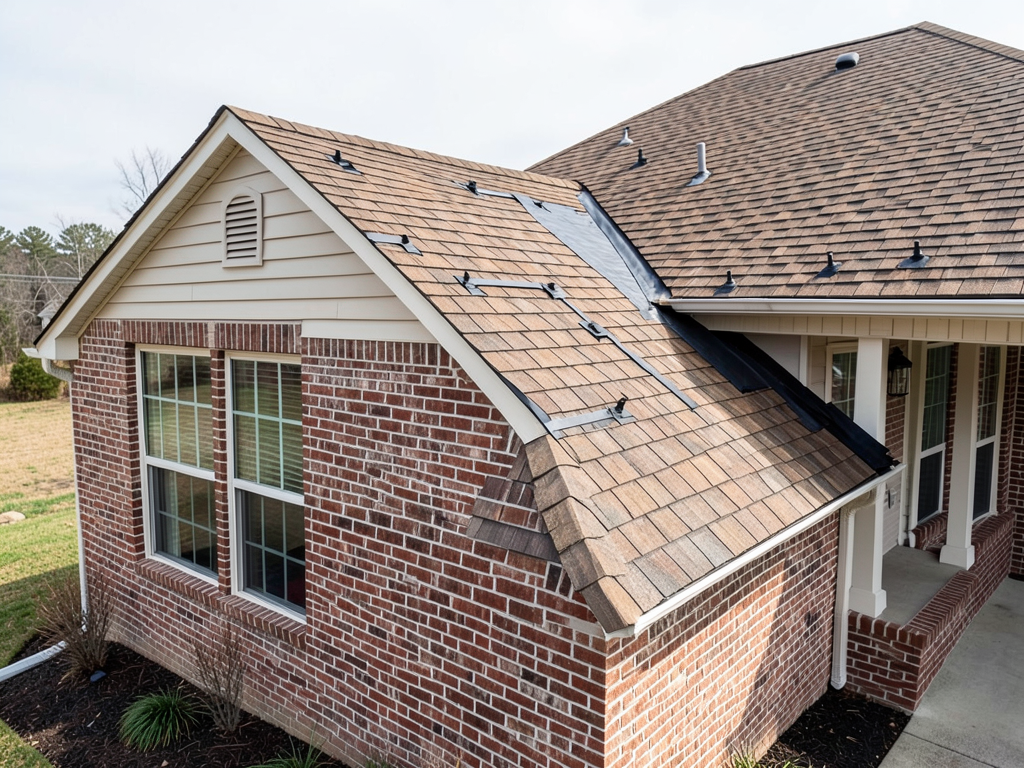
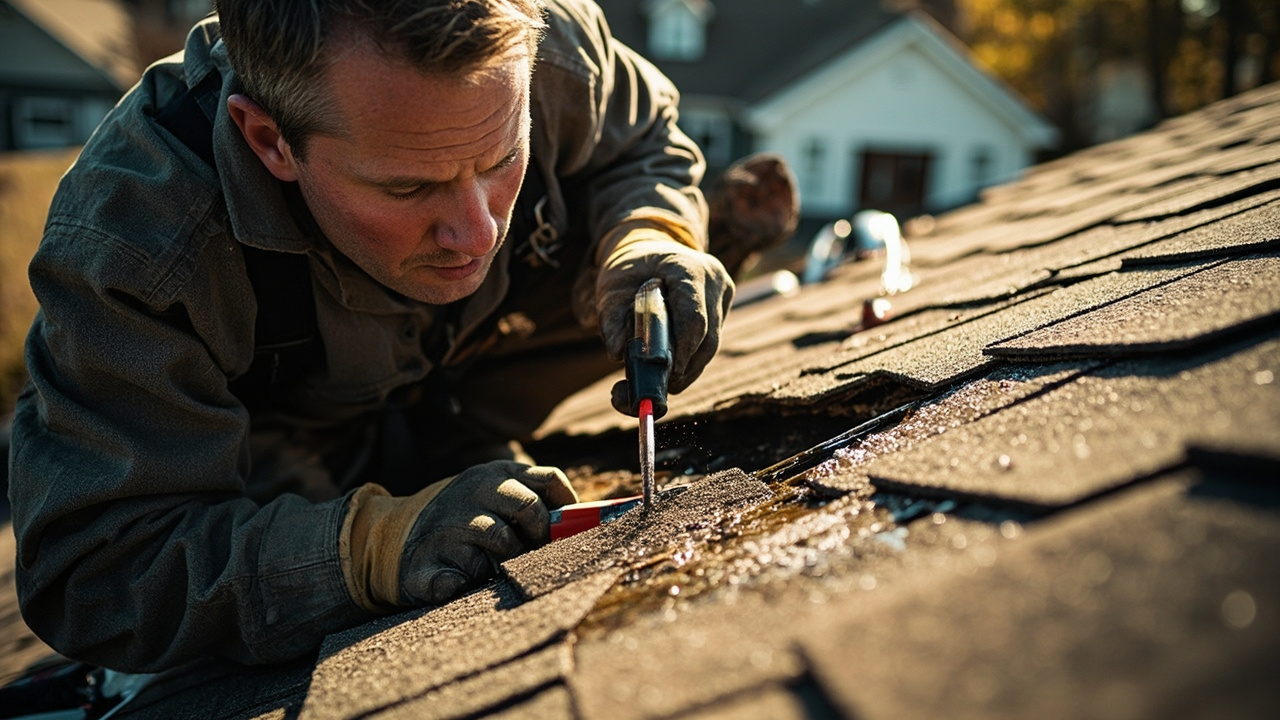
Repairing damaged roof valleys means removing shingles far enough back to expose the entire failure zone, not just the obvious leak point. Water travels along the underlayment before dripping through, so the visible stain inside your home sits three to six feet away from the actual entry point. We trace the water path back to the source, then remove all compromised materials.

The underlayment replacement uses ice and water shield, a self-sealing membrane that bonds to the decking and creates a watertight barrier even if the metal develops pinholes later. We extend this protection 18 inches beyond the valley centerline on both sides, providing redundant waterproofing that standard felt paper cannot match.

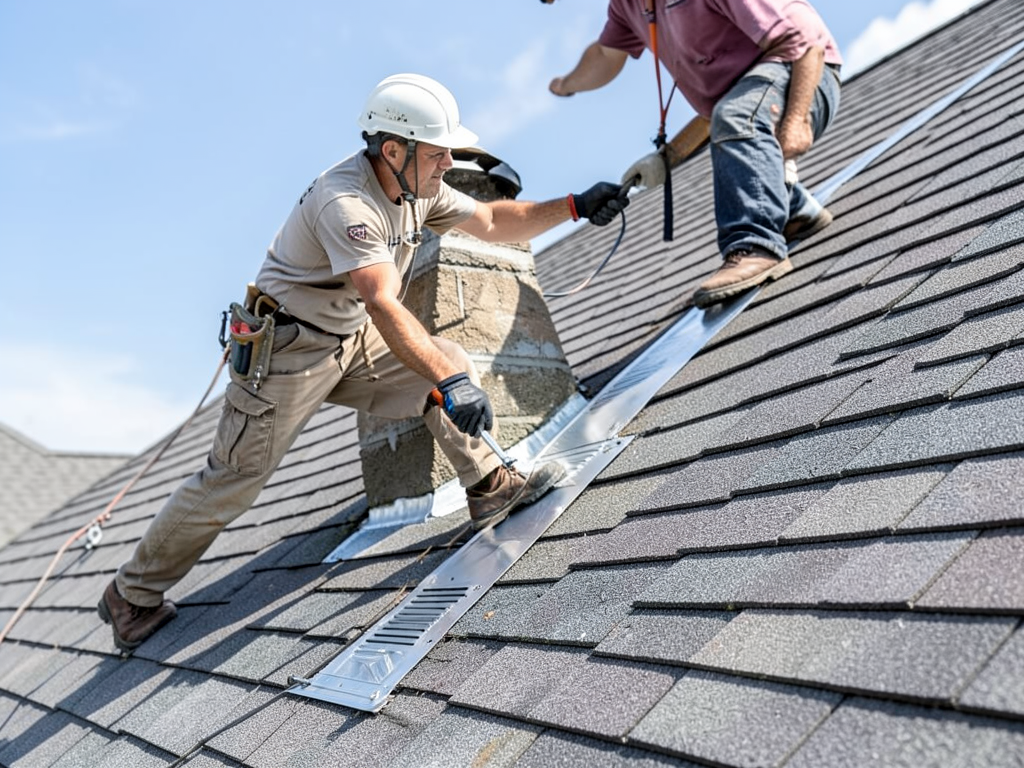
The new flashing installs with proper crickets and diverters where valleys meet walls or chimneys. These details prevent water from concentrating at vulnerable transition points. We hand-form the metal to eliminate gaps, then secure it with concealed fasteners that will not create new leak points. The shingle reinstallation follows manufacturer specifications for valley cutting and overlap, ensuring the warranty stays intact.

What Happens During Your Valley Leak Repair

Valley Leak Repair in Oklahoma City – Expert Diagnosis and Permanent Fixes for Chronic Roof Valley Problems
01

Leak Source Identification

We start by mapping the water intrusion pattern from your attic, using moisture meters and thermal imaging to trace the leak path back to the valley entry point. This diagnostic phase identifies whether the failure stems from flashing deterioration, improper installation, or structural movement. You receive documentation showing exactly where water enters and why the previous repair failed, eliminating guesswork before we remove a single shingle.
02

Full Valley Reconstruction

Our crew removes shingles and old flashing to expose the valley entirely, replacing any saturated or rotted decking discovered during teardown. We install ice and water shield across the valley span, then hand-form new flashing with proper overlap and fastener placement. This phase addresses the root cause, not surface symptoms. The work includes cricket installation at transition points and proper integration with existing roof planes to prevent future water concentration.
03

Weather-Sealed Completion

Final shingle installation follows strict manufacturer guidelines for valley cutting angles and overlap distances, maintaining your roof warranty. We hand-seal each shingle edge along the valley to prevent wind-driven rain infiltration. You receive a detailed repair report with photos documenting the original failure, the decking condition, and the completed installation. The valley gets a two-year leak-free performance guarantee, giving you confidence through the next severe weather season.

Why Oklahoma City Property Owners Choose Us for Valley Repairs

Valley leak repair requires understanding how Oklahoma City's specific weather patterns stress roofing systems. We have diagnosed and repaired valley failures across every neighborhood from Heritage Hills to Quail Creek, learning how different roof ages and installation methods perform through our temperature extremes and severe storm cycles.

Most roofing companies treat valley leaks as simple patch jobs. They seal the visible gap, collect payment, and leave before the next storm proves the repair inadequate. We built our reputation by solving chronic valley problems that other contractors could not fix. When a customer calls us after three failed repair attempts by other companies, we know the previous work addressed symptoms instead of causes.

Our approach starts with honest assessment. If your valley problem stems from a roof system near the end of its service life, we tell you that patching will only buy temporary time. We provide options for both immediate repair and comprehensive replacement, letting you make informed decisions based on your budget and timeline. No pressure, no upselling, just clear information about what will actually solve your problem.

We maintain relationships with local building inspectors and stay current on Oklahoma City code requirements for roof repairs. This matters when valley work requires decking replacement or structural modifications that trigger permit requirements. We handle the paperwork and ensure the work meets inspection standards, protecting you from compliance issues that could complicate future insurance claims or property sales.

Our crew training focuses on proper flashing techniques specific to the architectural styles common in Oklahoma City. The valley requirements for a 1920s bungalow in Gatewood differ from those on a 1990s ranch in Deer Creek. We match our repair methods to your home's construction, ensuring the new valley integrates properly with the existing roof system. This attention to detail prevents the edge failures and transition leaks that plague generic repair work.

What You Can Expect From Our Valley Leak Repair Service

Rapid Response and Scheduling

We provide inspection appointments within 48 hours of your call, with emergency assessment available for active leaks causing interior damage. Most valley repairs complete in one to two days depending on the extent of decking replacement required. We schedule work around your availability and weather windows, providing clear timelines before we start. If rain interrupts the repair, we tarp and secure your roof at no additional charge, then resume work as soon as conditions allow.

Thorough Diagnostic Assessment

Your inspection includes attic examination to assess water damage extent, thermal imaging to map moisture in the decking, and detailed flashing evaluation from the roof surface. We document all findings with photos and provide a written assessment explaining the failure cause. You receive a clear breakdown of required repairs and material specifications before we begin work. This transparency eliminates surprise costs and ensures you understand exactly what we're fixing and why the previous repair failed.

Long-Term Performance Results

Our valley repairs stop leaks permanently by addressing root causes instead of symptoms. We use premium ice and water shield underlayment and properly gauged flashing metal that withstands Oklahoma City's temperature cycles. The hand-formed flashing eliminates the gaps and poor overlaps that cause most valley failures. You get a detailed completion report with photos showing the original problem, the repair process, and the finished installation. The work includes proper integration with your existing shingles to maintain manufacturer warranty coverage.

Performance Guarantee and Follow-Up

Every valley repair includes a two-year leak-free performance guarantee covering the repaired section and adjacent areas. We provide follow-up inspection after the first major rain event to verify the repair performs as expected. If you experience any water intrusion in the repaired valley during the guarantee period, we return and resolve the issue at no charge. This commitment reflects our confidence in proper diagnosis and quality workmanship. We also offer annual roof maintenance programs that include valley inspection and minor sealant touch-ups to extend your roof's service life.

Frequently Asked Questions

You Have Questions,
We Have Answers

How to fix a leaking valley? +

Fixing a leaking valley requires removing the damaged shingles around the valley, inspecting the underlying flashing for corrosion or gaps, and replacing deteriorated materials. In Oklahoma City, valleys face intense stress from heavy spring storms and temperature swings. A professional roofer will install new valley flashing, often using ice and water shield underlayment for added protection, then reinstall shingles with proper overlap. DIY fixes rarely last because valleys channel high water volume. If you see water stains on your ceiling near where two roof planes meet, call a roofer immediately. Delays turn small leaks into structural damage.

How much to repair a valley on a roof? +

Valley repair costs vary based on accessibility, flashing type, and shingle replacement needs. Simple resealing runs lower, while full tear-off and reflashing costs more. Most homeowners in the Oklahoma City metro pay for materials, labor, and disposal. Metal valleys last longer than woven shingle valleys but cost more upfront. Steeper roofs increase labor time. Multiple valleys or extensive wood rot drive costs higher. Get three written estimates that specify flashing material, underlayment type, and warranty details. Avoid the cheapest bid. Poor valley work fails fast, and Oklahoma's hailstorms will exploit weak repairs within months.

Can heavy rain cause roof valley leaks? +

Yes. Oklahoma City's spring thunderstorms dump rain fast, overwhelming valleys that have clogged debris, worn flashing, or improper slope. Heavy rain exposes existing weaknesses. Water backs up under shingles when valleys cannot drain quickly enough. If your valley already has small gaps or corroded flashing, a downpour forces water sideways into the roof deck. You might not see leaks during light rain, but torrential storms reveal the problem. Inspect valleys after severe weather. Look for standing water, lifted shingles, or sagging. If you notice interior leaks only during heavy rain, the valley is the likely culprit.

Is a coolant leak worth fixing? +

This question does not apply to roofing. Coolant leaks relate to automotive or HVAC systems, not roof valley repairs. If you are asking about roof leaks, any leak is worth fixing immediately. Water damage spreads fast in Oklahoma City's humid climate. Mold grows within 48 hours. Structural rot compromises roof decking and framing. Small leaks become expensive repairs if ignored. If you meant something else, contact a roofing professional to diagnose your specific issue. Do not wait. Water intrusion accelerates once it starts, and your homeowner's insurance may deny claims if you delay necessary repairs.

How to waterproof a valley? +

Waterproofing a valley starts with proper flashing installation. Use corrosion-resistant metal flashing or high-quality ice and water shield underlayment that seals around fasteners. In Oklahoma City, where freeze-thaw cycles and hail are common, upgrade to thicker gauge metal or rubberized membranes. Ensure shingles overlap the valley correctly, typically three to six inches on each side. Avoid cutting shingles too close to the valley center. Seal all nail penetrations with roofing cement. Clean debris regularly so water flows freely. Professional installation matters. Improper valley waterproofing fails during the first big storm, causing interior damage and costly repairs.

Is a roof leak covered by homeowners insurance? +

Maybe. Oklahoma City homeowner's insurance typically covers roof leaks caused by sudden events like hail, wind, or falling trees. Gradual wear, poor maintenance, or aging roofs are usually excluded. Insurance adjusters scrutinize valleys because improper installation is considered a maintenance issue, not a covered peril. Document everything. Take photos of storm damage immediately. Get a professional inspection report that links the leak to a specific weather event. File claims quickly. Delays suggest pre-existing damage. If your policy covers the cause, valley repairs may be included. Read your policy exclusions carefully, and do not assume coverage without verification.

Why do roof valleys leak? +

Valleys leak because they channel massive water volume into a narrow path. In Oklahoma City, thermal cycling cracks flashing, hail punctures metal, and wind-driven rain pushes water under shingles. Common causes include corroded flashing, improper shingle overlap, debris buildup that dams water, and insufficient underlayment. Valleys installed without ice and water shield fail faster. Roofers who rush jobs skip critical steps like sealing nail holes or extending flashing far enough under shingles. Age matters too. Flashing degrades faster than shingles. If your roof is over 15 years old, inspect valleys annually. Catching small issues early prevents expensive interior damage.

What is the best time of year for roof repair? +

Late spring and early fall are ideal for roof repairs in Oklahoma City. Temperatures are moderate, shingles seal properly, and weather is more predictable. Summer heat makes shingles brittle and dangerous to walk on. Winter cold prevents adhesive activation. However, leaks do not wait for perfect weather. If you have active leaks, repair immediately regardless of season. Emergency tarping protects your home until permanent fixes happen. Schedule non-urgent valley repairs during mild weather for best results. Avoid peak storm season if possible, but never delay repairs that allow water intrusion. Mold and rot do not care about timing.

What is the cheapest way to fix a leaking roof? +

The cheapest fix is often the most expensive long-term mistake. Temporary solutions like roof cement or caulk fail within months, especially in Oklahoma City's harsh weather. Real repairs require proper flashing and underlayment. If budget is tight, get multiple estimates and ask about phased repairs. Some roofers will prioritize the worst valleys first. DIY repairs usually fail because valley work requires specific techniques and materials. Skipping ice and water shield or reusing old flashing guarantees future leaks. Invest in proper repairs once instead of paying repeatedly for Band-Aid fixes. Water damage costs far more than quality valley work.

What is the average cost to repair a roof leak? +

Roof leak repair costs vary widely based on location, damage extent, and materials. Valley leaks often cost more than simple shingle replacement because they require flashing work and potential decking repair. Oklahoma City pricing reflects local labor rates and material availability. Simple resealing costs less than full valley reconstruction. Multiple leaks, structural damage, or hard-to-reach valleys increase expenses. Get detailed written estimates that itemize labor, materials, and any wood replacement. Avoid vague quotes. Ask about flashing type and underlayment upgrades. Paying more for quality materials and experienced labor saves money by preventing repeat repairs.

How Oklahoma City's Severe Weather Cycles Accelerate Valley Deterioration

Oklahoma City experiences temperature swings exceeding 80 degrees between winter lows and summer highs, creating expansion and contraction cycles that stress valley flashing more than in moderate climates. The sudden severe thunderstorms common from April through June dump massive water volumes through valleys in minutes, overwhelming inadequate flashing systems. Hail damage from spring storms creates microscopic punctures in valley metal that leak slowly at first, then fail catastrophically once underlayment saturates. The combination of extreme heat, UV exposure, freeze-thaw cycles, and violent storms means valley systems deteriorate faster here than in coastal or northern regions with more stable weather patterns.

Proper valley leak repair in Oklahoma City requires understanding local building practices and common installation shortcuts from the construction boom periods. Many homes built in the 1980s and 1990s used minimum-gauge flashing and standard felt underlayment that fails prematurely under our weather stress. We work throughout the metro area from Edmond to Moore, repairing valleys on every roof style and age. Our familiarity with local construction methods lets us anticipate common failure points before tearing into your roof, making repairs more efficient and accurate. This local expertise means fewer surprises and better long-term results than you get from traveling storm-chaser crews or national franchises using generic repair protocols.
Roofing Services in The Oklahoma City Area

Our dedicated team is proud to serve homeowners and businesses across the entire Oklahoma City metropolitan area and its surrounding communities. We're committed to bringing our expert roofing services directly to you, no matter where you are in our service radius. We encourage you to contact us to discuss your project, and we will be on our way to assist you with your roofing needs.

Address:
United Roofing Oklahoma City, 5600 N May Ave, Oklahoma City, OK, 73112

Additional Services We Offer

Our news updates

Latest Articles & News from The Blogs

Common Ways New Homeowners Accidentally Void Their Roofing Warranty Your new roof represents a significant investment and the warranty that…

Common Ways New Homeowners Accidentally Void Their Roofing Warranty

Common Ways New Homeowners Accidentally Void Their Roofing Warranty Your new roof represents a significant investment and the warranty that…

How Much Noise Does a Metal Roof Really Make During an Oklahoma Rainstorm?

Is a Metal Roof Too Noisy During Oklahoma Storms? Oklahoma City homeowners considering metal roofing often worry about rain noise.…

Why Your Neighbors Are Choosing Class 4 Shingles Even if They Don't Have Hail Damage

Why Your Neighbors Are Choosing Class 4 Shingles Even if They Don’t Have Hail Damage Oklahoma City homeowners are making…

Contact Us

Chronic valley leaks get worse with every weather cycle. Get an honest diagnostic assessment and permanent repair solution. Call (405) 507-3933 now for a thorough inspection with thermal imaging and detailed repair options.