menu

Winter Roof Maintenance Tips in Oklahoma City – Protect Your Investment from Ice Dams and Freeze-Thaw Damage

Oklahoma City's unpredictable winter weather demands proactive roof care. Learn the essential winterizing steps that prevent costly ice damage, extend shingle life, and keep your home protected through freeze-thaw cycles.

Slider Image 1
Slider Image 2
Slider Image 3
Slider Image 4
Slider Image 5
Slider Image 7
Slider Image 8
Slider Image 9
Slider Image 10
Slider Image 11

Why Oklahoma City Winters Are Hard on Your Roof

Oklahoma City sits in a unique climate zone where winter weather swings wildly. One day you face freezing rain, the next brings 60-degree sunshine. This constant freeze-thaw cycling is brutal on roofing systems.

When temperatures drop below freezing, trapped moisture in shingles expands. When it warms up, that ice melts and seeps deeper into gaps and cracks. Over a single winter, this cycle repeats dozens of times, accelerating shingle deterioration and opening pathways for water intrusion.

Ice dams form along eaves when heat escapes through your attic, melting snow that refreezes at the roof edge. The backed-up water works its way under shingles, damaging decking and insulation. Wind-driven sleet pelts north-facing slopes, wearing down granules and compromising your roof's UV protection.

Your winter roof care guide starts with understanding these local threats. Cold weather roofing upkeep in Oklahoma City means preparing for temperature swings that other regions never experience. A proper roof maintenance checklist for winter addresses both the immediate freeze risks and long-term wear patterns specific to our area.

Neglecting winterizing your roof before the first hard freeze leaves you vulnerable to emergency repairs during the worst possible weather. The good news is that preparing your roof for winter takes just a few strategic steps when you know what to target.

Why Oklahoma City Winters Are Hard on Your Roof
The Essential Components of Cold Weather Roof Protection

The Essential Components of Cold Weather Roof Protection

Effective cold weather roofing upkeep starts with your attic ventilation system. Proper ventilation prevents warm air from creating temperature differentials that lead to ice dams. You need balanced intake vents at the soffits and exhaust vents at the ridge. This creates airflow that keeps your roof deck cold and prevents premature snow melt.

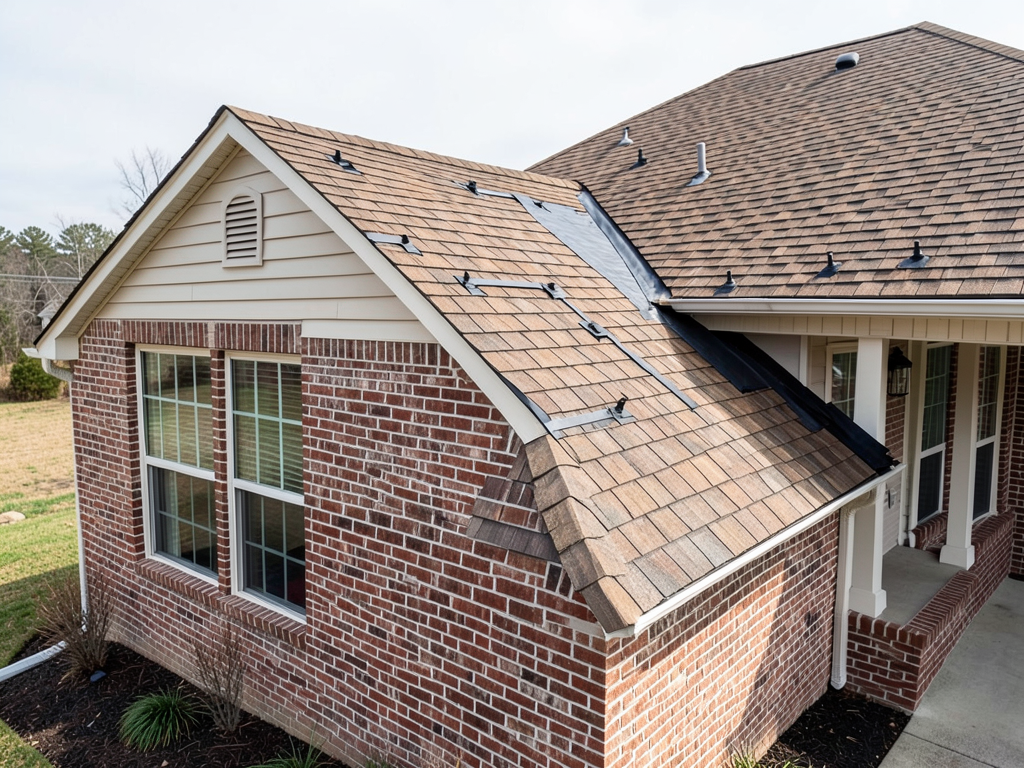
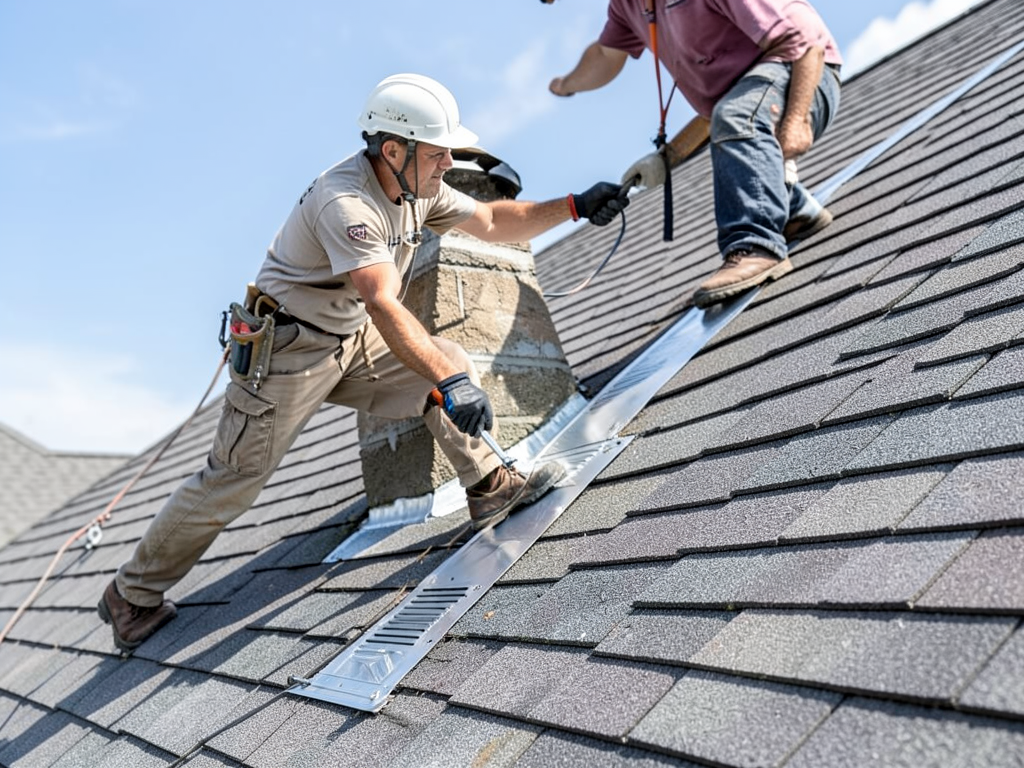
Next comes flashing inspection. The metal barriers around chimneys, skylights, and vent pipes are your first line of defense against water intrusion. Winter weather exploits even small gaps in these critical junctions. Check for rust, separation, or damaged sealant that could allow meltwater penetration.

Gutter systems must flow freely. Clogged gutters trap water that freezes, adding weight and creating ice dams that force water back under shingles. Clean gutters and downspouts prevent this backup. Inspect gutter brackets for stability because ice buildup adds significant load stress.

Your shingles need a thorough surface inspection. Look for lifted corners, missing granules, or cracked tabs. These weak points allow moisture penetration during freeze-thaw cycles. Address them before winter arrives.

Attic insulation works with ventilation to maintain consistent roof temperatures. Check for gaps, compression, or moisture damage that reduces R-value. Proper insulation keeps heat where it belongs and protects your roof deck from temperature extremes.

Tree branches overhanging your roof become hazards during ice storms. Trim them back at least six feet. Falling limbs cause obvious damage, but even constant contact wears through shingle surfaces over time.

Your Complete Winterization Protocol

Winter Roof Maintenance Tips in Oklahoma City – Protect Your Investment from Ice Dams and Freeze-Thaw Damage
01

Pre-Season Inspection

Schedule your roof inspection in late October or early November, before the first freeze. A qualified technician examines flashing, shingles, ventilation, and structural integrity from both inside the attic and on the roof surface. This baseline assessment identifies vulnerabilities that need immediate attention and helps you prioritize repairs based on risk level and budget.
02

Critical Repairs and Reinforcement

Based on inspection findings, address failing flashing, damaged shingles, and ventilation deficiencies before cold weather arrives. Replace worn pipe boots, reseal chimney flashing, and repair any compromised shingle tabs. Install ice and water shield in vulnerable valleys if your roof lacks this protection. Clean gutters and verify downspouts direct water away from your foundation.
03

Ongoing Winter Monitoring

After each winter storm, perform a visual check from ground level. Look for ice dam formation, sagging gutters, or debris accumulation. Check your attic for signs of moisture or temperature issues. If you spot icicles larger than six inches or notice interior water stains, contact a professional immediately. Early intervention prevents minor issues from becoming major damage.

Why Local Knowledge Matters for Oklahoma City Roofs

Oklahoma City's weather patterns require specific expertise that out-of-region contractors simply do not possess. We understand that our winters alternate between hard freezes and warm spells, creating unique stress patterns on roofing systems.

Local building codes reflect our climate realities. Proper wind ratings matter here because our winter storms often combine ice with high winds. We know which shingle types hold up best against our specific freeze-thaw cycles and which underlayment materials provide optimal protection for Oklahoma conditions.

United Roofing Oklahoma City has maintained thousands of local roofs through decades of unpredictable winters. We know that homes in Heritage Hills face different challenges than properties in Quail Creek due to tree cover and age. We understand how the red clay soil common throughout the metro area affects foundation settlement patterns that can stress roof structures.

Our technicians recognize the signs of storm damage specific to Oklahoma weather events. We can tell the difference between hail impact from a spring supercell and ice damage from a winter storm. This diagnostic accuracy ensures you get the right repairs, not unnecessary work.

When you work with a local company, you get accountability. We live in the neighborhoods we serve. Our reputation depends on quality work that protects homes through real Oklahoma City winters, not theoretical weather patterns from a corporate manual.

We also understand insurance claims processes with local adjusters and know which documentation carriers require for winter damage claims. This expertise streamlines your claim and maximizes your coverage.

What You Can Expect from Professional Winter Roof Care

Inspection Timing and Scheduling

Fall inspections typically take 45 minutes to two hours depending on roof size and complexity. We schedule these services throughout October and November before the rush of emergency calls that follows the first hard freeze. You receive a detailed report with photos documenting current conditions, prioritized repair recommendations, and cost estimates. This advance planning lets you budget appropriately and schedule work during optimal weather windows when crews can work safely and materials cure properly.

Comprehensive Assessment Process

Our evaluation covers both interior and exterior components. We examine attic ventilation, insulation levels, and roof decking from inside. Outside, we inspect every flashing junction, check shingle condition across all slopes, verify gutter function, and assess structural elements like fascia and soffit. We use moisture meters to detect hidden water intrusion and thermal imaging when conditions warrant. You get a complete picture of your roof system's readiness for winter weather, not just a quick visual scan.

Quality Standards and Results

Winterization work meets manufacturer specifications for cold-weather installation. We use high-grade sealants rated for freeze-thaw cycles, install flashing with proper overlaps and fastener patterns, and ensure ventilation systems meet current code requirements. Repairs integrate seamlessly with existing materials. When we complete winterizing work, your roof system functions as designed to shed water, resist ice dam formation, and maintain structural integrity through temperature extremes. You gain peace of mind knowing your largest investment has proper protection.

Post-Winter Follow-Up

After severe winter weather events, we offer priority inspection scheduling for existing clients. Spring follow-up appointments verify that winterization measures performed as intended and identify any new damage from ice or wind. We document storm impacts for insurance purposes when needed. Many clients establish annual maintenance plans that include fall winterization and spring assessment, creating a proactive care cycle that extends roof life and prevents surprise failures during the worst weather.

Frequently Asked Questions

You Have Questions,
We Have Answers

What do roofers do in the winter time? +

Roofers in Oklahoma City stay busy during winter performing inspections, repairs, and installations when temperatures allow. They focus on leak detection, flashing repairs, and addressing ice dam damage. Winter is prime time for interior attic inspections, ventilation assessments, and insulation upgrades. Many roofers schedule storm damage repairs from fall hail and wind events. They also prepare materials and equipment for spring's busy season. In Oklahoma City's mild winters, most roofing work continues unless ice or heavy snow creates unsafe conditions. Emergency tarping and temporary repairs happen year-round to protect homes from water intrusion.

How to prepare your roof for winter? +

Start by clearing gutters and downspouts of leaves and debris to prevent ice dams. Inspect shingles for cracks, missing granules, or loose edges that Oklahoma City's freeze-thaw cycles worsen. Check flashing around chimneys, vents, and skylights for gaps. Trim overhanging tree branches that could snap under ice weight. Examine attic insulation and ventilation to prevent heat loss that melts snow unevenly. Look for signs of water stains on ceilings indicating active leaks. Schedule professional inspection if your roof is over 15 years old or suffered recent storm damage. Address minor repairs before winter weather arrives.

Should I put an ice and water shield on my entire roof? +

Installing ice and water shield across your entire roof is unnecessary and expensive for Oklahoma City homes. This self-adhering membrane belongs in vulnerable spots where water pools or penetrates. Apply it along eaves, valleys, and around penetrations like chimneys and skylights. In Oklahoma City, where ice dams are less common than in northern climates, standard installation at eaves and valleys provides adequate protection. Full-roof coverage makes sense only for low-slope roofs or homes in severe weather zones. Your roofer can assess your specific risk factors based on roof pitch, tree coverage, and exposure to determine proper coverage.

What temperature is too cold for roofing? +

Asphalt shingles become brittle and difficult to seal below 40 degrees Fahrenheit. Most manufacturers recommend installation when temperatures reach at least 45 degrees and rising. In Oklahoma City's mild winters, you often get installation windows during warm spells. Cold shingles crack easily when nailed and adhesive strips fail to bond properly. Emergency repairs happen at any temperature using specialized techniques and sealants. Professional roofers use heated storage for materials and hand sealers to activate adhesive in cold conditions. For planned installations, wait for a stretch of warmer days. Emergency leak repairs cannot wait regardless of temperature.

How to seal shingles in cold weather? +

Cold weather prevents normal thermal bonding of asphalt shingles. Use roofing cement or specialized cold-weather sealant applied under each shingle tab. Gently lift the tab without cracking it and apply a quarter-sized dab of sealant underneath. Press down firmly and hold for several seconds. Some roofers use a heat gun on low setting to warm shingles slightly before sealing, but this requires experience to avoid damage. In Oklahoma City's fluctuating winter temperatures, sealing often works better during midday when sun warms the roof surface. Professional-grade cold adhesives bond more reliably than standard roofing cement in freezing conditions.

Does roof Maxx really work? +

Roof Maxx is a soy-based treatment that restores flexibility to aging asphalt shingles by replacing lost petroleum oils. Independent testing shows it can extend roof life by five years per application. Results vary based on existing shingle condition and Oklahoma City's climate stress. It works best on roofs showing minor brittleness but not severe damage like missing granules or curling. The treatment penetrates shingles and makes them more pliable, reducing cracking. It costs a fraction of replacement but does not fix structural issues, leaks, or severely degraded shingles. Consider it a maintenance option for roofs with 40 percent or more life remaining.

Can I apply roof Maxx myself? +

Roof Maxx application requires specialized equipment and certified applicators. The company does not sell products for DIY installation. Professional application ensures proper coverage, correct product ratios, and safety on steep pitches. Technicians assess whether your roof qualifies for treatment before applying. In Oklahoma City, certified applicators understand how local weather patterns affect shingle aging and can identify roofs beyond treatment viability. Attempting DIY alternatives with other oils or sealants can void shingle warranties and cause damage. Professional application includes inspection, treatment warranty, and documentation useful for future roof assessments or home sales.

How long can I leave a tarp on my roof? +

Emergency tarps protect roofs temporarily but cause damage if left too long. Remove or replace tarps within 90 days maximum. Oklahoma City's wind and sun degrade tarps quickly, creating new leak points. Trapped moisture under tarps promotes wood rot and mold growth in decking. Tarps work for emergency protection after storm damage while you arrange permanent repairs. Secure them properly with wood strips and screws, not just sandbags. Check tarps weekly and retighten after wind events. Insurance companies expect timely permanent repairs. Extended tarp coverage signals neglect and may complicate claims. Schedule permanent repairs as soon as weather and contractor availability allow.

Should I insulate the underside of my roof? +

Insulating between roof rafters depends on your roof design and attic use. For vented attics, insulation belongs on the attic floor, not the roof deck. This keeps conditioned air in living spaces while allowing attic ventilation. For cathedral ceilings or converted attic spaces, spray foam insulation between rafters creates a conditioned space. Oklahoma City homes need adequate R-value insulation to handle summer heat and winter cold. Improper roof deck insulation without ventilation traps moisture and causes rot. Most homes benefit from 12 to 16 inches of attic floor insulation instead. Consult an insulation professional to assess your specific configuration before adding roof deck insulation.

What damages the roof the most? +

Oklahoma City roofs face multiple threats. Hail causes immediate impact damage that compromises shingle integrity. High winds lift and tear shingles, especially on older roofs. Intense UV exposure degrades asphalt and accelerates aging. Freeze-thaw cycles force water into cracks, expanding and widening damage. Poor ventilation traps heat and moisture, rotting decking from inside. Tree debris clogs valleys and retains moisture. Neglected maintenance allows small problems to become major failures. Of these, hail and wind cause the most sudden catastrophic damage requiring replacement. UV degradation and poor ventilation cause the most gradual long-term deterioration. Regular inspections catch problems before they escalate.

How Oklahoma City's Freeze-Thaw Cycles Make Winter Roof Maintenance Critical

Oklahoma City averages 15 to 20 freeze-thaw cycles each winter, far more than northern cities where temperatures stay consistently cold. This repeated expansion and contraction stresses every roof component. Water penetrates small cracks, freezes, expands, and widens those openings. The next warm day, more water flows deeper into the gap. By spring, minor flaws become major leaks. Our location also puts us in the path of winter ice storms that coat roofs in heavy loads, stressing structures and creating conditions for ice dams that simply do not form in drier or more consistently cold climates.

Local contractors who understand Oklahoma City weather patterns provide better winter roof care because we have seen how our specific climate attacks roofing systems. We know which valleys accumulate ice, which exposures suffer worst wind damage, and which architectural styles common in neighborhoods like Nichols Hills or Edmond require special attention. This experience translates into better diagnostic accuracy and repair strategies that actually work for your home, not generic solutions copied from national training manuals designed for different climates.
Roofing Services in The Oklahoma City Area

Our dedicated team is proud to serve homeowners and businesses across the entire Oklahoma City metropolitan area and its surrounding communities. We're committed to bringing our expert roofing services directly to you, no matter where you are in our service radius. We encourage you to contact us to discuss your project, and we will be on our way to assist you with your roofing needs.

Address:
United Roofing Oklahoma City, 5600 N May Ave, Oklahoma City, OK, 73112

Additional Services We Offer

Our news updates

Latest Articles & News from The Blogs

Common Ways New Homeowners Accidentally Void Their Roofing Warranty Your new roof represents a significant investment and the warranty that…

Common Ways New Homeowners Accidentally Void Their Roofing Warranty

Common Ways New Homeowners Accidentally Void Their Roofing Warranty Your new roof represents a significant investment and the warranty that…

How Much Noise Does a Metal Roof Really Make During an Oklahoma Rainstorm?

Is a Metal Roof Too Noisy During Oklahoma Storms? Oklahoma City homeowners considering metal roofing often worry about rain noise.…

Why Your Neighbors Are Choosing Class 4 Shingles Even if They Don't Have Hail Damage

Why Your Neighbors Are Choosing Class 4 Shingles Even if They Don’t Have Hail Damage Oklahoma City homeowners are making…

Contact Us

Do not wait until the first freeze reveals problems. Call (405) 507-3933 now to schedule your comprehensive winterization inspection. Our team will assess your roof, identify vulnerabilities, and complete protective repairs before severe weather arrives. Protect your investment with proactive care.