
menu

Roof Inspection Checklist Oklahoma City – Complete Assessment Tools That Catch Hidden Damage Before Costly Failures

Download Our Professional Roof Inspection Checklist and Learn the 47-Point Assessment Method United Roofing Oklahoma City Uses to Identify Storm Damage, Ventilation Issues, and Structural Weaknesses Typical in Oklahoma City's High-Wind Climate

Slider Image 1
Slider Image 2
Slider Image 3
Slider Image 4
Slider Image 5
Slider Image 7
Slider Image 8
Slider Image 9
Slider Image 10
Slider Image 11

Why Oklahoma City Roofs Fail Between Inspections

Oklahoma City sits in the crosshairs of extreme weather volatility. Your roof endures 100-degree summers, sudden freeze-thaw cycles, and severe wind events that routinely exceed 60 mph during spring storm seasons. These conditions create a unique failure profile that generic roof maintenance checklists miss entirely.

Most homeowners inspect their roofs only after visible leaks appear. By then, the damage has already compromised decking, insulation, and structural framing. The clay soil common throughout Oklahoma City expands and contracts with moisture changes, transferring stress directly to your foundation and roof structure. This movement creates micro-fractures in flashing, loosens fasteners, and separates membrane layers long before you notice water stains on your ceiling.

Without a residential roof inspection guide tailored to Oklahoma City's climate patterns, you cannot identify the early warning signs. Granule loss from hail exposure looks different here than in temperate climates. Wind uplift damage to shingles occurs in predictable patterns based on roof pitch and orientation to prevailing southerly winds. Ventilation failures caused by our extreme heat create attic temperatures that degrade shingle adhesive and warp decking.

A proper roof assessment form documents these location-specific vulnerabilities. You need a roofing inspection template that accounts for storm frequency, seasonal temperature swings, and the architectural styles common to neighborhoods like Nichols Hills, Edmond, and Heritage Hills. The roof check sheet you use determines whether you catch problems at the repair stage or discover them during a full replacement project.

Why Oklahoma City Roofs Fail Between Inspections
The 47-Point Inspection Methodology for Oklahoma City Roofs

The 47-Point Inspection Methodology for Oklahoma City Roofs

Our roof inspection checklist divides assessment into four critical zones: exterior shingle field, perimeter and penetration flashing, ventilation system, and interior attic inspection. Each zone requires specific evaluation criteria based on Oklahoma City failure patterns.

The shingle field inspection documents granule density, seal strip integrity, and fastener penetration depth. In Oklahoma City, wind-driven rain approaches from the southwest during storm events. This creates asymmetric wear patterns where north and east slopes show less weather damage than south and west exposures. Your roofing inspection template must account for directional wear to accurately predict service life.

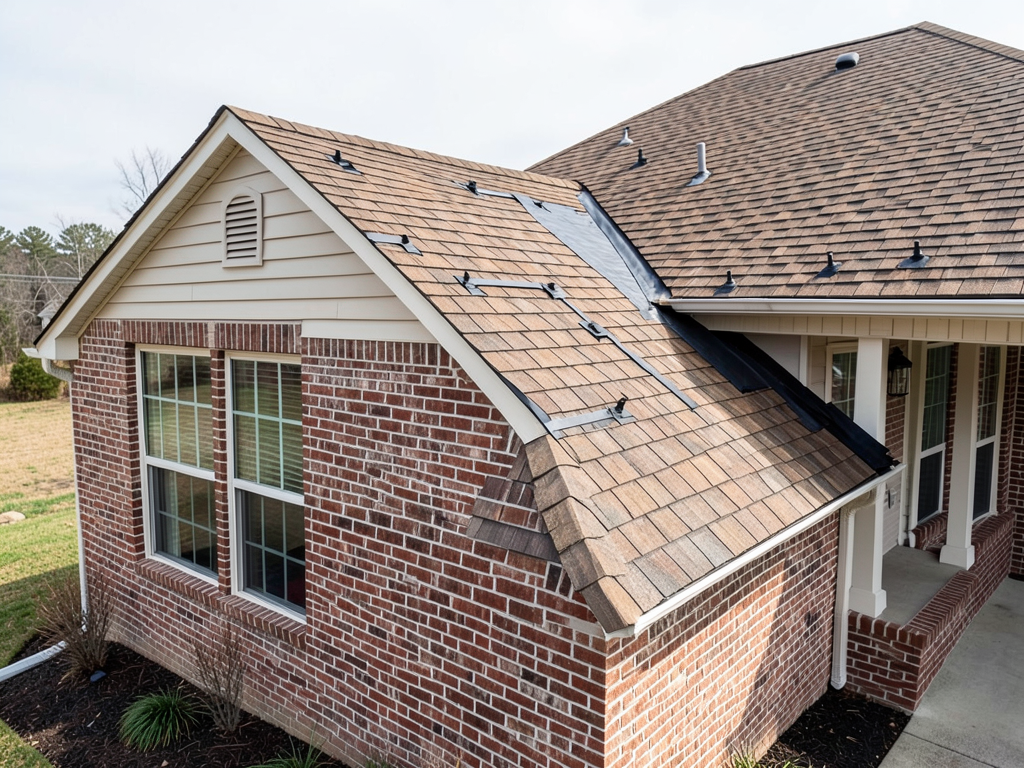
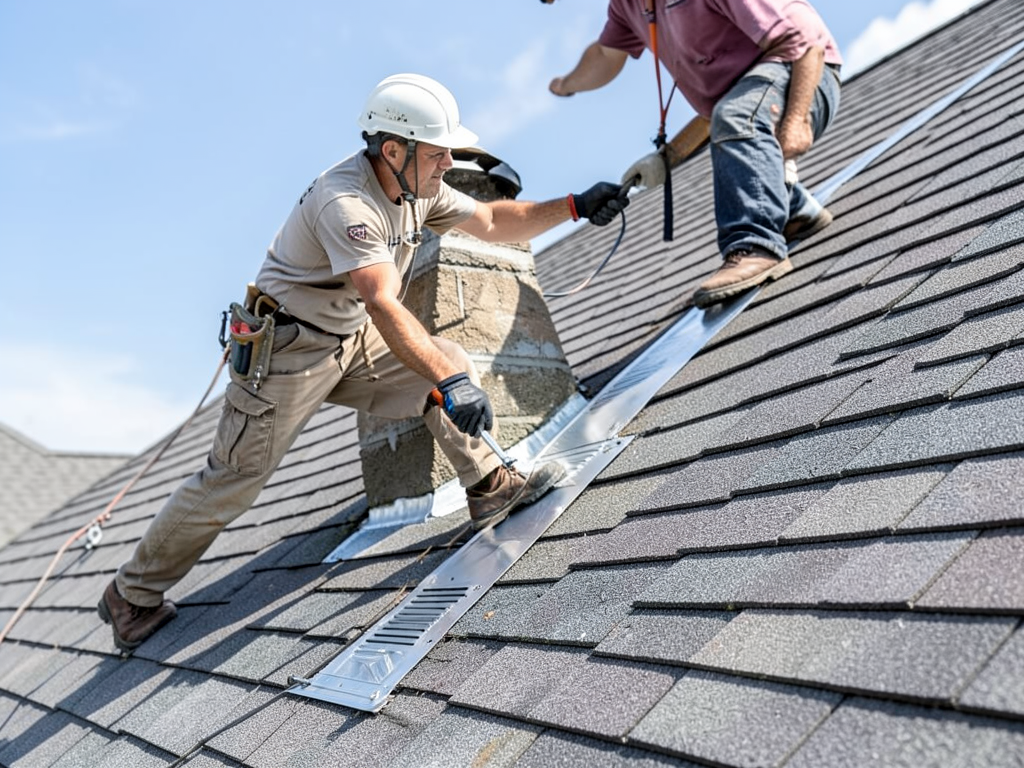
Flashing inspection focuses on differential movement. Metal flashing expands and contracts at different rates than asphalt shingles or synthetic underlayment. Temperature swings of 60 degrees within 24 hours stress these junctions. We document gap measurements at valley flashing, step flashing along sidewalls, and counterflashing at chimneys. Any gap exceeding 1/8 inch allows water infiltration during wind-driven rain events common here.

Ventilation assessment measures intake-to-exhaust ratios and verifies continuous airflow from soffit to ridge. Oklahoma City attics reach 160 degrees during July and August. Without balanced ventilation, this heat accelerates shingle aging and creates moisture condensation during winter months. The roof maintenance checklist must include thermal imaging to identify hot spots that indicate ventilation blockages or insufficient insulation.

Interior attic inspection reveals what exterior assessment cannot. We document water staining patterns on decking, measure insulation R-value, and identify structural movement through fastener withdrawal and rafter deflection. These findings complete the roof assessment form and establish a maintenance timeline specific to your structure.

How to Execute a Complete Roof Inspection

Roof Inspection Checklist Oklahoma City – Complete Assessment Tools That Catch Hidden Damage Before Costly Failures
01

Initial Exterior Survey

Begin from ground level using binoculars to scan the entire shingle field. Document visible damage including missing shingles, exposed fasteners, and organic growth patterns. Photograph all four roof planes to establish baseline condition. Note debris accumulation in valleys and behind chimneys, which indicates drainage problems. Record the presence of algae staining on north-facing slopes, common in Oklahoma City's humid spring and fall seasons. This initial survey identifies problem areas requiring closer ladder inspection.
02

Detailed Component Assessment

Move to ladder inspection of accessible roof areas, focusing on flashing integrity and shingle attachment. Test seal strips by gently lifting shingle tabs to verify adhesion. Inspect all penetrations including plumbing vents, exhaust fans, and satellite mounts for proper sealing. Measure gap widths at flashing junctions using feeler gauges. Document granule accumulation in gutters, which indicates accelerated shingle aging. Check soffit vents for blockages and verify ridge vent continuity. This phase populates the technical sections of your roof check sheet.
03

Interior Attic Documentation

Complete the assessment from inside the attic space during daylight hours. Look for light penetration through decking, which indicates holes or separated sheathing. Inspect the underside of decking for water stains, mold growth, and wood rot. Measure insulation depth and verify proper ventilation baffles at eave areas. Document any roof penetrations visible from below and verify proper sealing. Check for condensation staining on nail tips, which signals ventilation failure. This interior inspection completes your residential roof inspection guide and establishes maintenance priorities.

Why Oklahoma City Homeowners Need Location-Specific Inspection Standards

Generic roof maintenance checklists fail in Oklahoma City because they cannot account for our severe weather exposure. You need inspection criteria developed through years of documenting storm damage patterns, seasonal wear progression, and material performance in extreme heat and wind conditions.

United Roofing Oklahoma City has assessed thousands of roofs throughout the metro area, from the historic bungalows in Mesta Park to the modern builds in Deer Creek. We know how composition shingles perform on the shallow pitches common in ranch-style homes throughout Midwest City and Del City. We understand the flashing vulnerabilities in the complex roof geometries typical of properties in Nichols Hills and Quail Creek.

Our roof assessment form reflects this local knowledge. We document hail damage using assessment criteria specific to Oklahoma hailstorms, which produce impact patterns different from coastal hurricanes or mountain weather. We evaluate wind damage based on the straight-line wind events and occasional tornado activity that define spring weather here. The inspection template includes ventilation requirements calculated for our climate zone, not generic national standards.

Local building codes require specific flashing details and underlayment specifications that vary by municipality. Oklahoma City proper follows the International Residential Code with local amendments. Edmond enforces additional wind uplift requirements. Moore has specific tie-down standards based on tornado history. Your roofing inspection template must reference these jurisdiction-specific requirements to ensure code compliance during any repair or replacement work.

We provide inspection training based on recognizing the architectural features common to Oklahoma City construction. The low-slope roofs on mid-century modern homes require different assessment approaches than the steep Victorian roofs in Heritage Hills. This local expertise ensures accurate condition reporting and maintenance planning.

What Your Roof Inspection Should Include

Inspection Timeline and Access

A complete roof inspection requires 90 to 120 minutes, depending on roof complexity and size. Schedule inspections during dry weather when shingles have proper seal strip adhesion. Avoid inspections during extreme heat above 95 degrees, when walking on shingles causes damage, or when temperatures fall below 40 degrees, when shingles become brittle. Spring and fall provide optimal inspection conditions in Oklahoma City. The inspector needs attic access to complete the interior assessment phase. Clear stored items from attic access points before the scheduled inspection. Most residential roofs allow safe ladder access, but steep pitches or excessive height may require specialized equipment.

Documentation and Reporting Standards

Professional roof assessment forms include detailed photography of all roof planes, close-up images of problem areas, and interior attic documentation. The report should provide measurements of remaining shingle life based on granule loss, specific locations of all identified damage, and prioritized repair recommendations. Thermal imaging reveals ventilation problems and insulation gaps invisible during visual inspection. Moisture meter readings document active leaks versus old water damage. The completed roof check sheet becomes a permanent maintenance record for insurance documentation and future reference. Digital reports allow easy sharing with insurance adjusters during claim processes. Request reports that include repair cost estimates broken into immediate needs versus long-term maintenance planning.

Assessment Accuracy and Expertise

Inspector qualifications directly affect assessment accuracy. Look for certification through HAAG Engineering or similar storm damage assessment programs. Oklahoma City inspectors should demonstrate knowledge of local building codes, common architectural styles, and regional weather damage patterns. The residential roof inspection guide used should include manufacturer-specific evaluation criteria for the shingle brands common in this market, including GAF, Owens Corning, and CertainTeed products. Inspectors must differentiate between normal wear, storm damage, and installation defects to provide accurate insurance claim documentation. Ask about their experience with the specific roof type on your property, whether composition shingle, metal panel, or tile systems common in Oklahoma City.

Follow-Up and Maintenance Planning

The roof inspection checklist should produce a maintenance roadmap, not just a damage report. Request a timeline for addressing identified issues, categorized by urgency level. Critical repairs including active leaks or structural damage require immediate action. Preventive maintenance items like minor flashing repairs or gutter cleaning can follow a scheduled timeline. The inspection should establish a re-inspection interval based on roof age, condition, and Oklahoma City weather exposure. Roofs approaching 15 years of age need annual inspections. Newer roofs in good condition can operate on a two to three year inspection cycle. After significant storm events, schedule immediate post-storm assessment regardless of regular inspection intervals. Keep all inspection reports as part of your property maintenance file.

Frequently Asked Questions

You Have Questions,
We Have Answers

What does a roof inspection include? +

A roof inspection examines your roof's condition from top to bottom. The inspector checks shingles for cracks, curling, or missing pieces. They examine flashing around chimneys, vents, and skylights for gaps or rust. Gutters get inspected for clogs and proper drainage. The inspector looks at underlayment and decking for rot or water damage. In Oklahoma City, inspectors pay extra attention to hail damage and wind-blown debris from severe storms. They also check attic ventilation and insulation. You receive a detailed report documenting all findings, with photos of problem areas and recommendations for repairs or replacement.

What to look for in a roof inspection? +

Look for visible damage on shingles like missing granules, cracks, or curling edges. Check flashing around penetrations for rust or separation. Examine gutters for sagging or clogs. Inspect soffits and fascia for rot or pest damage. In Oklahoma City, search for circular dent patterns from hail strikes, which are common after spring storms. Look at roof valleys where water collects. Check for moss or algae growth in shaded areas. Examine the ridge cap for wear. Inside your attic, look for water stains, daylight penetration, or damaged insulation. These signs help you catch problems early before they become expensive repairs.

What are 5 very important things that are inspected in a home inspection? +

Five critical inspection areas include the roof, foundation, electrical system, plumbing, and HVAC. The roof protects everything below it, so inspectors check for leaks and structural integrity. Foundation cracks or settling affect your home's stability. Electrical panels and wiring must meet code and function safely. Plumbing gets checked for leaks, water pressure, and proper drainage. HVAC systems need proper operation for comfort. In Oklahoma City, inspectors pay special attention to foundation shifting from clay soil movement and roof damage from severe weather. These five systems represent the biggest investment risks and most expensive repairs if problems go unaddressed.

What does a roof inspection look like? +

A roof inspection involves both exterior and interior examination. The inspector climbs onto your roof to walk the surface and examine shingles up close. They take photos of damaged areas, measure remaining shingle life, and check flashing details. They inspect from ground level using binoculars for steep or unsafe roofs. Inside your attic, they look for water stains, proper ventilation, and insulation issues. In Oklahoma City, inspectors document storm damage carefully for insurance claims. The process takes 45 minutes to two hours. You get a written report with photos, condition ratings, and repair recommendations. The report helps you plan maintenance or negotiate home sales.

How much does a basic roof inspection cost? +

Basic roof inspections typically cost between the price of a good dinner and a modest car repair. Price varies based on roof size, pitch, and accessibility. Single-story homes with simple gable roofs cost less than multi-story homes with complex hip designs. In Oklahoma City, storm damage assessments are often free when you work with a reputable roofing contractor who handles insurance claims. Some companies offer complimentary annual inspections for past customers. The inspection fee often gets credited toward repair costs if you hire that contractor. Avoid extremely cheap inspections, as thoroughness matters more than price. A proper inspection catches problems early and saves thousands in future repairs.

What is the biggest red flag in a home inspection? +

Water damage is the biggest red flag in any home inspection. Water stains on ceilings or walls signal active or past roof leaks. In Oklahoma City, water damage often results from storm damage, failed flashing, or inadequate ventilation in humid conditions. Water compromises structural integrity, creates mold growth, and damages insulation. Foundation cracks with water infiltration are equally concerning. Electrical hazards like outdated wiring or overloaded panels pose safety risks. These issues require immediate attention and expensive repairs. Water damage specifically indicates ongoing problems that worsen over time. If an inspector finds multiple water stains, investigate the roof system thoroughly before purchasing the home.

How long does a roof inspection take? +

A thorough roof inspection takes 45 minutes to two hours. Simple single-story homes with straightforward roof designs take less time. Multi-story homes with complex rooflines, multiple chimneys, or skylights require more examination. In Oklahoma City, inspectors may spend extra time documenting hail damage or checking for wind-blown debris impact after severe weather. Attic inspection adds 20 to 30 minutes. If the inspector finds significant problems, they spend more time photographing and measuring damaged areas. Rush jobs miss critical details. A quality inspection takes adequate time to examine every roof section, penetration, and potential problem area. The investment protects you from overlooking expensive repair needs.

What is the first thing an inspector wants to see? +

The inspector wants to see safe roof access and clear attic entry. They need stable ladder placement and a walkable roof surface. In Oklahoma City, inspectors appreciate homeowners who clear debris from gutters beforehand and provide attic access without stored items blocking the entry. They want to see any previous repair invoices or warranties. If you have concerns about specific areas, point them out before the inspection starts. The inspector examines the overall roof condition first, then focuses on details. They start with the most visible damage and work toward subtle problems. Good preparation helps the inspector work efficiently and catch every issue that needs attention.

What are the 4 types of inspection? +

Four main inspection types include visual inspections, infrared inspections, drone inspections, and full structural inspections. Visual inspections involve walking the roof and examining components up close. Infrared inspections use thermal imaging to detect moisture trapped in roofing layers without removing materials. Drone inspections photograph steep or dangerous roofs safely from above. Full structural inspections examine decking, trusses, and framing from inside the attic. In Oklahoma City, visual inspections combined with attic examination catch most problems. Infrared technology helps after suspected storm damage when leaks hide beneath intact shingles. Each type serves different purposes based on roof age, condition, and specific concerns you want addressed.

What would make a house fail a home inspection? +

Homes fail inspections due to safety hazards or major system failures. Active roof leaks with visible water damage fail inspections. Foundation cracks with structural movement raise red flags. Electrical panels with exposed wiring or code violations create failure conditions. Plumbing leaks or sewer line problems cause fails. In Oklahoma City, significant storm damage with compromised roof integrity fails inspections. Mold growth from moisture intrusion is a deal breaker. HVAC systems that do not function properly fail. However, most issues get labeled as repair recommendations rather than outright failures. Sellers typically address major problems before closing. Complete roof failure or dangerous structural damage are the most serious fails requiring immediate correction.

How Oklahoma City Wind Patterns Affect Roof Inspection Priorities

Oklahoma City experiences average wind speeds of 12 mph year-round, with spring storm events regularly producing sustained winds of 40 to 60 mph and gusts exceeding 80 mph. These winds approach primarily from the south and southwest, creating predictable stress patterns on roof structures. South-facing roof slopes experience the highest wind uplift forces, where wind flowing over the ridge creates negative pressure that literally pulls shingles upward. Your roofing inspection template must prioritize these high-stress areas because they fail first during severe weather. The roof maintenance checklist needs to document seal strip adhesion on south and west exposures more frequently than north-facing slopes that remain sheltered from prevailing winds.

United Roofing Oklahoma City developed our roof assessment form through analysis of thousands of storm damage claims throughout the metro area. We work directly with insurance adjusters from State Farm, Farmers, and American Family who process claims in this market. Our inspection standards align with Xactimate pricing and documentation requirements used by Oklahoma adjusters. This local expertise means accurate damage assessment that insurance companies accept without dispute. We understand the difference between wind damage compensable under your policy and wear-and-tear exclusions. The roof check sheet we provide serves as valid claim documentation accepted by local adjusters familiar with Oklahoma City weather patterns and construction standards.
Roofing Services in The Oklahoma City Area

Our dedicated team is proud to serve homeowners and businesses across the entire Oklahoma City metropolitan area and its surrounding communities. We're committed to bringing our expert roofing services directly to you, no matter where you are in our service radius. We encourage you to contact us to discuss your project, and we will be on our way to assist you with your roofing needs.

Address:
United Roofing Oklahoma City, 5600 N May Ave, Oklahoma City, OK, 73112

Additional Services We Offer

Our news updates

Latest Articles & News from The Blogs

Common Ways New Homeowners Accidentally Void Their Roofing Warranty Your new roof represents a significant investment and the warranty that…

Common Ways New Homeowners Accidentally Void Their Roofing Warranty

Common Ways New Homeowners Accidentally Void Their Roofing Warranty Your new roof represents a significant investment and the warranty that…

How Much Noise Does a Metal Roof Really Make During an Oklahoma Rainstorm?

Is a Metal Roof Too Noisy During Oklahoma Storms? Oklahoma City homeowners considering metal roofing often worry about rain noise.…

Why Your Neighbors Are Choosing Class 4 Shingles Even if They Don't Have Hail Damage

Why Your Neighbors Are Choosing Class 4 Shingles Even if They Don’t Have Hail Damage Oklahoma City homeowners are making…

Contact Us

Download our complete 47-point roof assessment form or schedule a professional inspection. Call United Roofing Oklahoma City at (405) 507-3933 for immediate scheduling. Our inspectors document your roof condition using the same standards insurance adjusters follow during claim evaluation.