menu

Roof Cricket Drainage Issues in Oklahoma City – Expert Diagnosis and Permanent Repair Solutions

Oklahoma City's severe weather and clay soil movement expose roof cricket failures fast. Our inspection pinpoints chimney saddle water pooling, improper pitch, and diverter leaks before they destroy your decking and ceilings.

Slider Image 1
Slider Image 2
Slider Image 3
Slider Image 4
Slider Image 5
Slider Image 7
Slider Image 8
Slider Image 9
Slider Image 10
Slider Image 11

Why Roof Crickets Fail in Oklahoma City

You notice a water stain on your ceiling near the chimney. You climb into the attic and see daylight through wet decking. The problem is not your chimney flashing. The problem is your roof cricket.

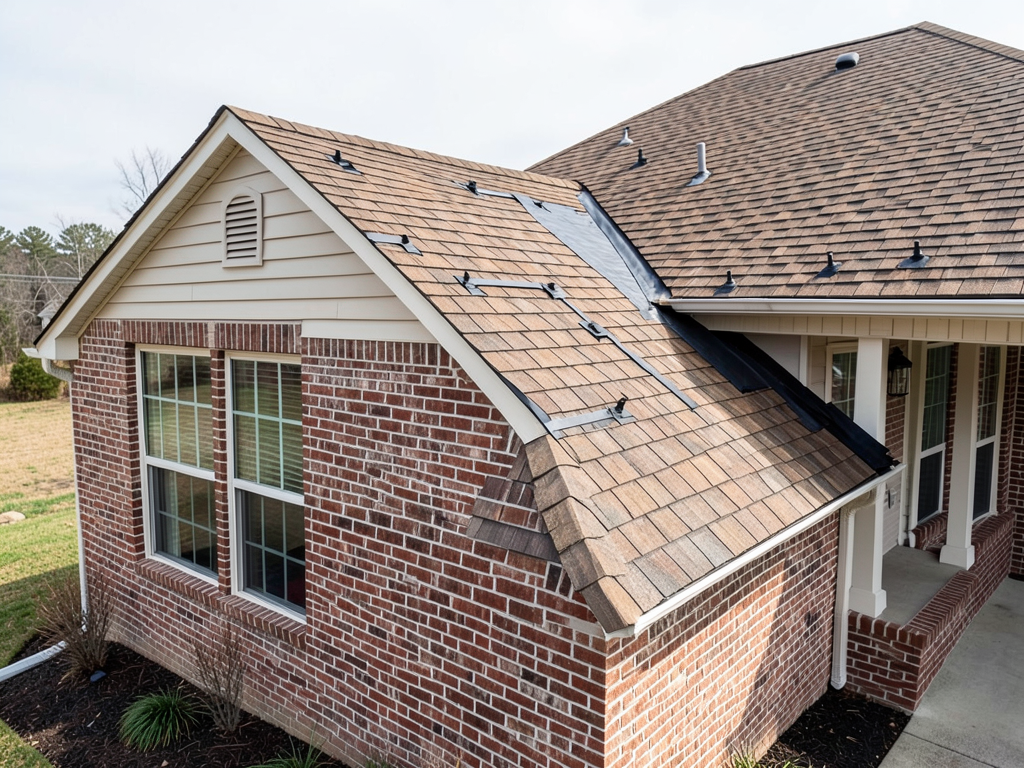
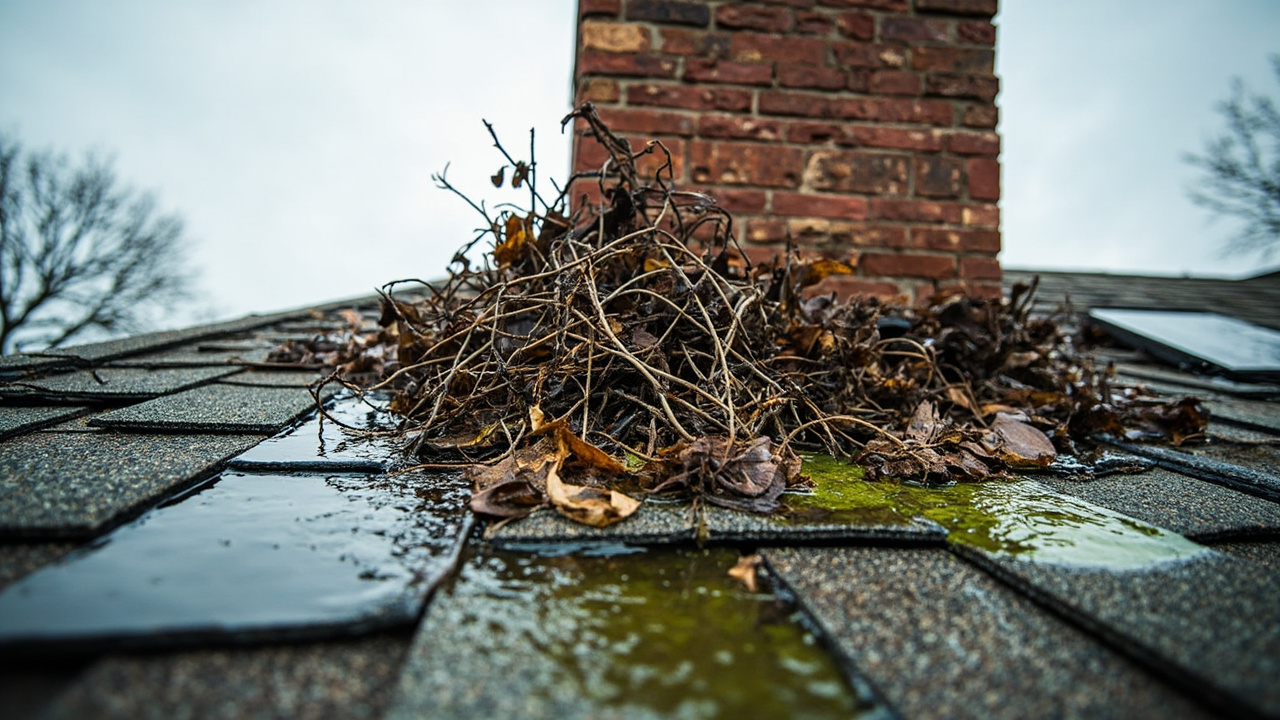
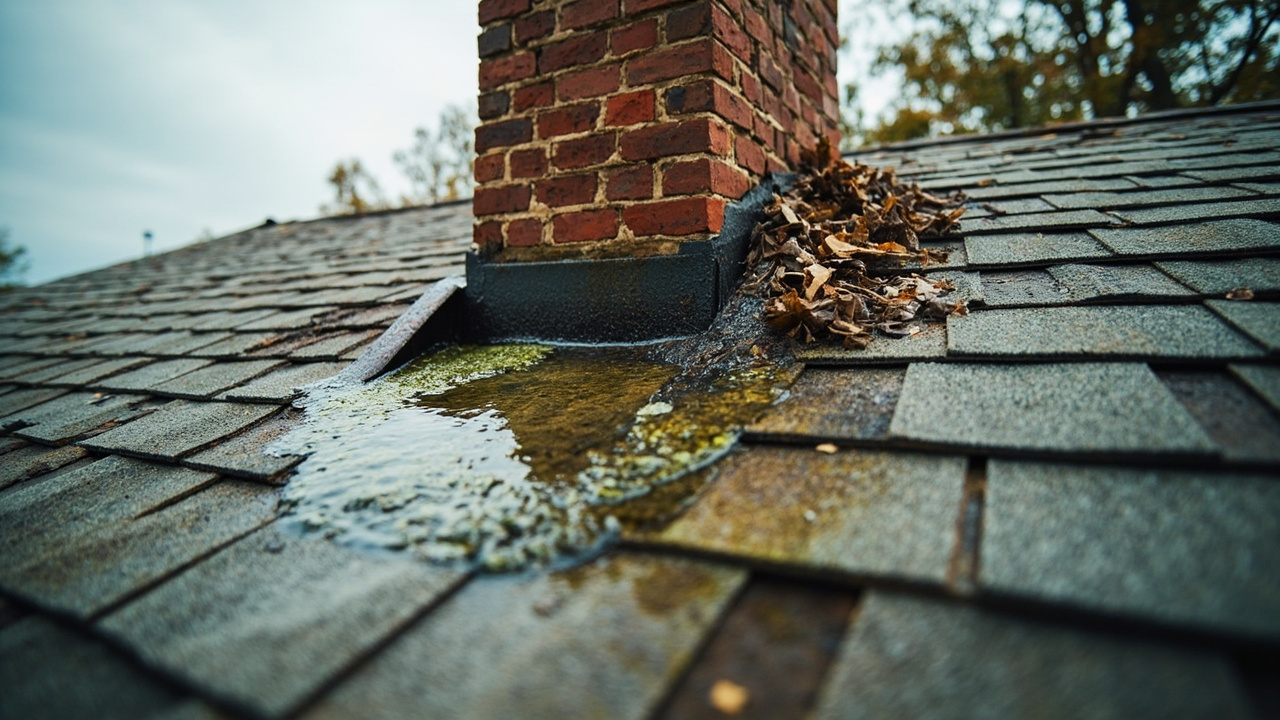
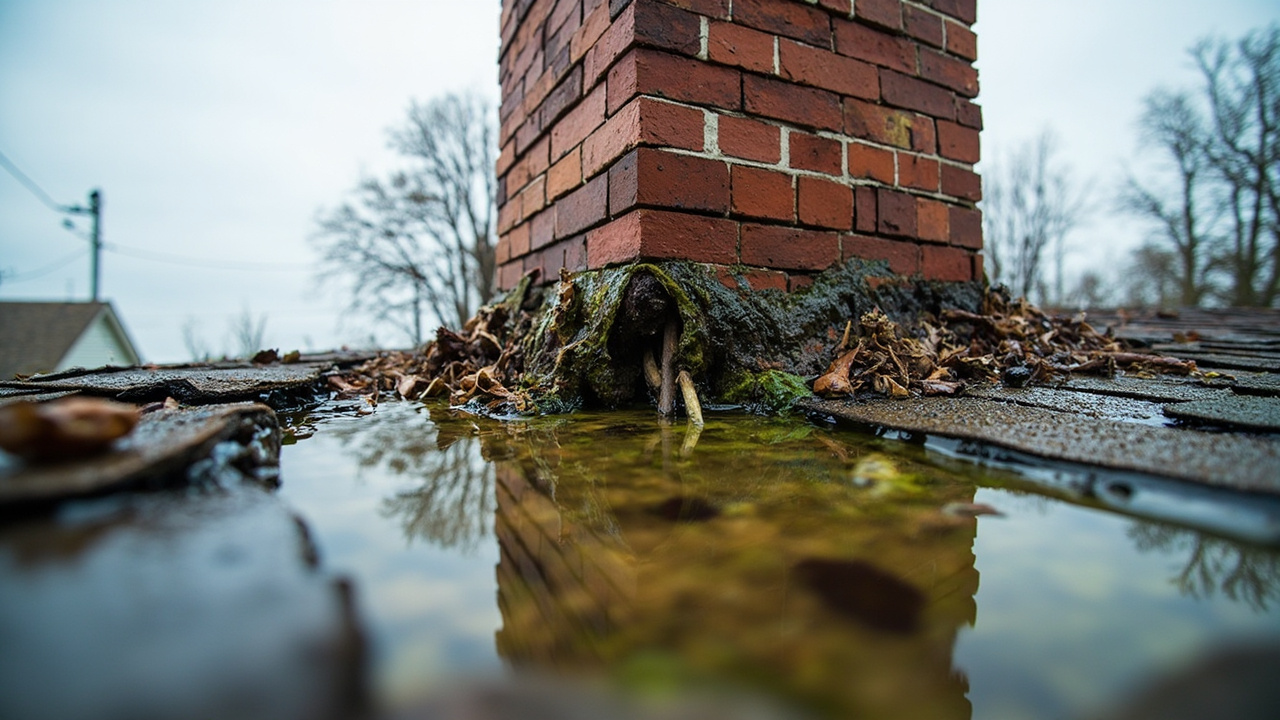
A roof cricket is a small triangular structure built behind your chimney to divert water around it. When the cricket pitch is too shallow or the saddle is improperly framed, water pools instead of flowing to the gutters. Oklahoma City's freeze-thaw cycles make this worse. Water sits on the saddle, freezes overnight, expands into shingles and decking, then thaws and leaks into your home.

Clay soil movement in Oklahoma City causes roof framing to shift. This changes the cricket pitch over time. What started as a four-inch rise can settle to two inches. Now you have roof cricket ponding and chimney saddle water pooling after every storm.

High winds from spring thunderstorms also tear shingles off poorly constructed crickets. The saddle frame is exposed. Rain drives under the remaining shingles. You get chimney diverter leaks that rot the decking and drip into your living room.

Most roofers install crickets to minimum code. They frame a two-by-four saddle with a shallow pitch and call it done. That works until the first hailstorm or heavy rain. Then you have roof saddle drainage failure and expensive interior damage.

You need a cricket built for Oklahoma City weather. That means steeper pitch, proper valley flashing, and a saddle frame that accounts for soil settlement and wind uplift.

Why Roof Crickets Fail in Oklahoma City
How We Fix Roof Cricket Drainage Problems Permanently

How We Fix Roof Cricket Drainage Problems Permanently

We do not patch crickets. We rebuild them correctly.

First, we remove the old cricket and inspect the decking for rot. Most failed crickets have decking damage because water has been pooling for months or years. We cut out damaged plywood and sister new joists if needed. You cannot build a functional cricket on compromised decking.

Next, we frame a new saddle with the correct pitch. Oklahoma City gets heavy rainfall in short bursts. A shallow cricket will not move that water fast enough. We calculate the pitch based on your roof slope and chimney width. Most chimneys need a minimum six-inch rise to prevent ponding. Wider chimneys need more.

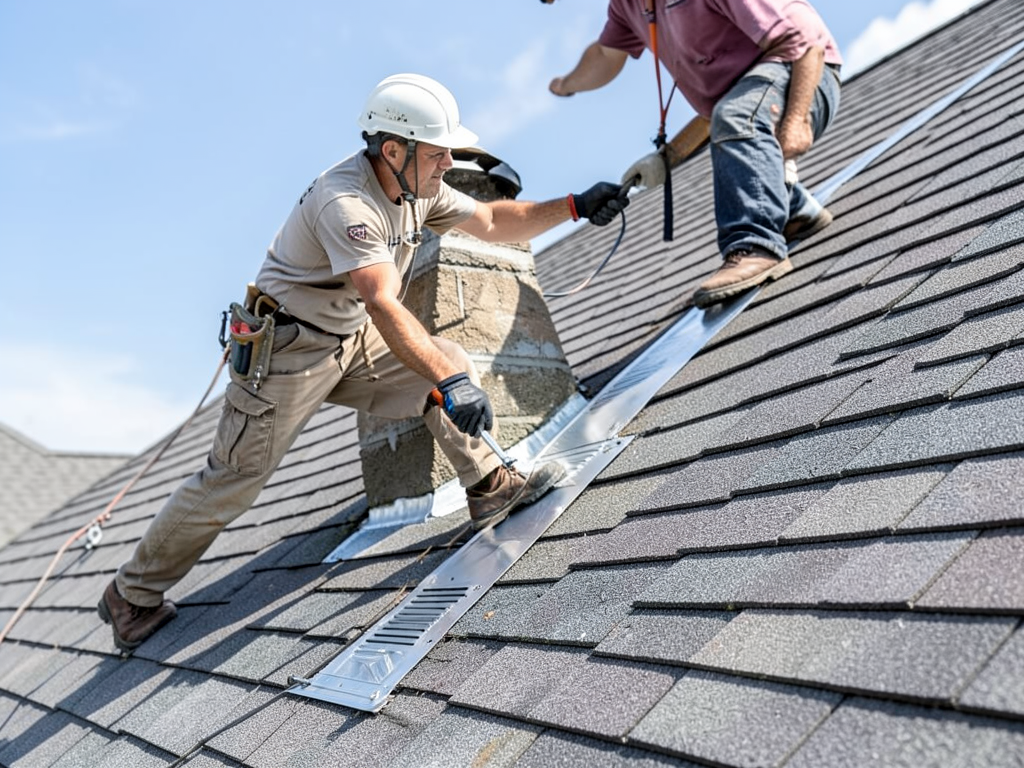
We install ice and water shield on the entire saddle before shingles go down. This is your backup layer. If wind-driven rain gets under a shingle, the shield stops it from reaching the decking. We also install metal step flashing along both sides of the chimney and weave it into the cricket valleys. This channels water away from the chimney base where most leaks start.

We use architectural shingles rated for high wind. Oklahoma City sees 70-mile-per-hour gusts during spring storms. Standard three-tab shingles lift off crickets because the saddle is a high-pressure zone. Wind hits the chimney and accelerates over the cricket. You need shingles with a higher wind rating and proper nailing patterns.

Finally, we seal all penetrations with roofing cement and check the cricket valleys for proper water flow. We pour water on the saddle and watch it move. If it pools, we adjust the pitch before we leave.

What Happens During a Cricket Repair

Roof Cricket Drainage Issues in Oklahoma City – Expert Diagnosis and Permanent Repair Solutions
01

Attic and Roof Inspection

We start in your attic with a flashlight and moisture meter. We check the decking around your chimney for water stains, rot, and mold. We also inspect the cricket from the roof to measure the current pitch and identify shingle damage. This tells us if we need to replace decking or just rebuild the saddle and reflash.
02

Cricket Removal and Framing

We tear off shingles around the chimney and remove the old cricket saddle. If the decking is soft or stained, we cut it out and install new plywood. Then we frame a new saddle with the correct pitch and secure it to the roof joists. We install ice and water shield over the entire saddle before any flashing goes down.
03

Flashing and Final Seal

We install metal step flashing along both sides of the chimney and weave it into the cricket valleys. We shingle the saddle with wind-rated material and seal all edges with roofing cement. Before we leave, we test the cricket with water to confirm drainage flows correctly. No pooling means no future leaks.

Why Oklahoma City Homeowners Trust United Roofing for Cricket Repairs

Most roofers do not understand cricket pitch calculations. They eyeball the saddle, frame it with scrap lumber, and move on. That approach fails in Oklahoma City because our weather is too severe. You need a roofer who understands hydrostatics and wind load.

United Roofing Oklahoma City has rebuilt hundreds of crickets in neighborhoods like Nichols Hills, Mesta Park, and Heritage Hills. We know which chimney styles fail first. Brick chimneys on older homes often have no cricket at all. Stone chimneys on newer builds have shallow crickets that were installed to pass inspection but not to handle real storms.

We also understand how clay soil affects roof framing. Homes in Edmond, Yukon, and Moore sit on expansive clay. When the soil swells after rain, it pushes foundation walls. That movement transfers to the roof framing and changes your cricket pitch. A cricket that drained perfectly in year one can fail in year three because the saddle settled.

Oklahoma City building codes require crickets on chimneys wider than 30 inches. The code does not specify pitch. That means most builders install the shallowest saddle possible to save lumber. We do not build to minimum code. We build to performance standards.

We also know which flashing materials last in Oklahoma heat. Summer roof temperatures hit 160 degrees. Cheap flashing cement cracks and peels. We use high-temperature sealants rated for commercial applications. This matters because cricket valleys take more thermal stress than any other part of your roof.

You are hiring a roofer who has fixed cricket failures caused by other roofers. We know what does not work because we have torn it off and rebuilt it correctly.

What to Expect When You Call United Roofing

Same-Week Inspection Scheduling

We schedule inspections within three business days. If you have active leaking, we prioritize your call and come out faster. Our inspection takes 45 minutes. We check your attic, measure the cricket pitch from the roof, and take photos of any damage. You get a written estimate the same day. We explain what needs replacement and what can stay. No guessing, no upselling.

Thorough Attic and Decking Assessment

We do not quote a cricket repair without checking your attic. Most failed crickets have hidden decking rot. If we find damage, we explain what needs to be cut out and why. We also check for mold growth on the underside of the decking. Mold means water has been pooling for a while. We document everything with photos so you see exactly what we see.

Proper Pitch and Wind-Rated Materials

Your new cricket will have the correct pitch to move water off the saddle in under 10 seconds. We frame the saddle with pressure-treated lumber and secure it to the roof joists with hurricane clips. We install ice and water shield on the entire saddle and use architectural shingles rated for 110-mile-per-hour winds. This is not a cosmetic repair. This is a structural upgrade.

Post-Repair Water Testing

We test every cricket before we leave. We pour water on the saddle and watch it flow down the valleys to the gutters. If we see pooling, we adjust the pitch or add a secondary valley channel. We also seal all flashing edges with high-temperature roofing cement. You get a clean attic, no debris in your yard, and a cricket that will last 20 years.

Frequently Asked Questions

You Have Questions,
We Have Answers

Does rooftop cricket damage roofs? +

Roof crickets do not damage roofs. They protect them. A cricket is a peaked structure installed behind chimneys or large rooftop equipment to divert water away from vulnerable joints. Without a cricket, water pools behind these obstructions during Oklahoma City's heavy spring storms. Standing water accelerates shingle deterioration, rusts flashing, and creates entry points for leaks. The cricket itself is built from the same materials as your roof deck and sheathing. It blends into the roofline and extends roof life by preventing the chronic ponding that causes rot and membrane failure.

What are the signs of a failing roof drain? +

Watch for water stains on interior ceilings near roof penetrations or HVAC units. In Oklahoma City's clay soil environment, foundation shifts can tilt roof planes and worsen drainage issues. You may notice standing water on flat sections after rain, sagging or soft spots in decking, or rust streaks near drains and scuppers. Ice dams during rare winter freezes also signal poor drainage flow. Mold growth in attic spaces or peeling exterior paint below rooflines indicates trapped moisture. If gutters overflow despite being clean, upstream drainage problems may be forcing water to bypass intended channels.

What is a drainage cricket? +

A drainage cricket is a small peaked or ridged structure built on a roof to redirect water flow around obstacles. Think of it as a miniature roof installed behind chimneys, skylights, or HVAC units. The cricket creates a watershed that channels rainwater to either side of the obstruction rather than allowing it to collect behind it. In Oklahoma City, where spring thunderstorms dump heavy rain quickly, crickets prevent the pooling that leads to flashing failure and leak damage. Crickets are typically framed with dimensional lumber, sheathed with plywood, and covered with the same roofing material as the main roof.

When should I consider a roof cricket? +

Consider a roof cricket when you have chimneys wider than 30 inches, large HVAC units, or skylights on low-slope sections. Oklahoma City building codes often require crickets on commercial flat roofs with significant rooftop equipment. If you notice water pooling behind these features after storms, or if you have recurring leaks near chimney flashing despite repeated repairs, a cricket solves the root cause. New construction should include crickets during initial framing. Retrofit crickets become necessary when adding rooftop solar arrays, exhaust fans, or when reroofing older homes that lacked proper drainage design.

How Oklahoma City's Freeze-Thaw Cycles Accelerate Cricket Failures

Oklahoma City averages 15 freeze-thaw cycles per winter. Water pools on a shallow cricket during the day, freezes overnight when temperatures drop to 20 degrees, then thaws the next afternoon. Each cycle expands the water by nine percent, forcing it under shingles and into decking. This is why you see ceiling stains after a cold snap, not during the rain. The damage happened weeks earlier when the water was freezing and thawing on your saddle. Proper cricket pitch and ice and water shield prevent this.

United Roofing Oklahoma City understands the local building environment. We have worked on homes built in the 1920s with no cricket and new construction with code-minimum crickets that failed in three years. We know which neighborhoods have clay soil issues and which have older chimneys with deteriorating mortar that dumps debris into cricket valleys. This local knowledge means we catch problems other roofers miss and build solutions that last through Oklahoma weather extremes.
Roofing Services in The Oklahoma City Area

Our dedicated team is proud to serve homeowners and businesses across the entire Oklahoma City metropolitan area and its surrounding communities. We're committed to bringing our expert roofing services directly to you, no matter where you are in our service radius. We encourage you to contact us to discuss your project, and we will be on our way to assist you with your roofing needs.

Address:
United Roofing Oklahoma City, 5600 N May Ave, Oklahoma City, OK, 73112

Additional Services We Offer

Our news updates

Latest Articles & News from The Blogs

Common Ways New Homeowners Accidentally Void Their Roofing Warranty Your new roof represents a significant investment and the warranty that…

Common Ways New Homeowners Accidentally Void Their Roofing Warranty

Common Ways New Homeowners Accidentally Void Their Roofing Warranty Your new roof represents a significant investment and the warranty that…

How Much Noise Does a Metal Roof Really Make During an Oklahoma Rainstorm?

Is a Metal Roof Too Noisy During Oklahoma Storms? Oklahoma City homeowners considering metal roofing often worry about rain noise.…

Why Your Neighbors Are Choosing Class 4 Shingles Even if They Don't Have Hail Damage

Why Your Neighbors Are Choosing Class 4 Shingles Even if They Don’t Have Hail Damage Oklahoma City homeowners are making…

Contact Us

Call United Roofing Oklahoma City at (405) 507-3933 for a same-week inspection. We will check your attic, measure your cricket pitch, and give you a written estimate the same day. No pressure, no upselling, just honest answers about what your roof needs.