
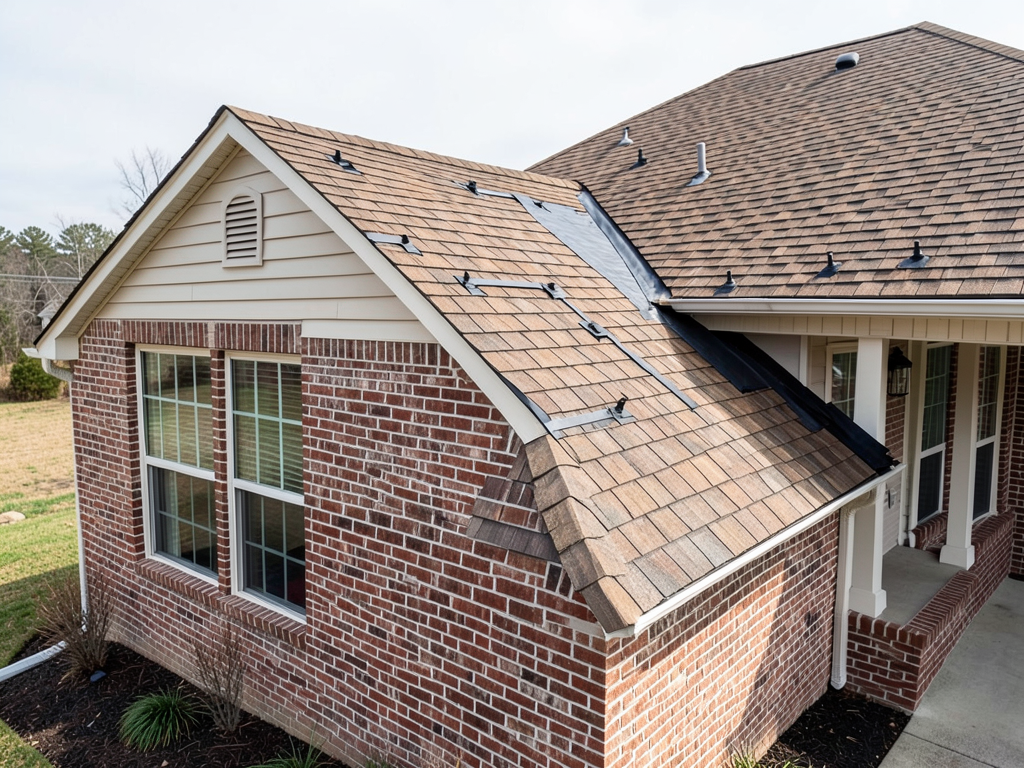
Navigating Strict Roofing Covenants in Newer Edmond Neighborhoods like Twin Bridges
Edmond homeowners face a unique challenge when replacing their roofs. The city’s newer neighborhoods like Twin Bridges enforce strict architectural guidelines through homeowner associations, requiring careful navigation between municipal building codes and private community standards. Understanding these requirements before starting your roofing project can save you months of delays and thousands in unexpected costs. City of Edmond Building Permits.
The intersection of City of Edmond building permits and HOA Architectural Review Committee (ARC) approval creates a two-step process that many contractors overlook. While the city focuses on structural integrity and weather resistance, your HOA cares about maintaining neighborhood aesthetic cohesion. Both approvals are mandatory before any roofing work begins in Twin Bridges and similar developments. Roofing Tulsa.
Recent changes to Oklahoma’s hail resistance standards have added another layer of complexity. The 2026 building code updates now require Class 4 impact-resistant shingles in most new developments, but some HOAs still restrict certain brands or colors that meet these specifications. This creates a compliance puzzle that requires technical knowledge and local experience to solve. Why Local Nichols Hills Residents Choose Our Luxury Roofing Team.
Understanding Edmond’s Dual Approval System
The City of Edmond Building Department handles structural permits based on Oklahoma Uniform Building Code Commission standards. Their requirements focus on wind uplift resistance, proper underlayment installation, and ice and water shield placement. However, these permits alone do not grant permission to proceed with your roofing project. Roofing Norman.
Architectural Review Committees in newer Edmond neighborhoods like Twin Bridges operate under Covenants, Conditions, and Restrictions (CC&Rs) that often predate recent building code changes. These documents specify approved roofing materials, color palettes, and even manufacturer requirements that may conflict with current city standards. Your HOA board has the authority to deny permits that don’t align with their aesthetic vision, regardless of city approval.
The approval process typically takes 30-45 days for ARC review, compared to 5-7 business days for city permits. Starting with your HOA application prevents costly delays where your contractor arrives ready to work but cannot proceed without proper documentation. Many Twin Bridges homeowners learn this lesson the hard way, facing storage fees for delivered materials while waiting for committee approval.
Common Requirements in Twin Bridges CC&Rs
Twin Bridges homeowners association maintains specific requirements that reflect both aesthetic preferences and practical considerations for Oklahoma’s climate. The CC&Rs mandate architectural shingles with minimum 30-year warranties, prohibiting three-tab options regardless of cost savings. This requirement exceeds basic city standards but provides better wind resistance during severe storms.
Color restrictions in Twin Bridges focus on earth tones and muted shades that complement the neighborhood’s brick and stone facades. Bright colors, reflective white shingles, and dark charcoal tones face automatic rejection from the ARC. The approved palette typically includes weathered wood, certain grays, and browns that blend with surrounding properties while maintaining individual character.
Material weight requirements in Twin Bridges CC&Rs specify minimum 200 pounds per square for asphalt shingles, effectively eliminating lighter economy options. This weight requirement provides better wind resistance and longer lifespan in Oklahoma’s extreme temperature variations. Some sections of Twin Bridges also require Class 4 impact resistance, though this conflicts with certain approved color options.
The Architectural Review Committee Process
Submitting your roofing application to the Twin Bridges ARC requires specific documentation that goes beyond basic contractor information. The application packet must include color samples from your chosen manufacturer, material specification sheets showing weight and impact ratings, and photos of existing roof conditions. Missing any of these elements results in automatic rejection and restarts the 30-day review clock.
The ARC meets monthly, typically on the third Tuesday, to review all architectural submissions. Applications submitted after the first Monday of the month enter the following month’s agenda. This timing consideration becomes crucial when coordinating with your contractor’s schedule and material delivery timelines. Rush reviews are not available, even for emergency repairs.
ARC approval requires signatures from at least three board members, with decisions communicated via certified mail. Approved applications receive a permit that must be posted at your property during construction. The ARC also conducts random inspections during roofing installation to verify approved materials are actually used, with violations resulting in stop-work orders and potential fines.
Material Selection for HOA Compliance
Choosing materials that satisfy both city codes and HOA requirements demands careful research. GAF Timberline HDZ shingles often meet Twin Bridges requirements due to their proven performance in Oklahoma’s climate and wide color selection. However, some HOAs restrict this brand in favor of CertainTeed or Owens Corning options based on historical performance data.
Impact resistance creates particular challenges in Edmond neighborhoods. Class 4 shingles provide insurance discounts and meet new building code standards, but some HOAs restrict certain Class 4 options due to limited color availability. The compromise often involves selecting high-quality standard shingles that meet weight requirements while providing adequate storm resistance through proper installation techniques. Insurance Institute for Business & Home Safety.
Synthetic slate and composite materials face strict scrutiny in Twin Bridges. While these options offer superior longevity, their modern appearance conflicts with the neighborhood’s traditional aesthetic guidelines. Approval requires additional documentation showing how the materials will blend with surrounding properties, often necessitating mock-up installations before final approval.
Navigating Insurance and HOA Requirements
Oklahoma insurance companies increasingly require Class 4 impact resistance for coverage in hail-prone areas, creating tension with HOA material restrictions. Some Twin Bridges homeowners discover their insurance carrier requires upgrades that their ARC will not approve, leaving them in coverage limbo. Understanding these conflicts before selecting materials prevents coverage gaps.
Insurance claims for storm damage in Twin Bridges must address both structural requirements and HOA compliance. The city requires specific underlayment and flashing details for permit approval, while your HOA mandates particular materials and colors. Coordinating these requirements with your insurance adjuster ensures the claim covers all necessary upgrades without leaving you responsible for code compliance costs.
Roof age affects both insurance coverage and HOA approval. Twin Bridges CC&Rs require replacement of roofs over 20 years old regardless of visible damage, while insurance companies may only approve partial repairs for hail damage. This discrepancy requires careful negotiation to avoid paying out-of-pocket for upgrades your HOA mandates but your insurance won’t cover. What You Can Expect to Pay for a Roof Replacement in Edmond.
Common Pitfalls and How to Avoid Them
The most frequent mistake in Twin Bridges involves assuming city permit approval equals project authorization. Contractors arriving with city permits but lacking HOA approval face immediate work stoppage and potential fines. Always verify both approvals before scheduling any roofing work, even for emergency repairs.
Color selection represents another common pitfall. Homeowners often choose colors based on small samples or digital renderings, only to discover the full roof installation creates a different visual impact. Twin Bridges ARC requires on-site color verification before final approval, with some applications requiring multiple resubmissions due to color mismatches with surrounding properties.
Material substitution during installation triggers severe consequences in strict HOAs. Twin Bridges monitors material deliveries and on-site usage, with unauthorized substitutions resulting in complete tear-off requirements at the homeowner’s expense. This includes situations where contractors substitute approved materials for cost savings or availability reasons.
Working with Experienced Edmond Contractors
Contractors familiar with Twin Bridges and similar Edmond neighborhoods understand the dual approval process and common pitfalls. They maintain relationships with ARC board members, know typical approval timelines, and understand which materials consistently receive approval. This experience translates to smoother projects and fewer unexpected complications.
Local contractors also understand Edmond’s specific building challenges, including the area’s expansive clay soil that causes foundation movement affecting roof structures. They know proper fastening patterns for Oklahoma’s high winds and understand the importance of ice and water shield in areas prone to sudden temperature changes. This technical knowledge ensures your roof meets both structural and aesthetic requirements.
Insurance coordination represents another advantage of working with experienced local contractors. They understand how to document damage for claims, navigate conflicts between insurance requirements and HOA restrictions, and ensure all work meets both city and community standards. This coordination prevents coverage disputes and ensures your investment is fully protected.
Timeline and Cost Considerations
Roofing projects in Twin Bridges typically require 60-90 days from initial application to completion, compared to 30-45 days in non-HOA areas. This extended timeline accounts for ARC review periods, material ordering for specific colors or brands, and potential resubmission requirements. Planning your project during off-peak seasons can reduce some delays.
Material costs in HOA-restricted neighborhoods often run 15-25% higher than standard roofing options. The combination of specific brand requirements, color restrictions, and Class 4 impact resistance creates a narrower selection of approved materials, reducing competition and increasing prices. However, these premium materials typically provide better longevity and performance in Oklahoma’s climate.
Installation costs in Twin Bridges reflect the additional oversight and compliance requirements. Contractors must maintain detailed documentation, allow for ARC inspections, and ensure all work meets both city and HOA standards. These requirements increase labor costs but provide protection against future disputes and ensure your investment maintains neighborhood value.
Getting Started with Your Twin Bridges Roofing Project
Begin your roofing project by requesting your HOA’s architectural guidelines and recent ARC meeting minutes. These documents reveal current approval trends, common rejection reasons, and any recent policy changes affecting roofing projects. Understanding this context before selecting materials or contractors prevents costly mistakes.
Schedule a consultation with a contractor experienced in Twin Bridges and similar Edmond neighborhoods. They should review your specific CC&Rs, discuss approved material options, and outline the complete approval process including typical timelines and costs. This consultation should include references from other Twin Bridges homeowners who successfully navigated the approval process.
Prepare your ARC application packet thoroughly before submission. Include all required documentation, high-quality material samples, and detailed installation plans. Consider having your contractor review the application before submission to catch potential issues that could cause rejection. A complete, professional application increases approval chances and reduces processing time. High Quality Residential Roofing Services in The Village.
Ready to navigate Twin Bridges HOA requirements for your roofing project? Call (405) 507-3933 today to schedule your consultation with our Edmond roofing specialists who understand local requirements and can guide you through the approval process.
Frequently Asked Questions
How long does it take to get HOA approval for a roof replacement in Twin Bridges?
The Architectural Review Committee typically takes 30-45 days to review roofing applications in Twin Bridges. This timeline can extend if your application requires revisions or if you submit during peak season when the committee has a higher volume of submissions.
Can I use my insurance claim money to upgrade to materials my HOA requires but my policy doesn’t cover?
Yes, but you’ll be responsible for the cost difference between your insurance coverage and HOA requirements. Your contractor should provide detailed estimates showing both the insurance-covered scope and additional HOA-mandated upgrades so you can make informed decisions about out-of-pocket expenses.
What happens if I install a roof without HOA approval in Twin Bridges?
Installing without approval can result in stop-work orders, mandatory tear-off and replacement at your expense, fines from the HOA, and potential legal action. Twin Bridges actively monitors construction and requires permits to be posted during all work, making unpermitted installations easily detectable.
{
“@context”: “https://schema.org”,
“@type”: “BlogPosting”,
“headline”: “Navigating Strict Roofing Covenants in Newer Edmond Neighborhoods like Twin Bridges”,
“description”: “Understanding Edmond HOA roofing rules, permits, and ARC approval processes. Learn about impact-resistant shingles, CC&Rs, and how to get your roof project approved in Twin Bridges and beyond.”,
“wordCount”: 1879,
“datePublished”: “2026-06-09T08:25:00.000Z”,
“dateModified”: “2026-06-09T08:25:00.000Z”,
“inLanguage”: “en-US”,
“mainEntityOfPage”: {
“@type”: “WebPage”,
“@id”: “https://unitedroofingoklahomacity.com”
},
“publisher”: {
“@type”: “LocalBusiness”,
“name”: “United Roofing Oklahoma City”,
“url”: “https://unitedroofingoklahomacity.com”
},
“author”: {
“@type”: “Organization”,
“name”: “United Roofing Oklahoma City”,
“url”: “https://unitedroofingoklahomacity.com”
},
“image”: {
“@type”: “ImageObject”,
“url”: “https://unitedroofingoklahomacity.com/wp-content/uploads/2026/03/navigating-strict-roofing-covenants-in-newer-edmon-1.png”
}
}
{
“@context”: “https://schema.org”,
“@type”: “RoofingContractor”,
“name”: “United Roofing Oklahoma City”,
“url”: “https://unitedroofingoklahomacity.com”,
“address”: {
“@type”: “PostalAddress”,
“addressLocality”: “Oklahoma City”
},
“areaServed”: {
“@type”: “City”,
“name”: “Oklahoma City”
}
}
{
“@context”: “https://schema.org”,
“@type”: “FAQPage”,
“mainEntity”: [
{
“@type”: “Question”,
“name”: “How long does it take to get HOA approval for a roof replacement in Twin Bridges?”,
“acceptedAnswer”: {
“@type”: “Answer”,
“text”: “The Architectural Review Committee typically takes 30-45 days to review roofing applications in Twin Bridges. This timeline can extend if your application requires revisions or if you submit during peak season when the committee has a higher volume of submissions.”
}
},
{
“@type”: “Question”,
“name”: “Can I use my insurance claim money to upgrade to materials my HOA requires but my policy doesn’t cover?”,
“acceptedAnswer”: {
“@type”: “Answer”,
“text”: “Yes, but you’ll be responsible for the cost difference between your insurance coverage and HOA requirements. Your contractor should provide detailed estimates showing both the insurance-covered scope and additional HOA-mandated upgrades so you can make informed decisions about out-of-pocket expenses.”
}
},
{
“@type”: “Question”,
“name”: “What happens if I install a roof without HOA approval in Twin Bridges?”,
“acceptedAnswer”: {
“@type”: “Answer”,
“text”: “Installing without approval can result in stop-work orders, mandatory tear-off and replacement at your expense, fines from the HOA, and potential legal action. Twin Bridges actively monitors construction and requires permits to be posted during all work, making unpermitted installations easily detectable.”
}
}
]
}
{
“@context”: “https://schema.org”,
“@type”: “BreadcrumbList”,
“itemListElement”: [
{
“@type”: “ListItem”,
“position”: 1,
“name”: “Home”,
“item”: “https://unitedroofingoklahomacity.com”
},
{
“@type”: “ListItem”,
“position”: 2,
“name”: “Blog”,
“item”: “https://unitedroofingoklahomacity.com/blog”
},
{
“@type”: “ListItem”,
“position”: 3,
“name”: “Navigating Strict Roofing Covenants in Newer Edmond Neighborhoods like Twin Bridges”
}
]
}
{
“@context”: “https://schema.org”,
“@type”: “Service”,
“serviceType”: “Roofing”,
“provider”: {
“@type”: “LocalBusiness”,
“name”: “United Roofing Oklahoma City”,
“url”: “https://unitedroofingoklahomacity.com”
},
“areaServed”: {
“@type”: “City”,
“name”: “Oklahoma City”
},
“description”: “Understanding Edmond HOA roofing rules, permits, and ARC approval processes. Learn about impact-resistant shingles, CC&Rs, and how to get your roof project approved in Twin Bridges and beyond.”
}