menu

Granules in Gutter Oklahoma City – Expert Diagnosis Stops Costly Roof Damage

Finding shingle grit in gutters signals serious roofing problems that demand professional evaluation. Our team identifies the root cause and delivers the correct repair to protect your Oklahoma City home.

Slider Image 1
Slider Image 2
Slider Image 3
Slider Image 4
Slider Image 5
Slider Image 7
Slider Image 8
Slider Image 9
Slider Image 10
Slider Image 11

Why Asphalt Shingle Particles Keep Appearing in Your Oklahoma City Gutters

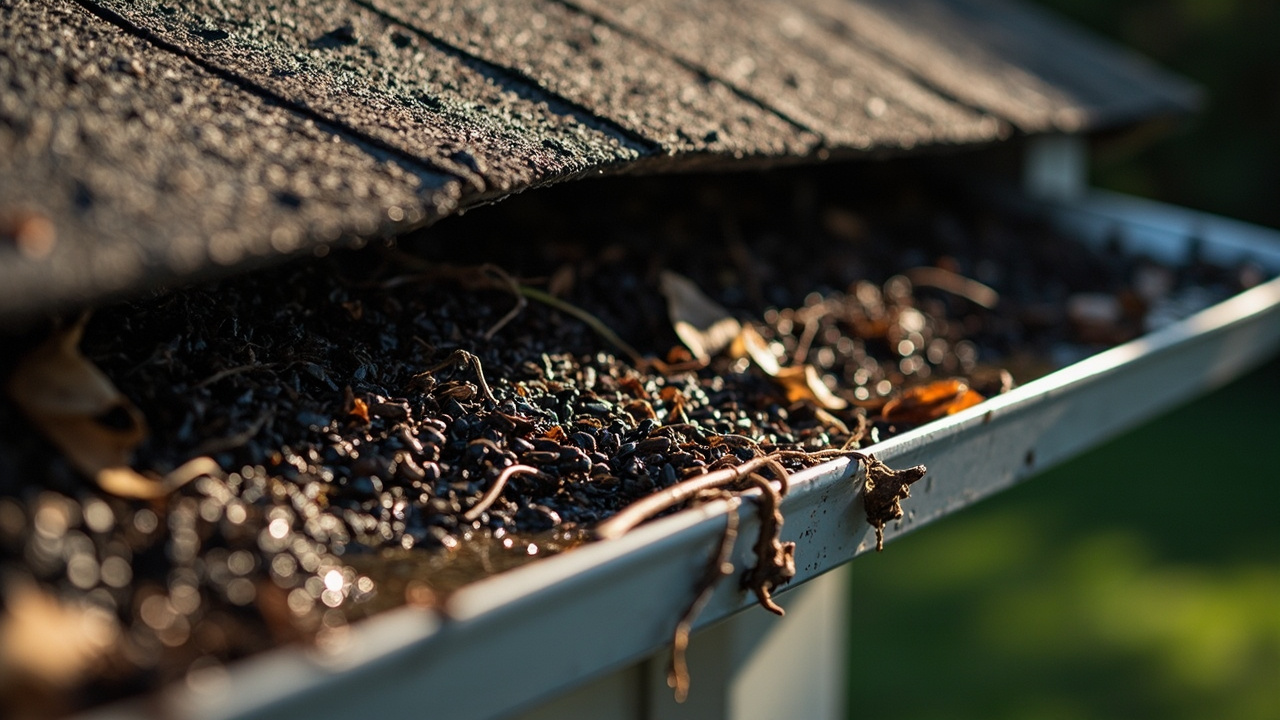
You clean your gutters and find a sandy, gritty substance coating the bottom. Within weeks, the roof sand in gutters reappears. This cycle frustrates homeowners across Oklahoma City, but the problem signals more than a maintenance nuisance.

Asphalt shingle particles protect your roof from UV damage and water penetration. When these granules wash away, your shingles become vulnerable. Oklahoma City's climate accelerates this degradation through intense summer heat, severe thunderstorms, and occasional hail strikes that pummel roofing materials year-round.

New roofs shed some loose granules in downspouts during the first year as manufacturing residue washes away. This is normal. What concerns us is persistent shingle sediment from an established roof, which indicates accelerated wear, improper installation, or storm damage.

The clay soil common throughout the Oklahoma City metro expands and contracts with moisture changes, creating structural stress that transfers to your roof deck. This movement, combined with wind gusts during spring tornado season, loosens shingles and dislodges protective granules faster than in more stable climates.

Temperature swings matter too. When Oklahoma City experiences freeze-thaw cycles in winter, ice forms under shingle edges and lifts the material. As temperatures rise, thermal expansion stresses the asphalt base layer, causing granules to separate and wash into your gutter system during the next rain event.

Ignoring shingle grit in gutters leads to exposed asphalt, which deteriorates rapidly under direct sunlight. Once the asphalt layer fails, water penetrates the roof deck and enters your attic space. What starts as gritty gutters becomes water stains on ceilings, mold growth in insulation, and structural rot in roof decking.

Why Asphalt Shingle Particles Keep Appearing in Your Oklahoma City Gutters
How We Diagnose the Real Problem Behind Granule Loss

How We Diagnose the Real Problem Behind Granule Loss

Most homeowners assume granule loss means they need a complete roof replacement. That assumption costs thousands in unnecessary expenses. Our diagnostic approach determines whether you need targeted repairs, partial replacement, or full replacement based on actual roof condition.

We start with a visual inspection of your gutter contents. The volume, distribution pattern, and color of shingle sediment tell us where to focus our roof assessment. Heavy granule loss concentrated in one area suggests localized damage from a fallen tree limb or isolated hail strike. Uniform distribution across all downspouts indicates system-wide aging or a manufacturing defect.

Next, we climb onto your roof to examine shingle condition directly. We look for bald spots where granules have completely worn away, exposing the black asphalt underneath. We check for curling edges, cracked shingles, and missing tabs. We inspect flashing around chimneys, vents, and valleys where water concentrates and accelerates wear.

We measure remaining granule density by running our hands across shingle surfaces. Healthy shingles feel rough and textured. Failing shingles feel smooth and slick. We document our findings with photos that show you exactly what we see, eliminating guesswork from the decision process.

Temperature matters during inspection. We avoid walking on roofs during extreme heat when asphalt becomes soft and susceptible to damage from foot traffic. We schedule assessments during moderate temperatures to protect your existing roofing material while we evaluate its condition.

We also examine your attic space for water intrusion signs. Stains on roof decking, wet insulation, or mold growth confirm that granule loss has progressed to active leaking. This interior assessment determines repair urgency and helps us prioritize which sections demand immediate attention versus future monitoring.

What Happens During Your Granule Loss Assessment

Granules in Gutter Oklahoma City – Expert Diagnosis Stops Costly Roof Damage
01

Initial Gutter Examination

We collect samples of asphalt shingle particles from your gutters and downspouts to assess volume, color consistency, and granule size. This material analysis reveals whether you are experiencing normal aging, accelerated wear from Oklahoma City weather extremes, or premature failure from defective materials. We photograph the sediment against a reference scale to document baseline conditions for future comparison.
02

Comprehensive Roof Surface Inspection

Our technicians walk every section of your roof to identify areas with advanced granule loss, checking shingle adhesion, examining flashing integrity, and testing for soft spots that indicate underlying deck damage. We use moisture meters to detect hidden water intrusion before it becomes visible inside your home. We document all findings with detailed photos and measurements that support our repair recommendations.
03

Detailed Recommendation Report

You receive a written assessment that explains what caused your granule loss, which roof sections need immediate repair versus future monitoring, and realistic timelines for each recommendation. We provide multiple solution options with transparent explanations of how each approach addresses your specific problem. No pressure tactics, no inflated estimates, just clear information that helps you make an informed decision about your Oklahoma City home.

Why Oklahoma City Homeowners Choose Local Roofing Expertise

National roofing chains send sales representatives who follow scripts and push one-size-fits-all solutions. They lack the local knowledge to distinguish between normal wear patterns in Oklahoma City and damage requiring immediate intervention. This knowledge gap costs you money through unnecessary replacements or delayed repairs that allow minor problems to become major disasters.

Our team understands how Oklahoma City's weather patterns affect different roofing materials. We know that southwest-facing slopes deteriorate faster from intense afternoon sun exposure. We recognize hail damage patterns from spring storms that sweep through the metro area. We account for wind uplift forces during severe weather events that stress shingle adhesion beyond manufacturer specifications.

We also navigate local building codes and permit requirements that national companies often overlook. Oklahoma City requires permits for roof replacements, and inspections verify proper installation techniques. We handle this paperwork and coordinate with city inspectors, ensuring your project meets compliance standards without delays or surprises.

Our relationships with local suppliers give you access to materials suited for Oklahoma weather extremes. We stock shingles rated for high wind zones and impact resistance standards that protect against hail damage. These specifications matter more in tornado-prone regions than in areas with gentler climates.

Insurance claims represent another area where local expertise protects your interests. We document storm damage using terminology and photographic standards that insurance adjusters recognize. We attend adjuster meetings to advocate for complete coverage of legitimate damage. We know which local adjusters accept which documentation formats, streamlining your claim process.

Response time matters when you discover roof damage. We dispatch from Oklahoma City, not from a regional hub three hours away. When severe weather strikes and multiple homeowners need emergency tarping or temporary repairs, we prioritize our existing customers and neighborhood relationships over random service calls from distant ZIP codes.

What to Expect When You Schedule Your Roof Assessment

Rapid Response Scheduling

We schedule most inspections within 48 hours of your initial call. Emergency situations involving active leaks receive same-day response when you contact us before noon. Our inspection appointments include two-hour arrival windows, and we call 30 minutes before arrival to confirm you are home. The assessment itself takes 45 to 90 minutes depending on roof size and complexity. You receive preliminary findings on-site, followed by a detailed written report within 24 hours.

Thorough Diagnostic Process

Our assessment includes gutter examination, complete roof surface inspection, attic moisture detection, and flashing integrity testing. We use calibrated moisture meters to detect hidden water intrusion before it causes visible interior damage. We photograph all problem areas with reference markers that show exact locations and damage extent. We test shingle adhesion by lifting tabs to check seal integrity. You receive copies of all documentation, including annotated photos that clearly show identified problems and their locations on your roof structure.

Clear Repair Recommendations

We provide written recommendations that explain exactly what needs repair, why the problem occurred, and how the proposed solution prevents recurrence. Each recommendation includes a scope of work description, material specifications, and realistic timeline. We offer multiple solution tiers when appropriate, explaining the longevity and cost difference between basic repairs and premium approaches. You will never receive vague estimates or pressure to decide immediately. Our recommendations remain valid for 30 days, giving you time to compare options.

Post-Repair Monitoring

After completing repairs, we schedule a follow-up inspection during the next heavy rain to verify proper water drainage and confirm no new leaks have developed. We provide maintenance recommendations specific to your roof type and age, including optimal gutter cleaning frequency and signs that warrant professional re-inspection. We maintain detailed service records for your property, allowing us to track wear patterns over time and provide accurate forecasts for future maintenance needs. You receive direct contact information for our service manager, ensuring quick response if questions arise after project completion.

Frequently Asked Questions

You Have Questions,
We Have Answers

Is it normal to have shingle granules in the gutter? +

Yes, some granule loss is normal, especially on newer roofs. You will see granules in gutters during the first few months after installation as loose manufacturing residue washes off. Oklahoma City's intense summer sun and frequent hailstorms accelerate natural aging, so older roofs shed granules more over time. However, heavy accumulation signals accelerated wear. If you see bald patches on shingles or thick piles of granules after every rain, your roof may be failing. The key is quantity. A few granules are fine. Cups full per downspout means trouble. Get a professional inspection if you are unsure.

How much granule loss is too much? +

You have too much granule loss when bald spots expose the asphalt mat underneath your shingles. If you can see black asphalt or fiberglass backing, UV protection is gone and leaks are imminent. In Oklahoma City, where summer temps hit 100 degrees and hail is common, exposed asphalt deteriorates fast. A good rule is the quarter test. If bald areas are larger than a quarter, or you have multiple spots across your roof, you need immediate action. Heavy granule piles in gutters after every storm also signal critical wear. Do not wait for leaks to form.

Are gutter hedgehogs a good idea? +

Gutter hedgehogs work well for light debris like leaves and pine needles, but they struggle with Oklahoma City's heavy spring pollen and storm debris. Hedgehogs sit inside gutters and allow water to flow underneath while trapping larger material on top. The problem is maintenance. You still need to clean them, and trapped granules mixed with organic matter create sludge that blocks water flow. During our intense spring thunderstorms, hedgehogs can shift or float, reducing effectiveness. They are a budget option but not a permanent fix for homes with aging roofs shedding granules constantly.

Why is there gravel in my gutters? +

That gravel is actually ceramic-coated granules from your asphalt shingles. Manufacturers embed these granules into the shingle surface to protect the asphalt from UV damage and add fire resistance. When shingles age, granules loosen and wash into gutters during rain. Oklahoma City's extreme temperature swings, from freezing winters to scorching summers, cause shingles to expand and contract, weakening the bond. Hail strikes also knock granules loose. If you see large amounts, your shingles are losing their protective layer. The asphalt underneath degrades quickly once exposed, leading to cracks, leaks, and eventual roof failure.

Is granular loss covered by insurance? +

Granule loss itself is usually not covered because insurers consider it normal wear and tear. However, if hail or wind caused the loss, your claim may be approved. Oklahoma City sits in a high-risk hail zone, so documentation matters. Take photos immediately after storms showing granule accumulation and shingle damage. Insurers look for impact marks, bruising, and denting on shingles and flashing. If your roof is older, insurers may depreciate the claim or deny it entirely due to age. Always get a professional inspection after severe weather to document storm damage before granules wash away completely.

How to tell if a roofer is lying? +

A dishonest roofer will push for full replacement when repairs would work. Red flags include refusing to show you actual damage, pressuring immediate decisions, or offering to waive your insurance deductible, which is illegal. In Oklahoma City, storm chasers appear after every hail event, knocking doors with scare tactics. Ask for specific damage locations and inspect them yourself. A trustworthy roofer provides detailed photos, explains the scope clearly, and gives you time to decide. Check their local business history, not just online reviews. If they cannot explain why granule loss requires replacement, get a second opinion.

Does granular loss mean I need a new roof? +

Not always. Granule loss means your shingles are aging, but the decision depends on how much protection remains. If loss is isolated to a few shingles near roof penetrations or valleys, repairs may suffice. However, widespread bald spots across multiple roof planes mean replacement is necessary. Oklahoma City's climate accelerates deterioration once granules are gone. Exposed asphalt bakes under summer heat, cracks form, and leaks follow within months. If your roof is over 15 years old with significant granule loss, replacement is the smarter investment. Patching an aging roof just delays the inevitable and risks interior water damage.

What does granular loss look like? +

Granule loss appears as dark streaks or patches on your shingles where the colored ceramic coating has worn away, exposing black asphalt underneath. From the ground, look for shingles that appear lighter, faded, or inconsistent in color compared to surrounding areas. In gutters, you will see sand-like material in various colors matching your shingles. After Oklahoma City storms, check downspouts for heavy granule deposits. On the roof itself, run your hand over shingles. If granules come off easily or the surface feels smooth instead of gritty, protective loss is severe. Bald shingles look shiny when wet.

How old may a roof be before insurance claims it's too old? +

Most Oklahoma insurers consider roofs over 20 years old to be at the end of their useful life. After 15 years, many carriers switch from replacement cost coverage to actual cash value, meaning they depreciate your roof age when paying claims. Some insurers refuse to write new homeowner policies if your roof is older than 15 years without a recent inspection. Oklahoma City's hail exposure makes insurers stricter. If your roof is approaching these age thresholds, document its condition annually. Proactive replacement before the 15-year mark protects your insurability and avoids depreciated claim payouts during storm damage.

What are the negatives of hedgehogs? +

Gutter hedgehogs trap debris on top but create maintenance headaches underneath. Granules and fine sediment slip past the bristles and settle at the gutter bottom, forming concrete-like sludge when mixed with water. This sludge blocks drainage and causes overflow during Oklahoma City's heavy spring rains. Hedgehogs also retain moisture, promoting rust in metal gutters and encouraging mosquito breeding in stagnant water. They shift during high winds or ice, leaving sections unprotected. You still need to remove and clean them periodically, which is awkward. For homes with significant granule shedding, hedgehogs just hide the problem instead of solving it.

How Oklahoma City Storms Accelerate Granule Loss on Asphalt Shingles

Oklahoma City experiences some of the most severe weather in the continental United States, with an average of 50 thunderstorm days per year and frequent large hail events during spring months. These storms deliver intense rainfall rates that exceed four inches per hour, creating hydraulic forces that strip loose granules from shingle surfaces and flush them directly into gutter systems. The combination of high winds, heavy rain, and occasional hail strikes subjects Oklahoma City roofs to stress levels that exceed normal wear expectations, making professional assessment critical when you notice persistent shingle sediment accumulation in your gutters.

United Roofing Oklahoma City maintains detailed records of storm patterns and damage trends across different neighborhoods in the metro area. We know which subdivisions experienced hail damage during specific storm events, and we track how various shingle brands perform under Oklahoma weather extremes. This local knowledge allows us to distinguish between normal aging and storm damage when we inspect your roof, ensuring accurate insurance documentation if your granule loss resulted from a covered weather event rather than simple wear and tear.

Roofing Services in The Oklahoma City Area

Our dedicated team is proud to serve homeowners and businesses across the entire Oklahoma City metropolitan area and its surrounding communities. We're committed to bringing our expert roofing services directly to you, no matter where you are in our service radius. We encourage you to contact us to discuss your project, and we will be on our way to assist you with your roofing needs.

Address:
United Roofing Oklahoma City, 5600 N May Ave, Oklahoma City, OK, 73112

Additional Services We Offer

Our news updates

Latest Articles & News from The Blogs

Common Ways New Homeowners Accidentally Void Their Roofing Warranty Your new roof represents a significant investment and the warranty that…

Common Ways New Homeowners Accidentally Void Their Roofing Warranty

Common Ways New Homeowners Accidentally Void Their Roofing Warranty Your new roof represents a significant investment and the warranty that…

How Much Noise Does a Metal Roof Really Make During an Oklahoma Rainstorm?

Is a Metal Roof Too Noisy During Oklahoma Storms? Oklahoma City homeowners considering metal roofing often worry about rain noise.…

Why Your Neighbors Are Choosing Class 4 Shingles Even if They Don't Have Hail Damage

Why Your Neighbors Are Choosing Class 4 Shingles Even if They Don’t Have Hail Damage Oklahoma City homeowners are making…

Contact Us

Stop wondering whether shingle grit in your gutters means trouble. Call (405) 507-3933 now to schedule your comprehensive roof assessment. We will determine the cause, explain your options, and provide honest recommendations that protect your Oklahoma City home without unnecessary expenses.