Proper roof ventilation operates on thermodynamics and pressure differentials. Hot air rises because it becomes less dense than surrounding cooler air. An attic ventilation guide starts with calculating the net free area, the actual opening size after accounting for screens and louvers that restrict airflow.
Building codes require one square foot of net free area for every 150 square feet of attic space, but this assumes balanced intake and exhaust. If you install ridge vents without adequate soffit intake vents, the system cannot function properly. Air needs an entry point and an exit point to create the convective loop that removes heat and moisture.
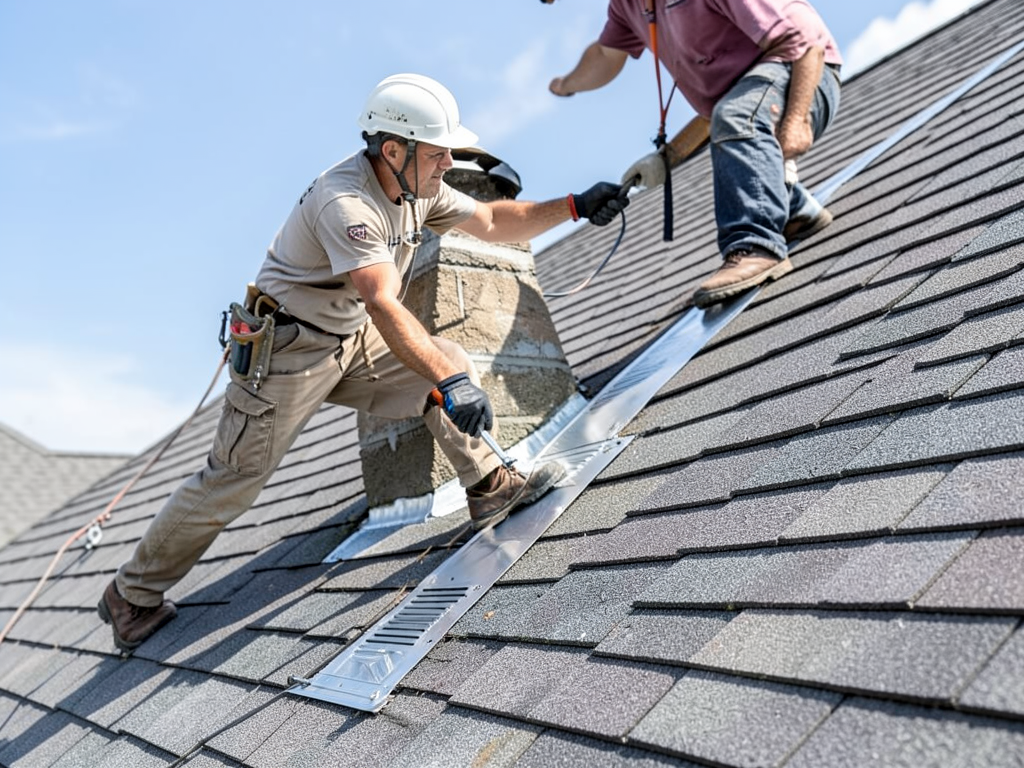
Ridge vents work well in Oklahoma City because they run the entire length of the roof peak, providing continuous exhaust along the hottest part of the structure. Combined with continuous soffit vents, they create an efficient chimney effect. Air enters cool at the eaves, travels up the underside of the roof deck absorbing heat and moisture, then exits at the ridge.
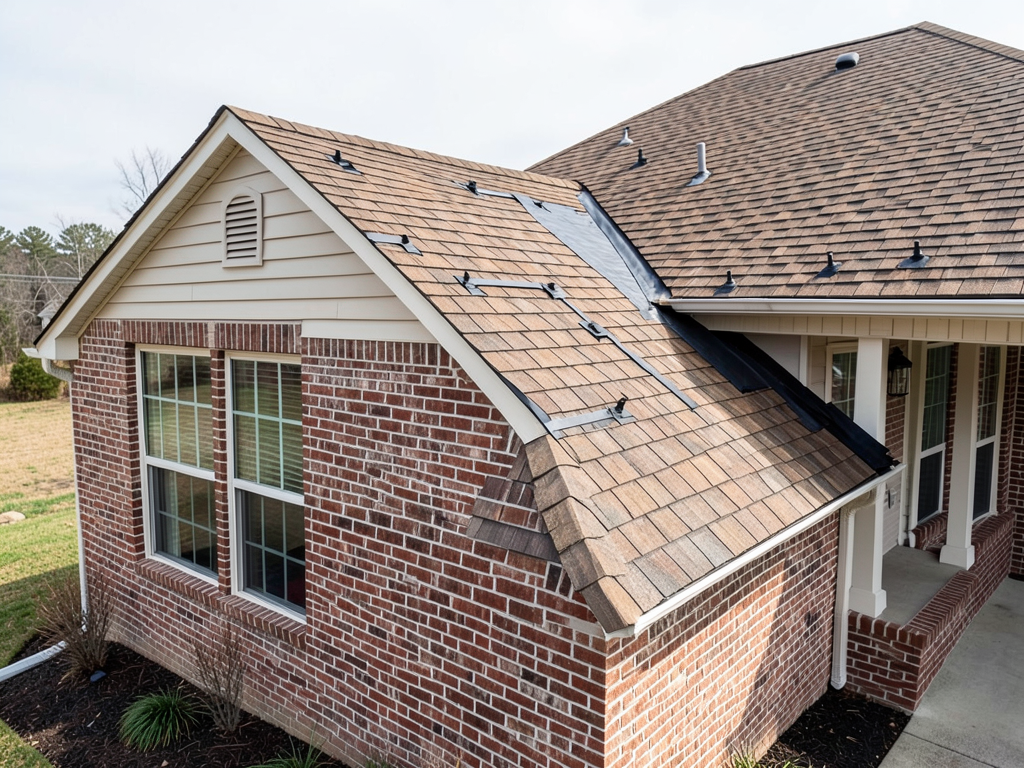
Gable vents alone rarely provide adequate ventilation because they depend on wind direction. When wind blows parallel to the roof ridge, gable vents create minimal air movement. Turbine vents generate movement through wind power, but they stop working on calm days when heat buildup peaks.
Power attic ventilators use fans to force air exchange, but they often create more problems than they solve. These fans can pull conditioned air from the living space through ceiling penetrations, depressurize the attic enough to draw moisture-laden air through insulation, and waste electricity running continuously during summer months.
Understanding roof airflow means matching the ventilation strategy to the roof design. Hip roofs need different solutions than gable roofs. Cathedral ceilings require baffles to maintain an air channel between insulation and roof deck. Each home needs a customized approach based on its specific geometry and existing ventilation infrastructure.