

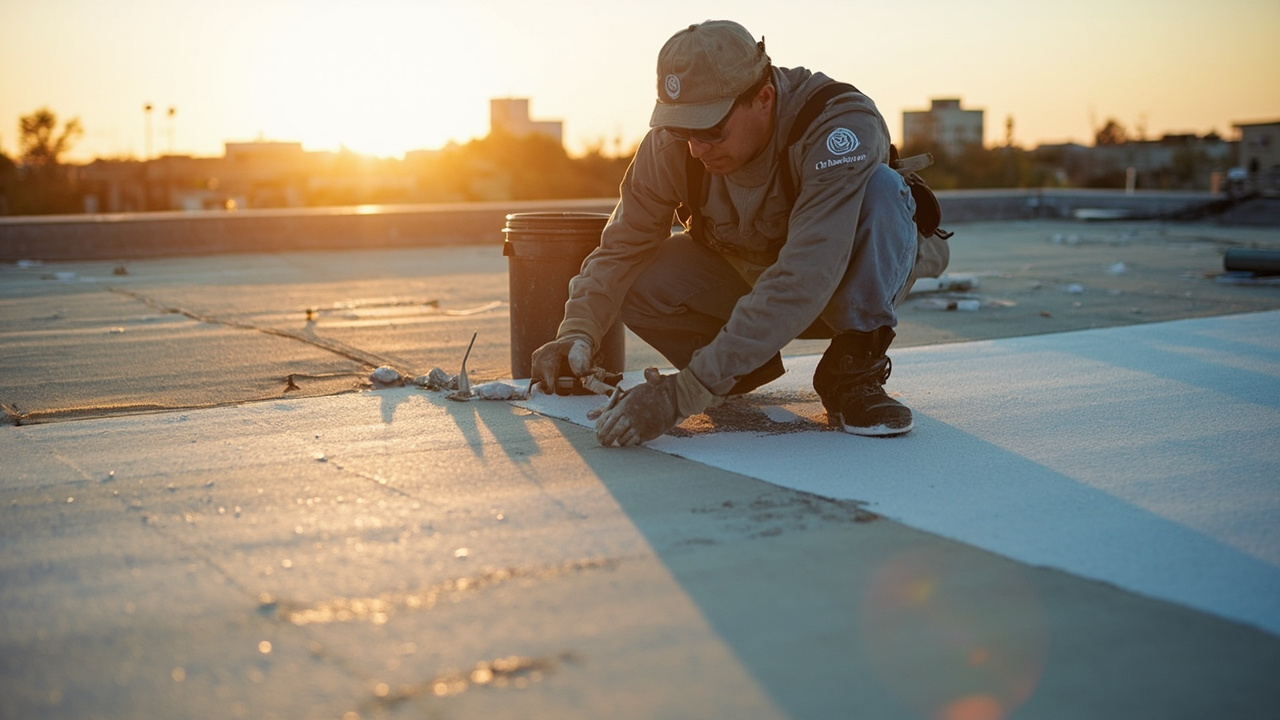
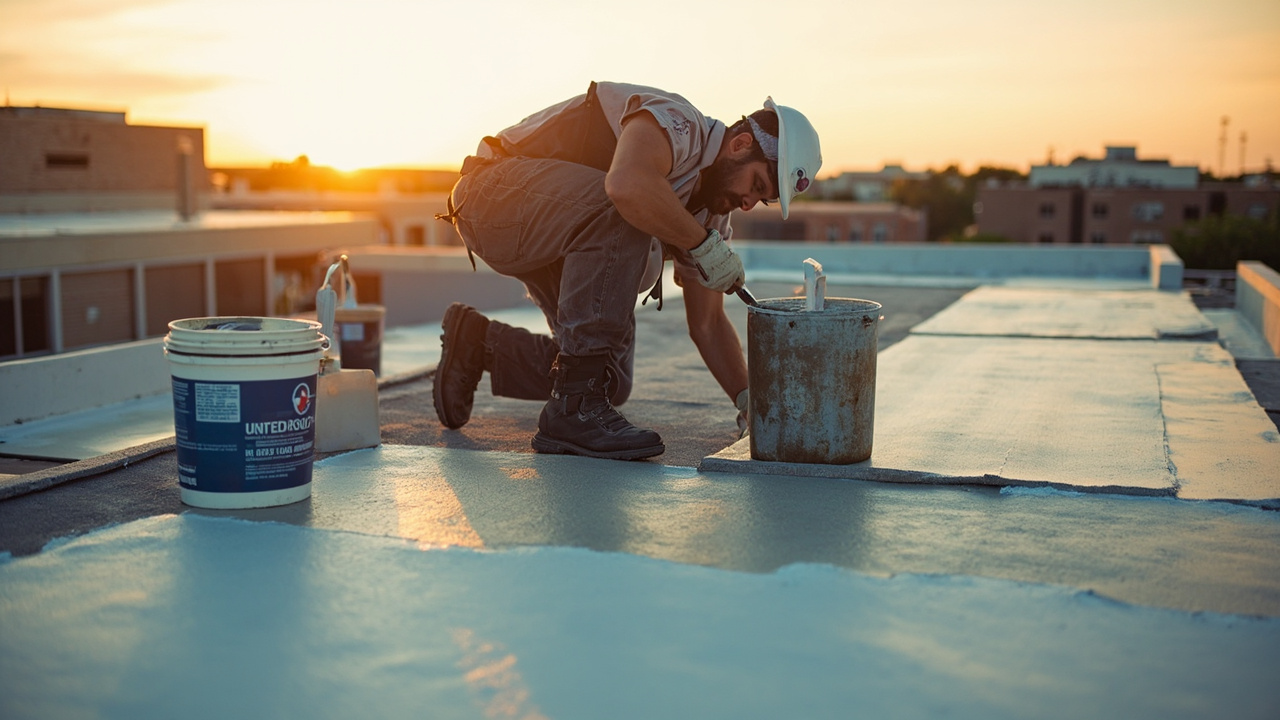

Oklahoma City ranks among the top 10 U.S. cities for hail frequency, with an average of six events annually producing stones larger than one inch in diameter. Commercial flat roofs absorb direct impact without the deflection that sloped roofs provide. TPO and EPDM membranes show bruising and punctures after hail events, while built-up roofing loses aggregate protection that shields asphalt layers from UV degradation. The I-40 corridor and Airport Industrial District see concentrated hail damage because storms track northeast across these areas. Commercial roof coating services applied after proper substrate repair create impact-resistant barriers that absorb hail energy and prevent punctures that compromise waterproofing integrity.
Oklahoma City's Commercial Building Code adopts International Building Code provisions with amendments specific to the region's wind and hail exposure. The Building Safety Department requires FM-approved roofing systems for structures over 10,000 square feet in designated wind zones. These approvals verify that roof assemblies resist uplift forces during severe weather. First Choice Roofing Atlanta uses FM-certified materials and follows installation standards that meet or exceed these requirements. Our familiarity with Oklahoma City's permit process and inspection protocols prevents project delays. When your facility needs occupancy certificates or insurance compliance documentation, we provide the technical specifications and test data that satisfy both city inspectors and commercial insurance underwriters.