menu

Commercial Roof Replacement in Oklahoma City – Minimize Downtime and Protect Your Business Operations

Fast-track commercial roof installation and industrial roof replacement that keeps your Oklahoma City facility operational while we deliver code-compliant, weather-resistant systems built for the metro's severe storm season and temperature swings.

Slider Image 1
Slider Image 2
Slider Image 3
Slider Image 4
Slider Image 5
Slider Image 7
Slider Image 8
Slider Image 9
Slider Image 10
Slider Image 11

Why Oklahoma City Commercial Buildings Require Specialized Roof Replacement

Oklahoma City's volatile weather patterns create accelerated roof degradation for commercial properties. Your building endures temperature swings exceeding 60 degrees within 24 hours, hailstorms with golf ball-sized ice, and wind gusts that regularly exceed 40 mph during spring storm season. These conditions destroy membrane seams, crack TPO welds, and rip modified bitumen layers from substrate decking.

Commercial flat roof replacement demands different engineering than residential projects. Your facility requires load-bearing calculations for HVAC units, proper drainage design to prevent ponding water, and fire-rated assemblies that meet IBC compliance for Oklahoma County. A warehouse roof failure does not just create water damage. It halts production lines, damages inventory, triggers insurance claims, and exposes you to potential liability if employees work under compromised structural conditions.

Industrial roof replacement in this metro area must account for the clay soil's expansive properties. As the ground shifts during wet and dry cycles, it stresses building frames and transfers movement into roof systems. Commercial reroofing contractors who ignore this localized issue install systems that fail prematurely at parapet walls and expansion joints.

The timeline matters for your operation. Every day your commercial building roof replacement extends means lost productivity, interrupted workflows, and potential revenue loss. You need a contractor who phases work to keep critical areas functional, schedules around your business hours, and completes tear-off and installation with minimal disruption to daily operations.

Why Oklahoma City Commercial Buildings Require Specialized Roof Replacement
Our Commercial Roof Replacement Methodology

Our Commercial Roof Replacement Methodology

We begin every commercial roof installation with infrared scanning and core sampling to map moisture intrusion zones. This diagnostic phase identifies saturated insulation that adds dead load to your structure and pinpoints exactly where membrane failure occurred. You receive a detailed moisture map that shows which sections require full tear-off versus areas where recover systems remain viable.

Our commercial reroofing process incorporates structural load analysis before material selection. We calculate your existing dead load, verify deck fastener patterns meet current wind uplift requirements for Oklahoma City's 90 mph design wind speed, and determine whether your substrate can support additional layers or requires complete removal to base deck. This engineering step prevents future failures and ensures code compliance with Oklahoma's adopted IBC provisions.

Material selection focuses on lifecycle performance rather than initial installation cost. We specify single-ply membranes with factory-applied fleece backing for superior puncture resistance, self-adhering modified bitumen for high-traffic roof areas, or fluid-applied systems for complex geometries with multiple penetrations. Each system gets tailored to your building's use profile, maintenance capabilities, and expected service life.

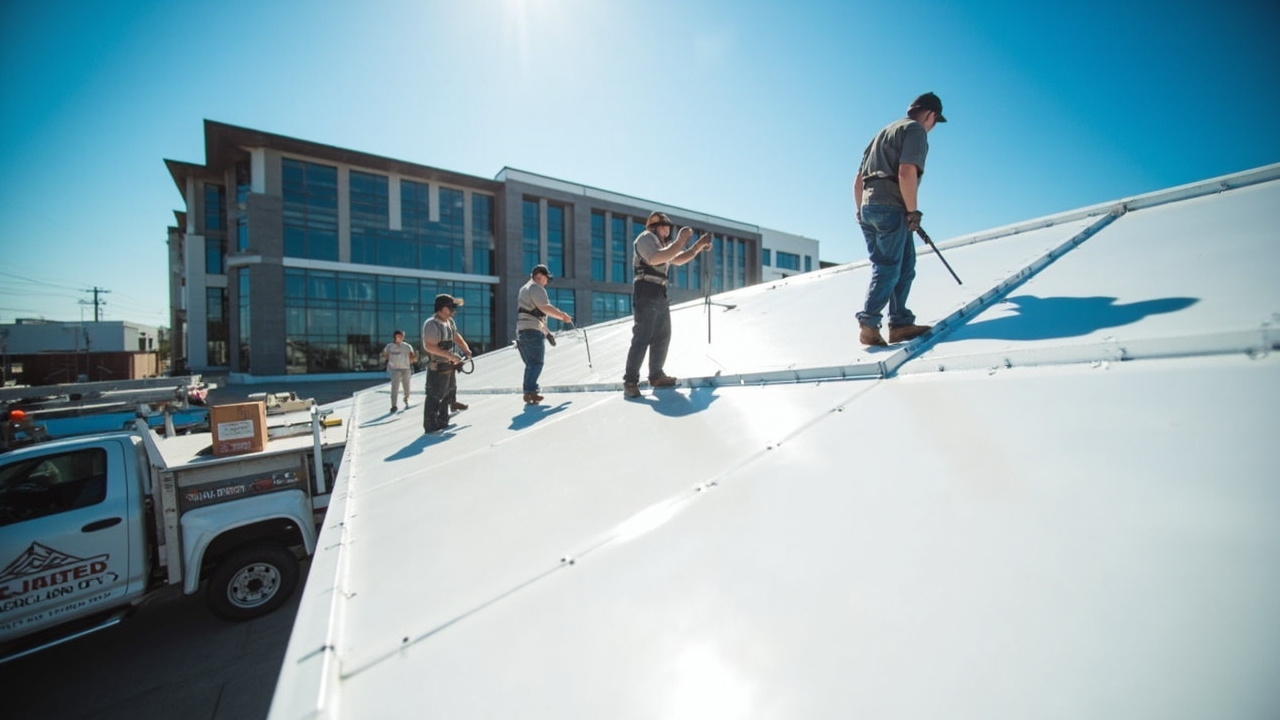
Phasing plans keep your business operational during commercial building roof replacement. We isolate work zones with temporary weather barriers, coordinate with your facility manager to avoid disrupting critical operations, and maintain waterproof protection at end of each work shift. For manufacturing or warehouse facilities, we schedule noisy tear-off during non-production hours and complete sections in rapid sequence to minimize exposure time.

Quality control includes third-party inspections at substrate preparation, insulation installation, and final membrane sealing. You receive documentation that satisfies your property insurer's requirements and provides verification for future buyers during due diligence.

How Commercial Roof Replacement Proceeds

Commercial Roof Replacement in Oklahoma City – Minimize Downtime and Protect Your Business Operations
01

Comprehensive Roof Assessment

We conduct destructive and non-destructive testing to evaluate your existing roof assembly. Core samples reveal insulation saturation levels, membrane adhesion failure points, and deck condition. Infrared thermography maps moisture patterns invisible to visual inspection. You receive quantified data showing remaining service life, repair versus replacement economics, and budget projections with material options ranked by performance specifications and installed cost per square foot.
02

Phased Installation Execution

Industrial roof replacement proceeds in controlled sections that maintain building weatherproofing throughout the project. We tear off only what can be dried in and waterproofed within a single shift. Substrate repairs address rusted deck panels, deteriorated fasteners, and structural deficiencies before new assembly installation. Each phase includes insulation replacement with tapered systems that eliminate ponding water, then membrane installation with heat-welded or cold-applied seams depending on your system specification.
03

Final Inspection and Documentation

Post-installation verification includes flood testing on all penetrations, pull tests on membrane fasteners, and infrared scanning to confirm dry assembly installation. You receive as-built drawings showing insulation R-values, membrane thickness specifications, and fastener patterns. This documentation package satisfies Oklahoma County building department closeout requirements and provides the technical records your property management team needs for future maintenance planning and insurance renewals.

Why Oklahoma City Facilities Choose United Roofing Oklahoma City

Commercial roof replacement requires Oklahoma City-specific expertise. United Roofing Oklahoma City understands how this metro's hail frequency impacts material selection. We know that standard 60-mil TPO membranes fail prematurely here and specify 80-mil reinforced membranes or hybrid systems with impact-resistant top layers. This localized knowledge prevents you from installing inadequate systems that require premature replacement.

Our familiarity with Oklahoma County's building department procedures accelerates your permit timeline. We submit engineered drawings that meet the jurisdiction's specific submittal requirements, coordinate inspections at required hold points, and maintain the documentation trail that satisfies closeout protocols. Contractors unfamiliar with local procedures create permit delays that extend your project timeline and increase soft costs.

We maintain relationships with commercial property insurers active in the Oklahoma City market. When storm damage triggers a claim, we provide the documentation format your adjuster requires, photograph pre-loss conditions that support your claim valuation, and coordinate with your insurance engineer during their site assessment. This collaboration protects your claim value and prevents disputes over scope or pricing.

Capacity matters for large-scale commercial building roof replacement. We maintain the crew size and equipment fleet to complete 50,000-square-foot projects in compressed timelines. Our project managers coordinate material deliveries to avoid storage issues, schedule crane access for rooftop unit removals, and maintain daily communication with your facility team to address operational conflicts before they impact your business.

United Roofing Oklahoma City provides references from similar facility types in the metro area. You can speak directly with property managers who evaluated our performance on timeline adherence, budget management, and post-installation responsiveness. This verification reduces your contractor selection risk.

What Your Commercial Roof Replacement Includes

Project Timeline and Scheduling

Commercial reroofing timelines depend on building size, existing conditions, and weather windows. A typical 20,000-square-foot single-story facility requires two to three weeks from mobilization to final inspection. We provide a critical path schedule showing each phase, identify long-lead material items that could delay start dates, and build weather contingency into the timeline. You receive weekly progress updates with photographs documenting completed work and upcoming activities. For facilities requiring continuous operations, we schedule disruptive activities during your specified blackout periods and maintain temporary weatherproofing that allows normal building use throughout the project.

Pre-Construction Assessment Process

Initial assessments include structural load evaluation, existing assembly documentation through core sampling, and moisture mapping via infrared thermography. We identify code compliance gaps in your current system, calculate required R-values for energy code compliance, and verify that your deck fastening meets current wind uplift requirements. You receive a conditions report with repair recommendations prioritized by urgency and budget impact. This diagnostic phase prevents change orders by identifying hidden conditions before pricing, gives you accurate replacement versus repair cost comparisons, and provides the technical data needed for board approval or lender requirements on capital improvement projects.

Installation Quality Standards

Commercial roof installation follows manufacturer specifications that maintain material warranties and meet Oklahoma's wind uplift requirements. We use factory-trained installers for single-ply membrane heat welding, maintain proper ambient temperature ranges for adhesive application, and follow substrate preparation protocols that ensure long-term adhesion. Third-party inspections verify compliance at critical hold points. You receive test cut results showing proper seam strength, pull test documentation confirming fastener installation meets engineered patterns, and photographic records of flashing details at all penetrations. This quality verification protects your investment and provides documentation that satisfies your property insurer's underwriting requirements.

Post-Installation Support and Maintenance

Industrial roof replacement includes post-installation support that protects your system investment. We provide maintenance protocols specific to your installed system, schedule annual inspections that identify minor issues before they become costly repairs, and maintain detailed service records that document your roof's condition over time. Emergency response for storm damage gives you priority scheduling when severe weather impacts the metro. Our maintenance program includes drain cleaning, membrane patching for punctures, and sealant renewal at terminations. This ongoing relationship extends your roof's service life and maintains the documentation trail that property buyers or lenders require during transactions.

Frequently Asked Questions

You Have Questions,
We Have Answers

How much should a 2000 sq ft roof cost? +

Commercial roof replacement costs depend on system type, substrate condition, and access complexity. For a 2000 sq ft flat roof in Oklahoma City, expect costs to vary widely based on membrane choice. TPO and EPDM systems run lower than modified bitumen or metal. Factor in Oklahoma's severe weather exposure, which may require upgraded wind ratings or hail-resistant materials. Substrate repairs from clay soil movement or prior leak damage add costs. Insulation upgrades for energy efficiency and code compliance also impact pricing. Request detailed proposals that itemize materials, labor, permits, and disposal fees to compare accurately.

How to replace a commercial roof? +

Commercial roof replacement starts with a thorough inspection to assess substrate integrity and drainage. You remove existing membrane, flashing, and damaged insulation while protecting interior spaces from weather exposure. In Oklahoma City, contractors must account for wind uplift requirements due to severe storm frequency. Install new insulation boards, then apply the membrane system using mechanical attachment, adhesive, or ballast depending on building height and exposure. Flash all penetrations, parapet walls, and roof-to-wall transitions. Install edge metal and conduct final inspections. Minimize operational disruption by phasing work or scheduling during off-hours. Proper planning prevents business interruption.

Does commercial insurance cover roof replacement? +

Commercial property insurance typically covers roof replacement only if damage results from a covered peril like hail, wind, or fire. In Oklahoma City, severe thunderstorms and tornado activity often trigger claims. Insurance does not cover wear, poor maintenance, or gradual deterioration. Insurers assess age and maintenance records before approving claims. Depreciation may reduce payouts on older roofs. Document damage immediately with photos and professional inspections. Understand your policy's actual cash value versus replacement cost coverage. Work with your contractor to provide detailed damage reports and cost estimates that support your claim. Deductibles and coverage limits vary significantly by policy.

Do roofers make 100k a year? +

Commercial roofing offers strong earning potential due to specialized skills and project scale. Experienced foremen and project managers in Oklahoma City can exceed 100k annually, especially those managing large-scale replacements or working for established contractors. Entry-level roofers earn less but gain earning power through certifications in TPO, EPDM, or metal systems. Commercial work demands knowledge of OSHA safety protocols, building codes, and complex installations. Oklahoma's active construction market and storm-related demand create steady work. Income depends on experience, certifications, employer size, and willingness to work in challenging weather conditions. Skilled tradespeople remain in high demand.

What is the most expensive part of replacing a roof? +

Substrate preparation and decking replacement represent the most expensive roof replacement components. When water infiltration damages structural decking or insulation in Oklahoma City buildings, costs escalate quickly. Clay soil movement common in this region can crack concrete decks, requiring extensive repairs. Removing multiple roof layers adds disposal costs and labor hours. Metal decking replacement on older industrial buildings demands structural engineering and crane access. Upgrading insulation to meet current energy codes also increases expenses. Addressing these hidden conditions during tear-off prevents callbacks but requires contingency budgets. Proper initial assessment minimizes surprises, but substrate issues remain the primary cost variable.

How to estimate roof replacement cost? +

Accurate roof replacement estimates require detailed measurements, system specifications, and condition assessment. Calculate square footage including all roof planes, then add material waste factors. In Oklahoma City, specify wind uplift ratings and hail resistance appropriate for severe weather exposure. Include substrate repair allowances based on core samples or test cuts. Factor in HVAC penetrations, skylights, and parapet flashing complexity. Add costs for permits, disposal, and safety equipment. Request line-item proposals that separate materials, labor, and project management fees. Compare equivalent systems across contractors. Avoid vague allowances. Detailed specifications prevent change orders and ensure apples-to-apples comparisons for informed decision-making.

How often should a commercial roof be replaced? +

Commercial roof lifespan depends on system type, installation quality, and maintenance. TPO and EPDM membranes last 15 to 25 years in Oklahoma City's climate. Modified bitumen systems perform similarly with proper upkeep. Metal roofs can exceed 30 years but require periodic coating renewal. Severe weather accelerates aging through UV exposure, hail impacts, and thermal cycling. Clay soil movement in this region can stress roof structures and connections. Implement biannual inspections and proactive repairs to maximize lifespan. Budget for replacement when repairs exceed 30 percent of replacement cost or warranty coverage expires. Predictive replacement prevents emergency failures and operational disruption.

Is commercial roofing worth it? +

Commercial roofing delivers measurable ROI through liability reduction, energy savings, and asset preservation. A properly installed system in Oklahoma City protects inventory, equipment, and operations from severe weather damage. Energy-efficient membranes reduce HVAC costs in hot summers. Preventing water infiltration avoids mold remediation, structural repairs, and business interruption. New roofs improve property valuations and tenant appeal. Warranty coverage transfers risk from ownership to manufacturers. Proactive replacement costs less than emergency repairs during operational hours. For income-producing properties, roof condition directly impacts insurability and financing options. Quality roofing is operational infrastructure, not overhead. Long-term value exceeds upfront investment.

Is it better to use plywood or OSB on a roof? +

Commercial applications favor structural metal decking over wood substrates. Metal decking provides superior fire resistance, dimensional stability, and load-bearing capacity for large-span buildings. For smaller commercial structures with wood framing in Oklahoma City, plywood outperforms OSB in moisture resistance and edge strength. Plywood handles ponding water better, which matters on low-slope roofs common in this region. OSB swells more from humidity exposure during installation delays caused by unpredictable weather. Plywood holds fasteners more reliably for membrane attachments. Most commercial specifications require plywood or metal decking. OSB remains a residential product unsuitable for commercial liability and performance standards.

Are commercial roof repairs tax deductible? +

Commercial roof repairs qualify as deductible ordinary business expenses when they maintain existing condition without material improvement. Replacement or substantial improvements must be capitalized and depreciated over 39 years for nonresidential property. The IRS distinguishes between repairs that restore functionality and improvements that add value or extend useful life. In Oklahoma City, emergency storm damage repairs may qualify for immediate deduction, while planned replacements require depreciation. Section 179 or bonus depreciation may apply to certain roofing components. Consult your CPA about safe harbor elections and documentation requirements. Proper classification maximizes tax benefits while ensuring compliance with current regulations.

How Oklahoma City's Severe Weather Zone Impacts Commercial Roof Longevity

Oklahoma City sits in the highest hail frequency zone in North America. Your commercial building experiences an average of nine hail days annually, with peak activity from April through June when supercell thunderstorms produce two-inch diameter hailstones. This bombardment fractures membrane surfaces, dislodges granules from modified bitumen cap sheets, and creates impact damage that allows water intrusion at weakened points. Commercial flat roof replacement in this metro requires impact-resistant membranes rated for severe hail exposure and reinforced fleece backing that prevents puncture failures. Standard membrane specifications used in low-risk climate zones fail prematurely here and create unnecessary replacement cycles that drain capital budgets.

United Roofing Oklahoma City maintains relationships with commercial property owners throughout the metro's major business corridors along I-40, I-35, and the Airport Industrial District. We understand Oklahoma County's inspection requirements for commercial reroofing projects, coordinate with local building officials on permit submittals, and maintain the professional liability coverage that protects your project. Our familiarity with the metro's commercial real estate market means we understand the documentation standards that lenders and buyers expect during property transactions. This local expertise reduces your project risk and ensures your commercial building roof replacement meets the technical standards that protect property value.
Roofing Services in The Oklahoma City Area

Our dedicated team is proud to serve homeowners and businesses across the entire Oklahoma City metropolitan area and its surrounding communities. We're committed to bringing our expert roofing services directly to you, no matter where you are in our service radius. We encourage you to contact us to discuss your project, and we will be on our way to assist you with your roofing needs.

Address:
United Roofing Oklahoma City, 5600 N May Ave, Oklahoma City, OK, 73112

Additional Services We Offer

Our news updates

Latest Articles & News from The Blogs

Common Ways New Homeowners Accidentally Void Their Roofing Warranty Your new roof represents a significant investment and the warranty that…

Common Ways New Homeowners Accidentally Void Their Roofing Warranty

Common Ways New Homeowners Accidentally Void Their Roofing Warranty Your new roof represents a significant investment and the warranty that…

How Much Noise Does a Metal Roof Really Make During an Oklahoma Rainstorm?

Is a Metal Roof Too Noisy During Oklahoma Storms? Oklahoma City homeowners considering metal roofing often worry about rain noise.…

Why Your Neighbors Are Choosing Class 4 Shingles Even if They Don't Have Hail Damage

Why Your Neighbors Are Choosing Class 4 Shingles Even if They Don’t Have Hail Damage Oklahoma City homeowners are making…

Contact Us

Call (405) 507-3933 now to schedule your comprehensive roof evaluation. United Roofing Oklahoma City provides detailed condition reports with replacement cost projections and timeline estimates. We respond to assessment requests within 48 hours.