

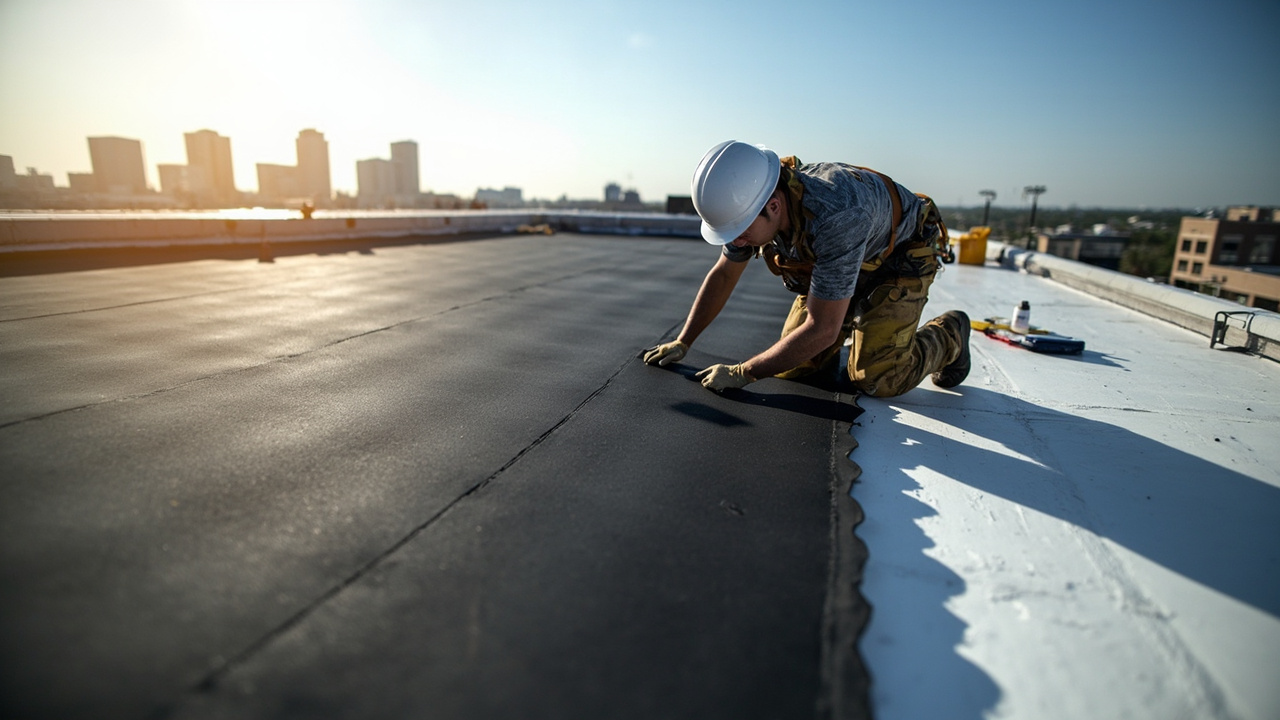
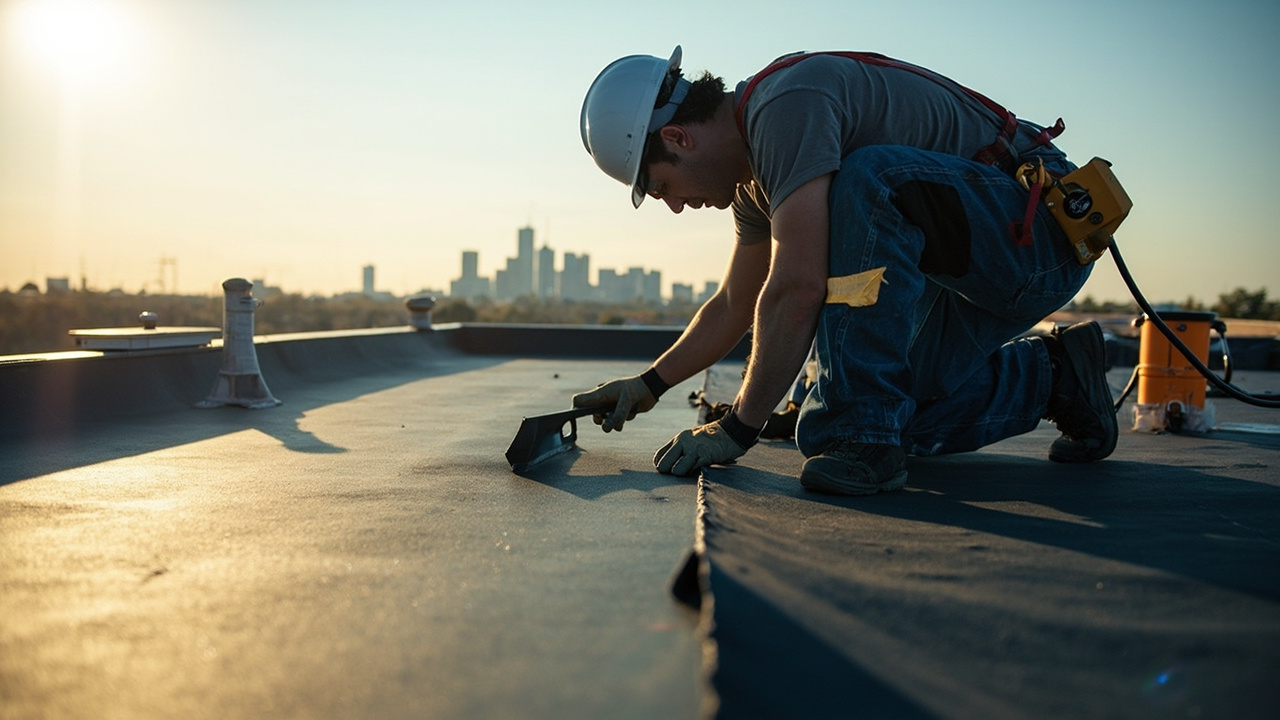
Oklahoma City sits in the highest-risk severe weather zone in North America. Your commercial building faces hail events averaging three occurrences per year, with stones exceeding two inches in diameter during major storms. Spring tornado season brings wind gusts that exceed design loads on older buildings. Summer heat creates roof surface temperatures approaching 170 degrees, while winter cold snaps drop temperatures below zero. This thermal cycling causes traditional roofing materials to crack and delaminate. EPDM roofing membrane maintains flexibility through these temperature extremes because the synthetic rubber compound does not become brittle in cold or soften in heat. The material resists puncture from hail impact and withstands wind uplift when properly attached to meet Oklahoma City's 120 mph design wind speed requirements.
Commercial building owners in Oklahoma City face strict insurance requirements for roof performance. Your carrier mandates specific hail ratings and wind uplift classifications based on loss history in this region. We design every commercial EPDM roof system to meet these insurance specifications while complying with Oklahoma City building code amendments that exceed base International Building Code requirements. Our installations undergo third-party inspection to verify compliance with engineered specifications. This documentation protects your insurance coverage and provides the verification facility managers need for corporate real estate portfolios. Local expertise matters because Oklahoma City's weather patterns demand installation practices that differ from standard specifications used in less severe climates.