
Dealing with Heavy Leaf Fall on the Sloped Roofs of Heritage Hills This Autumn
The mature oak and maple trees that give Heritage Hills its distinctive charm create a seasonal challenge for homeowners this time of year. Autumn leaf fall on the neighborhood’s historic sloped roofs requires specialized knowledge of both the area’s architectural heritage and Oklahoma City’s unique weather patterns. The 73103 zip code’s collection of early 20th-century homes with slate, clay tile, and wood shake roofing materials demands careful debris management to prevent water damage and preserve these architectural treasures. Roofing Tulsa.
Heritage Hills sits on slightly elevated terrain near the North Canadian River, where seasonal rainfall patterns and the neighborhood’s mature canopy create perfect conditions for leaf accumulation. The area’s historic preservation guidelines mean that any roof maintenance must balance effective debris removal with protecting original materials that may be over a century old. This autumn presents particular challenges as recent summer storms have already weakened some roof structures, making them more vulnerable to the weight and moisture retention of fallen leaves.
Understanding Heritage Hills Roof Architecture and Leaf Fall Risks
Heritage Hills homes feature several architectural styles common to Oklahoma City’s early development, each presenting unique challenges for leaf debris management. The neighborhood’s Craftsman bungalows often have complex rooflines with multiple valleys where leaves collect, while Tudor Revival homes feature steep pitches that can shed leaves quickly but also create areas where wet leaves stick to slate or clay surfaces. Many homes in the area between NW 13th and NW 23rd streets were built between 1900 and 1930, using construction methods and materials that require specialized handling.
The combination of Oklahoma’s autumn weather patterns and Heritage Hills’ mature tree canopy creates a perfect storm for roof debris accumulation. October and November typically bring alternating periods of heavy rain and dry, windy conditions that cause leaves to mat together on roof surfaces. When wet leaves remain on sloped roofs for more than 72 hours, they begin to decompose and release tannins that can stain historic roofing materials. The weight of saturated leaf debris on older roof structures can exceed the original design loads, particularly on homes with original wood shake underlayment. Roofing Norman.
Local building patterns in Heritage Hills mean that many homes share similar vulnerabilities. The neighborhood’s proximity to the Oklahoma City Country Club means that many properties border areas with exceptionally large trees that drop massive volumes of leaves. Properties along the area’s historic streetcar route often have older drainage systems that weren’t designed for modern leaf volumes, creating backup points where debris accumulates. The combination of mature landscaping and historic construction creates a maintenance challenge that requires both technical expertise and local knowledge. Why Local Nichols Hills Residents Choose Our Luxury Roofing Team.
The Science of Leaf Debris and Roof Damage
Understanding how leaf debris damages roofs requires examining the chemical and physical processes that occur when organic matter remains on roofing surfaces. When oak and maple leaves from Heritage Hills’ mature trees accumulate on roof surfaces, they begin a decomposition process that releases organic acids. These acids, combined with Oklahoma’s frequent autumn moisture, create an environment where moss and algae can establish themselves on historic roofing materials. The Oklahoma Department of Environmental Quality has documented how local leaf species contribute to roof degradation when left unmanaged for extended periods. Environmental Protection Agency.
The physical weight of leaf debris presents another significant risk for Heritage Hills’ historic homes. A cubic foot of wet leaves can weigh between 15 and 20 pounds, and accumulated debris in roof valleys can easily exceed 100 pounds per square foot. Many of the neighborhood’s homes were built before modern building codes required specific load calculations for leaf debris. The Oklahoma Uniform Building Code Commission’s current standards require ice and water shield installation in valleys, but many Heritage Hills homes predate these requirements by decades.
Temperature fluctuations in Oklahoma City create additional stress on roofs with leaf debris. The area experiences rapid temperature changes in autumn, with daytime highs often 30 degrees warmer than nighttime lows. This expansion and contraction cycle causes wet leaves to freeze and thaw repeatedly, creating ice dams in roof valleys and along eaves. The National Weather Service reports that Oklahoma City experiences an average of 60 freeze-thaw cycles between October and December, significantly increasing the risk of ice-related damage on roofs with accumulated debris.
Specialized Debris Removal for Historic Roofing Materials
Heritage Hills’ slate and clay tile roofs require specialized debris removal techniques that differ significantly from modern asphalt shingle maintenance. Slate roofs, common in the area’s more expensive historic homes, can crack if walked on improperly or if debris removal tools are used incorrectly. The Oklahoma Historical Society’s preservation guidelines specifically prohibit the use of power washing on historic roofing materials, as the high pressure can damage both the roofing surface and the underlying structure.
Wood shake roofs, another common material in Heritage Hills, present unique challenges for leaf debris management. The porous nature of wood means that leaves trapped in the shakes can retain moisture for extended periods, creating conditions for rot and insect infestation. The International Code Council’s guidelines for wood roof maintenance recommend hand-clearing of debris rather than blowing, as the high winds from blowers can drive leaf particles into the wood grain, accelerating deterioration.
Copper gutters, frequently found on Heritage Hills’ more prominent historic homes, require special consideration during debris removal. The acidic nature of decomposing leaves can accelerate copper oxidation, creating blue-green stains on historic masonry. The National Park Service’s preservation briefs recommend using pH-neutral cleaning solutions and soft-bristle brushes for copper gutter maintenance. Many Heritage Hills homes feature custom-fabricated copper systems that would be prohibitively expensive to replace, making proper maintenance essential for preservation.

Diagram showing proper hand-clearing techniques for historic slate roofs, including tool selection and walking patterns to prevent material damage.
Five-Step Professional Debris Removal Process
Professional debris removal for Heritage Hills’ historic roofs follows a systematic approach that protects both the roofing materials and the home’s architectural integrity. The process begins with a comprehensive roof assessment to identify vulnerable areas where leaf accumulation creates the highest risk for water intrusion. This assessment includes checking for loose or damaged roofing materials, compromised flashing, and areas where previous repairs may have created debris traps.
The second step involves establishing proper safety protocols specific to each roof type. Heritage Hills’ historic homes often feature steep pitches and complex rooflines that require specialized safety equipment. The Occupational Safety and Health Administration’s fall protection guidelines mandate specific anchor points and harness systems for roofs exceeding a 7:12 pitch, which many Heritage Hills homes exceed. Professional crews use non-penetrating guardrail systems to protect both workers and the historic roofing materials.
Manual debris removal forms the third step, using tools specifically selected for each roofing material. For slate roofs, crews use soft-bristle brushes and specialized roof rakes with rubberized edges to prevent surface damage. Clay tile requires even more delicate handling, with crews often using hand-picking techniques for debris removal. The Environmental Protection Agency’s guidelines for historic preservation recommend against using leaf blowers on any historic roofing material, as the high-velocity air can dislodge loose materials and drive debris into vulnerable areas.
Gutter and downspout cleaning constitutes the fourth step, with particular attention to the unique drainage challenges in Heritage Hills. Many homes in the area feature interconnected gutter systems that require complete flushing to ensure proper drainage. The American Society of Plumbing Engineers recommends using camera inspection technology to verify that downspouts are clear all the way to the storm drain connection, preventing backup that could force water under roofing materials.
The final step involves documenting the work completed and identifying any areas requiring additional attention. This documentation proves particularly important for Heritage Hills homeowners who may need to demonstrate proper maintenance for historic preservation compliance. The process concludes with a thorough grounds cleanup, ensuring that all removed debris is properly disposed of according to Oklahoma City’s yard waste regulations.
Timing and Frequency: When to Remove Debris
Determining the optimal timing for leaf debris removal in Heritage Hills requires understanding both the area’s tree species and Oklahoma City’s weather patterns. The neighborhood’s predominant oak and maple trees follow predictable leaf drop schedules, with red oaks typically dropping leaves in late October and silver maples shedding earlier in the season. The Oklahoma Forestry Services tracks local leaf drop patterns, noting that Heritage Hills experiences peak leaf fall approximately two weeks later than surrounding areas due to the neighborhood’s slightly higher elevation and protection from north winds.
Frequency of debris removal depends on several factors specific to each property. Homes with heavy tree canopy coverage may require multiple cleanings throughout the autumn season, while properties with minimal tree coverage might need only one thorough cleaning. The National Roofing Contractors Association recommends a minimum of two debris removal visits for properties in heavily wooded areas: one in mid-October and another in late November. However, properties in Heritage Hills often require additional visits due to the area’s unique combination of mature trees and historic roof designs that create debris collection points.
Weather conditions play a crucial role in scheduling debris removal. The National Oceanic and Atmospheric Administration’s data for Oklahoma City shows that October and November bring an average of 6 to 8 significant rainfall events, creating windows of opportunity for safe debris removal. Professional crews monitor weather forecasts to schedule work during dry periods, as wet leaves are significantly heavier and more likely to cause roof damage during removal. The Oklahoma Mesonet’s hyper-local weather data helps crews identify optimal removal windows specific to the Heritage Hills area.
Safety Compliance and Historic Preservation Guidelines
Working on Heritage Hills’ historic roofs requires strict adherence to both safety regulations and historic preservation guidelines. The Oklahoma City Historic Preservation Commission has established specific protocols for any work affecting the neighborhood’s historic resources. These guidelines require that all debris removal work be performed by crews trained in historic preservation techniques, with documentation of methods used to protect original materials.
Safety compliance for historic roof work exceeds standard roofing safety requirements due to the added complexity of working on fragile materials. The Occupational Safety and Health Administration’s regulations require fall protection for any roof work, but historic preservation work often necessitates additional precautions. Crews working on Heritage Hills’ slate and clay tile roofs use specialized harness systems that distribute weight across larger surface areas to prevent concentrated pressure that could crack historic materials.
Insurance considerations for historic roof maintenance create additional compliance requirements. Many Heritage Hills homes are listed on the National Register of Historic Places or are subject to local historic district regulations. These designations often come with specific maintenance requirements that must be documented for insurance purposes. The Insurance Services Office has developed specialized underwriting guidelines for historic properties that require proof of professional maintenance, including debris removal, to maintain coverage eligibility.
Environmental compliance adds another layer of complexity to debris removal in Heritage Hills. The Oklahoma Department of Environmental Quality regulates the disposal of organic debris, particularly when it contains materials that may have been treated with pesticides or other chemicals. Professional debris removal services must separate organic matter from any roofing materials that may contain asbestos or lead-based paints, common in homes built before 1978. Proper disposal prevents environmental contamination and ensures compliance with state and federal regulations. Federal Emergency Management Agency.
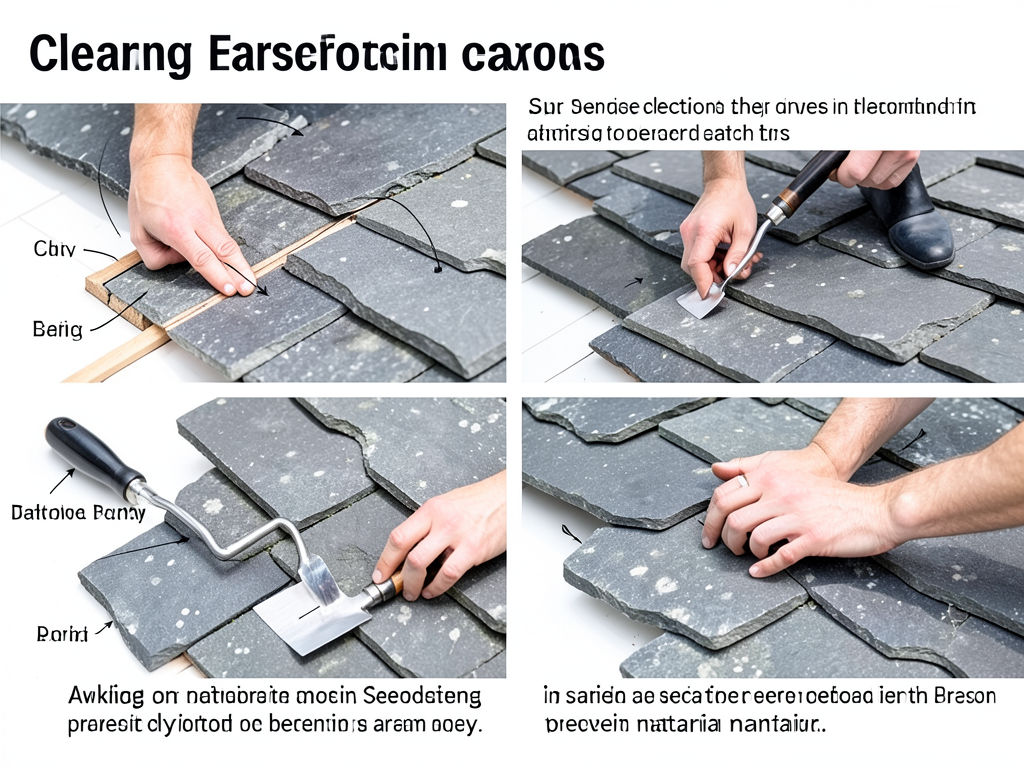
Photo of a professional crew using specialized hand tools for debris removal on a historic clay tile roof, demonstrating proper safety equipment and technique.
Long-Term Roof Preservation Strategies
Beyond seasonal debris removal, Heritage Hills homeowners can implement long-term strategies to protect their historic roofs from leaf-related damage. Regular roof inspections, conducted at least twice annually, can identify potential problems before they become serious. The National Association of Home Builders recommends inspection schedules that align with local weather patterns, with additional checks following severe weather events common to Oklahoma City.
Preventive treatments can reduce the impact of leaf debris on historic roofing materials. EPA-approved treatments for moss and algae prevention can be applied to compatible roofing materials, reducing the likelihood of organic growth that traps leaf debris. These treatments must be carefully selected to ensure compatibility with historic materials and compliance with local historic preservation guidelines. The treatments typically last 2 to 3 years and can significantly reduce maintenance requirements.
Strategic tree management around Heritage Hills properties can minimize leaf debris while preserving the neighborhood’s mature canopy. The International Society of Arboriculture recommends selective pruning techniques that reduce leaf volume without compromising tree health or the property’s historic character. This approach balances the aesthetic value of mature trees with the practical need to reduce roof debris. Professional arborists familiar with Heritage Hills’ historic district guidelines can develop pruning plans that meet both preservation and maintenance objectives.
Documentation of all roof maintenance activities provides valuable information for future property owners and preservation efforts. The National Park Service recommends maintaining detailed records of all work performed on historic properties, including debris removal activities. This documentation can prove invaluable for insurance claims, historic preservation compliance, and property valuation. Digital documentation systems now allow homeowners to track maintenance schedules, weather impacts, and material conditions over time, creating a comprehensive history of roof preservation efforts.
Insurance and Property Value Considerations
Proper debris management on Heritage Hills’ historic roofs directly impacts both insurance coverage and property values. Insurance companies increasingly recognize the importance of regular maintenance in preventing costly roof damage, with many offering premium discounts for documented professional maintenance programs. The Insurance Information Institute reports that homes with well-maintained historic features, including roofs, can command insurance rates 15-20% lower than similar properties without documented maintenance histories.
Property values in Heritage Hills are closely tied to the condition of historic architectural features, with the roof being one of the most visible and important elements. The National Trust for Historic Preservation has documented how well-maintained historic roofs can increase property values by 10-15% compared to similar homes with deteriorated roofing. This premium reflects both the aesthetic value of historic materials and the cost savings associated with preventing water damage to interior historic features.
Insurance claims related to roof damage from leaf debris can be complicated by the historic status of Heritage Hills homes. Standard homeowners insurance policies may not fully cover damage to historic materials, requiring specialized historic property insurance. These policies often require documentation of regular professional maintenance, including debris removal, as a condition of coverage. The Insurance Services Office has developed specific rating factors for historic properties that consider maintenance history as a key determinant of risk and coverage eligibility.
Property appraisals in Heritage Hills must account for the condition of historic roofing materials when determining market value. The Appraisal Institute’s guidelines for historic properties require appraisers to consider the quality and condition of original architectural features, including roofing. Homes with well-documented maintenance histories, including professional debris removal, typically receive higher appraisals than comparable properties without such documentation. This valuation premium can significantly impact both sale prices and property tax assessments. High Quality Residential Roofing Services in The Village.
Choosing the Right Professional Service
Selecting a debris removal service for Heritage Hills’ historic roofs requires careful evaluation of both technical expertise and preservation knowledge. Not all roofing contractors possess the specialized skills needed to work on historic materials like slate, clay tile, and wood shake. The National Roofing Contractors Association recommends verifying that any contractor working on historic properties holds specific certifications in historic preservation techniques and carries appropriate insurance coverage for this specialized work.
Experience with Oklahoma City’s specific weather patterns and building traditions is crucial for effective debris removal in Heritage Hills. Local contractors understand how the area’s frequent wind events, occasional ice storms, and intense summer heat affect both leaf accumulation patterns and historic roofing materials. This local knowledge allows for more effective scheduling of debris removal and identification of potential problems before they cause serious damage. The Oklahoma Roofing Contractors Association maintains directories of contractors with specific experience in historic preservation work.
Proper equipment and techniques distinguish professional historic roof services from standard roofing contractors. Heritage Hills’ historic roofs require specialized tools that won’t damage fragile materials, including soft-bristle brushes, rubber-edged roof rakes, and pH-neutral cleaning solutions. Professional services also use protective equipment like roof pads and walkway systems that distribute weight across larger areas, preventing the concentrated pressure that can crack slate or clay tiles. The Environmental Protection Agency’s guidelines for historic preservation specify acceptable cleaning methods that protect both the roofing materials and the environment.
Documentation and warranty considerations should factor into the selection of a debris removal service. Professional services should provide detailed documentation of all work performed, including photographs of problem areas and recommendations for future maintenance. This documentation proves valuable for insurance purposes, historic preservation compliance, and property valuation. Some professional services offer warranties on their debris removal work, providing additional protection for Heritage Hills homeowners concerned about potential damage during the cleaning process.
Cost Factors and Investment Protection
The cost of professional debris removal for Heritage Hills’ historic roofs varies based on several factors specific to each property. Roof size and complexity represent the primary cost drivers, with homes featuring multiple roof levels, numerous valleys, or complex architectural details requiring more labor and specialized equipment. The National Association of Home Builders reports that historic roof maintenance typically costs 30-50% more than standard roof maintenance due to the specialized skills and equipment required.. Read more about Restoring Rafter Tails and Eaves in Historic Mesta Park Properties Without Ruining the Look.
Frequency of service affects the overall cost of debris management programs. Properties requiring multiple cleanings throughout the autumn season will incur higher annual costs but may save money long-term by preventing serious damage. Many professional services offer maintenance contracts that provide discounted rates for scheduled, recurring service. These contracts often include priority scheduling during peak leaf fall periods and may include additional services like gutter inspection and minor repairs at no extra cost.
Insurance premium reductions can offset some of the costs associated with professional debris removal. Many insurance companies offer discounts for documented professional maintenance of historic features, potentially reducing annual premiums by 5-10%. The Insurance Information Institute recommends that homeowners calculate potential insurance savings when evaluating the cost of professional maintenance services. Over a 5-10 year period, these savings can significantly offset the initial investment in professional debris removal.
Property value preservation represents another important financial consideration. The cost of professional debris removal must be weighed against the potential loss in property value that could result from neglecting historic roof maintenance. The National Trust for Historic Preservation estimates that unaddressed roof problems can reduce property values by 15-25% within 3-5 years, far exceeding the cost of regular professional maintenance. This long-term perspective helps justify the investment in proper debris management for Heritage Hills’ historic homes.
Emergency Response and Storm Preparation
Oklahoma City’s severe weather patterns create situations where emergency debris removal becomes necessary for Heritage Hills’ historic roofs. The area’s location in Tornado Alley means that summer storms can deposit massive amounts of debris, including leaves, branches, and other organic matter, on roofs in a matter of minutes. The Federal Emergency Management Agency recommends that historic property owners develop emergency response plans that include provisions for rapid debris removal following severe weather events.
Preparation for storm season should include pre-season debris removal to minimize the risk of water intrusion during severe weather. Professional services can identify vulnerable areas where accumulated debris might create problems during heavy rainfall or high winds. The National Weather Service’s storm prediction data for Oklahoma City helps homeowners and professional services time pre-season maintenance to coincide with the beginning of severe weather season, typically in late April or early May.
Emergency response capabilities vary significantly among debris removal services. Heritage Hills homeowners should verify that any service they contract can provide rapid response following severe weather events. This includes having crews on call during peak storm seasons and maintaining equipment that can be deployed quickly to multiple properties. The Oklahoma Emergency Management Department maintains lists of contractors with demonstrated capabilities for emergency response to historic properties.
Documentation of storm-related debris removal becomes important for insurance and historic preservation purposes. Professional services should provide detailed reports of emergency work, including photographs of damage and debris, areas requiring additional attention, and recommendations for preventing similar problems in the future. This documentation proves valuable for insurance claims and may be required by historic preservation authorities to demonstrate that proper emergency response protocols were followed.
Environmental Considerations and Sustainable Practices
Debris removal from Heritage Hills’ historic roofs involves environmental considerations that extend beyond simple disposal of organic matter. The neighborhood’s mature tree canopy represents a significant carbon sink, and proper debris management can enhance rather than diminish this environmental benefit. The Environmental Protection Agency recommends composting organic debris from historic properties when possible, returning nutrients to the soil while keeping waste out of landfills.
Sustainable debris removal practices can actually benefit the historic properties they serve. Many Heritage Hills homeowners have discovered that composted leaf debris makes excellent mulch for gardens and foundation plantings, reducing water usage and improving soil health. This approach aligns with the sustainable practices often associated with historic preservation, where resource conservation and environmental stewardship go hand-in-hand with architectural preservation.
Chemical treatments for moss and algae prevention must be selected with environmental impact in mind. The Environmental Protection Agency maintains strict guidelines for treatments used on historic properties, requiring products that won’t harm surrounding vegetation or contaminate groundwater. Professional services should use EPA-approved treatments that effectively prevent organic growth while meeting environmental protection standards. The Oklahoma Department of Environmental Quality provides specific guidance for treatments used in the state’s unique climate conditions.
Water management considerations extend beyond simple debris removal to encompass the entire roof drainage system. Heritage Hills’ historic homes often feature complex gutter and downspout systems that require careful attention to prevent water damage. Professional services should evaluate the entire drainage system, ensuring that removed debris doesn’t simply create blockages elsewhere in the system. Proper water management protects both the historic structure and the surrounding landscape, preventing erosion and water damage to foundations and basements.
Community Resources and Support
Heritage Hills homeowners benefit from various community resources that support proper roof maintenance and debris management. The Heritage Hills Neighborhood Association maintains information about local service providers with experience in historic preservation work. This community knowledge base helps homeowners identify qualified professionals and avoid contractors who may not understand the unique requirements of historic roof maintenance.
Local historic preservation organizations offer workshops and educational resources about maintaining historic properties, including roof maintenance best practices. The Oklahoma Historical Society provides publications and workshops specifically focused on preserving historic roofing materials common in Heritage Hills. These resources help homeowners understand the importance of proper debris management and identify qualified professionals for this specialized work.
City of Oklahoma City building services departments can provide information about permits and regulations affecting roof work in historic districts. While routine debris removal typically doesn’t require permits, more extensive work might need approval from the Historic Preservation Commission. Understanding these requirements before beginning work prevents delays and ensures compliance with local regulations. The city’s building services department maintains online resources and staff available to answer questions about historic preservation requirements.
Insurance providers often maintain relationships with contractors specializing in historic property maintenance. Many companies can recommend service providers who understand both the technical requirements of historic roof maintenance and the documentation needed for insurance purposes. These recommendations can help homeowners identify qualified professionals while potentially qualifying for insurance discounts for using approved service providers.
Future Trends in Historic Roof Maintenance
The field of historic roof maintenance continues to evolve with new technologies and approaches that benefit Heritage Hills homeowners. Drone technology now allows for detailed roof inspections without walking on fragile historic materials, reducing the risk of damage during assessment. These inspections can identify debris accumulation patterns, material deterioration, and potential problem areas with greater accuracy than traditional visual inspections.
Advanced materials for debris prevention represent an emerging trend in historic roof maintenance. New products designed to prevent leaf and debris accumulation while maintaining the appearance of historic materials offer alternatives to traditional maintenance approaches. These products must undergo rigorous testing to ensure compatibility with historic materials and compliance with preservation guidelines. The National Park Service’s Technical Preservation Services division evaluates new products for use on historic properties.
Digital documentation systems are transforming how historic roof maintenance is tracked and managed. Mobile applications now allow homeowners and professional services to document roof conditions, maintenance activities, and debris removal schedules with photos, notes, and maintenance histories. This digital documentation proves valuable for insurance purposes, historic preservation compliance, and property valuation. Some systems can even predict maintenance needs based on weather patterns and historical data specific to Heritage Hills.
Climate change considerations are increasingly influencing historic roof maintenance strategies. Changing weather patterns in Oklahoma City, including more frequent severe storms and shifting precipitation patterns, affect debris accumulation and removal needs. Professional services must adapt their approaches to address these changing conditions while maintaining compliance with historic preservation guidelines. The Oklahoma Climatological Survey provides data that helps inform these adaptive strategies.
Frequently Asked Questions
How often should I have debris removed from my Heritage Hills roof?
Most Heritage Hills properties require debris removal at least twice during autumn, typically in mid-October and late November. Properties with heavy tree canopy coverage or complex roof designs may need additional cleanings. The Oklahoma Forestry Services tracks local leaf drop patterns and can provide specific recommendations for your property based on tree species and local weather conditions.
Can I use a leaf blower on my historic roof?
Professional preservation guidelines generally prohibit using leaf blowers on historic roofing materials like slate, clay tile, and wood shake. The high-velocity air can damage fragile materials and drive debris into vulnerable areas. The National Park Service’s preservation briefs recommend manual removal techniques using specialized tools designed for each roofing material type.
Will debris removal damage my historic roofing materials?
When performed by qualified professionals using proper techniques and equipment, debris removal should not damage historic roofing materials. Professional services use specialized tools and methods designed specifically for each material type. The Occupational Safety and Health Administration requires specific safety protocols for historic roof work to protect both workers and the roofing materials.
How much does professional debris removal cost for historic roofs?
Professional debris removal for historic roofs typically costs 30-50% more than standard roof maintenance due to specialized equipment and expertise requirements. Costs vary based on roof size, complexity, and material type. The National Association of Home Builders reports that historic roof maintenance averages $300-$800 per cleaning, depending on these factors.
Is debris removal covered by insurance for historic properties?
Routine debris removal is typically not covered by standard homeowners insurance policies. However, many insurance companies offer premium discounts for documented professional maintenance of historic features. Some specialized historic property insurance policies may cover debris removal following severe weather events, but coverage varies by provider and policy terms.
What documentation should I receive after debris removal?
Professional debris removal services should provide detailed documentation including before and after photographs, areas requiring attention, maintenance recommendations, and disposal documentation. This documentation proves valuable for insurance purposes, historic preservation compliance, and property valuation. The National Park Service recommends maintaining detailed records of all work performed on historic properties.
How do I find qualified professionals for historic roof debris removal?
Look for contractors certified by the National Roofing Contractors Association with specific experience in historic preservation. The Oklahoma Roofing Contractors Association maintains directories of qualified professionals. Verify that contractors carry appropriate insurance for historic work and can provide references from other Heritage Hills properties. Local historic preservation organizations can also provide recommendations.
What should I do if I discover damage during debris removal?
Professional debris removal services should identify and document any damage discovered during the cleaning process. They should provide recommendations for repairs and, if necessary, refer you to qualified historic preservation specialists. Document all findings with photographs and written reports. Contact your insurance provider if the damage appears significant or may be covered under your policy. Finding a Reliable Roofing Company Near You in Moore Oklahoma.
Are there environmental regulations affecting debris disposal?
Yes, the Oklahoma Department of Environmental Quality regulates disposal of organic debris, particularly when it may contain materials treated with pesticides or other chemicals. Professional services must separate organic matter from any roofing materials that may contain asbestos or lead-based paints. Proper disposal prevents environmental contamination and ensures compliance with state and federal regulations.
How does debris removal affect my property value?
Well-maintained historic roofs, including proper debris management, can increase property values in Heritage Hills by 10-15% according to the National Trust for Historic Preservation. This premium reflects both the aesthetic value of historic materials and the cost savings associated with preventing water damage to interior historic features. Regular professional maintenance also supports higher property appraisals.
Can debris removal prevent ice dams in winter?
Yes, proper autumn debris removal significantly reduces the risk of ice dams forming during winter months. Accumulated leaves and organic matter trap moisture and create areas where ice can form. The Oklahoma Uniform Building Code Commission’s current standards require ice and water shield installation in valleys, but removing debris remains essential for preventing ice dam formation on historic roofs.
What’s the difference between debris removal and roof cleaning?
Debris removal focuses specifically on removing leaves, branches, and other organic matter from roof surfaces and gutters. Roof cleaning involves removing moss, algae, and stains from roofing materials using specialized techniques and solutions. While related, these are distinct services with different requirements, particularly for historic materials. The Environmental Protection Agency maintains specific guidelines for cleaning historic roofing materials.
Take Action to Protect Your Heritage Hills Home
The unique combination of mature trees, historic architecture, and Oklahoma City’s weather patterns makes professional debris removal essential for Heritage Hills homeowners. Don’t wait until autumn leaf fall creates serious problems for your historic roof. The cost of preventive maintenance is always less than repairing water damage or replacing historic roofing materials.
Professional debris removal requires specialized knowledge of both historic preservation techniques and local weather patterns. United Roofing Oklahoma City’s experienced crews understand the unique challenges facing Heritage Hills properties and use equipment and methods specifically designed for historic roofing materials. Our team monitors local weather patterns to time debris removal for maximum effectiveness and minimum risk to your home’s architectural integrity.
Call (405) 507-3933 today to schedule your Heritage Hills roof assessment and debris removal service. Our professionals will evaluate your specific needs, provide detailed recommendations, and develop a maintenance schedule that protects your home’s historic character while preventing costly damage from leaf debris accumulation. Don’t let another autumn pass without protecting your investment in Heritage Hills’ architectural heritage.
Pick up the phone and call (405) 507-3933 before the next storm hits. Your historic roof deserves professional care from a team that understands both the technical requirements and the preservation guidelines that protect Heritage Hills’ unique character. We’re ready to help you maintain your home’s beauty and value for generations to come.
Photo of a completed debris removal project on a Heritage Hills historic home, showing clean roof surfaces and properly maintained gutters ready for winter weather.
You may also find this helpful. Why a Small Chimney Cricket is Essential for Preventing Leaks on Steep Newcastle Rooflines.
{
“@context”: “https://schema.org”,
“@type”: “BlogPosting”,
“headline”: “Dealing with Heavy Leaf Fall on the Sloped Roofs of Heritage Hills This Autumn”,
“description”: “Heritage Hills homeowners face unique challenges with autumn leaf fall on historic sloped roofs. Learn expert debris removal techniques for Oklahoma City’s 73103 zip code.”,
“wordCount”: 5209,
“datePublished”: “2026-05-28T11:57:00.000Z”,
“dateModified”: “2026-05-28T11:57:00.000Z”,
“inLanguage”: “en-US”,
“mainEntityOfPage”: {
“@type”: “WebPage”,
“@id”: “https://unitedroofingoklahomacity.com”
},
“publisher”: {
“@type”: “LocalBusiness”,
“name”: “United Roofing Oklahoma City”,
“url”: “https://unitedroofingoklahomacity.com”
},
“author”: {
“@type”: “Organization”,
“name”: “United Roofing Oklahoma City”,
“url”: “https://unitedroofingoklahomacity.com”
},
“image”: {
“@type”: “ImageObject”,
“url”: “https://unitedroofingoklahomacity.com/wp-content/uploads/2026/03/dealing-with-heavy-leaf-fall-on-the-sloped-roofs-o-1.png”
}
}
{
“@context”: “https://schema.org”,
“@type”: “RoofingContractor”,
“name”: “United Roofing Oklahoma City”,
“url”: “https://unitedroofingoklahomacity.com”,
“address”: {
“@type”: “PostalAddress”,
“addressLocality”: “Oklahoma City”
},
“areaServed”: {
“@type”: “City”,
“name”: “Oklahoma City”
}
}
{
“@context”: “https://schema.org”,
“@type”: “FAQPage”,
“mainEntity”: [
{
“@type”: “Question”,
“name”: “How often should I have debris removed from my Heritage Hills roof?”,
“acceptedAnswer”: {
“@type”: “Answer”,
“text”: “Most Heritage Hills properties require debris removal at least twice during autumn, typically in mid-October and late November. Properties with heavy tree canopy coverage or complex roof designs may need additional cleanings. The Oklahoma Forestry Services tracks local leaf drop patterns and can provide specific recommendations for your property based on tree species and local weather conditions.”
}
},
{
“@type”: “Question”,
“name”: “Can I use a leaf blower on my historic roof?”,
“acceptedAnswer”: {
“@type”: “Answer”,
“text”: “Professional preservation guidelines generally prohibit using leaf blowers on historic roofing materials like slate, clay tile, and wood shake. The high-velocity air can damage fragile materials and drive debris into vulnerable areas. The National Park Service’s preservation briefs recommend manual removal techniques using specialized tools designed for each roofing material type.”
}
},
{
“@type”: “Question”,
“name”: “Will debris removal damage my historic roofing materials?”,
“acceptedAnswer”: {
“@type”: “Answer”,
“text”: “When performed by qualified professionals using proper techniques and equipment, debris removal should not damage historic roofing materials. Professional services use specialized tools and methods designed specifically for each material type. The Occupational Safety and Health Administration requires specific safety protocols for historic roof work to protect both workers and the roofing materials.”
}
},
{
“@type”: “Question”,
“name”: “How much does professional debris removal cost for historic roofs?”,
“acceptedAnswer”: {
“@type”: “Answer”,
“text”: “Professional debris removal for historic roofs typically costs 30-50% more than standard roof maintenance due to specialized equipment and expertise requirements. Costs vary based on roof size, complexity, and material type. The National Association of Home Builders reports that historic roof maintenance averages $300-$800 per cleaning, depending on these factors.”
}
},
{
“@type”: “Question”,
“name”: “Is debris removal covered by insurance for historic properties?”,
“acceptedAnswer”: {
“@type”: “Answer”,
“text”: “Routine debris removal is typically not covered by standard homeowners insurance policies. However, many insurance companies offer premium discounts for documented professional maintenance of historic features. Some specialized historic property insurance policies may cover debris removal following severe weather events, but coverage varies by provider and policy terms.”
}
},
{
“@type”: “Question”,
“name”: “What documentation should I receive after debris removal?”,
“acceptedAnswer”: {
“@type”: “Answer”,
“text”: “Professional debris removal services should provide detailed documentation including before and after photographs, areas requiring attention, maintenance recommendations, and disposal documentation. This documentation proves valuable for insurance purposes, historic preservation compliance, and property valuation. The National Park Service recommends maintaining detailed records of all work performed on historic properties.”
}
},
{
“@type”: “Question”,
“name”: “How do I find qualified professionals for historic roof debris removal?”,
“acceptedAnswer”: {
“@type”: “Answer”,
“text”: “Look for contractors certified by the National Roofing Contractors Association with specific experience in historic preservation. The Oklahoma Roofing Contractors Association maintains directories of qualified professionals. Verify that contractors carry appropriate insurance for historic work and can provide references from other Heritage Hills properties. Local historic preservation organizations can also provide recommendations.”
}
},
{
“@type”: “Question”,
“name”: “What should I do if I discover damage during debris removal?”,
“acceptedAnswer”: {
“@type”: “Answer”,
“text”: “Professional debris removal services should identify and document any damage discovered during the cleaning process. They should provide recommendations for repairs and, if necessary, refer you to qualified historic preservation specialists. Document all findings with photographs and written reports. Contact your insurance provider if the damage appears significant or may be covered under your policy. Finding a Reliable Roofing Company Near You in Moore Oklahoma.”
}
},
{
“@type”: “Question”,
“name”: “Are there environmental regulations affecting debris disposal?”,
“acceptedAnswer”: {
“@type”: “Answer”,
“text”: “Yes, the Oklahoma Department of Environmental Quality regulates disposal of organic debris, particularly when it may contain materials treated with pesticides or other chemicals. Professional services must separate organic matter from any roofing materials that may contain asbestos or lead-based paints. Proper disposal prevents environmental contamination and ensures compliance with state and federal regulations.”
}
},
{
“@type”: “Question”,
“name”: “How does debris removal affect my property value?”,
“acceptedAnswer”: {
“@type”: “Answer”,
“text”: “Well-maintained historic roofs, including proper debris management, can increase property values in Heritage Hills by 10-15% according to the National Trust for Historic Preservation. This premium reflects both the aesthetic value of historic materials and the cost savings associated with preventing water damage to interior historic features. Regular professional maintenance also supports higher property appraisals.”
}
},
{
“@type”: “Question”,
“name”: “Can debris removal prevent ice dams in winter?”,
“acceptedAnswer”: {
“@type”: “Answer”,
“text”: “Yes, proper autumn debris removal significantly reduces the risk of ice dams forming during winter months. Accumulated leaves and organic matter trap moisture and create areas where ice can form. The Oklahoma Uniform Building Code Commission’s current standards require ice and water shield installation in valleys, but removing debris remains essential for preventing ice dam formation on historic roofs.”
}
},
{
“@type”: “Question”,
“name”: “What’s the difference between debris removal and roof cleaning?”,
“acceptedAnswer”: {
“@type”: “Answer”,
“text”: “Debris removal focuses specifically on removing leaves, branches, and other organic matter from roof surfaces and gutters. Roof cleaning involves removing moss, algae, and stains from roofing materials using specialized techniques and solutions. While related, these are distinct services with different requirements, particularly for historic materials. The Environmental Protection Agency maintains specific guidelines for cleaning historic roofing materials.”
}
}
]
}
{
“@context”: “https://schema.org”,
“@type”: “BreadcrumbList”,
“itemListElement”: [
{
“@type”: “ListItem”,
“position”: 1,
“name”: “Home”,
“item”: “https://unitedroofingoklahomacity.com”
},
{
“@type”: “ListItem”,
“position”: 2,
“name”: “Blog”,
“item”: “https://unitedroofingoklahomacity.com/blog”
},
{
“@type”: “ListItem”,
“position”: 3,
“name”: “Dealing with Heavy Leaf Fall on the Sloped Roofs of Heritage Hills This Autumn”
}
]
}
{
“@context”: “https://schema.org”,
“@type”: “Service”,
“serviceType”: “Roofing”,
“provider”: {
“@type”: “LocalBusiness”,
“name”: “United Roofing Oklahoma City”,
“url”: “https://unitedroofingoklahomacity.com”
},
“areaServed”: {
“@type”: “City”,
“name”: “Oklahoma City”
},
“description”: “Heritage Hills homeowners face unique challenges with autumn leaf fall on historic sloped roofs. Learn expert debris removal techniques for Oklahoma City’s 73103 zip code.”
}