



Oklahoma City sits in the crosshairs of extreme weather. Spring brings hailstorms that crater shingles and crack flashing. Summer heat bakes asphalt to the point of brittleness, causing granule loss and premature aging. Fall winds tear at ridge caps and lift entire sections of roofing. Winter freeze-thaw cycles split underlayment and create ice dam conditions along eaves.
The red clay soil beneath homes expands and contracts with moisture changes, shifting foundations and stressing roof structures. This movement creates stress points where valleys meet and where chimneys penetrate the roof plane. Homes in Nichols Hills and Heritage Hills with mature tree canopies face constant debris accumulation and moss growth that traps moisture against shingles.
The Canadian River valley creates microclimates where humidity settles, accelerating decay in wooden roof decking. North-facing slopes never fully dry between rain events, making them vulnerable to algae and rot. Buildings near Lake Hefner experience higher wind loads from sustained gusts that test the pull strength of every nail.
Local building codes require wind ratings appropriate for our geography, but older homes built before updated standards often have inadequate attachment patterns. Insurance companies now demand documentation of proper installation methods and impact-resistant materials in high-risk zones across the metro.
We built this company on storm response. When tornadoes tore through Moore and hail shredded neighborhoods across Edmond, our crews were on roofs the next morning. We have seen every type of damage Oklahoma weather can inflict, and we have developed systems to repair it fast without cutting corners.
Our estimators are trained in insurance claim documentation. We photograph every impact point, measure every damaged area, and create reports that adjusters accept without argument. Most claims get approved on first submission because we document everything to industry standards. We attend the adjuster meeting with you, walk the roof together, and make sure nothing gets missed. You do not fight the insurance company alone.
We stock materials specifically rated for Oklahoma conditions. Our shingles carry Class 4 impact ratings and wind resistance to 130 mph because anything less fails in our climate. We maintain relationships with manufacturers so we can get materials during shortage periods when storms hit multiple neighborhoods at once. When everyone else is backordered for weeks, we have trucks rolling.
Our crews work year-round in Oklahoma weather. They know how to install in heat, handle repairs during brief weather windows, and protect your home from further damage while waiting for materials. Every foreman has minimum five years experience on Oklahoma roofs, not generic construction backgrounds. They understand the specific failure patterns created by our soil movement and temperature swings.
We operate from Oklahoma City, not a national call center. When you phone our office, you reach someone who knows your neighborhood and can see the weather radar for your area. We dispatch from central locations that put crews at your door in under two hours for emergency tarping and damage assessment.

We document damage to insurance industry standards and attend adjuster meetings with you. Our reports get approved on first submission because we photograph every impact, measure every section, and speak the language adjusters understand. You get full coverage without fighting for it.

Every shingle we install carries Class 4 impact ratings and wind resistance to 130 mph. We stock materials built for Oklahoma conditions, not generic builder-grade products that fail in our first hailstorm. Our manufacturer relationships guarantee material availability even during citywide shortage periods.
We dispatch tarping crews within two hours of your call because we operate from central Oklahoma City locations. When your roof is open to weather, minutes matter. Our crews secure the damage, assess the full scope, and start your claim documentation before water destroys your ceilings and belongings.
Our foremen average seven years working on Oklahoma City roofs. They recognize the specific damage patterns created by our soil shifts, temperature extremes, and storm sequences. They know which valleys fail first, where ice dams form, and how to repair structural movement issues that generic roofers miss.
Roofing repair specialists handle different problems across different timelines. United Roofing Oklahoma City structures services around the three major categories of roof work: emergency damage control when storms hit, precision leak repair for ongoing problems, and full roof replacement when patching no longer makes financial sense.
Storm damage repair requires speed and insurance coordination. Leak repair demands diagnostic skill to find the actual source, not just the visible symptom. Roof replacement involves material selection, structural assessment, and installation techniques that determine whether your new roof lasts 15 years or 30.
We assign different crew types to different service categories. Emergency response teams focus on tarping and temporary protection. Diagnostic specialists trace leaks through complex roof valleys and penetration points. Replacement crews handle complete tear-offs and new installations with precision attachment patterns.
Each service category uses specific materials and follows different protocols. Patch work requires matching existing shingles and blending repair sections invisibly. Emergency repairs prioritize water-tightness over aesthetics. Full replacements allow upgraded materials and modern ventilation improvements that fix long-term performance issues.
When severe weather tears your roof open, we dispatch emergency crews immediately to tarp damaged areas and prevent further water intrusion. We document all storm damage for insurance claims, photograph impact points, and secure your property while developing a full repair plan. Our crews carry tarping materials, emergency sealants, and temporary flashing to stop active leaks. We coordinate with adjusters, handle claim paperwork, and start permanent repairs the moment your insurance approves the scope.
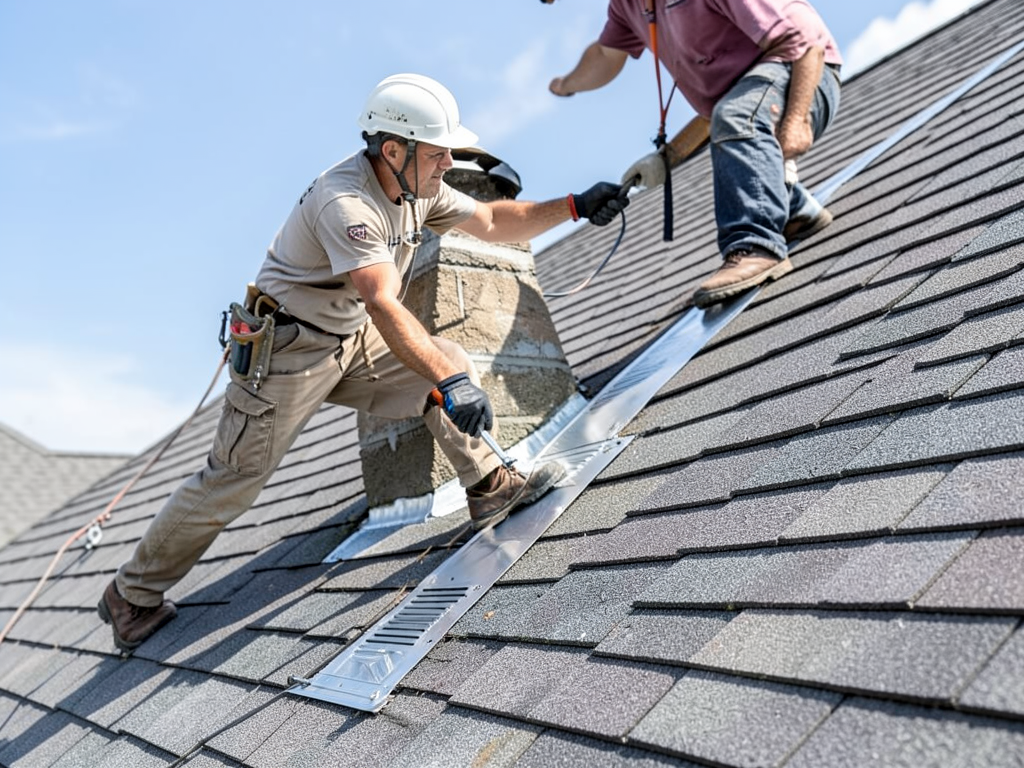
Roof leaks rarely appear where water actually enters. Our diagnostic specialists trace water paths through attic spaces, around penetrations, and along valley channels to find the true failure point. We use thermal imaging when needed to detect moisture trapped in decking. Once we locate the source, we repair with proper flashing techniques, not temporary sealant patches. Valley repairs, chimney reflashing, and penetration sealing all follow manufacturer specifications to guarantee water-tight performance.
When repair costs approach replacement value, full roof installation makes better financial sense. We tear off old materials, inspect and repair decking damage, install ice and water barrier in vulnerable areas, and apply new shingles with proper nail patterns for Oklahoma wind loads. You choose from impact-resistant shingles in multiple profiles and colors. We upgrade ventilation systems, install new pipe boots and flashings, and guarantee workmanship for years beyond manufacturer warranties.
Oklahoma City roofs fail in predictable patterns. Our climate creates specific stress points where damage concentrates. Understanding these common problems helps homeowners recognize issues before minor damage becomes structural.
Hail damage appears as divots in shingles, crushed granules, and cracked flashing around vents. Even small hail creates fractures that expand during freeze-thaw cycles. Wind damage lifts shingle edges, tears ridge caps, and peels back entire sections when attachment patterns do not meet current wind load requirements.
Thermal cycling between summer heat and winter cold causes shingle brittleness and sealant failure. Shingles bake during 100-degree afternoons, then contract during freezing nights. This constant expansion and contraction breaks down asphalt composition and creates micro-cracks that admit water.
Soil movement stresses roof structures from below. When clay soil swells during wet periods or shrinks during drought, it shifts foundations and walls. This movement transfers to the roof plane, creating stress cracks at valleys, hips, and ridge lines. Homes in older neighborhoods see this damage more frequently because original construction did not account for Oklahoma soil behavior.
Hail strikes create craters in shingles and knock protective granules loose. Even small hail compromises the waterproof layer, exposing asphalt to UV degradation. Damage appears as dark spots where granules are missing and shiny areas where impact compressed the surface. This damage accelerates aging and creates leak points within months.
Oklahoma wind gusts exceed the pull strength of improperly nailed shingles. Edges lift, corners tear away, and entire sections peel back during severe storms. Ridge caps are especially vulnerable because they catch wind from both sides. Once wind gets under a shingle edge, it propagates down the roof line and exposes underlayment to weather.
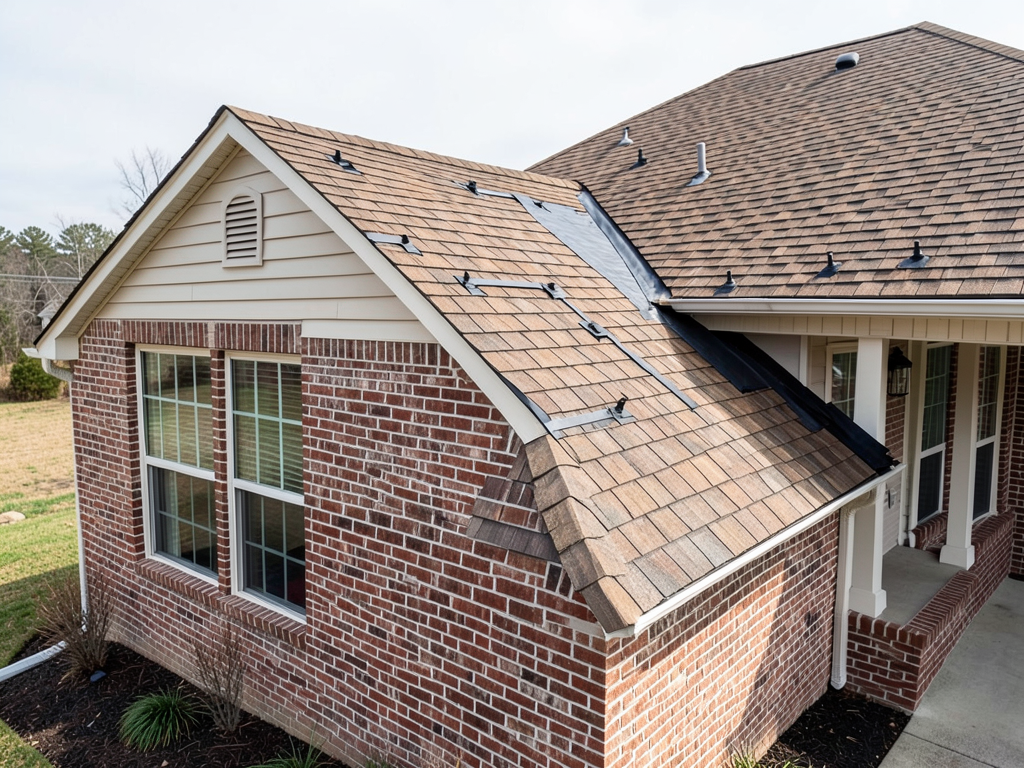
Valleys concentrate water flow and debris accumulation. Flashing in these areas takes constant stress from thermal expansion, ice formation, and water volume. Old flashing cracks, sealants fail, and improper installation creates channels where water runs under shingles. Valley leaks often appear in ceilings far from the actual entry point because water travels along rafters.
Clay soil beneath Oklahoma City homes swells when wet and shrinks when dry. This constant movement shifts foundations, which transfers stress to roof structures. Cracks appear at hips and valleys where two roof planes meet. Chimney flashing separates from the structure. Ridge lines develop waves and dips. These issues require structural repair, not just shingle replacement.
Roofing projects create anxiety because you cannot see the work happening and you depend entirely on contractor honesty. United Roofing Oklahoma City built our reputation on transparent communication and delivering exactly what we promise.
You will never wonder about project status. We provide timeline estimates before work starts, update you when crews arrive and leave, and explain any complications the moment we find them. If we discover additional damage during tear-off, we photograph it, explain the problem in plain language, and give you options before proceeding.
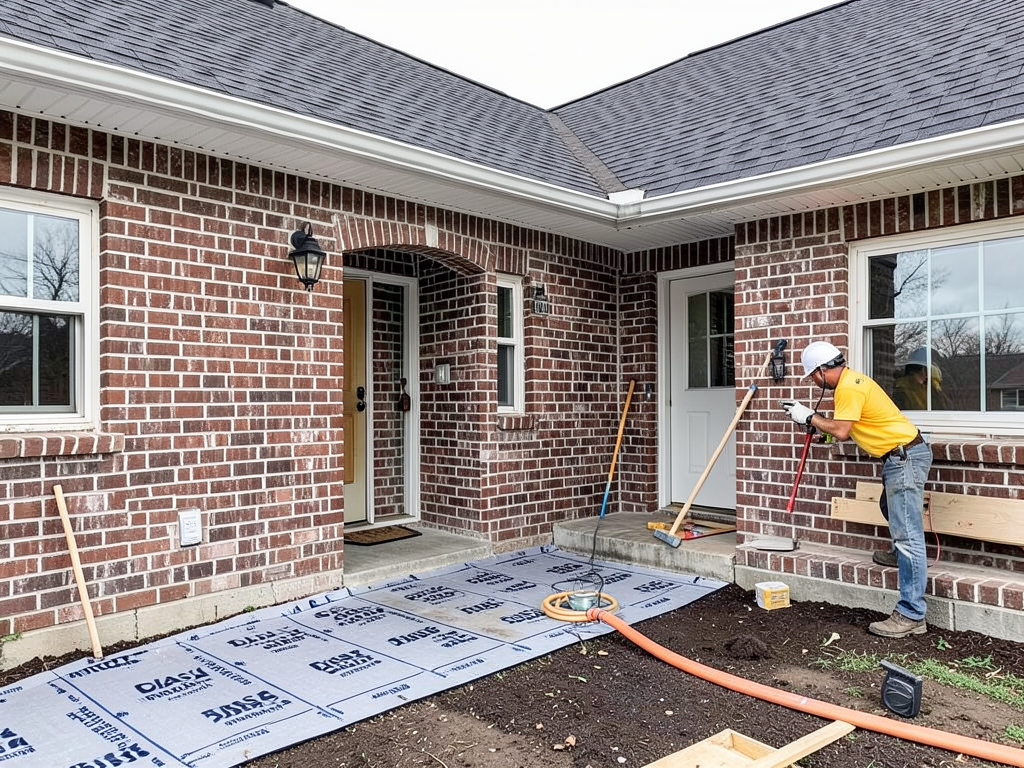
Our crews treat your property like their own. We protect landscaping with plywood walkways, use tarps to catch debris, and magnet-sweep your yard three times to remove every nail. We know roof work creates mess, so we contain it and clean thoroughly when finished.
You get written documentation of everything. Material specifications, warranty terms, installation methods, and inspection results all go in writing. Nothing stays verbal. If your insurance requires specific documentation, we provide it in the format they need. When you sell the home years later, the next owner receives complete records of roof work and remaining warranty coverage.
We explain what happens next before it happens. You receive a detailed timeline during the estimate, updates when crews dispatch, and immediate notification if we find unexpected damage. No surprises, no silence, no wondering when work will start. Our project managers answer phones directly and respond to texts within an hour during business hours. You always know the current status and next steps.
Roof tear-off creates thousands of nails, shingle debris, and material scraps. We protect your landscaping before work starts, contain debris during removal, and magnet-sweep your entire yard multiple times when finished. Crews haul away all materials the same day. Your lawn, gardens, and driveway look exactly as they did before we arrived, just with a new roof overhead.
You receive written specifications for every material we install, warranty terms in plain language, and photo documentation of completed work. Insurance companies get the exact paperwork they require. Future buyers receive transferable warranty information. Nothing stays verbal or vague. If we promise it during the estimate, it appears in writing before work starts and in final documentation when we finish.
We keep the process simple because roof work should not create confusion. Three clear stages take you from damaged roof to complete protection.
We inspect your roof thoroughly, photograph all damage, and create a detailed scope of required repairs. If insurance is involved, we document everything to claim standards and attend the adjuster meeting with you. You receive a written estimate with material specifications, timeline, and cost breakdown. We explain what we found, why certain repairs are necessary, and what happens if you delay work.
Crews arrive on schedule, protect your property, and complete work according to the approved plan. We follow manufacturer installation specifications exactly, use proper nail patterns for Oklahoma wind loads, and install all flashing and underlayment to code requirements. Project managers inspect work at completion before crews leave. Any issues get corrected immediately, not after you discover them.
We walk the completed project with you, answer any questions, and provide all warranty documentation in writing. You receive photos of finished work, material specifications, and care instructions. We confirm your yard is clean, all debris is removed, and your property looks perfect. Your insurance company gets required completion documentation. You get our direct contact information for any future questions or concerns.
Oklahoma City falls under the International Residential Code with local amendments that address our specific wind and weather conditions. The city requires building permits for roof replacement, and inspectors check attachment patterns, flashing details, and ventilation adequacy.
Wind load requirements vary by roof pitch and building height, but most residential installations require shingles rated for 110 mph wind resistance minimum. Many insurance companies now mandate Class 4 impact-resistant shingles in hail-prone zones, which covers most of the Oklahoma City metro. These requirements exist because standard three-tab shingles fail rapidly in our climate.
Proper installation requires six nails per shingle in high-wind zones, placed in the nailing strip according to manufacturer specifications. Hand-sealing is required on the first three courses and along all rakes and eaves. Ridge caps require special high-wind installation methods with longer fasteners and closer spacing. Inspectors specifically check these details because improper nailing causes most wind damage.
Underlayment standards have evolved significantly. Ice and water barrier is now required in valleys, around penetrations, and along eaves in areas subject to ice damming. Synthetic underlayment has largely replaced felt paper because it handles UV exposure during installation delays and resists tearing during high winds. The material costs more but dramatically improves long-term performance.
Ventilation requirements mandate one square foot of net free ventilation area per 150 square feet of attic space. Inadequate ventilation causes premature shingle failure from heat buildup and creates ice dam conditions in winter. Most older homes have insufficient ventilation, which is why we assess and often upgrade venting during replacement projects.
Flashing must be corrosion-resistant metal, properly lapped, and sealed with appropriate compounds. Step flashing at walls, continuous flashing at chimneys, and valley flashing all follow specific installation sequences. Improper flashing causes more leaks than any other single factor, which is why we focus heavily on these details during both repairs and new installations.
Oklahoma City code requires minimum 110 mph wind-rated shingles, with many areas now mandating Class 4 impact resistance. These ratings ensure materials survive our spring hailstorms and wind events. Proper nail patterns, six per shingle in high-wind zones, are verified during inspections. Using lower-rated materials voids warranties and fails inspection.
Roof replacement costs vary based on pitch steepness, number of penetrations, accessibility, and material quality selected. Complex roofs with multiple valleys, dormers, and chimneys require more labor and flashing work. Impact-resistant architectural shingles cost more than standard three-tab but last longer and often reduce insurance premiums. Decking repairs discovered during tear-off add to total investment.
Most residential roof replacements complete in one to three days depending on size and complexity. Emergency tarping happens within hours of your call. Insurance claims add one to two weeks for adjuster scheduling and approval. Weather delays are common during spring storm season. Quality installation cannot be rushed, which is why we provide realistic timelines upfront rather than promising unrealistic completion dates.
Oklahoma City requires building permits for roof replacement, which we obtain on your behalf. Inspectors verify proper installation methods, adequate ventilation, and correct flashing details. Permits protect you by ensuring work meets code standards. We schedule inspections, address any items noted, and provide you with final approval documentation for your records and future home sales.
United Roofing Oklahoma City explains common storm damage patterns affecting metro area homes, proper insurance claim documentation, and repair techniques for hail impact, wind damage, and leak issues. Learn how Oklahoma weather creates specific roofing challenges, what materials perform best in our climate, and why fast professional response prevents minor damage from becoming structural problems requiring complete replacement.
United Roofing Oklahoma City serves the entire metro area, from historic neighborhoods near downtown to newer developments in Edmond and Moore. We maintain equipment and material staging in central locations that put our crews within quick response distance of any Oklahoma City address.
Homes in Heritage Hills and Mesta Park feature steep-pitch roofs and complex architectural details that require specialized repair techniques. These older neighborhoods often have original slate or tile roofing mixed with later asphalt installations, creating challenges when matching materials and blending repairs. We work extensively in these areas and understand the specific requirements of historic home roofing.
The Nichols Hills area presents different challenges with mature tree coverage creating constant debris accumulation and shade that promotes moss growth. North-facing roof slopes in these neighborhoods never fully dry between weather events, making proper ventilation and moisture barriers critical. We have developed specific maintenance and repair protocols for homes under heavy canopy coverage.
Edmond's newer construction to the north often uses builder-grade materials installed to minimum code standards. Homeowners in these areas frequently need upgrades to impact-resistant shingles and improved ventilation systems. We handle numerous insurance claims in Edmond following hailstorms because the area sits in a high-frequency hail corridor.
South Oklahoma City and Moore communities know storm damage intimately. We have rebuilt hundreds of roofs in these areas following tornado and severe weather events. Our crews are familiar with every neighborhood, understand local building department requirements, and maintain relationships with insurance adjusters who work these territories regularly.
The area near Lake Hefner experiences higher sustained wind loads than neighborhoods further east. Homes along the lake shore require enhanced attachment methods and wind-rated materials that exceed minimum code requirements. We factor these location-specific needs into every estimate and installation in exposed areas.
Midwest City and Del City present a mix of older homes needing full replacement and newer construction requiring storm damage repair. The proximity to Tinker Air Force Base means many homeowners are navigating insurance claims while relocating or deploying, so we handle paperwork and coordination with minimal homeowner involvement required.
A new roof in Oklahoma City costs between $8,000 and $25,000 for most homes. Final pricing depends on roof size, pitch complexity, material choice, and removal of existing layers. Asphalt shingles are the most budget-friendly option, while architectural shingles and metal roofing cost more. Oklahoma's severe weather, including hail storms and high winds, often means insurance covers replacement if damage is documented. Get multiple quotes from licensed contractors who understand local building codes and can spot wind or hail damage specific to central Oklahoma's climate.
A 2,000 square foot roof in Oklahoma City runs between $7,500 and $15,000 for asphalt shingles. This includes tear-off, disposal, underlayment, and installation. Factors like roof pitch, number of valleys, chimney flashing, and skylight work add to the base price. Oklahoma's clay soil and temperature swings require quality underlayment and proper ventilation to prevent premature failure. Metal roofing or impact-resistant shingles cost 20 to 40 percent more but offer better hail protection, which matters in our storm-prone region.
Replacing a 5,000 square foot roof in Oklahoma City costs between $18,000 and $40,000. Commercial properties or larger homes require more labor, materials, and often specialized equipment. Flat or low-slope roofs common on commercial buildings need different systems like TPO or modified bitumen, which affect pricing. Oklahoma's extreme weather demands proper drainage and wind-rated materials. Insurance often covers storm damage, so document hail impacts or wind tears. Always verify your contractor carries workers' compensation and liability coverage for projects this size.
A new roof in Oklahoma City costs between $8,000 and $25,000 for most homes. Final pricing depends on roof size, pitch complexity, material choice, and removal of existing layers. Asphalt shingles are the most budget-friendly option, while architectural shingles and metal roofing cost more. Oklahoma's severe weather, including hail storms and high winds, often means insurance covers replacement if damage is documented. Get multiple quotes from licensed contractors who understand local building codes and can spot wind or hail damage specific to central Oklahoma's climate.
A 2,000 square foot roof in Oklahoma City runs between $7,500 and $15,000 for asphalt shingles. This includes tear-off, disposal, underlayment, and installation. Factors like roof pitch, number of valleys, chimney flashing, and skylight work add to the base price. Oklahoma's clay soil and temperature swings require quality underlayment and proper ventilation to prevent premature failure. Metal roofing or impact-resistant shingles cost 20 to 40 percent more but offer better hail protection, which matters in our storm-prone region.
Replacing a 5,000 square foot roof in Oklahoma City costs between $18,000 and $40,000. Commercial properties or larger homes require more labor, materials, and often specialized equipment. Flat or low-slope roofs common on commercial buildings need different systems like TPO or modified bitumen, which affect pricing. Oklahoma's extreme weather demands proper drainage and wind-rated materials. Insurance often covers storm damage, so document hail impacts or wind tears. Always verify your contractor carries workers' compensation and liability coverage for projects this size.
Oklahoma's roofing statute requires contractors to be registered and insured. The state does not mandate specific shingle impact ratings statewide, but some Oklahoma City municipalities encourage Class 4 impact-resistant shingles for insurance discounts. Contractors must provide written contracts detailing scope, costs, and timelines. Oklahoma law prohibits contractors from waiving insurance deductibles or inflating claims. Homeowners should verify contractor licensing and avoid anyone offering to pay your deductible, as this violates state insurance fraud statutes and can void your claim.
A 20-year-old roof should be replaced in most cases. Asphalt shingles in Oklahoma City rarely last beyond 18 to 22 years due to intense UV exposure, hail damage, and temperature extremes. Check for curling shingles, granule loss in gutters, or visible decking through worn spots. Even without leaks, aging roofs lose wind resistance and fail inspections during home sales. If your roof is 20 years old, schedule an inspection. Proactive replacement prevents interior water damage and maintains insurance coverage.
A new roof on a 1,400 square foot house in Oklahoma City costs between $6,000 and $12,000 for asphalt shingles. This assumes a standard pitch and basic design. Steeper roofs or homes with multiple levels, chimneys, or skylights increase labor costs. Oklahoma's weather requires quality ice and water shield along eaves and valleys to prevent wind-driven rain intrusion. Get three quotes and verify contractors understand local wind load requirements. Many OKC homeowners choose impact-resistant shingles for hail protection and insurance discounts.
Labor is the most expensive part of roof replacement, accounting for 40 to 60 percent of total costs. Tear-off and disposal of old materials add to labor hours. Decking replacement, which is common in Oklahoma City due to hail and moisture damage from storm-driven rain, can add $2 to $4 per square foot. Complex roof designs with multiple valleys, dormers, or steep pitches require more time and skill. Quality underlayment and flashing materials also contribute, but skilled installation prevents future leaks.
Roofing prices are unlikely to drop significantly in 2025. Material costs remain elevated due to supply chain pressures and increased demand for impact-resistant products in hail-prone areas like Oklahoma City. Labor shortages keep installation costs high. However, off-season scheduling in late fall or winter can yield modest discounts, as contractors have lighter workloads. Insurance claims from severe weather keep demand steady year-round in central Oklahoma. Focus on value and proper installation over chasing the lowest bid.
Save money by scheduling your roof replacement during fall or winter when contractors offer lower rates due to reduced demand. Get multiple quotes and compare material warranties. Consider asphalt shingles over premium materials if budget is tight. File an insurance claim if you have storm damage, many Oklahoma City roofs qualify after hail or wind events. Avoid financing with high interest rates. Bundle projects like gutter replacement to negotiate better pricing. Never sacrifice quality underlayment or flashing to cut costs, as these prevent expensive leaks.
Fall is the best time to replace a roof in Oklahoma City. Temperatures between 50 and 75 degrees allow shingles to seal properly without heat damage or cold brittleness. Spring is acceptable but expect higher demand and scheduling delays due to storm damage repairs. Avoid summer's extreme heat, which stresses crews and can cause shingle blistering during installation. Winter installations are possible but require experienced crews and proper adhesive techniques. Schedule inspections after severe weather, then book work during moderate weather for optimal results.
Oklahoma's roofing statute requires contractors to be registered and insured. The state does not mandate specific shingle impact ratings statewide, but some Oklahoma City municipalities encourage Class 4 impact-resistant shingles for insurance discounts. Contractors must provide written contracts detailing scope, costs, and timelines. Oklahoma law prohibits contractors from waiving insurance deductibles or inflating claims. Homeowners should verify contractor licensing and avoid anyone offering to pay your deductible, as this violates state insurance fraud statutes and can void your claim.
A 20-year-old roof should be replaced in most cases. Asphalt shingles in Oklahoma City rarely last beyond 18 to 22 years due to intense UV exposure, hail damage, and temperature extremes. Check for curling shingles, granule loss in gutters, or visible decking through worn spots. Even without leaks, aging roofs lose wind resistance and fail inspections during home sales. If your roof is 20 years old, schedule an inspection. Proactive replacement prevents interior water damage and maintains insurance coverage.
A new roof on a 1,400 square foot house in Oklahoma City costs between $6,000 and $12,000 for asphalt shingles. This assumes a standard pitch and basic design. Steeper roofs or homes with multiple levels, chimneys, or skylights increase labor costs. Oklahoma's weather requires quality ice and water shield along eaves and valleys to prevent wind-driven rain intrusion. Get three quotes and verify contractors understand local wind load requirements. Many OKC homeowners choose impact-resistant shingles for hail protection and insurance discounts.
Labor is the most expensive part of roof replacement, accounting for 40 to 60 percent of total costs. Tear-off and disposal of old materials add to labor hours. Decking replacement, which is common in Oklahoma City due to hail and moisture damage from storm-driven rain, can add $2 to $4 per square foot. Complex roof designs with multiple valleys, dormers, or steep pitches require more time and skill. Quality underlayment and flashing materials also contribute, but skilled installation prevents future leaks.
Roofing prices are unlikely to drop significantly in 2025. Material costs remain elevated due to supply chain pressures and increased demand for impact-resistant products in hail-prone areas like Oklahoma City. Labor shortages keep installation costs high. However, off-season scheduling in late fall or winter can yield modest discounts, as contractors have lighter workloads. Insurance claims from severe weather keep demand steady year-round in central Oklahoma. Focus on value and proper installation over chasing the lowest bid.
Save money by scheduling your roof replacement during fall or winter when contractors offer lower rates due to reduced demand. Get multiple quotes and compare material warranties. Consider asphalt shingles over premium materials if budget is tight. File an insurance claim if you have storm damage, many Oklahoma City roofs qualify after hail or wind events. Avoid financing with high interest rates. Bundle projects like gutter replacement to negotiate better pricing. Never sacrifice quality underlayment or flashing to cut costs, as these prevent expensive leaks.
Fall is the best time to replace a roof in Oklahoma City. Temperatures between 50 and 75 degrees allow shingles to seal properly without heat damage or cold brittleness. Spring is acceptable but expect higher demand and scheduling delays due to storm damage repairs. Avoid summer's extreme heat, which stresses crews and can cause shingle blistering during installation. Winter installations are possible but require experienced crews and proper adhesive techniques. Schedule inspections after severe weather, then book work during moderate weather for optimal results.
Our dedicated team is proud to serve homeowners and businesses across the entire Oklahoma City metropolitan area and its surrounding communities. We're committed to bringing our expert roofing services directly to you, no matter where you are in our service radius. We encourage you to contact us to discuss your project, and we will be on our way to assist you with your roofing needs.
Address:
Oklahoma City, OK, 73102

Choosing a Roof Color That Won't Fade Under the Intense Yukon Sun\p>Oklahoma's extreme UV exposure and 100-degree summers make roof color choice critical for both appearance and energy efficiency. The intense sun in Yukon and…
How Class 4 Shingle Discounts Actually Work with Oklahoma Insurance Providers Oklahoma homeowners face some…
Why a Small Chimney Cricket is Essential for Preventing Leaks on Steep Newcastle Rooflines Water…
Navigating Strict Roofing Covenants in Newer Edmond Neighborhoods like Twin Bridges Edmond homeowners face a…
Roof damage gets worse every day you wait. Call United Roofing Oklahoma City now at (405) 507-3933 for emergency repairs, leak diagnosis, or complete roof replacement. We dispatch crews fast, handle your insurance claim, and stop the damage before it destroys your home.