
menu

Attic Ventilation Systems in Oklahoma City – Engineered to Combat Extreme Heat and Moisture Year-Round

Professional attic ventilation systems designed for Oklahoma City's brutal summer heat and unpredictable humidity cycles, protecting your roof deck and cutting cooling costs through balanced airflow engineering.

Slider Image 1
Slider Image 2
Slider Image 3
Slider Image 4
Slider Image 5
Slider Image 7
Slider Image 8
Slider Image 9
Slider Image 10
Slider Image 11

Why Oklahoma City Attics Fail Without Proper Ventilation

Oklahoma City experiences temperature swings that punish attic spaces. Summer temperatures routinely exceed 95 degrees, pushing attic temperatures past 150 degrees without adequate roof ventilation. Winter months bring freeze-thaw cycles that create ice dams when warm attic air melts snow on your roof deck, only to refreeze at the eaves.

The clay soil foundation shifts common to this region compound these problems. As your home settles, gaps form in soffits and ridge lines. These gaps disrupt balanced attic venting, trapping superheated air in summer and moisture during spring thunderstorms. You see the symptoms in your utility bills first. Air conditioning systems cycle constantly, fighting against heat radiating down from an overheated attic. Then comes the visible damage: curled shingles, premature granule loss, and dark streaks where moisture has compromised your roof deck.

The neighborhoods around Lake Hefner and Nichols Hills deal with additional moisture pressure from proximity to water. Without functional roof airflow systems, condensation forms on roof sheathing during temperature drops. This standing moisture feeds mold growth and wood rot. Your insulation becomes waterlogged, losing R-value and creating perfect conditions for structural decay.

Most homeowners discover ventilation failure only after replacing a roof prematurely or when an HVAC technician points to the attic as the source of cooling inefficiency. Proper attic exhaust systems prevent these cascading failures by maintaining temperature equilibrium and controlling moisture migration. The fix requires engineering calculation, not guesswork.

Why Oklahoma City Attics Fail Without Proper Ventilation
How Balanced Ventilation Engineering Protects Your Investment

How Balanced Ventilation Engineering Protects Your Investment

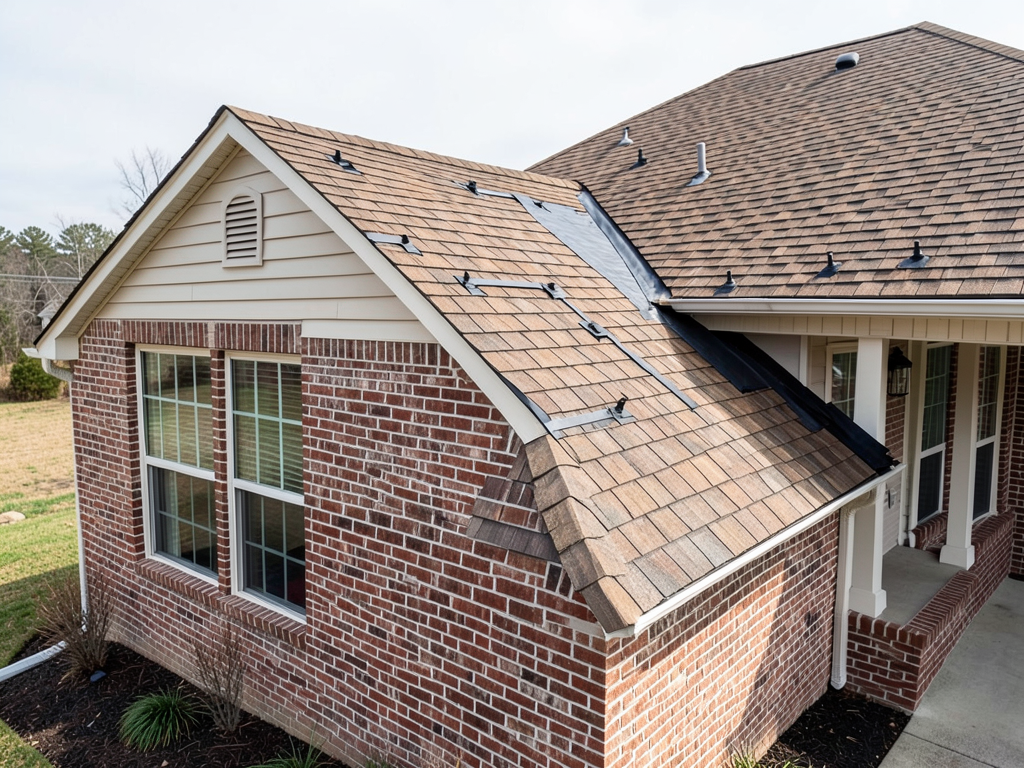
Effective roof venting systems require precise intake-to-exhaust ratios. We calculate your attic's square footage and apply the 1:300 rule mandated by building codes, then verify soffit intake capacity matches ridge exhaust output. This creates continuous airflow that draws cool air through soffits and expels heat through ridge vents or static vents positioned near the roof peak.

The process starts with thermal imaging to identify hot spots and airflow dead zones. We measure existing vent net free area against your attic volume. Most Oklahoma City homes built before 2010 have insufficient intake venting. Builders installed adequate ridge vents but blocked soffit channels with insulation or never cut proper soffit vents during construction. This creates negative pressure that pulls conditioned air from your living space while failing to evacuate attic heat.

We address intake deficiencies first by installing continuous soffit vents or adding gable vents where soffits are inaccessible. For exhaust, we evaluate whether your roof pitch and design work better with ridge vents, box vents, or turbine vents. Each system has specific applications. Ridge vents work on longer roof runs with adequate soffit intake. Box vents suit complex rooflines with multiple peaks. Turbine vents add mechanical advantage in areas with consistent wind patterns.

Baffles installed between rafters maintain airflow channels from soffit to ridge, preventing insulation from blocking intake paths. We verify attic insulation depth meets current R-38 standards for Oklahoma while maintaining the two-inch clearance between insulation and roof deck required for proper ventilation. This combination of controlled airflow and adequate insulation creates a thermal barrier that reduces cooling loads and extends roof life.

What Happens During Your Ventilation System Installation

Attic Ventilation Systems in Oklahoma City – Engineered to Combat Extreme Heat and Moisture Year-Round
01

Attic Airflow Assessment

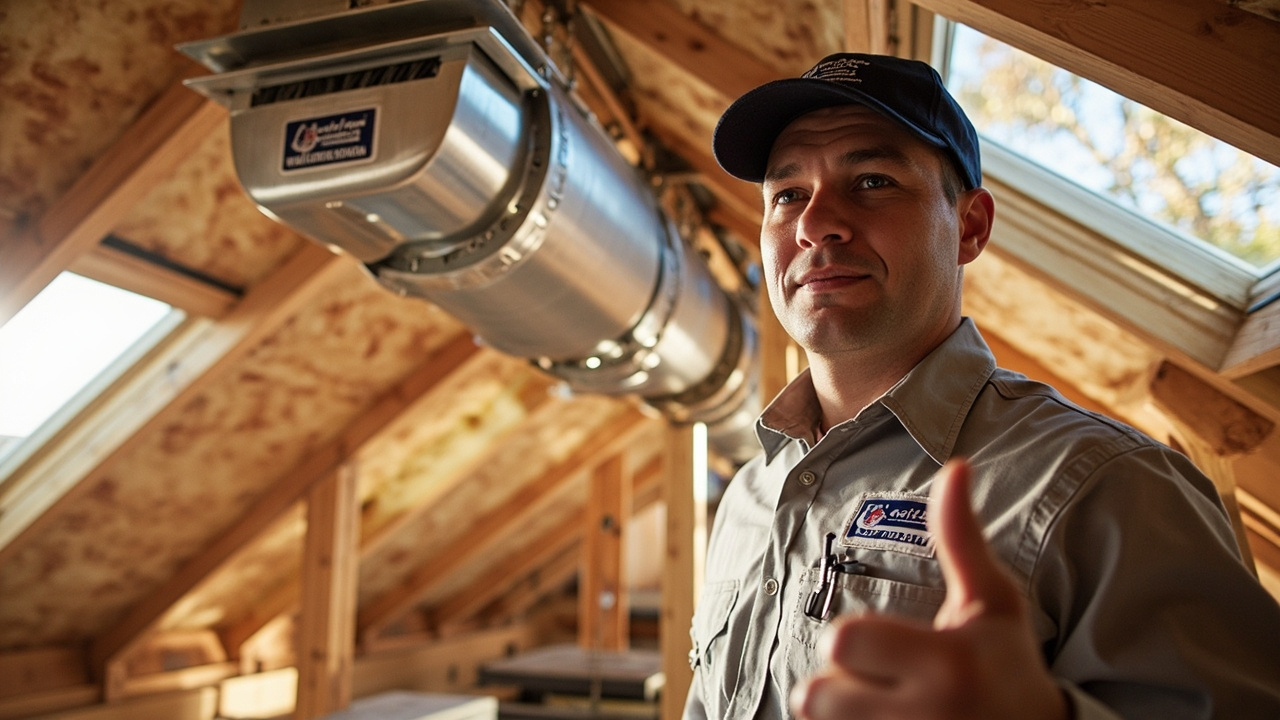
We inspect your attic space with thermal cameras and airflow meters to map heat distribution and identify ventilation blockages. Measurements of existing vent net free area determine whether your system meets code requirements for intake and exhaust balance. This diagnostic phase reveals whether you need additional intake vents, exhaust capacity, or both to achieve proper roof airflow systems performance.
02

Custom Ventilation Design

Based on your roof pitch, attic volume, and existing infrastructure, we engineer a ventilation solution that balances intake and exhaust. The design accounts for your neighborhood's wind patterns and roof complexity. We specify vent types, quantities, and placement to create continuous airflow without creating pressure imbalances that could lift shingles during Oklahoma's severe thunderstorm season.
03

Installation and Verification

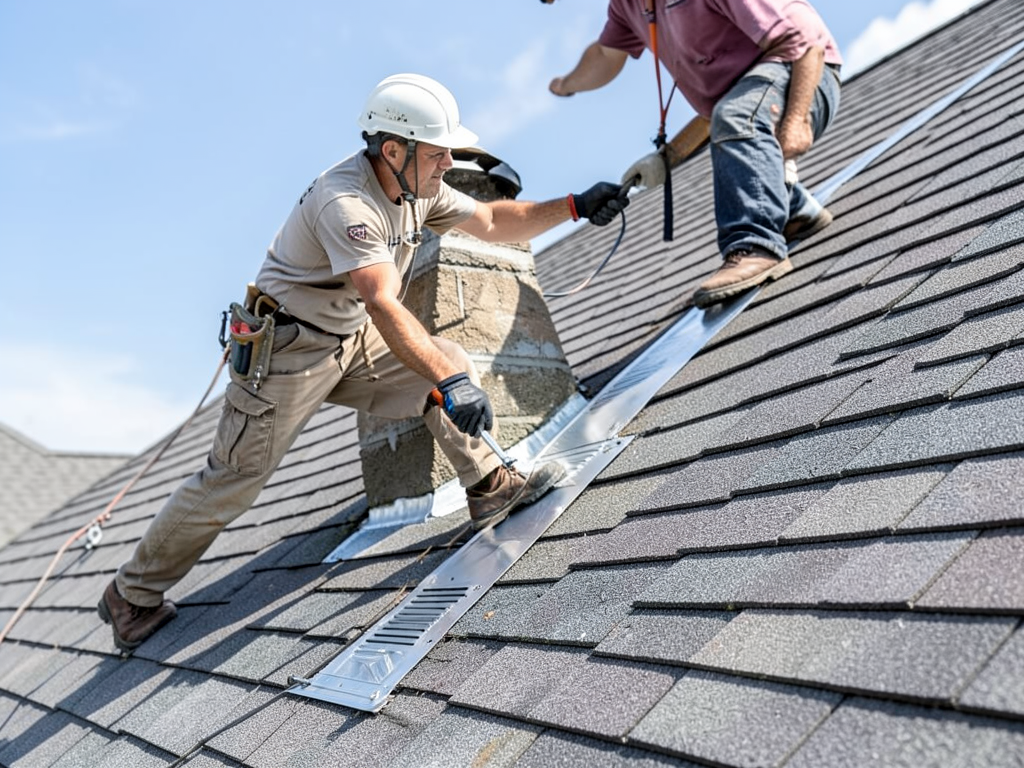
Installation includes cutting openings for new vents, installing baffles between rafters, and sealing penetrations to prevent weather infiltration. We verify airflow with smoke tests and temperature measurements taken at multiple points. Post-installation documentation shows before and after thermal readings, confirming your attic ventilation systems now maintain proper temperature differentials and humidity control.

Why Oklahoma City Homeowners Trust Local Ventilation Expertise

Oklahoma City's building codes require specific ventilation ratios that change based on roof pitch and attic configuration. United Roofing Oklahoma City works within these regulations daily, understanding how local inspectors interpret code requirements and what documentation they expect for permit approval. This familiarity prevents installation delays and ensures your ventilation upgrade passes inspection on the first review.

Our experience with Oklahoma's weather patterns informs every design decision. We account for the spring storm season that brings rapid temperature changes and high humidity. Summer heat that can push attic temperatures to dangerous levels requires exhaust capacity that exceeds minimum code requirements. Winter ice dam prevention needs intake airflow that many standard installations overlook. These climate-specific considerations separate functional ventilation from systems that technically meet code but fail under real-world conditions.

The neighborhoods around Quail Creek and Deer Creek have specific architectural styles that require customized approaches. Hip roofs common in these areas need careful vent placement to avoid creating wind-driven rain infiltration. Historic districts near Heritage Hills have aesthetic requirements that limit vent visibility from street level. We design solutions that respect these constraints while delivering performance.

Homeowners choose us because we explain the engineering behind ventilation decisions. You understand why we recommend specific vent types and quantities rather than accepting generic solutions. This transparency extends to addressing existing problems like inadequate insulation depth or improperly installed vapor barriers that compromise ventilation effectiveness. We fix the complete system, not just add vents and hope for improvement. Our approach reduces your long-term costs by preventing premature roof replacement and lowering cooling expenses through better thermal management.

What Your Ventilation System Installation Includes

Project Timeline and Scheduling

Most attic venting installations complete in one to two days, depending on the number of vents required and roof accessibility. We schedule work during mild weather when possible to minimize exposure time for attic openings. Complex installations requiring structural modifications or extensive soffit work may extend to three days. You receive a detailed timeline before work begins, with daily progress updates. We coordinate around your schedule to minimize disruption and protect your living space from dust and debris during installation.

Comprehensive Attic Evaluation

The initial assessment examines your entire attic environment, not just existing vents. We check insulation depth and placement, inspect roof sheathing for moisture damage, verify that bathroom and kitchen exhaust fans vent outside rather than into the attic, and identify any sources of air leakage from living spaces. This thorough evaluation often reveals underlying issues that compromise ventilation effectiveness. We document findings with photos and thermal images, then provide recommendations prioritized by impact on ventilation performance and roof longevity.

Engineered Performance Results

Properly installed roof ventilation systems reduce attic temperatures by 30 to 50 degrees during summer months. You notice the difference in cooling costs within the first billing cycle as your air conditioning runs less frequently. Balanced airflow eliminates moisture accumulation that causes mold growth and wood rot. Your roof shingles last longer because excessive heat no longer accelerates asphalt degradation. Winter ice dams disappear because warm air no longer escapes into the attic to melt snow on your roof deck. These measurable improvements protect your investment and increase home comfort.

Ongoing System Maintenance

Ventilation systems require minimal maintenance but benefit from periodic inspection. We recommend annual checks to verify that intake vents remain clear of debris, insulation has not shifted to block airflow channels, and exhaust vents show no signs of weather damage or pest infiltration. These inspections take less than an hour and prevent small issues from developing into major problems. You receive documentation of system performance with recommendations for any adjustments needed to maintain optimal airflow as your home ages and settles.

Frequently Asked Questions

You Have Questions,
We Have Answers

What is the best attic ventilation method? +

Ridge vents paired with soffit vents create the most effective attic ventilation method for Oklahoma City homes. This passive system uses natural convection to pull cool air through soffit intakes and exhaust hot air at the roof peak. Oklahoma City's extreme summer heat demands continuous ventilation, and ridge vents provide consistent airflow without mechanical parts that fail. This balanced approach prevents moisture buildup during humid springs and reduces attic temperatures by 20-30 degrees in summer. Avoid mixing ventilation types, which disrupts airflow patterns. Ridge vents work year-round without electricity costs or maintenance.

Why don't people use attic fans anymore? +

Attic fans fell out of favor because they create more problems than they solve. Powered fans can depressurize your attic, pulling conditioned air from your living space through ceiling penetrations and wasting energy. They require electrical work, ongoing maintenance, and replacement when motors fail. Oklahoma City's temperature swings put extra strain on mechanical components. Modern building science proves passive ventilation through ridge and soffit vents moves more air consistently without electricity costs. Fans also create potential leak points during our intense thunderstorms. Continuous ridge ventilation is cheaper, maintenance-free, and more effective.

What are the three types of attic ventilation? +

The three main attic ventilation types are exhaust vents, intake vents, and combination systems. Exhaust vents include ridge vents, gable vents, and roof louvers that release hot air. Intake vents are typically soffit vents installed under eaves to draw fresh air in. Combination systems pair intake and exhaust vents for balanced airflow. Oklahoma City homes perform best with continuous soffit intake paired with ridge exhaust, creating natural convection. Box vents and turbines are outdated exhaust options that create uneven airflow. Proper ventilation requires both intake and exhaust working together.

How much does it cost to ventilate an attic? +

Attic ventilation installation in Oklahoma City ranges from budget-friendly to premium depending on system type and roof complexity. Passive ridge vent systems are the most cost-effective long-term solution with no operating costs. Soffit vent installation varies based on whether eaves need modification. Gable vents are simpler but less effective. Powered attic fans cost more upfront and add monthly electricity expenses. Hip roofs common in older Oklahoma City neighborhoods require more labor than simple gable designs. Get multiple quotes and prioritize passive systems that match our climate needs without ongoing costs.

What is the 7 and 7 rule for attics? +

The 7 and 7 rule is outdated guidance suggesting 7 square feet of ventilation per 1,000 square feet of attic space, split between intake and exhaust. Modern building codes in Oklahoma require 1 square foot of net free ventilation area per 150 square feet of attic space when balanced properly. This equals roughly 1 square foot per 300 square feet if you use a vapor barrier. Oklahoma City's climate demands proper calculation based on actual attic size and roof pitch. Balanced intake and exhaust is more important than hitting arbitrary numbers.

Why did roofers turn to ridge vents instead of attic fans? +

Roofers switched to ridge vents because they outperform attic fans in every measurable way. Ridge vents provide continuous exhaust along the entire roof peak, moving more air than isolated box vents or fans. They require no electricity, have no moving parts to fail, and work during Oklahoma City's frequent power outages. Fans depressurize attics and pull conditioned air from living spaces, wasting energy. Ridge vents create even airflow that prevents hot spots. They also maintain roof aesthetics better and last the lifetime of your roof without maintenance.

What is the rule of thumb for attic ventilation? +

The rule of thumb for attic ventilation is one square foot of net free area per 150 square feet of attic floor space, balanced 50/50 between intake and exhaust. Oklahoma City homes need continuous soffit intake combined with ridge exhaust to handle summer heat exceeding 100 degrees. Calculate actual net free area, not just vent size, because screens and louvers reduce airflow. Balanced ventilation prevents moisture problems during humid spring months and ice damming during occasional winter freezes. Verify your system moves air naturally without relying on mechanical assistance.

What are the downsides of attic fans? +

Attic fans waste energy by depressurizing your attic and pulling expensive conditioned air from your home through ceiling gaps. They require electrical installation, increase fire risk, add ongoing electricity costs, and fail when motors burn out. In Oklahoma City's summer heat, fans run constantly but cannot match passive ventilation efficiency. Fans also create roof penetrations that leak during thunderstorms. Thermostats often malfunction, causing fans to run unnecessarily. The noise bothers homeowners, and repair costs add up. Passive ridge ventilation eliminates these problems while providing superior continuous airflow.

Are ceiling fans outdated in 2025? +

This question confuses attic ventilation with ceiling fans inside living spaces. Ceiling fans in bedrooms and living areas remain popular in 2025 because they reduce cooling costs and improve comfort. They circulate air efficiently in Oklahoma City's long cooling season. Attic fans, which ventilate the attic space itself, are outdated and wasteful. Modern homes in the Oklahoma City metro use passive attic ventilation through ridge and soffit vents instead of powered attic fans. Ceiling fans in your home save money. Attic fans waste it.

Which is better, an attic fan or a ridge vent? +

Ridge vents outperform attic fans in efficiency, cost, and reliability for Oklahoma City homes. Ridge vents provide continuous passive exhaust along the entire roof peak, moving hot air naturally without electricity. They work during power outages, require zero maintenance, and last 30-plus years. Attic fans depressurize your space, pull conditioned air from your home, cost money to operate, and fail when motors burn out. Ridge vents paired with soffit intake create balanced airflow that handles Oklahoma City's extreme temperatures and humidity without the problems mechanical fans create.

How Oklahoma City's Severe Weather Cycle Demands Superior Attic Airflow Systems

Oklahoma City ranks among the top ten U.S. cities for temperature variability, with summer highs reaching 110 degrees and winter lows dropping to single digits. This 100-degree annual swing creates expansion and contraction cycles that stress roof materials. Add frequent severe thunderstorms with hail and high winds, and your roof deck faces constant assault. Proper attic exhaust systems reduce thermal stress by preventing heat buildup that makes shingles brittle and prone to wind damage. The clay soil throughout the metro area compounds these challenges as foundation settlement disrupts the tight construction tolerances needed for balanced ventilation. Homes near Lake Overholser and the Oklahoma River deal with additional humidity from water proximity, making moisture control through effective roof venting systems critical for preventing mold and structural decay.

Oklahoma City building codes require ventilation systems that meet both intake and exhaust specifications, but enforcement varies across neighborhoods and jurisdictions. United Roofing Oklahoma City maintains relationships with local inspectors and understands their interpretation of code requirements. We design systems that exceed minimum standards because we have seen how borderline installations fail during Oklahoma's weather extremes. Our familiarity with architectural styles common to Nichols Hills, Edmond, and newer developments in northwest Oklahoma City ensures we recommend solutions that match your home's design while delivering measurable performance improvements. Choosing local expertise means your ventilation system accounts for regional climate challenges rather than generic national standards that do not address Oklahoma's specific weather patterns.
Roofing Services in The Oklahoma City Area

Our dedicated team is proud to serve homeowners and businesses across the entire Oklahoma City metropolitan area and its surrounding communities. We're committed to bringing our expert roofing services directly to you, no matter where you are in our service radius. We encourage you to contact us to discuss your project, and we will be on our way to assist you with your roofing needs.

Address:
United Roofing Oklahoma City, 5600 N May Ave, Oklahoma City, OK, 73112

Additional Services We Offer

Our news updates

Latest Articles & News from The Blogs

Common Ways New Homeowners Accidentally Void Their Roofing Warranty Your new roof represents a significant investment and the warranty that…

Common Ways New Homeowners Accidentally Void Their Roofing Warranty

Common Ways New Homeowners Accidentally Void Their Roofing Warranty Your new roof represents a significant investment and the warranty that…

How Much Noise Does a Metal Roof Really Make During an Oklahoma Rainstorm?

Is a Metal Roof Too Noisy During Oklahoma Storms? Oklahoma City homeowners considering metal roofing often worry about rain noise.…

Why Your Neighbors Are Choosing Class 4 Shingles Even if They Don't Have Hail Damage

Why Your Neighbors Are Choosing Class 4 Shingles Even if They Don’t Have Hail Damage Oklahoma City homeowners are making…

Contact Us

Stop paying for cooling costs that disappear into an overheated attic. Call United Roofing Oklahoma City at (405) 507-3933 for a thermal imaging assessment that shows exactly where your ventilation system is failing and what it takes to fix it.