menu

TPO Roofing Installation in Oklahoma City – Minimize Downtime and Maximize Asset Protection

Commercial-grade single-ply TPO roofing systems engineered for Oklahoma City's freeze-thaw cycles and hail exposure, installed with precision to protect your facility investment and maintain uninterrupted operations.

Slider Image 1
Slider Image 2
Slider Image 3
Slider Image 4
Slider Image 5
Slider Image 7
Slider Image 8
Slider Image 9
Slider Image 10
Slider Image 11

Why Oklahoma City Commercial Buildings Need TPO Membrane Roofing

Oklahoma City's climate creates unique challenges for commercial flat roofs. The area experiences dramatic temperature swings, with winter freeze-thaw cycles that cause substrate expansion and contraction, followed by intense summer UV exposure that degrades inferior roofing membranes. Add frequent hail events and the high wind loads typical of central Oklahoma, and you need a roofing system that can withstand repeated stress without compromising your building envelope.

Thermoplastic Polyolefin installation has become the dominant choice for commercial TPO roof systems across the Oklahoma City metro because of its superior resistance to thermal shock and impact damage. Unlike modified bitumen or EPDM, TPO membrane roofing reflects solar radiation, reducing cooling loads in facilities where HVAC costs directly impact operating margins. The heat-welded seams in single-ply TPO roofing create a monolithic barrier that prevents the moisture intrusion common with mechanically fastened systems.

Your facility cannot afford roof failure. A compromised roof membrane leads to water damage, inventory loss, production delays, and potential code violations during inspections. The clay soil prevalent throughout Oklahoma City shifts with moisture changes, creating additional stress on roof structures. TPO flat roof installation addresses these variables through flexible membrane construction that accommodates substrate movement without tearing or delamination.

Most commercial roof failures in this region stem from improper installation rather than material defects. Inadequate substrate preparation, incorrect fastener patterns, or poorly executed flashing details create vulnerability points where Oklahoma City's weather conditions exploit weakness.

Why Oklahoma City Commercial Buildings Need TPO Membrane Roofing
How We Engineer Commercial TPO Roof Systems for Long-Term Performance

How We Engineer Commercial TPO Roof Systems for Long-Term Performance

Effective TPO roofing installation begins with comprehensive structural assessment. We conduct core samples to verify decking integrity, measure existing insulation R-values, and calculate drainage patterns using laser levels. Oklahoma City's building codes require specific wind uplift ratings based on your facility's height and exposure category. We engineer fastener spacing and adhesive application to meet or exceed these requirements, documented through third-party verification.

Substrate preparation determines membrane longevity. We remove existing roof systems down to the structural deck when conditions warrant full tear-off, addressing any wood rot or corrosion before installing new layers. For recover applications over existing roofs, we install tapered insulation systems that redirect water toward scuppers and drains, eliminating the ponding water that reduces TPO membrane service life.

The TPO membrane itself comes in 45-mil, 60-mil, or 80-mil thicknesses. We specify thickness based on your building's exposure to foot traffic, rooftop equipment loads, and historical hail size data for your Oklahoma City location. Thicker membranes cost more upfront but extend replacement intervals, reducing lifecycle costs for property managers focused on ten-year capital planning.

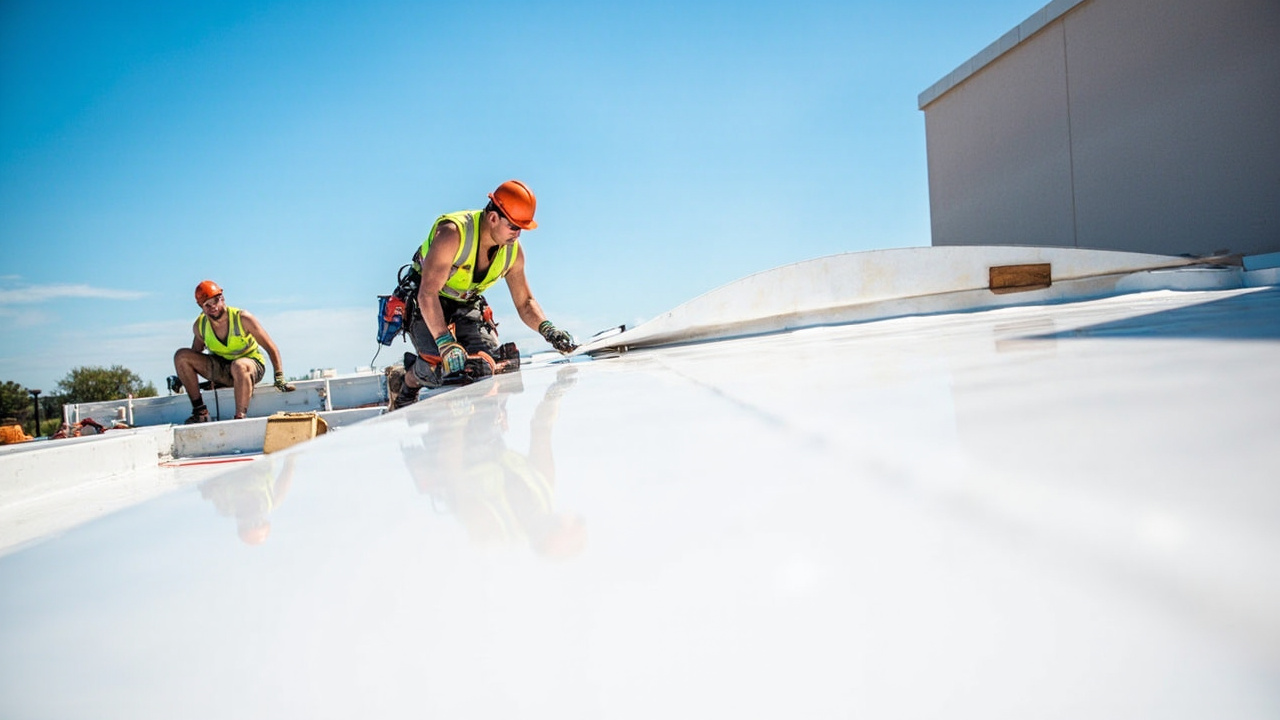
Seam integrity separates professional installations from failures. We use hot-air welding equipment calibrated to manufacturer specifications, creating seams that are stronger than the base membrane. Every seam gets tested with a probe tool before we move to the next section. Penetration details around HVAC curbs, vent pipes, and parapet walls receive multiple layers of reinforced flashing because these transition points experience the highest stress concentrations during wind events and thermal cycling.

What Happens During Your TPO Installation Project

TPO Roofing Installation in Oklahoma City – Minimize Downtime and Maximize Asset Protection
01

Facility Assessment and Planning

We schedule the initial roof inspection during your lowest-activity period to avoid disrupting operations. Our project manager documents all penetrations, drainage components, and edge conditions using thermal imaging to identify hidden moisture in existing insulation. You receive a detailed specification sheet outlining membrane thickness, insulation R-value upgrades, and fastening method based on wind zone requirements for your Oklahoma City address. We coordinate material delivery and crew scheduling around your operational calendar to minimize impact on your business.
02

Membrane Installation and Welding

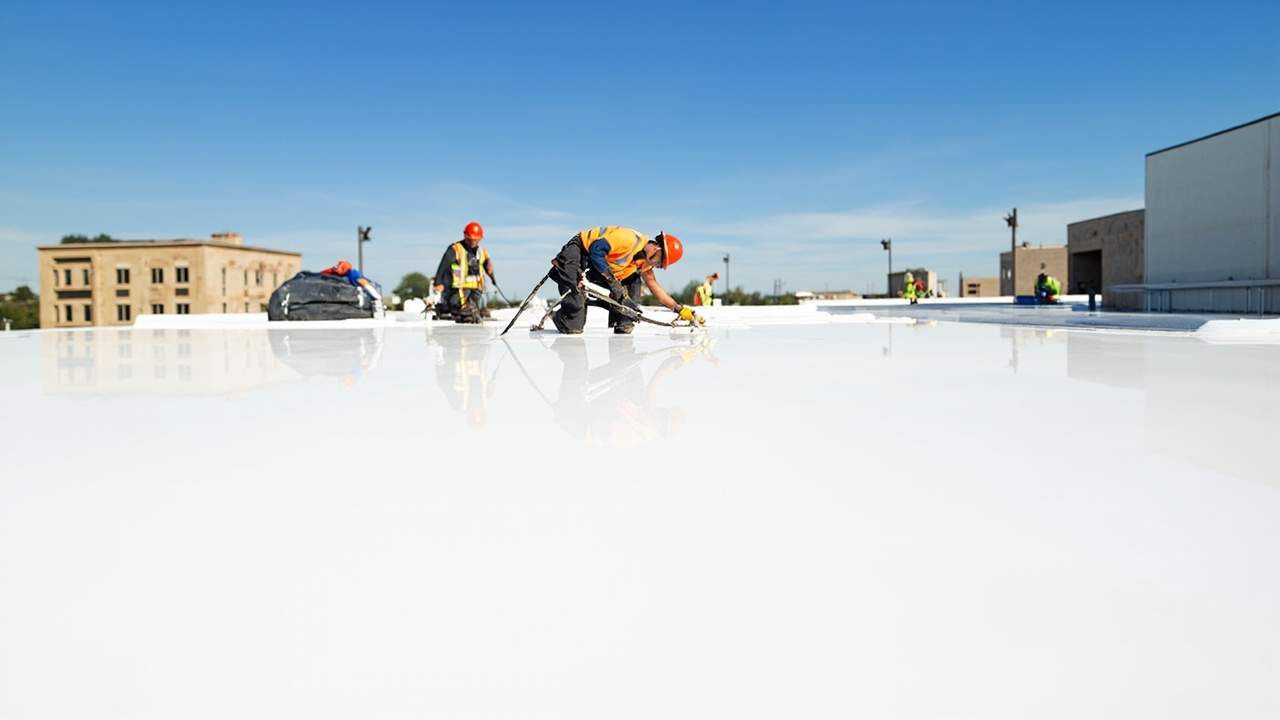
Crews arrive with all materials staged to complete your project within the agreed timeline. We install insulation boards in staggered patterns to prevent thermal bridging, then roll out TPO membrane sheets in the longest possible runs to minimize seams. Hot-air welding equipment bonds overlapping membrane edges at temperatures between 900 and 1,100 degrees Fahrenheit, creating watertight seams. Each penetration receives custom-fabricated flashing boots that get welded into the field membrane. We test every seam and detail before moving equipment.
03

Quality Control and Documentation

Final inspection includes pull tests on fasteners, probe testing on all seams, and thermal imaging to verify complete adhesion in fully-adhered systems. You receive as-built drawings showing all penetration locations, insulation thickness maps, and fastener layout patterns. This documentation is required for warranty activation and proves code compliance during property transactions. We provide a maintenance protocol specific to TPO roofing systems, outlining recommended inspection intervals and procedures to protect your investment and maintain warranty coverage.

Why Oklahoma City Facility Managers Choose Local TPO Installation Expertise

Commercial roofing projects require contractors who understand local building department procedures and can navigate inspections without delays. Oklahoma City enforces the International Building Code with local amendments specific to wind loads and energy efficiency. We maintain relationships with plan reviewers and inspectors, ensuring your project moves through permitting without the delays that cost you money in extended rental equipment and crew standby time.

Our crews have installed commercial TPO roof systems on warehouses, retail centers, medical facilities, and manufacturing plants throughout the Oklahoma City metro. We understand the logistical challenges of working around active loading docks, maintaining sterile environments in medical buildings, and coordinating with property managers who need advance notice for tenant notifications. This experience translates to fewer surprises and more accurate project timelines.

Material selection matters in this climate. We stock TPO membrane from manufacturers who have demonstrated long-term performance in Oklahoma's weather conditions. Some TPO products perform well in coastal environments but fail prematurely when exposed to the UV intensity and thermal cycling common in central Oklahoma. We specify products with proven track records in this region, backed by manufacturers who maintain local representation for warranty service.

United Roofing Oklahoma City focuses exclusively on commercial and industrial roofing applications. We do not dilute our expertise across residential projects. Our estimators, project managers, and crew leaders specialize in large-format membrane installations where precision matters and mistakes create liability exposure. You work with professionals who speak the language of facility management and understand that your roof is a capital asset, not a cosmetic feature.

What Your Commercial TPO Installation Includes

Project Timeline and Scheduling

Most commercial TPO installations complete within one to three weeks depending on building size and complexity. We provide a detailed project schedule during the planning phase, identifying critical path items and weather contingencies. Crews work extended hours when necessary to meet your operational deadlines. We coordinate material deliveries to avoid blocking loading zones or parking areas, and we sequence work to keep portions of your facility accessible throughout the project. You receive daily progress updates and advance notice before any work that might affect building occupants or require temporary utility shutdowns.

Roof Assessment and Specification Development

Initial assessment includes structural load calculations to verify the existing deck can support new insulation and membrane weight. We use moisture meters and infrared cameras to map wet insulation that needs replacement. Our specifications address drainage improvements, insulation upgrades for energy code compliance, and edge metal replacement when existing components show corrosion or inadequate height. You receive a written scope of work that your CFO can use for budget approvals and your insurance carrier can review for risk assessment. We identify code-required upgrades before work begins to avoid change orders.

Installation Quality and Performance

Completed TPO roof systems deliver measurable energy savings through solar reflectance values above 0.78, reducing summer cooling loads by fifteen to thirty percent compared to dark-colored roof membranes. Properly installed systems resist wind uplift to speeds exceeding ninety miles per hour, protecting your facility during Oklahoma City's severe thunderstorm season. The monolithic membrane prevents water intrusion that damages inventory, creates mold liability, and voids property insurance coverage. You receive a roof system engineered for twenty to thirty years of service life with minimal maintenance requirements beyond periodic inspections and drain cleaning.

Warranty Coverage and Maintenance Support

Manufacturer warranties on TPO membrane and installation workmanship protect your investment against material defects and installation failures. We provide detailed warranty documentation required for property sale transactions and lender compliance. Scheduled maintenance programs include semi-annual inspections, drain cleaning, and minor repairs before small issues become major problems. Our maintenance contracts lock in labor rates and provide priority scheduling when storm damage requires emergency service. Regular inspections extend roof service life and create documentation that demonstrates proper asset management to property owners, investors, and insurance underwriters.

Frequently Asked Questions

You Have Questions,
We Have Answers

What are the disadvantages of TPO roofing? +

TPO roofing has several limitations for commercial properties in Oklahoma City. The membrane becomes brittle in extreme heat, which is common during summer months when rooftop temperatures exceed 160 degrees. Seam failures occur more frequently than other systems, particularly during temperature swings typical of Oklahoma weather patterns. TPO requires skilled installation because improper heat welding leads to leaks and premature failure. The material offers less puncture resistance than alternatives, making it vulnerable during severe storms with hail and debris. Color fading happens within five to seven years under intense UV exposure. Chemical resistance varies by formulation, creating compatibility issues with HVAC condensate or specific rooftop equipment.

What goes under a TPO roof? +

A properly installed TPO roof system in Oklahoma City requires multiple layers below the membrane. You need structural decking, usually metal or concrete on commercial buildings. Cover board goes next, providing puncture resistance and thermal efficiency. This layer protects the insulation and membrane from foot traffic and equipment penetration. Rigid insulation boards follow, meeting energy code requirements for commercial structures. A vapor barrier may be necessary depending on building use and interior humidity levels. Proper substrate preparation prevents membrane stress and premature failure. The base layers must drain properly to avoid ponding water, which reduces TPO lifespan significantly in our climate with periodic heavy rainfall.

Should TPO roofing be glued down? +

TPO attachment method depends on building specifications and wind load requirements in Oklahoma City. Mechanically fastened systems work well for most commercial applications and allow faster installation. Fully adhered systems using bonding adhesive provide superior wind uplift resistance, important for our severe weather events including strong straight-line winds. Glued-down membranes reduce billowing and flapping that stresses seams. This method works better over occupied spaces because it eliminates fastener penetrations through the deck. However, adhesive installation costs more and requires proper temperature conditions during application. Your structural engineer and roofing contractor should determine the best attachment based on building height, exposure, and local wind zone requirements.

Can you put TPO directly over plywood? +

You should not install TPO directly over plywood on commercial buildings in Oklahoma City. Plywood expands and contracts with temperature and moisture changes, which telegraphs through single-ply membranes and causes premature wear. Commercial applications require cover board between plywood and TPO membrane to prevent this movement transfer. The cover board also provides fire resistance, required by building codes for most commercial occupancies. Plywood needs proper fastening and moisture protection before any roofing system goes down. Direct application voids most manufacturer warranties. If your building has plywood decking, install rigid insulation or approved cover board first. This protects your investment and ensures code compliance for commercial structures.

How many years does a TPO roof last? +

TPO roofs last 15 to 25 years in Oklahoma City under proper installation and maintenance. Membrane thickness affects longevity, with 60 mil systems at the lower end and 80 mil systems extending lifespan. Oklahoma weather stresses roofing systems through temperature extremes, UV exposure, and severe storms. Ponding water reduces lifespan significantly, making proper drainage critical. Seam integrity determines actual service life because failures typically start at welded joints. Regular inspections catch minor issues before they become costly problems. Foot traffic patterns and rooftop equipment placement impact durability. Buildings with HVAC maintenance or frequent rooftop access see shorter lifespans without protective walkway pads.

Why do insurance companies not like flat roofs? +

Insurance companies view flat roofs as higher risk because water drainage problems lead to frequent claims. Ponding water degrades roofing membranes faster and creates interior leak damage. Oklahoma City experiences intense rainfall events that test drainage capacity on low-slope commercial roofs. Flat roofs require more maintenance than pitched systems, and deferred maintenance causes premature failure. Wind damage occurs more easily when membranes billow or fasteners pull loose. Hail impacts cause punctures that may not appear immediately but lead to leaks during subsequent storms. Some carriers charge higher premiums or require shorter inspection intervals for flat roof commercial properties. Proper installation and documented maintenance reduce insurance concerns.

How much is a 60 mil TPO roof? +

TPO roofing costs vary based on project size, existing conditions, and installation complexity in Oklahoma City. Pricing depends on roof access, demolition requirements, insulation upgrades, and membrane attachment method. Building height and parapet details affect labor costs. You should budget for proper drainage modifications if ponding exists. Cost factors include cover board specifications, edge metal, penetration flashings, and walkway pads around equipment. Commercial projects require permits and inspections that add to total investment. Most contractors price by the square, but smaller projects cost more per unit. Get detailed specifications in writing before comparing estimates. Focus on total system value rather than membrane price alone.

Which roof is better, EPDM or TPO? +

TPO and EPDM serve different commercial roofing needs in Oklahoma City. TPO offers heat-welded seams that create watertight bonds stronger than the membrane itself. The white surface reflects heat, reducing cooling costs during Oklahoma summers. EPDM provides better flexibility in cold weather and superior puncture resistance. EPDM seams use tape or adhesive, which can fail if installed improperly. TPO resists oil and grease better, important for restaurant or industrial facilities. EPDM costs less initially but may not deliver the same energy savings. Choose based on building use, budget, and maintenance capabilities. Both systems perform well when installed correctly by experienced commercial roofing contractors.

What is the difference between 60 mil and 80 mil TPO? +

Membrane thickness determines puncture resistance and lifespan in Oklahoma City commercial applications. 60 mil TPO provides adequate protection for low-traffic roofs without significant equipment loads. This thickness meets most building codes and manufacturer warranties. 80 mil TPO costs more but delivers superior durability for high-traffic areas or buildings with multiple HVAC units requiring frequent maintenance access. The thicker membrane resists hail damage better, important during Oklahoma storm season. Foot traffic and equipment placement cause less wear on 80 mil systems. Consider building use and expected roof activity when selecting thickness. The investment difference is minor compared to early replacement costs from premature membrane failure.

Is it okay to walk on a TPO roof? +

You can walk on TPO roofs, but foot traffic causes wear and reduces membrane lifespan. Commercial facilities in Oklahoma City with rooftop HVAC equipment require regular maintenance access. Install designated walkway pads along common traffic routes to protect the membrane. Avoid walking on TPO during temperature extremes because the material becomes more vulnerable to damage. Hot summer days make the membrane soft and susceptible to scuffing. Cold temperatures increase brittleness and puncture risk. Remove debris and sharp objects from shoe soles before accessing the roof. Limit unnecessary foot traffic and establish clear paths to equipment. Proper access planning during installation protects your roofing investment.

How Oklahoma City's Severe Weather Impacts Commercial TPO Roof Performance

Oklahoma City ranks among the top metro areas for hail frequency and intensity, with storms producing two-inch diameter hail multiple times per year. TPO membrane roofing provides superior impact resistance compared to alternative single-ply systems, and the white reflective surface makes hail damage easier to identify during post-storm inspections. The area's position in Tornado Alley creates high wind events that test roof attachment strength. Proper fastening patterns and edge securement prevent the membrane blow-offs that leave buildings exposed to water intrusion and create dangerous flying debris during severe weather.

Commercial property owners in Oklahoma City must balance immediate installation costs against long-term operational expenses and replacement cycles. Local building officials enforce strict energy codes that affect insulation requirements and membrane solar reflectance values. We maintain current knowledge of Oklahoma City amendments to international codes and work directly with plan reviewers to ensure your project meets all requirements without over-building beyond code minimums. Our familiarity with local inspection procedures prevents the delays and re-work that extend project timelines and increase costs when contractors unfamiliar with Oklahoma City regulations make assumptions based on practices in other jurisdictions.
Roofing Services in The Oklahoma City Area

Our dedicated team is proud to serve homeowners and businesses across the entire Oklahoma City metropolitan area and its surrounding communities. We're committed to bringing our expert roofing services directly to you, no matter where you are in our service radius. We encourage you to contact us to discuss your project, and we will be on our way to assist you with your roofing needs.

Address:
United Roofing Oklahoma City, 5600 N May Ave, Oklahoma City, OK, 73112

Additional Services We Offer

Our news updates

Latest Articles & News from The Blogs

Common Ways New Homeowners Accidentally Void Their Roofing Warranty Your new roof represents a significant investment and the warranty that…

Common Ways New Homeowners Accidentally Void Their Roofing Warranty

Common Ways New Homeowners Accidentally Void Their Roofing Warranty Your new roof represents a significant investment and the warranty that…

How Much Noise Does a Metal Roof Really Make During an Oklahoma Rainstorm?

Is a Metal Roof Too Noisy During Oklahoma Storms? Oklahoma City homeowners considering metal roofing often worry about rain noise.…

Why Your Neighbors Are Choosing Class 4 Shingles Even if They Don't Have Hail Damage

Why Your Neighbors Are Choosing Class 4 Shingles Even if They Don’t Have Hail Damage Oklahoma City homeowners are making…

Contact Us

Contact United Roofing Oklahoma City at (405) 507-3933 for a comprehensive roof assessment and project proposal. We provide detailed specifications, timeline estimates, and transparent pricing for commercial TPO installations. Protect your facility investment with a roof system engineered for Oklahoma City's climate.