menu

Built-Up Roofing in Oklahoma City – Minimizing Downtime for Industrial and Commercial Facilities

Multi-ply asphalt built-up roofing systems engineered for low-slope commercial buildings across the Oklahoma City metro, designed to withstand severe weather exposure while keeping your operations running.

Slider Image 1
Slider Image 2
Slider Image 3
Slider Image 4
Slider Image 5
Slider Image 7
Slider Image 8
Slider Image 9
Slider Image 10
Slider Image 11

Why Oklahoma City's Climate Demands High-Performance BUR Roofing Systems

Oklahoma City's commercial buildings face relentless environmental stress. Summer temperatures routinely exceed 95 degrees, causing thermal expansion and contraction cycles that compromise inferior roofing materials. Spring brings hailstorms and severe wind events, with gusts reaching 60 mph that test the structural integrity of every low-slope roof system.

The region's freeze-thaw cycles create another challenge. Water infiltration during brief winter freezes can expand beneath membrane layers, causing blistering and delamination in poorly constructed commercial roofs. Add the clay soil conditions that cause differential settling in warehouse foundations, and you understand why commercial built-up roofs must be engineered for stress tolerance.

Built-up roofing systems deliver the redundancy your facility needs. These multi-ply roofing systems use alternating layers of bitumen and reinforcing fabric to create a waterproof barrier that can absorb thermal movement without cracking. The aggregate surfacing on tar and gravel roofing provides UV protection and impact resistance against hail, extending service life beyond single-ply alternatives.

For distribution centers, manufacturing plants, and retail facilities across the Oklahoma City metro, asphalt built-up roofing offers proven performance under extreme conditions. The system's built-in redundancy means a single breach does not compromise the entire roof deck. When you cannot afford unexpected shutdowns for emergency repairs, BUR roofing systems provide the reliability your operations require. The technology has protected commercial structures for over a century because the physics work.

Why Oklahoma City's Climate Demands High-Performance BUR Roofing Systems
How We Install Commercial Built-Up Roofs That Last Decades

How We Install Commercial Built-Up Roofs That Last Decades

Installation quality determines system performance. We begin with roof deck assessment, checking for structural deficiencies, ponding water issues, and proper drainage slopes. Any deck repairs happen before we apply a single layer. Substrate preparation includes power washing to remove contaminants and installing a base sheet mechanically fastened to resist wind uplift.

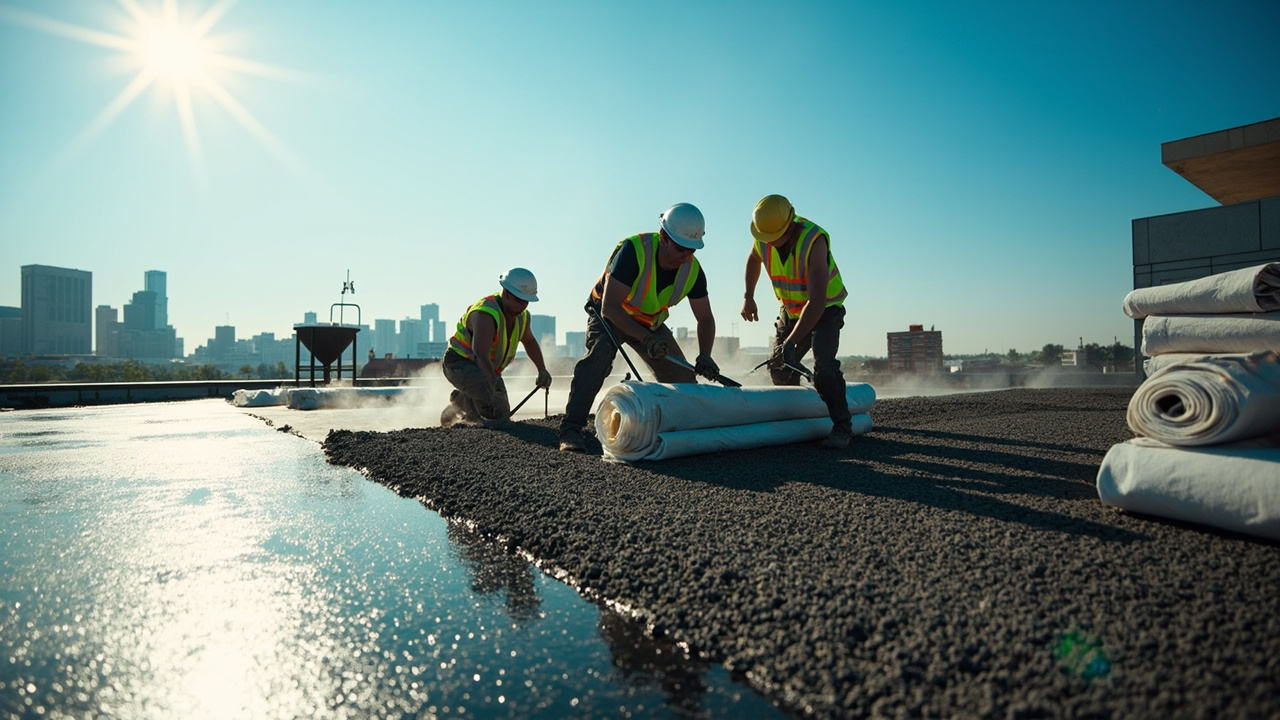
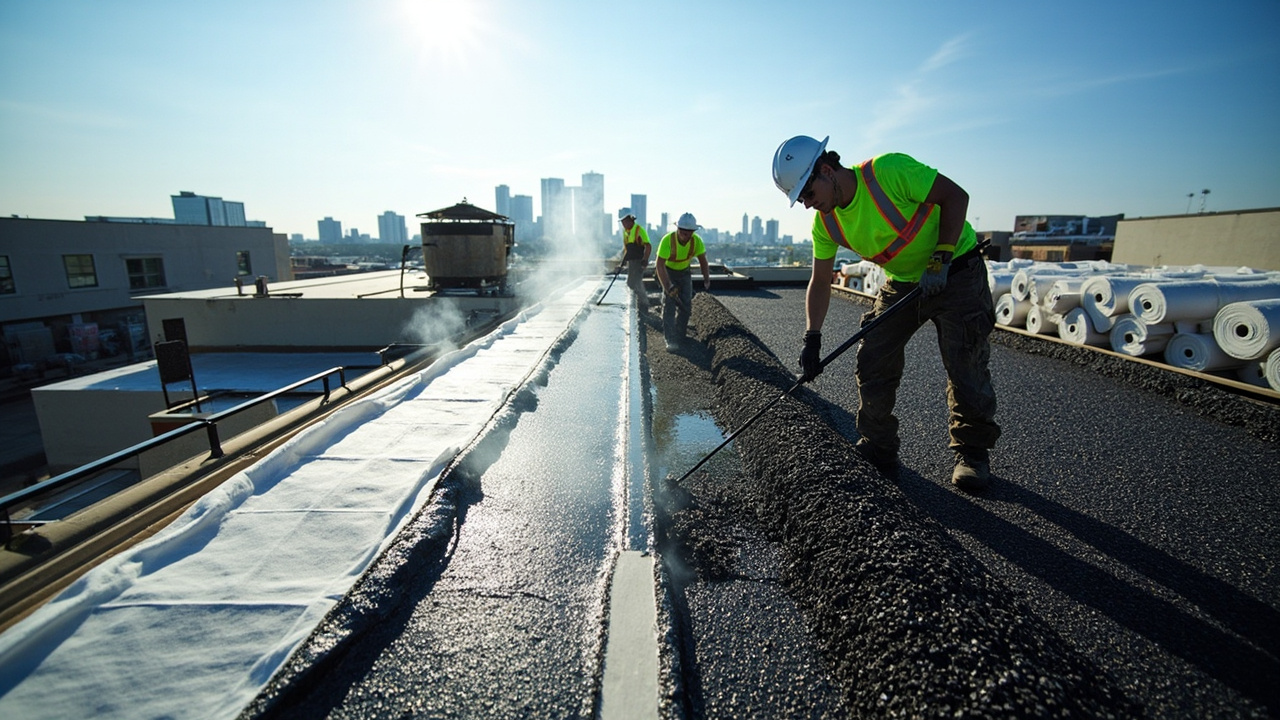
Our crews apply hot asphalt in strict temperature windows. Too cool and it will not bond properly. Too hot and it degrades the reinforcing felts. We monitor kettles continuously and apply bitumen at the manufacturer-specified viscosity. Each ply layer gets embedded in hot asphalt while the previous layer remains tacky, creating monolithic adhesion between plies. This eliminates delamination risks common in rushed installations.

Reinforcing felts matter. We use fiber-reinforced organic or fiberglass mats rated for the structural loads your building experiences. The number of plies depends on your roof slope, building height, and exposure classification. A four-ply system on a high-rise office building differs from a three-ply application on a single-story warehouse.

Perimeter flashing and penetration details require precision. We install cant strips at wall transitions to eliminate sharp angles where membranes tear. Metal counterflashing gets embedded into reglets or surface-mounted with proper lap distances. Every HVAC curb, vent pipe, and roof drain receives a multi-layer waterproofing detail that exceeds code minimums.

The flood coat and aggregate surfacing come last. We apply a heavy coat of hot asphalt and immediately embed gravel into the surface. This creates a protective layer that reflects sunlight, resists foot traffic, and provides Class A fire ratings. The result is a commercial roof system engineered for your specific building requirements.

What Happens During Your Commercial BUR Installation

Built-Up Roofing in Oklahoma City – Minimizing Downtime for Industrial and Commercial Facilities
01

Site Assessment and Planning

We conduct a thorough structural evaluation of your existing roof deck, checking load capacity and drainage performance. Our team coordinates with your facility manager to schedule work during low-activity periods, minimizing business disruption. We establish safety perimeters, plan material staging areas, and schedule delivery logistics to avoid interference with your loading docks or customer access points.
02

Phased System Installation

Installation proceeds in sections, allowing portions of your facility to remain operational. We tear off existing materials only in areas we can weatherproof within the same workday. Our crews apply base sheets, ply layers, and interply bitumen in sequence, with quality checks at each stage. We use proper PPE and ventilation protocols when working with hot asphalt to maintain job site safety and code compliance.
03

Final Inspection and Documentation

After completing the flood coat and aggregate surfacing, we perform a comprehensive inspection of all flashing details, seams, and penetrations. You receive documentation of the system specifications, material certifications, and installation photos for your facility records. We walk the roof with your maintenance team, identifying drain locations and explaining proper upkeep procedures to maximize system longevity and warranty compliance.

Why Oklahoma City Facility Managers Choose United Roofing Oklahoma City for BUR Systems

Commercial roofing is not residential work at scale. It requires understanding of structural engineering, building envelope science, and operational logistics. Our crews have installed built-up roofing systems on manufacturing plants, cold storage facilities, and retail centers throughout the metro. We understand Oklahoma City's building codes, wind uplift requirements, and the specific challenges posed by our climate zone.

We maintain relationships with commercial property managers across Bricktown, the Capitol District, and the industrial corridor along I-40. These are not one-time transactions. When you manage multiple facilities, you need a roofing contractor who shows up on schedule, communicates clearly, and completes work without surprises. Our project managers provide detailed progress updates and coordinate with your insurance adjusters when storm damage requires documentation.

United Roofing Oklahoma City carries the liability coverage your facility requires. We provide certificates of insurance before starting work and maintain worker's compensation for every crew member on site. You will not face exposure from uninsured subcontractors or under-the-table labor. Our crews arrive in marked vehicles, wear company uniforms, and follow OSHA fall protection protocols on every job.

We source materials from suppliers who stock inventory locally. When a spring hailstorm damages multiple commercial properties simultaneously, we have the purchasing relationships to secure materials while other contractors wait weeks for shipments. That speed advantage keeps your building weathertight and your operations running. You need a roofing partner who treats your facility like the business asset it is, not just another job to rush through.

What to Expect From Your Commercial Built-Up Roof Installation

Project Timeline and Coordination

Most commercial BUR installations take two to four weeks, depending on building size and system complexity. We provide a detailed schedule before work begins, outlining daily activities and weather contingencies. Our project manager maintains daily contact with your facility team, adjusting work zones to accommodate shipping schedules, deliveries, or special events. We stage equipment to minimize parking lot disruption and coordinate crane access for material lifts. If weather delays occur, we communicate immediately and adjust timelines to maintain project momentum.

Pre-Installation Roof Assessment

Our initial evaluation includes core samples to examine existing roof layers, infrared scanning to detect moisture-saturated insulation, and structural load calculations. We identify all penetrations requiring custom flashing details and assess parapet wall conditions. You receive a written report outlining any substrate repairs needed before installation begins. This assessment prevents mid-project surprises that inflate costs or extend timelines. We also review your facility's operational requirements, noting areas requiring extra dust control, noise restrictions during business hours, or security protocols for accessing mechanical rooms.

System Performance and Durability

A properly installed built-up roof delivers 20 to 30 years of service life with routine maintenance. The multi-ply construction provides redundancy that single-ply membranes cannot match. The aggregate surface resists UV degradation and provides excellent fire resistance. You can expect a watertight system that tolerates foot traffic from HVAC technicians and maintenance personnel without puncturing. The system's thermal mass helps moderate interior temperatures, reducing cooling loads during Oklahoma City's brutal summer months. Most commercial property owners see lower maintenance costs compared to modified bitumen or TPO alternatives.

Maintenance and Long-Term Support

We recommend annual inspections to check drainage performance, remove debris accumulation, and identify minor issues before they become expensive problems. Our maintenance program includes cleaning roof drains, resealing penetration flashings, and applying protective coatings to extend system life. You receive a written inspection report with photos documenting roof conditions and recommended repairs. We maintain detailed records of your roof system, including original specifications, material certifications, and service history. When unexpected damage occurs, we provide emergency response to minimize business interruption and coordinate insurance claims documentation.

Frequently Asked Questions

You Have Questions,
We Have Answers

What does built-up roofing mean? +

Built-up roofing is a multi-layer flat or low-slope commercial roofing system. You install alternating layers of bitumen (hot asphalt or coal tar) and reinforcing fabrics (felts or ply sheets) to create a waterproof membrane. The process builds up multiple plies, which is why the industry calls it BUR. You finish the system with a top layer of gravel or a smooth surface cap sheet. This method has protected commercial buildings in Oklahoma City for decades. It handles temperature swings, hail, and UV exposure well, making it a practical choice for warehouses, retail centers, and office buildings across the metro.

What is another name for built up roofing? +

The industry calls built-up roofing BUR or tar and gravel roofing. You may also hear it referred to as a multi-ply roof or aggregate roof. The tar and gravel name comes from the traditional finish layer of hot asphalt topped with gravel aggregate. Some contractors in Oklahoma City still use the term hot mop roofing, referencing the application method where you mop hot bitumen between fabric plies. All these terms describe the same fundamental system: layered waterproofing membranes bonded with bitumen. The nomenclature varies by region and contractor preference, but the construction principles remain consistent.

How long will a built-up roof last? +

A properly installed built-up roof lasts 20 to 30 years in Oklahoma City. Longevity depends on maintenance frequency, substrate quality, and weather exposure. The metro's temperature extremes, from summer heat exceeding 100 degrees to winter freezes, stress the bitumen layers. Regular inspections catch small issues before they become leaks. You extend service life by clearing drains, removing ponding water, and replacing damaged aggregate. Commercial buildings with consistent maintenance schedules often reach the 30-year mark. Neglected systems fail earlier. The number of plies also matters. Four-ply systems outlast three-ply installations by several years under identical conditions.

How is a built-up roof installed? +

Installation begins with preparing the roof deck and ensuring it is clean, dry, and structurally sound. You first apply a base sheet, mechanically fastened or fully adhered to the substrate. Next, you heat bitumen to the correct temperature and mop it onto the base sheet. Before the bitumen cools, you embed a ply sheet into the hot asphalt. You repeat this process, layering bitumen and fabric plies until you reach the specified number of layers. Most commercial projects in Oklahoma City use three or four plies. You finish with a flood coat of bitumen and embed gravel aggregate or install a smooth cap sheet. Proper installation requires precision timing and temperature control.

Can you repair a built-up roof? +

Yes, you can repair a built-up roof without replacing the entire system. Common repairs include patching blisters, sealing cracks, and addressing localized leak points. You cut out damaged sections, clean the area, and install new plies using hot bitumen to bond them to the existing membrane. For small punctures, you apply a patch with compatible materials. In Oklahoma City, hail damage and storm debris often require targeted repairs. If damage covers more than 25 percent of the roof surface, replacement becomes more cost-effective than patching. Regular maintenance identifies problems early, keeping repair costs manageable and extending overall system life.

What does built-up roofing look like? +

Built-up roofing typically has a textured, granular appearance. You see a layer of embedded gravel aggregate, usually gray or tan, covering the entire roof surface. The aggregate protects the underlying bitumen from UV degradation and reflects heat. Some systems use a smooth cap sheet instead of gravel, giving a uniform black or gray finish. From ground level, BUR looks flat with slight texture variations from the aggregate. You may notice darker patches where repairs occurred or lighter areas where aggregate has shifted. On commercial buildings in Oklahoma City, you often see drainage scuppers, edge flashing, and rooftop HVAC equipment penetrating through the gravel surface.

How many layers is a built-up roof? +

A built-up roof typically has three to five layers, depending on project specifications and budget. Each layer consists of bitumen and a reinforcing ply sheet. Commercial buildings in Oklahoma City commonly use four-ply systems for added durability against hail and temperature extremes. The base sheet counts as the first layer. You then add two or three more interply sheets, each bonded with hot asphalt. The final flood coat and aggregate layer sit on top but are not counted as a ply. More layers mean better waterproofing and longer lifespan. However, additional plies increase material costs and installation time. Your structural engineer must confirm the deck can support the added weight.

What are the three types of roofing? +

The three primary roofing categories are steep-slope, low-slope, and flat roofing systems. Steep-slope roofs use shingles, metal panels, or tile and shed water quickly. Low-slope and flat roofs require membrane systems like built-up roofing, modified bitumen, TPO, or EPDM. Within these categories, you find dozens of specific material types. Commercial buildings in Oklahoma City predominantly use low-slope systems because they are cost-effective for large square footage. Residential properties use steep-slope asphalt shingles. The climate dictates material choice. You need systems that handle temperature swings, hail impact, and wind uplift. Each category serves different structural needs and drainage requirements.

Is a mod bit better than a built-up roof? +

Modified bitumen and built-up roofing both perform well, but each has advantages. Mod bit installs faster because you typically apply fewer layers using torch-down or cold adhesive methods. Built-up roofing provides more redundancy with multiple plies, making it more forgiving if one layer fails. In Oklahoma City, both systems handle hail and temperature extremes adequately. Mod bit costs less upfront but may not last as long. BUR requires more labor but offers better puncture resistance. Your decision should factor in building use, traffic load, and maintenance budget. Neither system is universally better. Match the system to your specific commercial application and long-term facility goals.

How much should an asphalt roof on a 500 sq ft house cost? +

This question asks about asphalt shingles on a residential structure, not built-up roofing for commercial buildings. Asphalt shingles are a steep-slope system. Built-up roofing applies to flat or low-slope commercial roofs. For a 500-square-foot residential roof in Oklahoma City, you would install asphalt shingles, not BUR. Pricing varies based on shingle grade, tear-off requirements, and deck repairs. Commercial roofing operates on different pricing models because you measure by the square (100 square feet) and factor in membrane type, insulation, and warranty. If you need commercial flat roof pricing, request a site assessment to account for substrate condition, access, and specific building requirements.

How Oklahoma City's Tornado Alley Location Affects Commercial Roof Engineering

Oklahoma City sits in the most tornado-prone region in North America, with an average of 11 tornadoes annually within a 50-mile radius. Wind uplift calculations for commercial roofing systems must account for sustained winds exceeding 90 mph. Built-up roofing systems perform well under extreme wind loads because the aggregate surfacing adds mass that resists uplift forces. The hot-mopped application creates a monolithic bond between plies that will not peel back like mechanically attached single-ply systems. For warehouses and industrial facilities near Will Rogers World Airport or along the I-35 corridor, proper wind uplift ratings are not optional. They prevent catastrophic roof failures that shut down operations for weeks.

United Roofing Oklahoma City understands the International Building Code wind load requirements specific to our region. We calculate edge zone fastening patterns based on your building height, roof slope, and exposure category. Our installations meet or exceed the wind uplift ratings required for commercial structures in Oklahoma County. We maintain relationships with local building inspectors and understand permit requirements for commercial re-roofing projects. When you work with a contractor familiar with local code enforcement, you avoid costly rework and inspection failures that delay occupancy certificates.
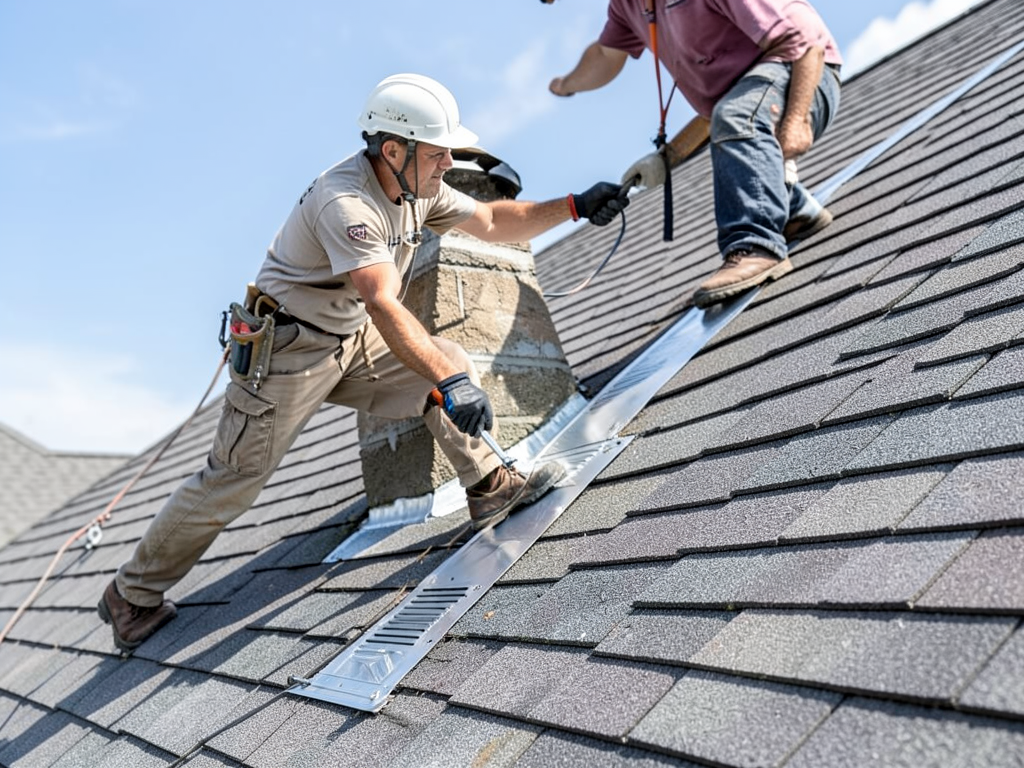
Roofing Services in The Oklahoma City Area

Our dedicated team is proud to serve homeowners and businesses across the entire Oklahoma City metropolitan area and its surrounding communities. We're committed to bringing our expert roofing services directly to you, no matter where you are in our service radius. We encourage you to contact us to discuss your project, and we will be on our way to assist you with your roofing needs.

Address:
United Roofing Oklahoma City, 5600 N May Ave, Oklahoma City, OK, 73112

Additional Services We Offer

Our news updates

Latest Articles & News from The Blogs

Common Ways New Homeowners Accidentally Void Their Roofing Warranty Your new roof represents a significant investment and the warranty that…

Common Ways New Homeowners Accidentally Void Their Roofing Warranty

Common Ways New Homeowners Accidentally Void Their Roofing Warranty Your new roof represents a significant investment and the warranty that…

How Much Noise Does a Metal Roof Really Make During an Oklahoma Rainstorm?

Is a Metal Roof Too Noisy During Oklahoma Storms? Oklahoma City homeowners considering metal roofing often worry about rain noise.…

Why Your Neighbors Are Choosing Class 4 Shingles Even if They Don't Have Hail Damage

Why Your Neighbors Are Choosing Class 4 Shingles Even if They Don’t Have Hail Damage Oklahoma City homeowners are making…

Contact Us

Your commercial property deserves a roof system engineered for decades of performance. Contact United Roofing Oklahoma City at (405) 507-3933 for a detailed assessment of your facility's roofing needs. We provide transparent proposals and work with your schedule to minimize operational disruption.