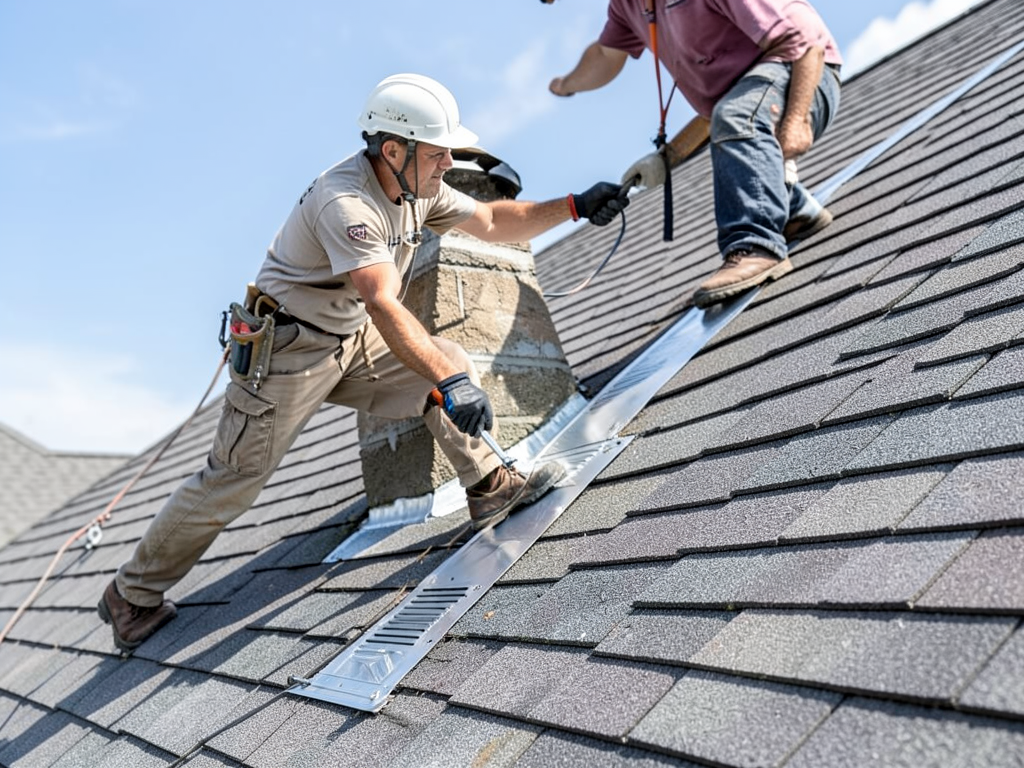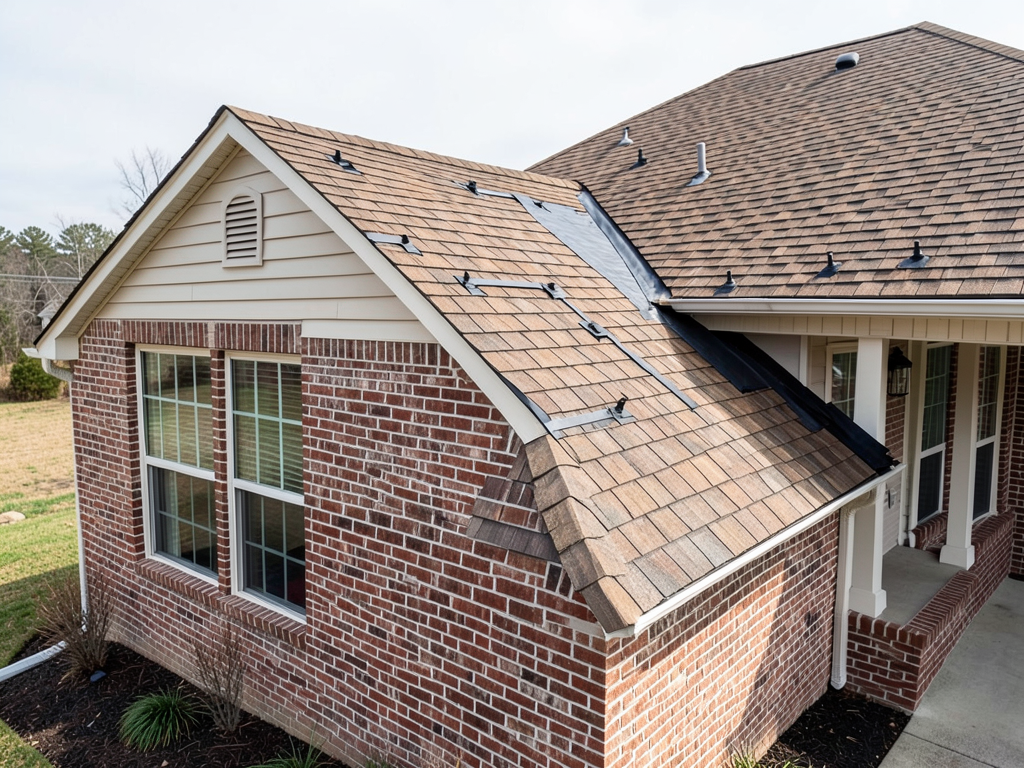



Oklahoma City experiences some of the nation's most extreme weather variability, with an average of 55 days per year featuring severe thunderstorm warnings. Your roof flashing must withstand hail impacts from spring supercells, thermal cycling that swings 40 degrees in six hours, and sustained winds that regularly exceed 50 mph during storm fronts. These conditions cause sealant breakdown three times faster than in temperate climates. The December 2015 ice storm demonstrated how quickly loose roof flashing can fail when ice dams form at eaves and valleys, backing water up under compromised seals and causing widespread ceiling damage across the metro.
The clay soil throughout the Oklahoma City metro expands and contracts with moisture cycles, causing homes to shift slightly on their foundations. This movement, while normal, stresses roof structures and can separate flashing from the surfaces it protects. Neighborhoods built on expansive clay, particularly areas east of I-35, see higher rates of flashing seal failure due to this persistent structural stress. Working with a roofing company that understands these local soil and weather factors ensures your flashing repair accounts for the ongoing stresses your roof will face, not just the immediate leak problem.