menu

Condensation & Moisture Issues in Oklahoma City – Expert Diagnosis and Permanent Solutions for Roof Sweating and Attic Dampness

Our thermal imaging and ventilation specialists identify the root cause of condensation and moisture issues, then engineer lasting fixes that stop roof sweating, attic moisture buildup, and trapped dampness before structural damage begins.

Slider Image 1
Slider Image 2
Slider Image 3
Slider Image 4
Slider Image 5
Slider Image 7
Slider Image 8
Slider Image 9
Slider Image 10
Slider Image 11

Why Oklahoma City Roofs Trap More Moisture Than You Think

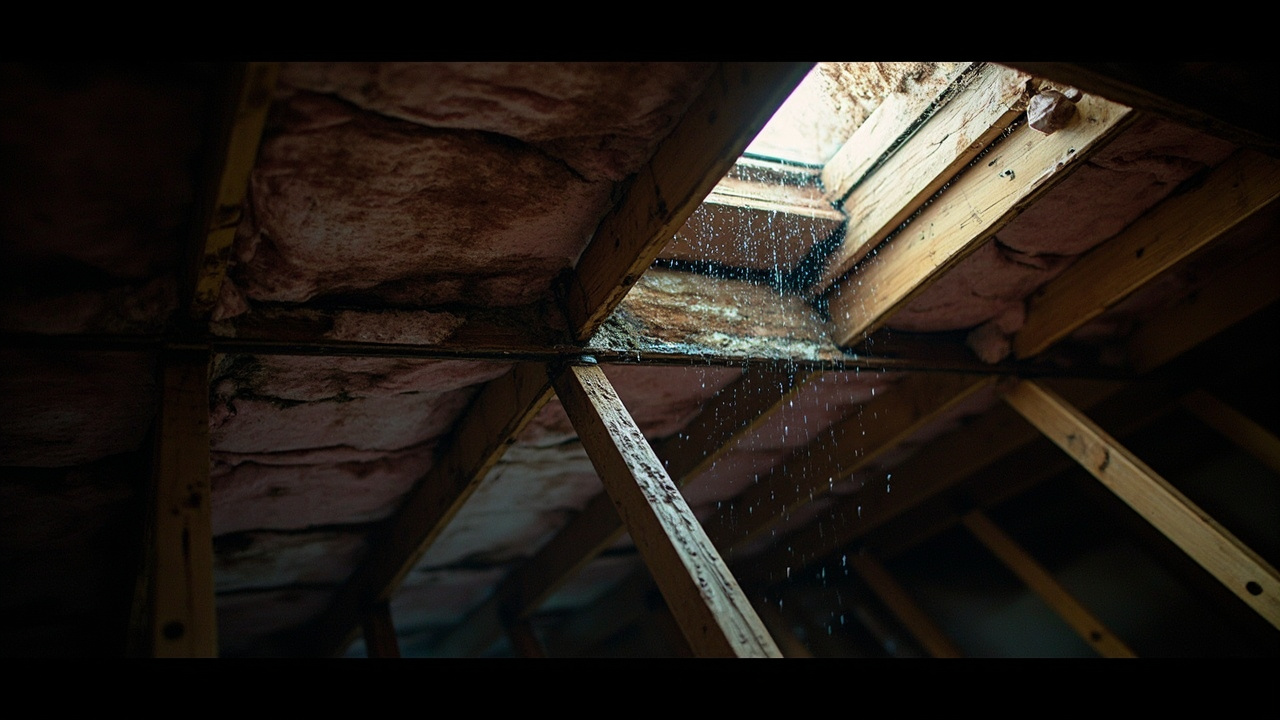
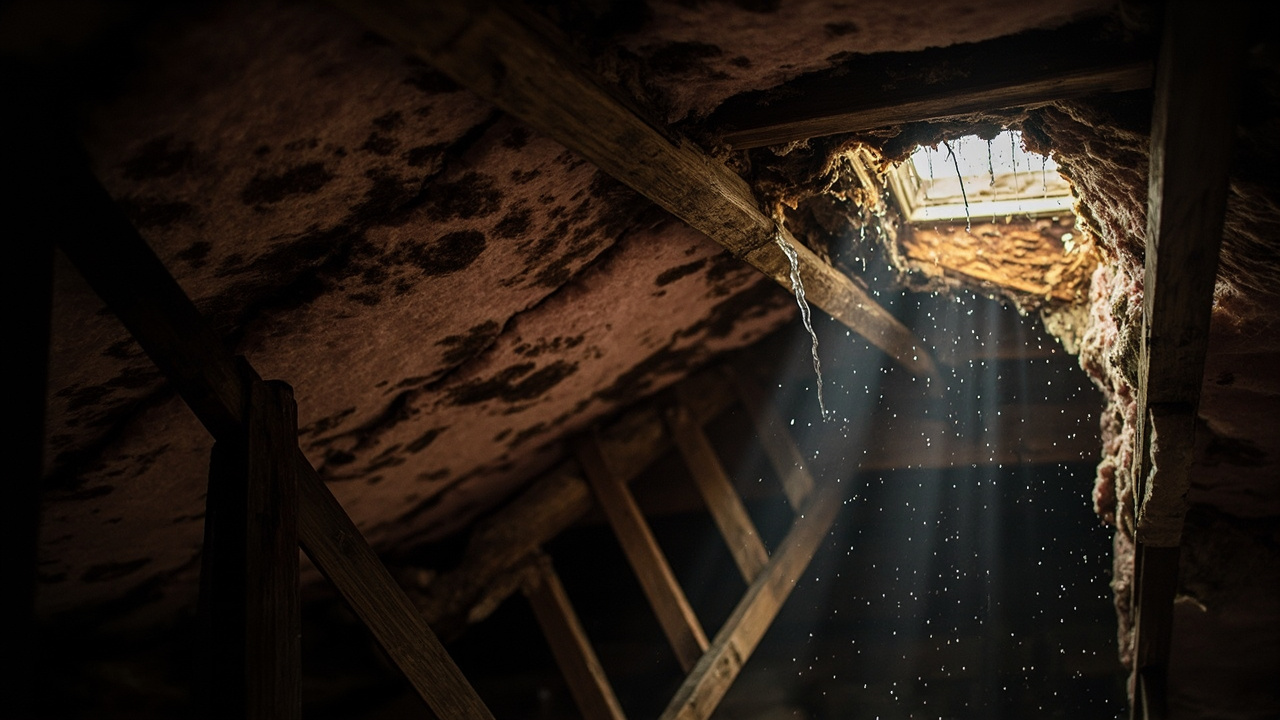
You walk into your attic and feel dampness in the air. You see water droplets on the underside of roof decking. You notice dark stains spreading across plywood sheathing. This is not a leak from outside. This is condensation, and Oklahoma City's dramatic temperature swings make it worse.

Oklahoma City sits in a climate zone where winter mornings drop below freezing, then afternoons climb into the 50s. Your heated home pushes warm, moist air into the attic. When that air hits cold roof decking, it condenses instantly. The result is roof sweating, attic moisture buildup, and trapped moisture in roof cavities that never dry out.

Clay soil foundations shift with seasonal moisture changes, creating gaps in attic access points and soffit vents. This blocks natural airflow. Poor ventilation compounds the problem. Add in older homes in Heritage Hills or Mesta Park with minimal insulation, and you create the perfect environment for roof space condensation.

The damage accelerates fast. Trapped moisture rots plywood sheathing from the inside out. Mold spreads across rafters. Insulation becomes waterlogged and loses thermal value. Metal truss plates corrode. The longer roof dampness persists, the more expensive the fix becomes.

Most homeowners mistake condensation for a roof leak and call for shingle replacement. That misdiagnosis wastes money and leaves the real problem untouched. Condensation requires a different solution, one that addresses ventilation balance, air sealing, and thermal boundaries.

Why Oklahoma City Roofs Trap More Moisture Than You Think
How We Engineer Permanent Condensation Solutions

How We Engineer Permanent Condensation Solutions

We do not guess. We use thermal imaging cameras to map temperature differentials across your roof deck and attic floor. Cold spots reveal where conditioned air escapes. Hot spots show where ventilation fails. This data tells us exactly where moisture forms and why.

We measure your intake and exhaust ventilation ratios. Code requires one square foot of net free ventilation area per 150 square feet of attic space, split evenly between soffit intake and ridge exhaust. Most Oklahoma City homes fall short. Blocked soffit vents, insufficient ridge vents, or improper gable vent placement create negative pressure zones where moisture stagnates.

We inspect your attic floor insulation and air barrier. Gaps around recessed lights, plumbing penetrations, and HVAC boots allow humid indoor air to flood the attic. We seal those pathways with fire-rated caulk and expanding foam before addressing ventilation. Air sealing stops the moisture source. Ventilation removes what little moisture remains.

We evaluate your roof assembly from shingles to sheathing. If previous roofers installed synthetic underlayment without proper venting, they created a vapor trap. We specify breathable underlayments or add ventilation channels during re-roofing to allow moisture escape paths.

For severe cases with rotted decking, we replace damaged sheathing and install proper drip edge and ice-and-water barrier. We rebuild the thermal envelope correctly. Our fixes address the physics of moisture movement, not just the symptoms you see.

What Happens During a Moisture Assessment

Condensation & Moisture Issues in Oklahoma City – Expert Diagnosis and Permanent Solutions for Roof Sweating and Attic Dampness
01

Thermal Imaging Inspection

We scan your attic and roof deck with infrared cameras to map temperature zones and moisture patterns. This reveals hidden condensation points, air leaks, and insulation failures invisible to the naked eye. We document cold sheathing areas where roof sweating occurs most, giving you visual proof of the problem and a baseline for measuring repair success.
02

Ventilation Ratio Analysis

We calculate your actual intake and exhaust ventilation using vent area measurements and airflow testing. Most Oklahoma City attics have too little intake or unbalanced exhaust. We determine exact vent additions or modifications needed to achieve proper airflow, then explain how balanced ventilation eliminates trapped moisture in roof assemblies and prevents future attic moisture buildup.
03

Air Sealing and Remediation

We seal penetrations and gaps that let conditioned air escape into the attic. We replace rotted sheathing if damage exists. We install additional soffit vents, ridge vents, or baffles to restore airflow. You get a dry attic with proper thermal boundaries, eliminating roof dampness and extending the life of your roof structure by decades.

Why Oklahoma City Homeowners Choose United Roofing for Condensation Problems

Condensation diagnosis requires building science knowledge that most roofers lack. We train our crews to understand psychrometrics, dew point calculations, and vapor drive. We know the difference between air barriers and vapor barriers. We know when to vent and when to seal. That expertise matters when your home's structural integrity is at stake.

Oklahoma City's building stock varies widely. Homes in Nichols Hills built in the 1950s have different attic configurations than new construction in Deer Creek. Historic homes in Crown Heights often have closed attic designs with no ventilation at all. We adapt our solutions to your specific roof assembly, not a one-size-fits-all template.

We work within Oklahoma City's residential building codes and IECC energy standards. We know local inspectors and their expectations. When we add ventilation or modify insulation, we do it to code. You will not face compliance issues or failed inspections.

We also understand how Oklahoma's weather patterns affect moisture risk. Spring storms bring humidity spikes. Winter cold snaps create extreme temperature differentials. Summer heat bakes trapped moisture into roof decking. We time repairs to minimize weather-related delays and ensure proper curing of sealants and adhesives.

United Roofing carries the diagnostic tools that separate us from patch-and-pray contractors. Our thermal cameras, moisture meters, and manometers give you objective data. You see the problem, you understand the fix, and you get documentation for insurance claims if structural damage exists. We communicate in plain language and back up recommendations with science.

What to Expect When You Call Us for Moisture Issues

Same-Day Assessment Availability

Condensation damage progresses daily. We schedule assessments within 24 to 48 hours of your call. Our inspectors arrive with thermal imaging equipment and moisture meters to document the full scope of the problem. You receive a detailed report with photos, measurements, and a prioritized repair plan. If rot exists, we flag it immediately. If mold is present, we recommend remediation before structural work begins. You get answers fast.

Comprehensive Moisture Diagnosis

We investigate every potential moisture source. We check for roof leaks first to rule out water intrusion. We inspect bathroom and kitchen exhaust vents to ensure they vent outside, not into the attic. We look at dryer vents, HVAC equipment, and plumbing stacks. We measure attic humidity levels and compare them to outdoor conditions. This thoroughness prevents misdiagnosis. You do not pay for ventilation upgrades when the real problem is a disconnected bath fan.

Permanent Structural Repairs

We replace rotted decking with CDX or OSB sheathing rated for your roof slope and snow load. We sister damaged rafters or trusses if structural members show decay. We install new drip edge and underlayment during sheathing replacement. Our carpenters understand load paths and shear values. You get repairs that restore structural integrity, not cosmetic patches. When we finish, your roof deck passes inspection and performs as designed.

Ongoing Ventilation Monitoring

We return 30 days after repairs to verify ventilation performance. We measure attic temperature and humidity to confirm airflow improvements. We check for new moisture signs. If adjustments are needed, we make them at no charge. You also receive a maintenance guide explaining how to monitor attic conditions yourself. We teach you what to look for during seasonal changes so you catch problems early.

Frequently Asked Questions

You Have Questions,
We Have Answers

How do you fix excessive condensation? +

Start by improving ventilation. Open windows during mild weather, use exhaust fans in bathrooms and kitchens, and ensure dryer vents expel air outside. Check attic insulation and roof ventilation, especially after Oklahoma City's humid summers. Poor attic airflow traps warm air against cold roof decking, creating condensation. Seal air leaks around windows, doors, and ductwork to prevent moist indoor air from reaching cold surfaces. If condensation persists on windows or walls, install a dehumidifier and verify your HVAC system is properly sized. Persistent moisture may indicate roof leaks or faulty flashing that needs professional inspection.

What are signs of excessive condensation? +

Look for water droplets or foggy film on windows, especially during winter mornings. You may notice damp spots on walls, ceilings, or in closets. Musty odors signal hidden moisture buildup. Peeling paint or wallpaper, warped wood trim, and visible mold growth on windowsills or corners are red flags. In Oklahoma City homes, attic condensation often shows as dark stains on roof sheathing or wet insulation. Check crawl spaces for dampness or standing water. If you see rust on metal fixtures, nails popping through drywall, or notice increased allergy symptoms, you likely have excessive condensation requiring immediate attention.

How to solve moisture problems in a house? +

Identify the source first. Check for roof leaks, damaged flashing, or clogged gutters that let water intrude. In Oklahoma City's clay soil, foundation cracks can wick moisture into basements and crawl spaces. Install vapor barriers in crawl spaces and ensure proper grading slopes water away from your foundation. Improve ventilation in kitchens, bathrooms, and laundry rooms with exhaust fans vented outdoors. Repair plumbing leaks immediately. Use a dehumidifier in damp areas and ensure your HVAC system drains properly. If moisture persists after these steps, you may need professional roof inspection or foundation waterproofing.

What's the difference between condensation and moisture? +

Condensation is water vapor that turns into liquid when warm, humid air contacts cold surfaces like windows or pipes. Moisture is the broader presence of water in any form, liquid, vapor, or absorbed into materials. Condensation is one symptom of excess moisture. Your house may have moisture problems from external sources like roof leaks, foundation seepage, or plumbing failures, without visible condensation. Conversely, condensation on windows indicates high indoor humidity but does not always mean you have water intrusion. In Oklahoma City's variable climate, you can experience both: external moisture from storms and internal condensation from poor ventilation.

Why is my house getting so much condensation? +

Oklahoma City's humid summers and temperature swings create ideal condensation conditions. Your home likely has inadequate ventilation, trapping moisture from cooking, showering, and breathing. Oversized or poorly maintained HVAC systems cycle too quickly, failing to dehumidify properly. Poor insulation lets warm indoor air contact cold surfaces like windows or exterior walls. Air leaks around windows, doors, and ductwork pull humid outdoor air inside. New, tightly sealed homes without proper mechanical ventilation trap moisture. Check attic ventilation, your home may lack sufficient soffit and ridge vents. If you recently replaced windows with energy-efficient models, reduced airflow may concentrate humidity.

What draws moisture out of your house? +

Proper ventilation is the primary moisture removal method. Exhaust fans in bathrooms and kitchens expel humid air directly outside. Your HVAC system removes moisture when running in cooling mode. Dehumidifiers actively pull water from air, especially useful in basements and crawl spaces. Opening windows during dry weather creates cross-ventilation. Attic ventilation allows moisture-laden air to escape before condensing on roof sheathing. In Oklahoma City's climate, running your AC during humid months controls indoor moisture levels. Vapor barriers in crawl spaces prevent ground moisture from entering. Fix plumbing leaks immediately, as they introduce moisture faster than any system can remove it.

Does condensation mean my house is too cold? +

Not always. Condensation forms when warm, moist indoor air contacts surfaces colder than the dew point, the temperature where vapor becomes liquid. Single-pane windows or poorly insulated walls stay cold even in heated homes, causing condensation. Your house temperature may be comfortable, but high indoor humidity creates the problem. In Oklahoma City winters, condensation on windows usually means excessive indoor moisture, not insufficient heating. However, cold drafts near windows or unheated rooms can worsen condensation. Check your thermostat setting, indoor humidity levels, and window insulation. If condensation appears only in specific cold spots, you may have insulation gaps.

Will a dehumidifier reduce condensation? +

Yes, but it treats the symptom, not the cause. A dehumidifier lowers indoor humidity, reducing condensation on windows and cold surfaces. In Oklahoma City's humid climate, dehumidifiers help year-round, especially in basements and poorly ventilated areas. Set target humidity between 30 and 50 percent. However, if your condensation stems from roof leaks, plumbing failures, or inadequate attic ventilation, a dehumidifier only masks the problem. Identify moisture sources first. Use dehumidifiers as part of a complete strategy: fix leaks, improve ventilation, seal air leaks, and ensure proper insulation. Empty collection tanks regularly or use a continuous drain option.

What causes too much moisture in a house? +

Everyday activities generate moisture. Cooking, showering, and laundry release water vapor. Inadequate ventilation traps it indoors. Roof leaks, damaged flashing, or clogged gutters let rainwater intrude. Oklahoma City's clay soil can cause foundation cracks that wick groundwater into basements. Plumbing leaks from pipes, water heaters, or appliances add hidden moisture. Poorly vented crawl spaces pull humid air from damp soil. Oversized HVAC systems short-cycle, failing to dehumidify. Unvented gas appliances release combustion moisture. Air leaks around windows and ductwork let humid outdoor air infiltrate. New homes sealed tightly without mechanical ventilation concentrate moisture from occupants and daily activities.

What absorbs moisture quickly? +

Desiccants like silica gel, calcium chloride, and activated charcoal absorb moisture quickly in small spaces like closets or storage bins. For whole-room moisture, dehumidifiers work fastest and most effectively. Cat litter or baking soda can absorb minor dampness in confined areas. In Oklahoma City homes, improving airflow removes moisture faster than absorption alone. Run exhaust fans, open windows during dry weather, and use your HVAC system. For emergency water intrusion after storms, commercial air movers and industrial dehumidifiers extract moisture rapidly. However, address the source, fix leaks or ventilation issues before moisture returns and creates mold or structural damage.

How Oklahoma City's Freeze-Thaw Cycles Accelerate Condensation Damage

Oklahoma City averages 80 days per year with temperatures below freezing, often followed by afternoons above 50 degrees. This freeze-thaw cycling creates extreme stress on roof assemblies. Morning condensation freezes on cold sheathing, then thaws as temperatures rise. Repeated freeze-thaw action degrades wood fibers faster than constant moisture. The plywood loses lamination strength. Fasteners loosen in degraded wood. Roof sweating becomes structural failure in 18 to 24 months if left uncorrected.

Oklahoma's residential building codes adopted the 2015 IRC with state amendments, requiring minimum R-38 attic insulation and balanced ventilation. Many older homes in Edmond, Yukon, and central Oklahoma City predate these standards. United Roofing works with homeowners to bring older roof systems into compliance without full tear-offs. We know how to retrofit ventilation into existing structures and meet current energy codes during re-roofing projects.
Roofing Services in The Oklahoma City Area

Our dedicated team is proud to serve homeowners and businesses across the entire Oklahoma City metropolitan area and its surrounding communities. We're committed to bringing our expert roofing services directly to you, no matter where you are in our service radius. We encourage you to contact us to discuss your project, and we will be on our way to assist you with your roofing needs.

Address:
United Roofing Oklahoma City, 5600 N May Ave, Oklahoma City, OK, 73112

Additional Services We Offer

Our news updates

Latest Articles & News from The Blogs

Common Ways New Homeowners Accidentally Void Their Roofing Warranty Your new roof represents a significant investment and the warranty that…

Common Ways New Homeowners Accidentally Void Their Roofing Warranty

Common Ways New Homeowners Accidentally Void Their Roofing Warranty Your new roof represents a significant investment and the warranty that…

How Much Noise Does a Metal Roof Really Make During an Oklahoma Rainstorm?

Is a Metal Roof Too Noisy During Oklahoma Storms? Oklahoma City homeowners considering metal roofing often worry about rain noise.…

Why Your Neighbors Are Choosing Class 4 Shingles Even if They Don't Have Hail Damage

Why Your Neighbors Are Choosing Class 4 Shingles Even if They Don’t Have Hail Damage Oklahoma City homeowners are making…

Contact Us

Call (405) 507-3933 now for a thermal imaging assessment. We identify the moisture source, explain the fix in plain language, and give you a written repair plan the same day. Condensation will not fix itself. Every week you wait, the damage spreads.