menu

Mold & Algae Stain Removal in Oklahoma City – Restore Your Roof's Appearance and Prevent Structural Damage

Professional roof fungus cleaning and algae treatment that removes those unsightly black streaks and protects your shingles from long-term deterioration caused by Oklahoma's intense heat and humidity.

Slider Image 1
Slider Image 2
Slider Image 3
Slider Image 4
Slider Image 5
Slider Image 7
Slider Image 8
Slider Image 9
Slider Image 10
Slider Image 11

Why Oklahoma City Roofs Turn Black and What It Means

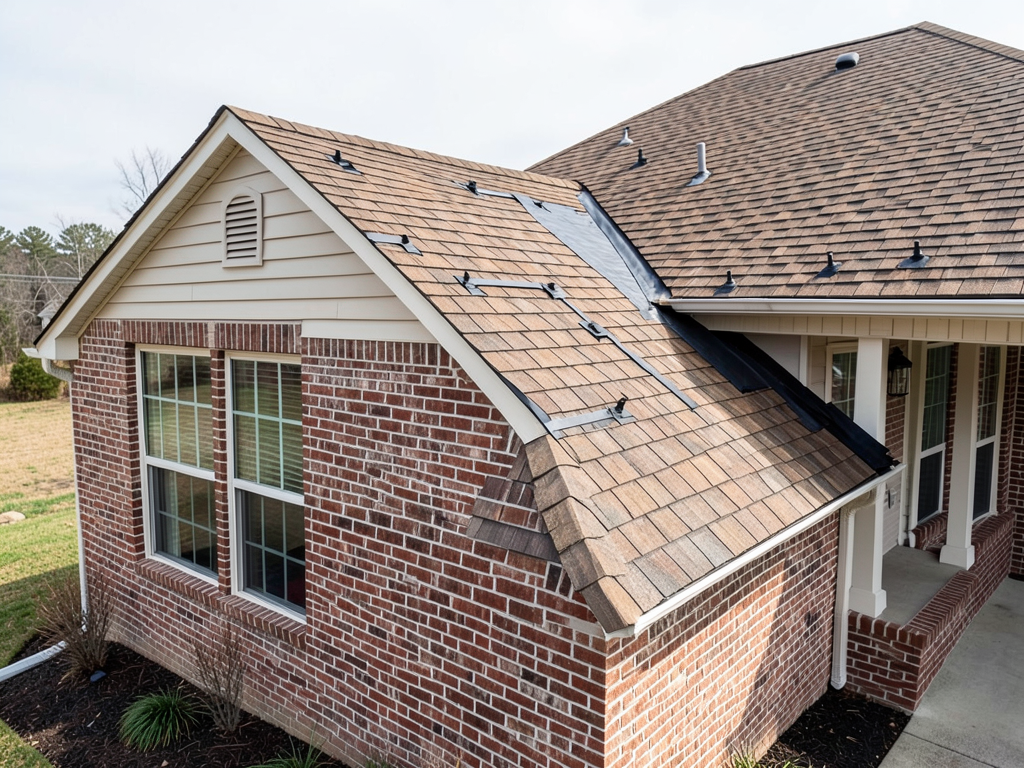
You notice dark streaks running down your roof. At first, you think it's dirt or debris. Then you realize the stains are spreading. Those black streaks are not cosmetic. They are algae, specifically Gloeocapsa magma, feeding on the limestone filler in your asphalt shingles.

Oklahoma City's climate creates the perfect storm for roof algae growth. Our hot summers combined with high humidity, especially during spring and early fall, provide the moisture algae need to thrive. When temperatures hit 90 degrees and humidity spikes after afternoon thunderstorms, spores settle on your roof and colonize rapidly.

The algae retain moisture against the shingle surface. This creates a breeding ground for mold and mildew. Over time, the organisms break down the protective granules on your shingles. Your roof absorbs more heat instead of reflecting it. Energy costs climb. Shingles deteriorate faster than their rated lifespan.

The black stains also reduce curb appeal. If you plan to sell, potential buyers see a neglected roof and assume expensive replacement is imminent. They either walk away or demand price concessions.

Removing black streaks on roof surfaces is not about aesthetics alone. It is about stopping biological deterioration before it shortens your roof's functional life. Oklahoma City homeowners who address roof fungus cleaning early avoid premature replacement. Those who wait face compounding damage as the algae spread from shingle to shingle, often covering 30 to 50 percent of the roof surface within two to three years.

The problem does not fix itself. Rain does not wash away established algae colonies. You need professional shingle algae treatment to remove organic roof stains and halt the decay process.

Why Oklahoma City Roofs Turn Black and What It Means
How Professional Roof Mildew Removal Works

How Professional Roof Mildew Removal Works

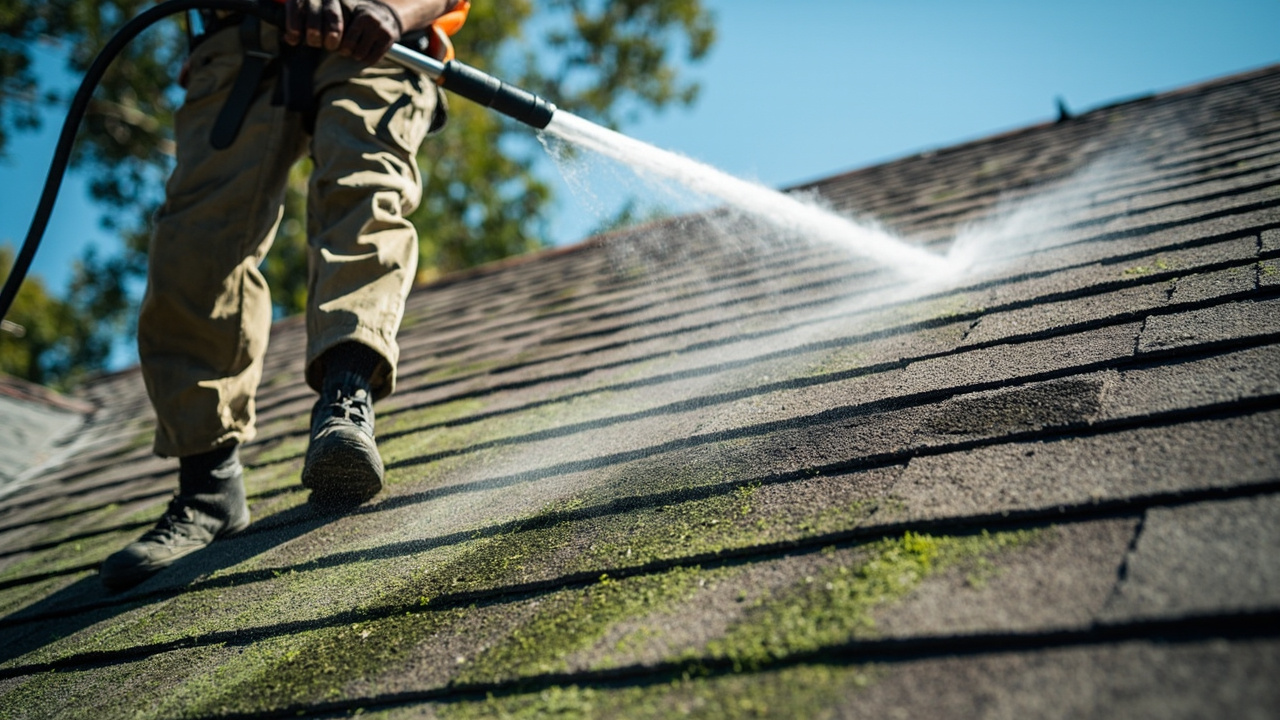
Roof cleaning is not pressure washing. High-pressure water dislodges granules and voids manufacturer warranties. We use a low-pressure soft wash system specifically designed for shingle algae treatment.

The process starts with a detailed roof inspection. We identify the extent of algae colonization, check for secondary damage like lifted shingles or compromised flashing, and determine the appropriate cleaning solution concentration. Different algae strains and mold types require adjusted chemical ratios.

We apply a biodegradable algaecide formulated to break down Gloeocapsa magma and other roof-dwelling organisms. The solution penetrates the algae's protective outer layer and kills the organism at the root level. This is critical. Surface cleaning without killing the root structure allows regrowth within months.

After application, we allow dwell time. The solution needs 15 to 20 minutes to fully penetrate and neutralize the algae. Rushing this step leaves live spores that regenerate quickly.

We then rinse using controlled low-pressure water flow. The dead algae, mold, and mildew wash away without damaging shingle integrity. We work from ridge to eave, following the natural water flow pattern to prevent moisture infiltration under shingles.

The final step involves applying a preventative treatment to inhibit future growth. This zinc-based solution creates an inhospitable environment for algae spores. Rain activates the treatment over time, washing microscopic amounts down the roof surface and maintaining protection for up to two years.

We also clean gutters and downspouts. Dead organic material washes into your drainage system during the rinse phase. Clogged gutters lead to water backup and potential fascia rot. Removing this debris is part of complete roof mildew removal.

What Happens During Your Roof Cleaning Appointment

Mold & Algae Stain Removal in Oklahoma City – Restore Your Roof's Appearance and Prevent Structural Damage
01

Initial Roof Assessment

We start with a comprehensive roof inspection from ground level and attic access if available. This identifies algae concentration zones, checks for underlying damage, and confirms your shingles can tolerate soft wash treatment. We document existing conditions with photos and explain what we find. You know exactly what you are paying to fix before we start work.
02

Soft Wash Application

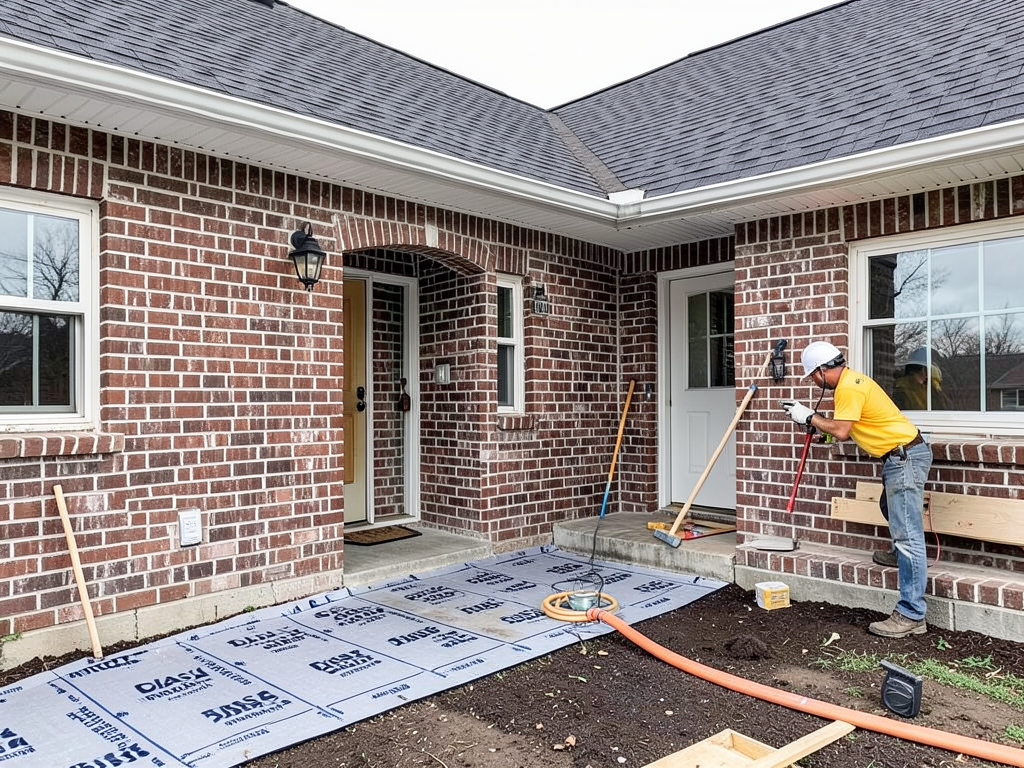
We protect landscaping with tarps and pre-wet plants to prevent chemical contact. Our technicians apply the algaecide solution using calibrated sprayers that deliver consistent coverage without excessive pressure. We treat the entire affected area plus a buffer zone to eliminate edge colonies. The solution works on contact, breaking down algae cell walls and killing mold spores embedded in shingle granules.
03

Rinse and Preventative Treatment

After proper dwell time, we rinse the roof using low-pressure water to remove dead organisms and residual cleaning solution. We inspect the roof again to confirm complete stain removal. Finally, we apply a zinc-based preventative treatment that inhibits future algae growth. Your roof looks clean immediately, and the preventative layer continues working for up to two years, protecting your investment long after we leave.

Why Oklahoma City Homeowners Choose United Roofing Oklahoma City

Oklahoma City's weather patterns require local expertise. Roof algae behaves differently here than in cooler or drier climates. Our humid springs followed by scorching summers create conditions where algae can colonize a roof in a single season. We understand this cycle because we work in it every day.

We also understand Oklahoma City's housing stock. Many neighborhoods in areas like Mesta Park, Heritage Hills, and Edgemere Park feature older homes with architectural shingles or even original slate and tile roofs. Each material requires specific cleaning protocols. We adjust our methods based on roof age, material composition, and existing wear patterns.

Local building codes in Oklahoma City do not mandate specific roof cleaning standards, but insurance companies increasingly flag algae-stained roofs during inspections. Carriers view heavy algae growth as deferred maintenance, which can complicate claims if storm damage occurs. We provide documentation of our cleaning process that satisfies insurer requirements and proves you maintain your property responsibly.

We also navigate Oklahoma City's unpredictable weather windows. Spring storms roll through with little warning. Summer heat makes afternoon roof work dangerous. We schedule appointments during optimal conditions and monitor forecasts closely. If weather turns, we reschedule rather than rush work in unsafe conditions.

You also avoid the national franchise markup. We are local, which means lower overhead and direct access to the team doing the work. You speak with the same people who inspect your roof and perform the cleaning. No call centers, no subcontractors, no confusion about who is responsible if something goes wrong.

Our familiarity with Oklahoma City extends to material suppliers. We source cleaning solutions and equipment locally when possible, which means faster turnaround if we need additional supplies during your project. It also means we support the same community you live in.

What to Expect When You Schedule Roof Cleaning

Same-Week Scheduling Available

Most roof cleaning appointments happen within five to seven days of your call. We schedule during morning hours when temperatures are cooler and wind is calmer. The actual cleaning takes three to five hours depending on roof size and algae severity. You do not need to be home during the work, but we walk you through results before we leave. If you need faster service due to an upcoming home sale or insurance inspection, we accommodate rush requests when crew availability allows.

Thorough Pre-Cleaning Inspection

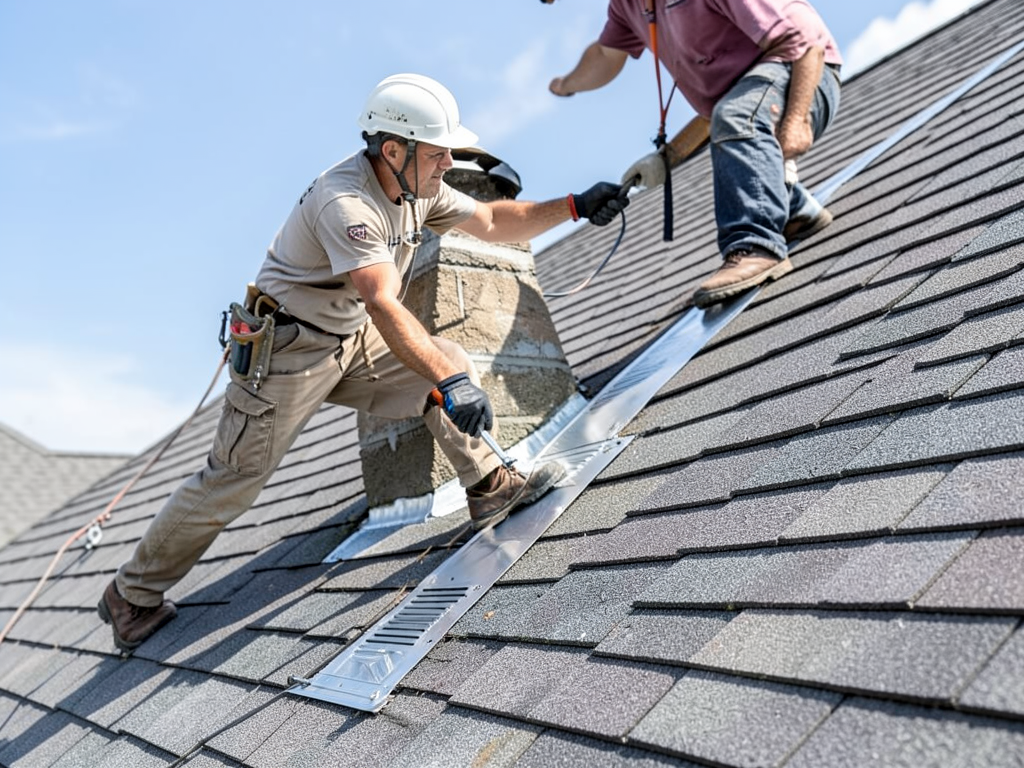
Before we apply any cleaning solution, we inspect your entire roof system. We look for damaged shingles, compromised flashing around chimneys and vents, and signs of underlying moisture intrusion. If we find issues that could worsen during cleaning, we stop and discuss repair options. You never pay for roof cleaning only to discover we caused additional damage. We also check attic ventilation. Poor airflow contributes to moisture buildup that accelerates algae growth. If ventilation is inadequate, we recommend improvements to prevent recurrence.

Visible Results Immediately

Your roof looks dramatically different the moment we finish rinsing. Black streaks disappear, and the original shingle color returns. In cases where algae caused significant granule loss, you may notice lighter patches where the protective coating wore away. This is existing damage, not cleaning damage. We document these areas during the initial inspection so there is no confusion. The preventative treatment we apply dries clear and does not alter your roof's appearance. You get clean shingles and long-term protection without visible residue or color changes.

Two-Year Preventative Protection

The zinc-based treatment we apply after cleaning inhibits algae regrowth for up to two years. Rain activates the treatment, washing microscopic amounts down the roof surface and creating an environment where spores cannot take hold. This is not a warranty or guarantee, but a preventative measure that extends the time between cleanings. If you notice new stains developing before two years, contact us. We reassess and determine if environmental factors require additional treatment. Most Oklahoma City homeowners schedule maintenance cleaning every two to three years to keep roofs stain-free.

Frequently Asked Questions

You Have Questions,
We Have Answers

Can active mold stains be removed? +

Active mold stains require immediate professional intervention. You cannot just wipe them away. The stain is a symptom of living mold colonies feeding on your surface. In Oklahoma City, our high humidity from spring and summer storms creates ideal mold growth conditions. First, kill the mold with a biocide treatment. Then address the stain with specialized cleaners or abrasive methods depending on the surface. Do not paint over active mold. The moisture source must be eliminated or the stain will return within weeks. Fabric and porous materials often need replacement, not cleaning.

How to get rid of algae stains? +

Algae stains on roofs and siding respond to low-pressure chemical treatment, not scrubbing. Use a sodium hypochlorite solution or specialized algaecide designed for exterior surfaces. Apply the solution and let it dwell for 15 to 20 minutes. The algae will release from the surface as the solution breaks down the organic material. Rinse gently with low-pressure water. Oklahoma City roofs face heavy algae growth due to humidity and oak tree overhang in neighborhoods like Nichols Hills and Heritage Hills. Prevent regrowth by trimming back branches to increase sunlight and airflow across your roof.

What's the best mold and mildew stain remover? +

For hard surfaces, a solution of one part bleach to three parts water works for most mold and mildew stains. For porous materials like grout or wood, use oxygen bleach or a commercial enzymatic cleaner that breaks down organic staining. Avoid ammonia-based products, which can react dangerously with bleach. Oklahoma City homeowners dealing with bathroom mold from poor ventilation should address the airflow problem first. The stain remover only treats the symptom. If the surface is already damaged or the stain has penetrated deep, replacement is often more cost-effective than repeated cleaning attempts.

How to remove mold and mildew stains from fabric? +

Test a hidden area first. Mix oxygen bleach with hot water and soak the fabric for 30 minutes to two hours depending on stain severity. Oxygen bleach is safer than chlorine bleach for colored fabrics. Scrub gently with a soft brush, then launder as usual with detergent. For delicate fabrics, use white vinegar or hydrogen peroxide instead. Oklahoma City's humid spring conditions often cause mold on stored fabrics in attics or basements. If the fabric smells musty after cleaning, the mold has penetrated the fibers and the item should be discarded to prevent spore spread.

Does mold leave permanent stains? +

Mold itself does not permanently stain, but the byproducts it produces can. Mold secretes enzymes and pigments that break down organic material. These pigments can etch into porous surfaces like drywall, grout, or untreated wood. If you catch the stain early on non-porous surfaces like tile or glass, it wipes away easily. Once mold pigment penetrates wood grain or drywall paper, you face permanent discoloration. Sanding, priming with stain-blocking primer, or replacement become your only options. Oklahoma City homes with foundation moisture issues often see permanent staining on baseboards and lower drywall sections.

Will magic eraser remove mold stains? +

Magic erasers remove surface mold stains from non-porous materials like tile, fiberglass, or painted walls through abrasion. They work like fine-grit sandpaper. The eraser will not kill mold spores, only scrub away visible pigment. You must still treat the area with a biocide to prevent regrowth. Magic erasers are ineffective on porous surfaces where mold has penetrated below the surface layer. They also remove paint and finish if you scrub too hard. For Oklahoma City bathrooms with recurring mold, fix the ventilation issue first or you will be scrubbing the same stain every month.

Will Dawn remove algae? +

Dawn dish soap alone will not kill algae. It can help break surface tension and lift light algae residue when combined with scrubbing, but it does not address the root system. You need a biocide like diluted bleach, hydrogen peroxide, or a commercial algaecide to kill algae cells. Dawn works as a surfactant additive to help cleaning solutions spread and penetrate better. For Oklahoma City driveways or patios with algae growth from sprinkler overspray, use a bleach solution with a few drops of Dawn, apply it, let it dwell, then rinse. The soap helps but is not the active killing agent.

What kills algae permanently? +

Killing algae permanently requires eliminating the conditions that support growth. Algae need moisture, sunlight, and a surface to cling to. Apply a zinc or copper-based algaecide to kill existing growth, then address the environment. Increase sunlight exposure by trimming trees. Improve drainage to reduce standing water. Install zinc or copper strips on roof ridges, which release ions that inhibit algae regrowth when it rains. Oklahoma City properties with northern roof slopes or heavy tree cover will see faster algae return. Chemical treatments buy you time, but environmental control provides long-term prevention.

How to remove algae without scrubbing? +

Chemical soft washing removes algae without scrubbing. Apply a sodium hypochlorite solution or specialized algaecide to the affected surface and let it dwell for 15 to 30 minutes. The chemical breaks down the algae's cell structure, causing it to release from the surface. Rinse with low-pressure water. High-pressure washing damages shingles, siding, and wood. Oklahoma City roofs, especially asphalt shingle roofs common in Edmond and Moore, should never be pressure washed. The chemical does the work. Scrubbing or high pressure strips granules and shortens roof lifespan. Patience and the right chemical concentration are key.

What should you not use to clean mold? +

Never use ammonia-based cleaners on mold. Mixing ammonia with bleach creates toxic chloramine gas. Avoid using a dry brush or vacuum on mold without a HEPA filter, which spreads spores into the air. Do not use paint or caulk to cover mold without killing it first. The mold will grow through the new finish. Never ignore the moisture source. Cleaning mold without fixing the leak, condensation, or humidity problem guarantees it returns. Oklahoma City homeowners often make the mistake of cleaning visible mold in bathrooms without installing exhaust fans or fixing roof leaks, leading to recurring problems within weeks.

Oklahoma City's Humidity and Heat Create Ideal Conditions for Roof Algae

Oklahoma City sits at the intersection of humid subtropical and semi-arid climates. Spring and early summer bring high humidity from Gulf moisture, often reaching 70 to 80 percent during morning hours. Afternoon temperatures climb into the 90s, creating a hot, damp environment on south and west-facing roof slopes. This combination allows algae spores to germinate rapidly. Once established, the organisms spread across shingle surfaces, retaining moisture and accelerating deterioration. Homes near Lake Hefner or along the North Canadian River corridor experience even faster algae growth due to localized humidity increases. Roof fungus cleaning becomes necessary far sooner here than in drier western Oklahoma counties.

Oklahoma City building codes do not require specific roof maintenance schedules, but local insurance carriers increasingly scrutinize roof conditions during policy renewals. Algae-stained roofs trigger questions about deferred maintenance, which can affect coverage or premiums. Working with a local roofing company familiar with Oklahoma City's insurance landscape ensures you receive documentation that satisfies carrier requirements. We also understand local architectural trends. Many neighborhoods feature dimensional shingles that show algae stains more prominently than traditional three-tab shingles. Our soft wash process safely cleans these textured surfaces without damaging the dimensional profile or voiding manufacturer warranties.
Roofing Services in The Oklahoma City Area

Our dedicated team is proud to serve homeowners and businesses across the entire Oklahoma City metropolitan area and its surrounding communities. We're committed to bringing our expert roofing services directly to you, no matter where you are in our service radius. We encourage you to contact us to discuss your project, and we will be on our way to assist you with your roofing needs.

Address:
United Roofing Oklahoma City, 5600 N May Ave, Oklahoma City, OK, 73112

Additional Services We Offer

Our news updates

Latest Articles & News from The Blogs

Common Ways New Homeowners Accidentally Void Their Roofing Warranty Your new roof represents a significant investment and the warranty that…

Common Ways New Homeowners Accidentally Void Their Roofing Warranty

Common Ways New Homeowners Accidentally Void Their Roofing Warranty Your new roof represents a significant investment and the warranty that…

How Much Noise Does a Metal Roof Really Make During an Oklahoma Rainstorm?

Is a Metal Roof Too Noisy During Oklahoma Storms? Oklahoma City homeowners considering metal roofing often worry about rain noise.…

Why Your Neighbors Are Choosing Class 4 Shingles Even if They Don't Have Hail Damage

Why Your Neighbors Are Choosing Class 4 Shingles Even if They Don’t Have Hail Damage Oklahoma City homeowners are making…

Contact Us

Call (405) 507-3933 now to schedule your roof inspection and cleaning. We provide same-week appointments and transparent pricing. Stop algae from shortening your roof's lifespan. Your Oklahoma City home deserves protection.