
Repairing the Unique Rooflines and Gables Found in Miller-Main Neighborhood Homes
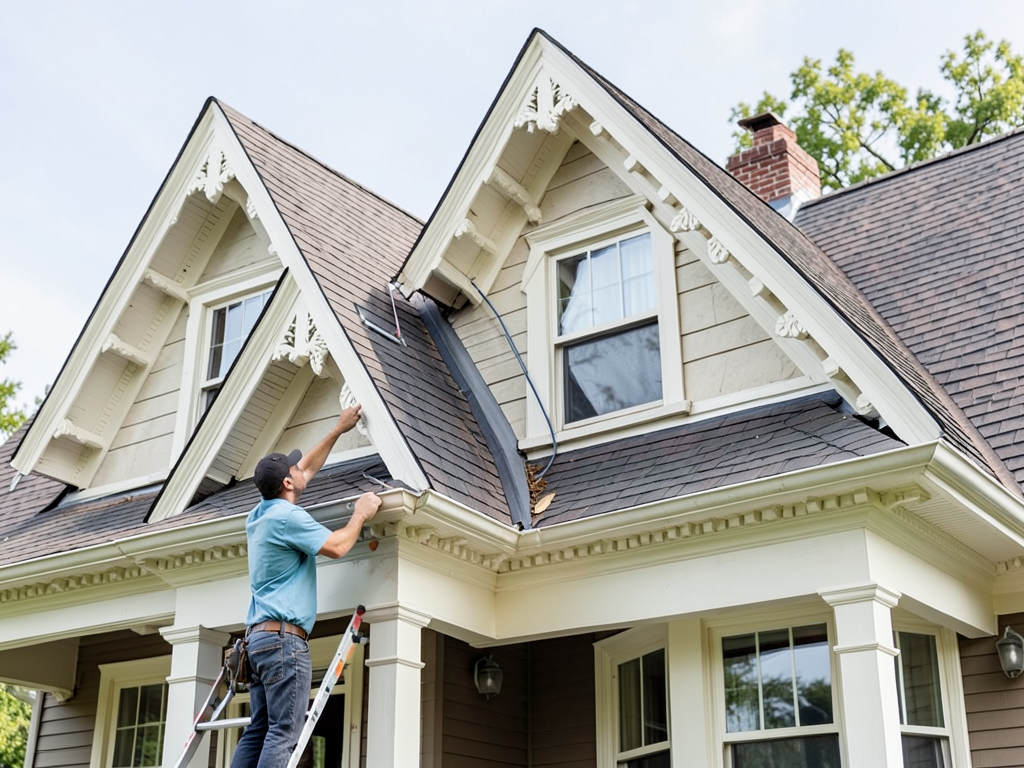
The Miller-Main neighborhood in Oklahoma City features some of the city’s most distinctive residential architecture with intricate rooflines and ornate gables. These historic homes require specialized knowledge and careful craftsmanship to maintain their character while ensuring structural integrity against Oklahoma’s harsh weather patterns. Oklahoma City Historic Preservation Commission.
Many Miller-Main homes showcase complex roof geometries including intersecting gables, dormers, and varying pitch transitions that create both aesthetic appeal and potential water management challenges. Understanding these unique features is essential for proper repair and preservation.. Read more about Adding Instant Curb Appeal with Custom Copper Flashing and Gutters in Nichols Hills.
Common Roofline Challenges in Miller-Main Historic Homes
Historic Miller-Main properties often feature roof designs that present specific maintenance challenges. The neighborhood’s homes, built primarily between 1920 and 1950, typically include multiple intersecting roof planes that can create vulnerable areas for water infiltration.
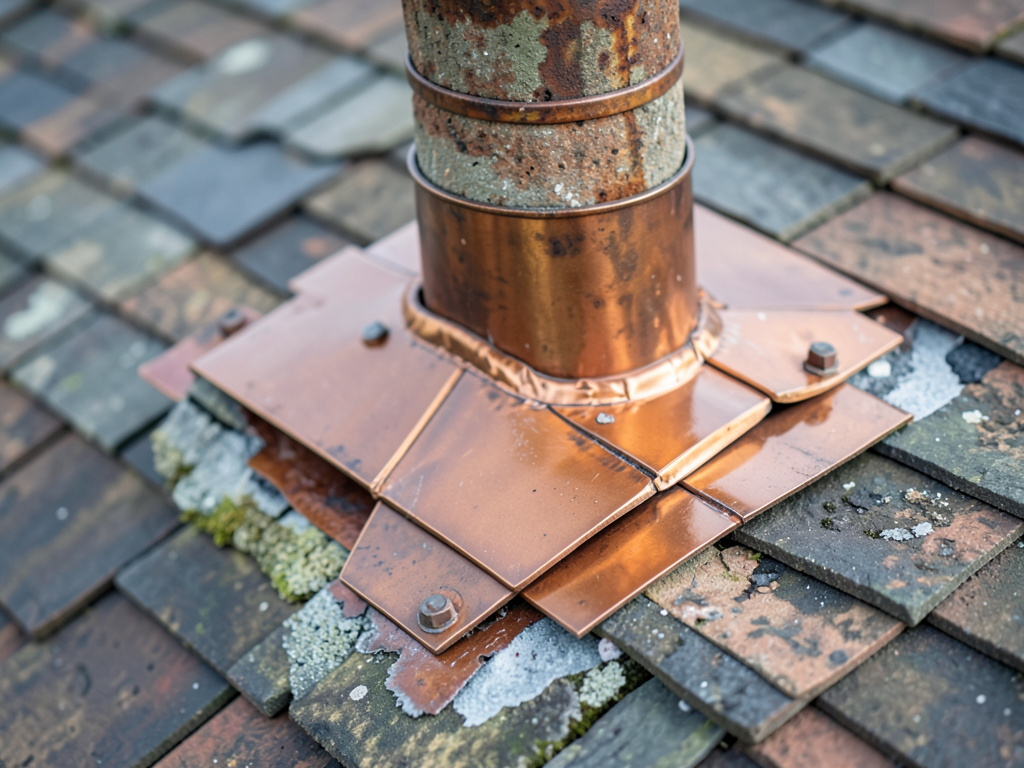
Valley flashing deterioration represents one of the most frequent issues in these homes. The original copper or galvanized steel flashing installed decades ago often corrodes or separates at the seams, allowing water to penetrate beneath the roofing materials. Roofing Tulsa.
Roof deck sagging commonly occurs in older homes due to the weight of multiple roofing layers accumulated over the years. This creates low spots where water pools instead of draining properly, accelerating material degradation. Roofing Norman.
Gable end deterioration presents another significant concern. The decorative woodwork and trim pieces on gable ends are particularly susceptible to Oklahoma’s extreme temperature fluctuations and moisture exposure.
Specialized Materials for Historic Roof Restoration
Restoring Miller-Main’s historic rooflines requires materials that match the original aesthetic while meeting modern performance standards. The Oklahoma City Historic Preservation Commission mandates specific material requirements for visible roof surfaces in designated historic districts.
Architectural asphalt shingles designed to replicate wood shake or slate provide an excellent balance of authenticity and durability. These dimensional shingles feature varied tab sizes and deep shadow lines that mimic traditional materials while offering Class 4 impact resistance against hail.
Copper flashing remains the gold standard for historic roof restoration. While initially more expensive than aluminum alternatives, copper develops a protective patina over time and can last 50+ years when properly installed. The material’s malleability allows for custom fitting around complex roof transitions common in Miller-Main homes.
Wood cedar shakes, when permitted by preservation guidelines, offer unmatched authenticity for certain historic styles. Modern pressure-treated cedar shakes provide enhanced resistance to rot and insects while maintaining the natural appearance required for historic accuracy.. Read more about The First-Time Homebuyer Guide to Evaluating a Roof in the Oklahoma City Market.
Synthetic slate and shake products manufactured from recycled rubber and plastic composites provide another viable option. These materials replicate the appearance of natural materials at a fraction of the weight and cost, often meeting both aesthetic and structural requirements for historic homes.
OKC Historic Preservation Commission Requirements
Any exterior modifications to Miller-Main homes, including roof repairs visible from public right-of-way, require approval from the Oklahoma City Historic Preservation Commission. The commission evaluates proposals based on the Secretary of the Interior’s Standards for Rehabilitation. Secretary of the Interior’s Standards for Rehabilitation.
The approval process typically takes 30-45 days and requires detailed documentation including material samples, color selections, and installation methods. The commission particularly scrutinizes proposals that alter the roof’s original character-defining features.
Material color and texture must closely match existing or historically appropriate options. The commission generally prohibits bright or unconventional colors that would alter the historic streetscape’s visual harmony.
Installation methods that preserve original roof deck materials receive favorable consideration. The commission often requires removal of only the outer roofing layers while protecting underlying historic structures. Roofing Midwest City.
Weather Considerations for Miller-Main Roof Repairs
Oklahoma’s climate creates unique challenges for roof repairs in Miller-Main. The region experiences an average of 8-10 hailstorms annually, with hailstones often exceeding 1.5 inches in diameter. These storms can cause immediate damage to aging roofing materials.
Summer temperatures regularly exceed 95°F, causing roofing materials to expand and contract. This thermal cycling accelerates deterioration of sealants and flashing joints, particularly in areas where different materials meet.
Spring thunderstorms bring high winds that can exceed 70 mph, creating uplift forces on roof edges and gables. Proper fastening patterns become critical in these wind-prone conditions.
Ice dam formation during occasional winter freezes can force water under roofing materials, particularly in north-facing valleys and low-pitch areas. Adequate attic ventilation becomes essential for preventing this damage.
Diagnostic Assessment Process for Historic Roofs
Proper assessment begins with a comprehensive interior inspection. Water stains on ceilings and walls often indicate the roof’s weakest points, even when exterior damage isn’t immediately visible.
Moisture meter readings at multiple depths help determine the extent of water infiltration. Readings above 18% moisture content in roof decking indicate active deterioration requiring immediate attention.
Infrared thermography can reveal hidden moisture patterns and insulation deficiencies. Wet areas appear cooler during thermal scans, allowing technicians to pinpoint problem areas without destructive testing.
Core sampling of roofing materials provides definitive information about material condition and remaining service life. This testing particularly useful for determining whether multiple roofing layers can remain in place.
Structural assessment of roof framing members ensures the existing structure can support the weight of selected replacement materials. Many historic homes require reinforcement before installing heavier materials like slate or tile. What You Can Expect to Pay for a Roof Replacement in Edmond.
Step-by-Step Roof Repair Process for Historic Homes
- Documentation and Planning
Photograph all roof conditions, measure slopes and transitions, and document existing materials. Create detailed repair plans showing material locations and installation methods.
- Historic Commission Approval
Submit comprehensive application including material samples, color selections, and installation details. Address any commission concerns before proceeding.
- Protection of Surrounding Areas
Install protective barriers around landscaping, windows, and exterior surfaces. Cover interior areas beneath work zones to prevent dust and debris infiltration.
- Careful Material Removal
Remove existing roofing in sections, preserving salvageable materials when possible. Document original construction methods for reference during reinstallation.
- Structural Repairs
Replace damaged decking, reinforce framing as needed, and address any underlying moisture or pest damage discovered during removal.
- Underlayment Installation
Install self-adhering ice and water shield in valleys and along eaves. Apply synthetic underlayment over remaining roof areas for secondary moisture protection.
- Flashing and Transition Details
Install custom-fabricated flashing at all roof penetrations, valleys, and transitions. Pay particular attention to historical accuracy in exposed areas.
- Primary Roofing Installation
Install selected roofing materials according to manufacturer specifications and historical accuracy requirements. Maintain consistent exposure and alignment throughout.
- Trim and Finish Work
Install or restore gable trim, fascia, and soffit components. Apply appropriate paint or stain finishes to match historical records.
- Final Inspection and Documentation
Conduct thorough inspection of all work areas. Document completed repairs with photographs for historical records and future reference.
Cost Factors for Miller-Main Roof Repairs
Roof repair costs in Miller-Main vary significantly based on several factors. Historic preservation requirements often increase labor costs by 25-40% compared to standard roof replacements.
Material selection represents the largest cost variable. Standard architectural shingles might cost $350-450 per square, while premium materials like slate or tile can exceed $1,200 per square installed.
Roof complexity directly impacts labor requirements. Homes with multiple valleys, dormers, and intricate gables require 30-50% more labor hours than simple gable roofs of comparable size.
Structural repairs discovered during the process add unexpected costs. Budget an additional 15-20% for potential deck replacement or framing reinforcement in homes over 50 years old.
Permit and commission fees for historic properties typically range from $200-500, plus additional costs for engineering reports or historical documentation when required.
Maintenance Strategies for Extended Roof Life
Regular maintenance significantly extends roof life in Miller-Main’s historic homes. Annual inspections during spring identify winter damage before it becomes severe.
Gutter cleaning every six months prevents water backup that can damage roof edges and fascia. Miller-Main’s mature trees create substantial debris accumulation requiring consistent attention.
Tree trimming maintains minimum 10-foot clearance from roof surfaces. Oklahoma’s severe weather can break limbs that damage roofing materials if trees grow too close to structures.
Caulking inspection and replacement every 3-5 years prevents water infiltration at roof penetrations. Silicone-based caulks provide superior flexibility and UV resistance compared to acrylic alternatives.
Attic ventilation assessment ensures proper airflow. Inadequate ventilation causes excessive heat buildup that accelerates shingle deterioration and increases cooling costs.
Insurance Considerations for Historic Roof Repairs
Insurance coverage for historic roof repairs requires specific documentation. Most standard policies exclude coverage for matching historic materials, requiring endorsement for full replacement cost coverage.
Replacement cost valuation must account for specialty labor and materials required for historic accuracy. Actual cash value settlements often fall 30-50% short of true repair costs for historic properties.
Documentation of pre-damage conditions strengthens insurance claims. Maintain photographs and records of roof condition, materials, and any previous repairs or modifications.
Code upgrade provisions in newer policies may require installation of current building standards even for historic repairs. These requirements can significantly increase repair costs beyond original construction methods.
Claims for weather damage in Tornado Alley require prompt inspection and documentation. Most policies limit hail and wind damage claims to one occurrence per year, making thorough documentation essential.
Common Mistakes to Avoid
Using modern materials without historic commission approval creates legal and financial complications. Unauthorized changes may require complete removal and reinstallation at property owner expense.
Improper fastening patterns compromise roof integrity in Oklahoma’s high-wind conditions. Standard six-nail patterns may prove insufficient for certain roof areas requiring additional fasteners.
Neglecting underlayment installation leaves roofs vulnerable to water infiltration. Modern synthetic underlayments provide critical secondary protection that original installations lacked.
Ignoring ventilation requirements accelerates material deterioration. Poor attic airflow causes excessive heat buildup that can void manufacturer warranties and reduce material life by 30-40%.
Delaying repairs after storm damage allows water infiltration to cause secondary damage. What begins as minor shingle damage can escalate to structural repairs if left unaddressed.
Choosing the Right Contractor for Historic Roof Repairs
Experience with historic properties proves essential for Miller-Main roof repairs. Contractors should demonstrate familiarity with Oklahoma City’s historic preservation requirements and local building codes. Why Local Nichols Hills Residents Choose Our Luxury Roofing Team.
Manufacturer certifications indicate specialized training in specific roofing systems. Look for credentials from major manufacturers like GAF, CertainTeed, or specialty producers of historic material replicas.
Insurance coverage must include both general liability and workers’ compensation. Historic properties often command higher liability limits due to their irreplaceable nature and potential for accidental damage.
References from similar projects provide insight into contractor capabilities. Request examples of historic roof repairs in Oklahoma City, particularly in Miller-Main or similar historic districts.
Warranty offerings should cover both materials and workmanship. Premium materials often include 50-year or lifetime warranties, but these require specific installation methods to remain valid.
Frequently Asked Questions
How long does a typical roof repair take in Miller-Main?
Most roof repairs in Miller-Main homes require 3-7 days for completion, depending on roof complexity and weather conditions. Historic commission approval adds 2-6 weeks to the overall timeline before work can begin.
Can I install solar panels on my historic Miller-Main home?
Solar installations on visible roof surfaces typically require special approval from the Historic Preservation Commission. Ground-mounted systems or installations on non-visible roof sections often receive more favorable consideration.
What’s the average lifespan of a restored historic roof?
Properly restored historic roofs typically last 20-30 years with regular maintenance. Premium materials like slate or copper can exceed 50 years when correctly installed and maintained.
Do I need permits for roof repairs in Miller-Main?
Yes, most exterior modifications require permits from the City of Oklahoma City, plus additional approval from the Historic Preservation Commission for visible changes. Permit fees typically range from $100-300.
How can I tell if my roof needs repair?
Signs include missing or curling shingles, water stains on interior ceilings, granules in gutters, and visible sagging. Annual professional inspections can identify issues before they cause interior damage.
Protecting Your Miller-Main Investment
The unique rooflines and gables that make Miller-Main homes so distinctive also require specialized care and expertise. Understanding the specific challenges these historic structures face helps homeowners make informed decisions about maintenance and repairs.
Working with contractors experienced in historic preservation ensures repairs maintain architectural integrity while providing modern protection against Oklahoma’s severe weather. The investment in proper restoration preserves both the home’s value and the neighborhood’s historic character.
Regular maintenance, prompt repairs, and appropriate material selection extend roof life while protecting the significant investment represented by these historic properties. The combination of proper care and professional expertise keeps Miller-Main’s architectural heritage intact for future generations.
Don’t wait until minor issues become major problems. Call (405) 507-3933 today to schedule your comprehensive roof inspection. Our team understands the unique requirements of Miller-Main’s historic homes and can provide the specialized care your roof deserves.
Pick up the phone and call (405) 507-3933 before the next Oklahoma storm hits. Protect your historic home with the expertise it deserves.
{
“@context”: “https://schema.org”,
“@type”: “BlogPosting”,
“headline”: “Repairing the Unique Rooflines and Gables Found in Miller-Main Neighborhood Homes”,
“description”: “Expert roof repair for Miller-Main’s historic homes. Learn about unique gables, specialized materials, and OKC preservation codes. Call (405) 507-3933 for a consultation.”,
“wordCount”: 2128,
“datePublished”: “2026-04-15T10:32:00.000Z”,
“dateModified”: “2026-04-15T10:32:00.000Z”,
“inLanguage”: “en-US”,
“mainEntityOfPage”: {
“@type”: “WebPage”,
“@id”: “https://unitedroofingoklahomacity.com”
},
“publisher”: {
“@type”: “LocalBusiness”,
“name”: “United Roofing Oklahoma City”,
“url”: “https://unitedroofingoklahomacity.com”
},
“author”: {
“@type”: “Organization”,
“name”: “United Roofing Oklahoma City”,
“url”: “https://unitedroofingoklahomacity.com”
},
“image”: {
“@type”: “ImageObject”,
“url”: “https://unitedroofingoklahomacity.com/wp-content/uploads/2026/03/repairing-the-unique-rooflines-and-gables-found-in-1.png”
}
}
{
“@context”: “https://schema.org”,
“@type”: “RoofingContractor”,
“name”: “United Roofing Oklahoma City”,
“url”: “https://unitedroofingoklahomacity.com”,
“address”: {
“@type”: “PostalAddress”,
“addressLocality”: “Oklahoma City”
},
“areaServed”: {
“@type”: “City”,
“name”: “Oklahoma City”
}
}
{
“@context”: “https://schema.org”,
“@type”: “FAQPage”,
“mainEntity”: [
{
“@type”: “Question”,
“name”: “How long does a typical roof repair take in Miller-Main?”,
“acceptedAnswer”: {
“@type”: “Answer”,
“text”: “Most roof repairs in Miller-Main homes require 3-7 days for completion, depending on roof complexity and weather conditions. Historic commission approval adds 2-6 weeks to the overall timeline before work can begin.”
}
},
{
“@type”: “Question”,
“name”: “Can I install solar panels on my historic Miller-Main home?”,
“acceptedAnswer”: {
“@type”: “Answer”,
“text”: “Solar installations on visible roof surfaces typically require special approval from the Historic Preservation Commission. Ground-mounted systems or installations on non-visible roof sections often receive more favorable consideration.”
}
},
{
“@type”: “Question”,
“name”: “What’s the average lifespan of a restored historic roof?”,
“acceptedAnswer”: {
“@type”: “Answer”,
“text”: “Properly restored historic roofs typically last 20-30 years with regular maintenance. Premium materials like slate or copper can exceed 50 years when correctly installed and maintained.”
}
},
{
“@type”: “Question”,
“name”: “Do I need permits for roof repairs in Miller-Main?”,
“acceptedAnswer”: {
“@type”: “Answer”,
“text”: “Yes, most exterior modifications require permits from the City of Oklahoma City, plus additional approval from the Historic Preservation Commission for visible changes. Permit fees typically range from $100-300.”
}
},
{
“@type”: “Question”,
“name”: “How can I tell if my roof needs repair?”,
“acceptedAnswer”: {
“@type”: “Answer”,
“text”: “Signs include missing or curling shingles, water stains on interior ceilings, granules in gutters, and visible sagging. Annual professional inspections can identify issues before they cause interior damage.”
}
}
]
}
{
“@context”: “https://schema.org”,
“@type”: “HowTo”,
“name”: “How to Repair Historic Rooflines”,
“step”: [
{
“@type”: “HowToStep”,
“position”: 1,
“name”: “Documentation and Planning”,
“text”: “Photograph all roof conditions, measure slopes and transitions, and document existing materials. Create detailed repair plans showing material locations and installation methods.”
},
{
“@type”: “HowToStep”,
“position”: 2,
“name”: “Historic Commission Approval”,
“text”: “Submit comprehensive application including material samples, color selections, and installation details. Address any commission concerns before proceeding.”
},
{
“@type”: “HowToStep”,
“position”: 3,
“name”: “Protection of Surrounding Areas”,
“text”: “Install protective barriers around landscaping, windows, and exterior surfaces. Cover interior areas beneath work zones to prevent dust and debris infiltration.”
},
{
“@type”: “HowToStep”,
“position”: 4,
“name”: “Careful Material Removal”,
“text”: “Remove existing roofing in sections, preserving salvageable materials when possible. Document original construction methods for reference during reinstallation.”
},
{
“@type”: “HowToStep”,
“position”: 5,
“name”: “Structural Repairs”,
“text”: “Replace damaged decking, reinforce framing as needed, and address any underlying moisture or pest damage discovered during removal.”
},
{
“@type”: “HowToStep”,
“position”: 6,
“name”: “Underlayment Installation”,
“text”: “Install self-adhering ice and water shield in valleys and along eaves. Apply synthetic underlayment over remaining roof areas for secondary moisture protection.”
},
{
“@type”: “HowToStep”,
“position”: 7,
“name”: “Flashing and Transition Details”,
“text”: “Install custom-fabricated flashing at all roof penetrations, valleys, and transitions. Pay particular attention to historical accuracy in exposed areas.”
},
{
“@type”: “HowToStep”,
“position”: 8,
“name”: “Primary Roofing Installation”,
“text”: “Install selected roofing materials according to manufacturer specifications and historical accuracy requirements. Maintain consistent exposure and alignment throughout.”
},
{
“@type”: “HowToStep”,
“position”: 9,
“name”: “Trim and Finish Work”,
“text”: “Install or restore gable trim, fascia, and soffit components. Apply appropriate paint or stain finishes to match historical records.”
},
{
“@type”: “HowToStep”,
“position”: 10,
“name”: “Final Inspection and Documentation”,
“text”: “Conduct thorough inspection of all work areas. Document completed repairs with photographs for historical records and future reference.”
}
],
“image”: “https://unitedroofingoklahomacity.com/wp-content/uploads/2026/03/repairing-the-unique-rooflines-and-gables-found-in-1.png”
}
{
“@context”: “https://schema.org”,
“@type”: “BreadcrumbList”,
“itemListElement”: [
{
“@type”: “ListItem”,
“position”: 1,
“name”: “Home”,
“item”: “https://unitedroofingoklahomacity.com”
},
{
“@type”: “ListItem”,
“position”: 2,
“name”: “Blog”,
“item”: “https://unitedroofingoklahomacity.com/blog”
},
{
“@type”: “ListItem”,
“position”: 3,
“name”: “Repairing the Unique Rooflines and Gables Found in Miller-Main Neighborhood Homes”
}
]
}
{
“@context”: “https://schema.org”,
“@type”: “Service”,
“serviceType”: “Roofing”,
“provider”: {
“@type”: “LocalBusiness”,
“name”: “United Roofing Oklahoma City”,
“url”: “https://unitedroofingoklahomacity.com”
},
“areaServed”: {
“@type”: “City”,
“name”: “Oklahoma City”
},
“description”: “Expert roof repair for Miller-Main’s historic homes. Learn about unique gables, specialized materials, and OKC preservation codes. Call (405) 507-3933 for a consultation.”
}