
Harrah Outbuilding Roofing: Weather-Resistant Materials for Oklahoma Workshops
Oklahoma’s climate throws everything at your outbuildings: hail the size of golf balls, 80+ mph straight-line winds, and summer heat that bakes metal roofs to 150°F. Your workshop or shed needs roofing that can handle these extremes without failing. For Harrah property owners, the right material means the difference between replacing your roof every 5 years and having a structure that lasts decades. Oklahoma Uniform Building Code Commission.
The most durable options for Oklahoma workshops combine impact resistance, wind uplift ratings, and thermal performance. Metal roofing with a Class 4 impact rating and wind ratings above 120 mph stands up to hail and tornadoes. Architectural shingles with 6-nail fastening patterns meet Oklahoma Uniform Building Code Commission standards for wind resistance. Cool roofing coatings can reduce surface temperatures by 50-60°F, extending material life in Harrah’s brutal summers. Roofing Tulsa.
Before you choose materials, consider your workshop’s purpose. A woodworking shop needs excellent ventilation to prevent moisture buildup. A storage shed storing chemicals requires fire-resistant materials. The Oklahoma climate demands Class 4 impact resistant materials in Harrah’s hail zone, while the clay soil’s expansion and contraction creates stress on roof structures that requires proper fastening systems.
Top Materials for Harrah Workshop Roofs
Standing seam metal roofing leads the durability rankings for Oklahoma outbuildings. The concealed fastener system prevents water infiltration, and the panels can span up to 3 feet without support, reducing installation time. Galvanized steel with a G-90 coating resists Oklahoma’s humidity, while aluminum won’t rust but costs 30-40% more. A 29-gauge steel panel costs $3-4 per square foot installed, while aluminum runs $5-6. Roofing Norman.
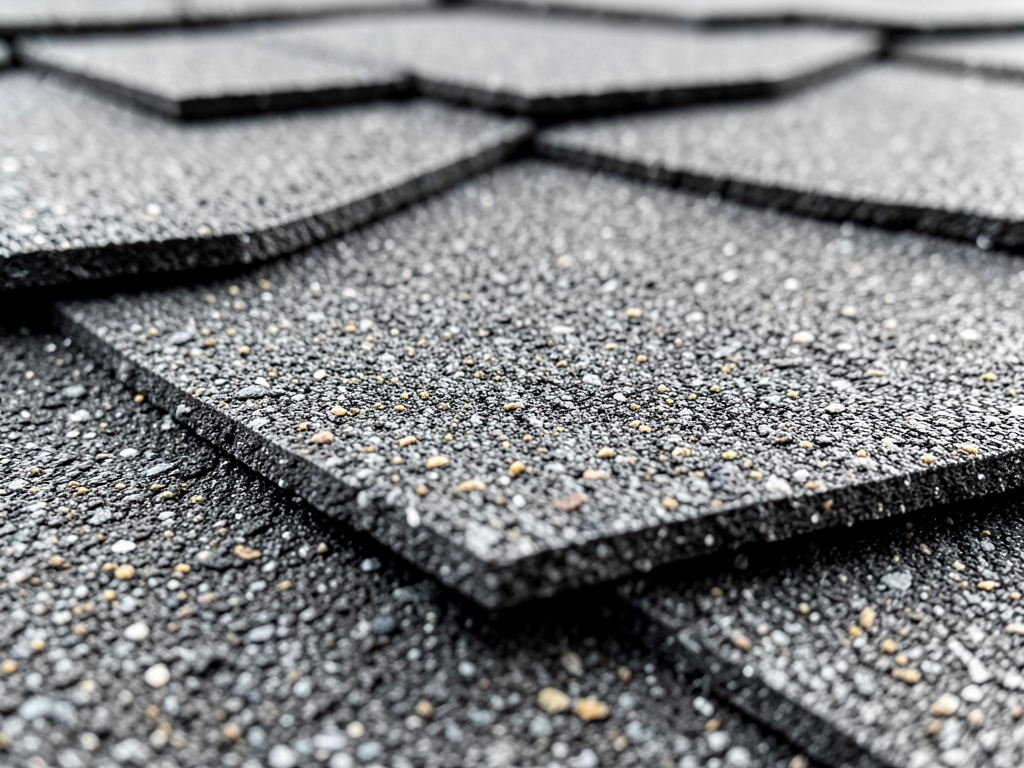
Architectural asphalt shingles offer a balance of cost and performance. Look for Class 4 impact resistant shingles rated for 130+ mph winds. The laminated construction provides better hail protection than 3-tab shingles, and the fiberglass mat resists Oklahoma’s UV exposure. Installation requires 6 nails per shingle in Harrah’s wind zone, and ice and water shield underlayment is mandatory under OUBCC standards for slopes under 4:12.
Corrugated metal panels work well for agricultural buildings and budget-conscious projects. The 2.67-foot coverage width means fewer seams, and the exposed fasteners make installation straightforward. Choose galvanized or Galvalume steel with a minimum G-90 coating for Oklahoma’s climate. The panels can handle 90+ mph winds when properly fastened, and the cost runs $1.50-2.50 per square foot for materials. UL 2218 impact resistance testing.
Polycarbonate panels provide natural light for greenhouses and studios while blocking UV radiation. The multi-wall construction offers insulation values up to R-2.5, reducing heat gain in summer. Oklahoma’s hail can crack thinner panels, so choose at least 8mm thickness with a Class 3 impact rating. The panels install with overlapping joints that shed water effectively, and the cost is $2.50-3.50 per square foot.
Matching Your Outbuilding Roof to Your Main Home
Visual harmony matters when your workshop sits near your residence. Match the roof pitch to your home’s architecture – a 6:12 pitch works well for most Oklahoma homes, while a 3:12 pitch suits modern designs. The color should complement your house; cool colors like gray and tan reflect heat, while darker colors absorb it.
For brick ranch homes common in Harrah, architectural shingles in charcoal or weathered wood create a cohesive look. The dimensional texture adds visual interest without the cost of metal. If your home has a complex roofline with multiple valleys, consider a simpler gable roof for your workshop to reduce installation complexity and cost.
Metal roofing offers versatility for matching different home styles. Standing seam panels in bronze or copper tones work with traditional homes, while corrugated panels suit more rustic or industrial aesthetics. The clean lines of metal can modernize the appearance of an older workshop building.
Oklahoma Climate Considerations: Hail and Wind Resistance
Harrah sits in Oklahoma’s hail alley, where storms can produce hailstones larger than baseballs. Class 4 impact resistant shingles undergo testing with steel balls dropped from 20 feet, simulating hail impact. These shingles cost 15-20% more than standard architectural shingles but can save thousands in repair costs over their lifespan.
Wind resistance becomes critical during tornado season. Oklahoma’s building codes require 6 nails per shingle for wind zones above 110 mph, and metal roofing must be installed with clips or screws spaced according to manufacturer specifications. The wind uplift rating depends on the panel profile and fastening method – standing seam systems typically achieve higher ratings than through-fastened panels.
Oklahoma’s temperature swings cause materials to expand and contract. Metal roofing can move up to 1/4 inch per 10 feet of length between winter lows and summer highs. Proper installation includes expansion joints and floating clips that allow movement without buckling. Shingles need adequate ventilation to prevent heat buildup that can cause premature aging.
Modern vs. Traditional Outbuilding Styles
Modern workshops often feature clean lines and minimal roof penetrations. A simple gable or shed roof with standing seam metal creates a contemporary look while providing excellent weather protection. The continuous panels eliminate leak points, and the concealed fasteners maintain the streamlined appearance. Solar-ready mounting systems can be integrated during installation for future energy upgrades.
Traditional outbuildings might use corrugated metal or architectural shingles to match historic properties. A gambrel roof provides extra headroom in the loft while maintaining the classic barn profile. The steeper lower slope offers better snow shedding, though Oklahoma rarely sees heavy snow loads. Cupolas or weather vanes add authentic detail while providing ventilation.
Transitional designs blend modern functionality with traditional aesthetics. A gable roof with architectural shingles can incorporate metal accents around dormers or cupolas. This approach allows you to match your main home while using cost-effective materials for the majority of the structure.
Cost Comparison: Which Outbuilding Roof Fits Your Budget?
| Material Type | Material Cost/Sq Ft | Installed Cost/Sq Ft | Lifespan (Years) | Best For |
|---|---|---|---|---|
| Standing Seam Metal | $3.00-4.50 | $8.00-12.00 | 40-50 | Premium durability |
| Architectural Shingles | $1.00-1.50 | $3.50-5.50 | 25-30 | Balanced cost/durability |
| Corrugated Metal | $1.00-1.75 | $2.50-4.00 | 20-25 | Budget agricultural |
| Polycarbonate | $2.50-3.50 | $5.00-7.00 | 15-20 | Greenhouses, studios |
Installation costs in Harrah typically run 50-70% of the total project cost. Complex rooflines with multiple valleys or dormers increase labor time. Site accessibility affects equipment costs – if your workshop sits far from the driveway, material handling adds time and expense.
Long-term costs matter as much as initial investment. A $2,000 premium for Class 4 impact resistant shingles can save $5,000+ in hail damage repairs over 20 years. Metal roofing’s higher upfront cost often pays for itself through energy savings and longevity, especially when cooling costs matter in Oklahoma’s summers.
Metal Roofing for Workshops and Sheds
Standing seam metal roofing dominates the premium outbuilding market for good reason. The raised seams prevent water infiltration, and the continuous panels eliminate hundreds of potential leak points compared to shingle roofs. Oklahoma’s severe weather demands the wind ratings that quality metal systems provide – many standing seam products achieve UL 2218 Class 4 impact ratings and ASTM E1592 wind uplift ratings above 120 mph. High Quality Residential Roofing Services in The Village.
Installation requires specific techniques for Oklahoma’s climate. The panels need proper expansion spacing to accommodate temperature swings from 20°F winter nights to 100°F summer days. Fasteners must be corrosion-resistant stainless steel or coated to match the panel finish. Underlayment choices matter – synthetic underlayments breathe better than felt in Oklahoma’s humidity, preventing condensation that can rust metal from below.
Maintenance remains minimal with quality metal roofing. The panels don’t crack, curl, or lose granules like shingles. Oklahoma’s red clay dust can accumulate in valleys and reduce drainage, so annual cleaning prevents water backup. The smooth surface sheds hail better than textured materials, and dents rarely affect performance unless they crack the coating.
Asphalt Shingles for Detached Garages
Architectural shingles provide the best value for most Harrah outbuildings. The laminated construction offers better impact resistance than 3-tab shingles, and the variety of colors allows matching to your main home. Oklahoma’s building codes require 6 nails per shingle in wind zones above 110 mph, and proper installation includes starter strips and ridge caps that prevent wind uplift at the edges.
Ventilation becomes critical in Oklahoma’s climate. Without adequate intake and exhaust vents, heat builds up under the shingles, accelerating aging and increasing cooling costs. The Oklahoma Uniform Building Code Commission requires 1 square foot of net free ventilation area per 150 square feet of attic space. Ridge vents combined with soffit vents create continuous airflow that keeps the roof deck cooler.
Hail damage shows up as bruising or cracking in asphalt shingles. Class 4 impact resistant shingles use polymer-modified asphalt and reinforced mats that resist damage. The cost premium of 15-20% often pays for itself in hail-prone areas like Harrah, where a single storm can require complete roof replacement of standard shingles. What You Can Expect to Pay for a Roof Replacement in Edmond.
Translucent Options for Greenhouses and Studios
Polycarbonate panels revolutionize outbuilding roofing for spaces requiring natural light. The multi-wall construction provides insulation while transmitting 80-90% of available light. Oklahoma’s intense summer sun requires UV protection – quality panels include co-extruded UV inhibitors that prevent yellowing and maintain light transmission for 15-20 years.
Installation differs from traditional roofing. The panels require H-channels and U-profiles for proper sealing, and the expansion allowance must be greater than metal or shingle systems – up to 1/8 inch per 10 feet. The lightweight nature allows installation on structures that couldn’t support heavy roofing materials, but the panels need proper support to prevent sagging between rafters.
Condensation management becomes important with polycarbonate roofing. Oklahoma’s humidity can cause interior condensation that drips onto plants or equipment. Installing panels with an anti-condensate coating or providing slight slope for drainage prevents moisture problems. The panels also reduce heat gain compared to solid roofing, keeping interior spaces more comfortable during Oklahoma’s hot summers.
Ventilation Requirements for Oklahoma Humidity
Oklahoma’s humidity creates unique challenges for outbuilding ventilation. Without proper airflow, moisture accumulates under roofing materials, leading to rot, rust, and mold growth. The Oklahoma climate demands 1:150 ventilation ratio for most applications, with intake vents at the eaves and exhaust vents at or near the ridge.
Mechanical ventilation helps in workshops where fumes or moisture are common. Powered roof vents with thermostats automatically activate when temperatures exceed 95°F, removing hot air that would otherwise radiate down into the space. The energy cost is minimal compared to the cooling effect and moisture control benefits.
Wind-driven turbines provide passive ventilation that works even during power outages. The spinning action creates negative pressure that pulls air from the building interior. In Oklahoma’s frequent wind conditions, these vents can move significant air volume without operating costs. The bearings require occasional lubrication, but the units last 15-20 years with minimal maintenance.
Reflective Roofing Materials for OKC Summers
Oklahoma’s summer heat drives cooling costs through the roof – literally. Cool roofing materials reflect infrared radiation that would otherwise heat the building interior. White or light-colored metal roofing reflects 70-80% of solar radiation, while standard dark colors reflect only 5-10%. The temperature difference at the roof surface can exceed 50°F between light and dark colors.
Reflective coatings provide an affordable upgrade for existing roofs. Elastomeric roof coatings with ceramic microspheres reflect heat while providing waterproofing. Application requires clean, dry surfaces and proper primer for adhesion. The coatings typically last 5-7 years before needing reapplication, but they can reduce cooling costs by 15-20% in Oklahoma’s climate.
Green roofs offer the ultimate in heat reduction but require structural support for the additional weight. A 4-inch growing medium weighs 20-25 pounds per square foot when saturated – beyond what many outbuildings can support. For structures that can handle the load, the plants provide insulation, reduce stormwater runoff, and create habitat while keeping the building cooler.
DIY vs. Professional Installation in Oklahoma
DIY roofing saves labor costs but introduces risks in Oklahoma’s challenging climate. Working on a hot Oklahoma roof in July poses heat stroke dangers, and the physical demands of lifting materials and working on ladders cause injuries. Professional installers have safety equipment, experience with local codes, and insurance that protects you from liability. Why Local Nichols Hills Residents Choose Our Luxury Roofing Team.
Material handling presents another challenge. Metal panels 16 feet long require multiple people to maneuver safely. Shingle bundles weigh 70-80 pounds each, and a typical workshop needs 50-100 bundles. Without proper equipment, DIY installation becomes a multi-weekend project instead of a few days.
Code compliance matters for insurance and resale value. Oklahoma requires specific fastening patterns, underlayment types, and ventilation ratios that vary by roof slope and climate zone. Professional installers know these requirements and obtain necessary permits. DIY work that doesn’t meet code can void warranties and cause insurance claim denials.
Frequently Asked Questions
What’s the best roofing material for Oklahoma hail?
Class 4 impact resistant shingles or standing seam metal roofing provide the best hail protection. Class 4 shingles pass UL 2218 testing with steel balls dropped from 20 feet, while metal roofing’s smooth surface allows hail to bounce off without damage. Both materials cost more upfront but save thousands in repair costs over their lifespan.
How long should an outbuilding roof last in Oklahoma?
Quality roofing materials typically last 20-50 years in Oklahoma’s climate, depending on material and maintenance. Metal roofing often reaches 40-50 years, architectural shingles last 25-30 years, and budget materials like 3-tab shingles may only last 15-20 years. Proper ventilation and maintenance significantly extend roof life.
Do I need a permit for a workshop roof in Harrah?
Most roofing projects in Harrah require permits from the Oklahoma Uniform Building Code Commission. The permit process ensures proper fastening patterns for wind resistance, adequate ventilation, and compliance with energy codes. Professional roofing contractors typically handle permitting as part of their service.
Can I install a new roof over my existing outbuilding roof?
Roof-over installations are possible but often problematic in Oklahoma. The additional weight stresses the structure, and the lack of inspection of the existing roof deck means underlying problems continue. Oklahoma codes typically require removal of existing roofing if multiple layers exist or if the structure can’t support the additional weight.
How much does it cost to replace a workshop roof in Harrah?
Replacement costs range from $3.50-12.00 per square foot installed, depending on material choice and roof complexity. A typical 1,000 square foot workshop roof costs $3,500-12,000. Metal roofing and premium shingles cost more upfront but last longer, while budget materials cost less initially but require more frequent replacement.
What’s the best way to cool a metal workshop roof in summer?
Light-colored or reflective coatings reduce heat absorption by 70-80%. Proper ventilation with ridge vents and soffit intake creates airflow that removes hot air. Insulation under the roof deck prevents heat transfer to interior spaces. For extreme cases, a radiant barrier under the metal can reflect additional heat.
How do I know if my outbuilding roof needs replacement?
Signs include curling or missing shingles, rust-through on metal panels, water stains on interior surfaces, and granules from shingles accumulating in gutters. If the roof is over 20 years old or shows multiple failure signs, replacement is likely needed. Professional inspection can identify problems before they cause interior damage.
Can I match my workshop roof to my house roof?
Yes, matching materials, colors, and roof pitch creates visual harmony. Use the same shingle color or metal finish as your main home. Match the roof pitch within 2-3 degrees for similar appearance. The workshop can have a simpler roofline while maintaining the same materials for cohesive appearance.
Ready to Protect Your Harrah Workshop?
Your outbuilding deserves roofing that can handle Oklahoma’s extreme weather. Whether you need a durable metal roof for your woodworking shop or impact-resistant shingles for your storage shed, we’ve got you covered. Our team understands Harrah’s specific climate challenges and building code requirements.
Don’t wait until the next hailstorm damages your investment. Call (405) 507-3933 today to schedule your free inspection and estimate. We’ll help you choose the perfect roofing material for your workshop’s needs and your budget. Pick up the phone and call (405) 507-3933 before the next Oklahoma storm hits.
Protect your tools, equipment, and projects with a roof built to last. Call (405) 507-3933 now and let’s get started on your workshop roofing project.
{
“@context”: “https://schema.org”,
“@type”: “BlogPosting”,
“headline”: “Choosing the Most Durable Roofing Materials for Detached Workshops and Sheds in Harrah”,
“description”: “Find weather-resistant roofing for your Harrah workshop. Compare metal, shingles, and polycarbonate options that withstand Oklahoma hail, wind, and heat.”,
“wordCount”: 2709,
“datePublished”: “2026-03-21T09:45:00.000Z”,
“dateModified”: “2026-03-21T09:45:00.000Z”,
“inLanguage”: “en-US”,
“mainEntityOfPage”: {
“@type”: “WebPage”,
“@id”: “https://unitedroofingoklahomacity.com”
},
“publisher”: {
“@type”: “LocalBusiness”,
“name”: “United Roofing Oklahoma City”,
“url”: “https://unitedroofingoklahomacity.com”
},
“author”: {
“@type”: “Organization”,
“name”: “United Roofing Oklahoma City”,
“url”: “https://unitedroofingoklahomacity.com”
},
“image”: {
“@type”: “ImageObject”,
“url”: “https://unitedroofingoklahomacity.com/wp-content/uploads/2026/03/choosing-the-most-durable-roofing-materials-for-de-1.png”
}
}
{
“@context”: “https://schema.org”,
“@type”: “RoofingContractor”,
“name”: “United Roofing Oklahoma City”,
“url”: “https://unitedroofingoklahomacity.com”,
“address”: {
“@type”: “PostalAddress”,
“addressLocality”: “Oklahoma City”
},
“areaServed”: {
“@type”: “City”,
“name”: “Oklahoma City”
}
}
{
“@context”: “https://schema.org”,
“@type”: “FAQPage”,
“mainEntity”: [
{
“@type”: “Question”,
“name”: “What’s the best roofing material for Oklahoma hail?”,
“acceptedAnswer”: {
“@type”: “Answer”,
“text”: “Class 4 impact resistant shingles or standing seam metal roofing provide the best hail protection. Class 4 shingles pass UL 2218 testing with steel balls dropped from 20 feet, while metal roofing’s smooth surface allows hail to bounce off without damage. Both materials cost more upfront but save thousands in repair costs over their lifespan.”
}
},
{
“@type”: “Question”,
“name”: “How long should an outbuilding roof last in Oklahoma?”,
“acceptedAnswer”: {
“@type”: “Answer”,
“text”: “Quality roofing materials typically last 20-50 years in Oklahoma’s climate, depending on material and maintenance. Metal roofing often reaches 40-50 years, architectural shingles last 25-30 years, and budget materials like 3-tab shingles may only last 15-20 years. Proper ventilation and maintenance significantly extend roof life.”
}
},
{
“@type”: “Question”,
“name”: “Do I need a permit for a workshop roof in Harrah?”,
“acceptedAnswer”: {
“@type”: “Answer”,
“text”: “Most roofing projects in Harrah require permits from the Oklahoma Uniform Building Code Commission. The permit process ensures proper fastening patterns for wind resistance, adequate ventilation, and compliance with energy codes. Professional roofing contractors typically handle permitting as part of their service.”
}
},
{
“@type”: “Question”,
“name”: “Can I install a new roof over my existing outbuilding roof?”,
“acceptedAnswer”: {
“@type”: “Answer”,
“text”: “Roof-over installations are possible but often problematic in Oklahoma. The additional weight stresses the structure, and the lack of inspection of the existing roof deck means underlying problems continue. Oklahoma codes typically require removal of existing roofing if multiple layers exist or if the structure can’t support the additional weight.”
}
},
{
“@type”: “Question”,
“name”: “How much does it cost to replace a workshop roof in Harrah?”,
“acceptedAnswer”: {
“@type”: “Answer”,
“text”: “Replacement costs range from $3.50-12.00 per square foot installed, depending on material choice and roof complexity. A typical 1,000 square foot workshop roof costs $3,500-12,000. Metal roofing and premium shingles cost more upfront but last longer, while budget materials cost less initially but require more frequent replacement.”
}
},
{
“@type”: “Question”,
“name”: “What’s the best way to cool a metal workshop roof in summer?”,
“acceptedAnswer”: {
“@type”: “Answer”,
“text”: “Light-colored or reflective coatings reduce heat absorption by 70-80%. Proper ventilation with ridge vents and soffit intake creates airflow that removes hot air. Insulation under the roof deck prevents heat transfer to interior spaces. For extreme cases, a radiant barrier under the metal can reflect additional heat.”
}
},
{
“@type”: “Question”,
“name”: “How do I know if my outbuilding roof needs replacement?”,
“acceptedAnswer”: {
“@type”: “Answer”,
“text”: “Signs include curling or missing shingles, rust-through on metal panels, water stains on interior surfaces, and granules from shingles accumulating in gutters. If the roof is over 20 years old or shows multiple failure signs, replacement is likely needed. Professional inspection can identify problems before they cause interior damage.”
}
},
{
“@type”: “Question”,
“name”: “Can I match my workshop roof to my house roof?”,
“acceptedAnswer”: {
“@type”: “Answer”,
“text”: “Yes, matching materials, colors, and roof pitch creates visual harmony. Use the same shingle color or metal finish as your main home. Match the roof pitch within 2-3 degrees for similar appearance. The workshop can have a simpler roofline while maintaining the same materials for cohesive appearance.”
}
},
{
“@type”: “Question”,
“name”: “Ready to Protect Your Harrah Workshop?”,
“acceptedAnswer”: {
“@type”: “Answer”,
“text”: “Your outbuilding deserves roofing that can handle Oklahoma’s extreme weather. Whether you need a durable metal roof for your woodworking shop or impact-resistant shingles for your storage shed, we’ve got you covered. Our team understands Harrah’s specific climate challenges and building code requirements.”
}
}
]
}
{
“@context”: “https://schema.org”,
“@type”: “BreadcrumbList”,
“itemListElement”: [
{
“@type”: “ListItem”,
“position”: 1,
“name”: “Home”,
“item”: “https://unitedroofingoklahomacity.com”
},
{
“@type”: “ListItem”,
“position”: 2,
“name”: “Blog”,
“item”: “https://unitedroofingoklahomacity.com/blog”
},
{
“@type”: “ListItem”,
“position”: 3,
“name”: “Choosing the Most Durable Roofing Materials for Detached Workshops and Sheds in Harrah”
}
]
}
{
“@context”: “https://schema.org”,
“@type”: “Service”,
“serviceType”: “Roofing”,
“provider”: {
“@type”: “LocalBusiness”,
“name”: “United Roofing Oklahoma City”,
“url”: “https://unitedroofingoklahomacity.com”
},
“areaServed”: {
“@type”: “City”,
“name”: “Oklahoma City”
},
“description”: “Find weather-resistant roofing for your Harrah workshop. Compare metal, shingles, and polycarbonate options that withstand Oklahoma hail, wind, and heat.”
}