
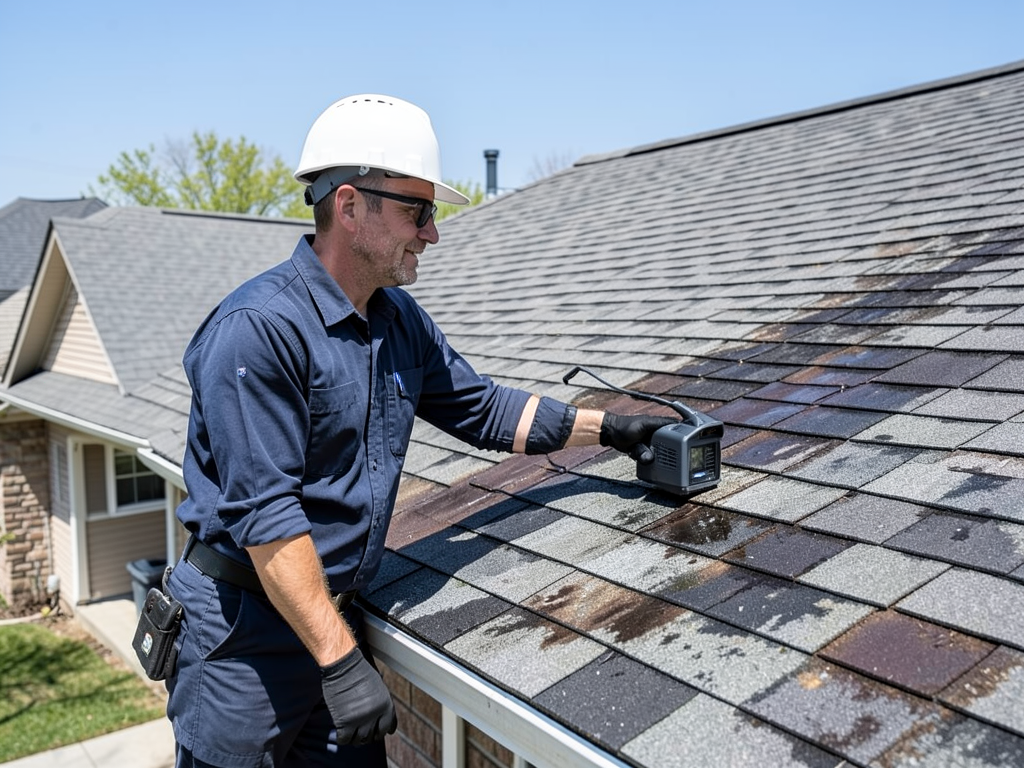
Why a Spring Roof Tune-Up is Non-Negotiable Before Oklahoma Tornado Season Hits
Oklahoma City homeowners face a brutal reality every spring: tornado season brings winds exceeding 100 mph and hail the size of baseballs. A spring roof tune-up isn’t just maintenance—it’s your first line of defense against catastrophic damage. Before those sirens sound, your roof needs to be battle-ready.
The window between winter’s last freeze and tornado season’s first strike is narrow. During those few weeks, temperature swings cause asphalt shingles to expand and contract thousands of times. This creates hairline cracks that water exploits. Missing this critical inspection period means walking into storm season with vulnerabilities you can’t see from the ground.
What a Professional Spring Roof Tune-Up Actually Includes
A proper tune-up goes far beyond visual inspection. Licensed Oklahoma contractors use thermal imaging to detect moisture trapped under shingles—a common issue after ice storms. They check every nail head for rust, test flashing seals around chimneys, and measure attic ventilation. Poor ventilation in Oklahoma’s humidity breeds mold and shortens shingle life by 30-40%.
The process takes 2-3 hours for an average home. Technicians document findings with photos, create a priority list of repairs, and provide cost estimates before any work begins. This transparency matters because 40% of emergency calls after storms trace back to pre-existing minor issues that escalated. Finding a Reliable Roofing Company Near You in Moore Oklahoma.
Spring’s Hidden Dangers: What Winter Left Behind
Oklahoma’s freeze-thaw cycles create specific roof damage patterns. Water seeps into tiny shingle cracks during warm spells, then expands when temperatures drop. By spring, this cycle has compromised your roof’s waterproof barrier. You won’t see these fractures from the ground, but they’ll leak the moment heavy rain hits.
Ice dams form when attic heat melts snow at the roof peak. Water runs down and refreezes at the colder eaves, creating a barrier that forces water under shingles. Oklahoma’s wild temperature swings make this particularly destructive. A tune-up identifies ice dam damage before it causes interior ceiling stains.
Oklahoma’s Hail Season: When to Expect the Worst
Hail season in central Oklahoma runs March through June, peaking in April and May. The National Weather Service reports Oklahoma City averages 7-10 significant hail events yearly. Hailstones larger than 1.5 inches can puncture standard asphalt shingles. Class 4 impact-resistant shingles cost 20-30% more but survive 90% of hail strikes. National Weather Service hail safety guidelines.
Spring inspections check for hail damage that’s invisible to untrained eyes. Technicians look for bruising—soft spots where hail compressed shingle granules without creating visible holes. These weak points fail during the next storm. Early detection means targeted repairs instead of full replacement. What You Can Expect to Pay for a Roof Replacement in Edmond.
Wind Uplift: Oklahoma’s Silent Roof Killer
Oklahoma regularly experiences straight-line winds exceeding 70 mph. These create uplift pressure that can rip shingles off if they’re not properly secured. The Oklahoma Uniform Building Code requires six nails per shingle in high-wind zones—not the standard four. Many homes built before 2010 don’t meet this standard.
Technicians use a simple uplift test during inspections: they lift shingle corners to check adhesion. Loose shingles get re-secured with roofing cement or replaced entirely. This prevents the domino effect where one missing shingle leads to dozens more failing during the next wind event. Roofing Tulsa.
Gutter Systems: Your Roof’s Drainage Lifeline
Oklahoma’s spring thunderstorms dump 2-3 inches of rain in an hour. Your gutter system must handle this volume or water backs up under shingles. Spring tune-ups include checking for sagging sections, cleaning debris from valleys, and ensuring downspouts direct water at least 5 feet from your foundation.
Many Oklahoma homes have 5-inch gutters that can’t handle the volume during severe storms. Upgrading to 6-inch commercial-grade gutters costs $15-20 per linear foot but prevents thousands in water damage. Technicians also check for proper slope—gutters should decline 1/4 inch per 10 feet toward downspouts.
Attic Ventilation: The Overlooked Performance Factor
Oklahoma summers push attic temperatures above 150°F. Without proper ventilation, this heat bakes shingles from below, accelerating deterioration. The International Building Code requires 1 square foot of net free ventilation area per 150 square feet of attic space. Many homes fall short of this standard. International Building Code ventilation requirements.
Spring inspections measure attic temperature and humidity. High humidity indicates poor ventilation, which leads to mold growth and wood rot. Adding ridge vents or powered attic fans improves airflow and can extend shingle life by 5-7 years. The investment typically pays for itself through energy savings and prevented damage.
Flashing and Seals: Small Details, Big Impact
Roof penetrations—chimneys, vents, skylights—account for 90% of roof leaks. Flashing around these features deteriorates faster than shingles due to constant expansion and contraction. Spring inspections check all flashing for rust, separation, or missing sealant. Even small gaps let water in during Oklahoma’s driving rains.
Technicians replace damaged flashing with code-compliant materials. For chimneys, they install counter-flashing that extends into mortar joints. Around vents, they apply polyurethane sealant that remains flexible through temperature extremes. These details prevent the water intrusion that leads to mold, rot, and expensive interior repairs.
Roof Age and Material Considerations
Asphalt shingles last 15-20 years in Oklahoma’s harsh climate—about 5 years less than national averages. Spring inspections assess your roof’s age and condition. If shingles are curling, cracking, or losing granules, replacement might be more cost-effective than repairs. Waiting until after storm damage often means emergency pricing and limited material availability.
Metal roofing offers superior hail resistance and lasts 40-70 years. While the upfront cost is 2-3 times asphalt, metal roofs often pay for themselves through insurance discounts and eliminated replacement costs. Spring inspections can identify whether your roof structure supports the weight of metal roofing. Roofing Norman.
DIY vs. Professional Inspection: Why Experience Matters
Homeowners can spot obvious damage like missing shingles or visible sagging. But professional inspectors detect subtle issues: nail pops, slight buckling, or moisture patterns that indicate ventilation problems. They also understand Oklahoma’s specific building codes and manufacturer warranties, ensuring repairs don’t void coverage.
Roof work carries serious injury risks. Falls from ladders cause thousands of emergency room visits yearly. Professionals use safety harnesses, have proper insurance, and know how to navigate steep pitches safely. The cost of a professional inspection pales compared to medical bills or worse—a fall.
Insurance Implications of Regular Maintenance
Insurance companies favor well-maintained properties. Some Oklahoma carriers offer premium discounts for documented annual inspections. More importantly, regular maintenance creates a paper trail showing you’ve cared for your property. This documentation proves invaluable when filing claims after storm damage.
Neglected roofs often face claim denials. Insurers argue that pre-existing damage contributed to losses. Spring inspections provide dated photos and reports that establish your roof’s condition before storm season. This documentation can mean the difference between a paid claim and an out-of-pocket repair bill.
Spring Maintenance Timeline: When to Act
Ideal timing for spring roof inspections is late March through early April. This window follows winter’s harshest weather but precedes tornado season’s peak. Waiting until May means technicians are booked solid with emergency calls, and prices often increase due to high demand.
Schedule inspections on sunny days following dry weather. Wet conditions make certain diagnostic tests unreliable and increase slip hazards. Early morning appointments allow technicians to check for dew-related moisture before it evaporates, revealing hidden leak patterns.
Cost Factors for Spring Roof Tune-Ups
Basic inspections cost $150-300 for average homes. Prices increase for complex rooflines, multiple stories, or steep pitches. Repairs range from $200 for minor flashing work to $2,000+ for sections requiring shingle replacement. Most companies credit inspection fees toward repair costs if you proceed within 30 days.
Emergency repairs during storm season cost 30-50% more due to demand. Materials also become scarce—roofing crews work 12-16 hour days during active storm periods. Spring maintenance avoids these premium costs while ensuring your roof is ready when severe weather hits.
Warning Signs You Can’t Ignore
Certain indicators demand immediate attention regardless of season. Ceiling stains, mold growth, or visible daylight through roof boards signal active leaks. Granules accumulating in gutters indicate shingle deterioration. If you notice any of these issues, don’t wait for spring—call for emergency inspection.
Post-storm inspections are crucial even if you see no obvious damage. Hail can bruise shingles without removing granules, creating weak points that fail later. High winds can loosen nails without immediately causing leaks. Professional inspections after severe weather events prevent minor damage from escalating.
Preparing for Your Spring Inspection
Before technicians arrive, clear attic access and move items away from exterior walls. This allows thorough interior inspection for water stains or structural issues. Trim tree branches that overhang your roof—they drop debris and provide pathways for pests. Document any previous repairs or leaks to share with the inspector.
Ask about the inspection process and what’s included. Reputable companies provide written reports with photos, not just verbal summaries. They should explain findings in plain language and offer multiple repair options with clear cost breakdowns. Avoid contractors who pressure immediate decisions or demand large upfront payments.
The Bottom Line: Prevention Beats Emergency Repairs
Oklahoma’s weather shows no mercy to unprepared roofs. A $250 spring inspection can prevent $5,000+ in storm damage. More importantly, it protects your family from the stress and disruption of emergency repairs during tornado season. When those sirens sound, you’ll have peace of mind knowing your roof is ready.
Don’t wait for the first storm warning. Spring is slipping away, and tornado season waits for no one. Pick up the phone and call (405) 507-3933 today to schedule your professional roof inspection. Your home deserves the protection only a thorough spring tune-up provides.
Frequently Asked Questions
How long does a spring roof inspection take?
Most residential inspections take 1-2 hours, depending on roof size and complexity. Technicians document findings with photos and provide written reports within 24 hours. High Quality Residential Roofing Services in The Village.
What’s the average cost of spring roof maintenance in Oklahoma City?
Basic inspections cost $150-300. Repairs range from $200 for minor fixes to $2,000+ for larger issues. Many companies credit inspection fees toward repair costs.
Can I do my own roof inspection to save money?
Homeowners can spot obvious damage, but professionals detect subtle issues like moisture patterns, improper ventilation, and code violations. Roof work also carries serious injury risks that professionals are trained to avoid.
{
“@context”: “https://schema.org”,
“@type”: “BlogPosting”,
“headline”: “Why a Spring Roof Tune-Up is Non-Negotiable Before Oklahoma Tornado Season Hits”,
“description”: “Don’t wait for storm damage. Learn why Oklahoma City homeowners need a spring roof tune-up before tornado season hits. Call (405) 507-3933 for expert service.”,
“wordCount”: 1729,
“datePublished”: “2026-05-03T06:20:00.000Z”,
“dateModified”: “2026-05-03T06:20:00.000Z”,
“inLanguage”: “en-US”,
“mainEntityOfPage”: {
“@type”: “WebPage”,
“@id”: “https://unitedroofingoklahomacity.com”
},
“publisher”: {
“@type”: “LocalBusiness”,
“name”: “United Roofing Oklahoma City”,
“url”: “https://unitedroofingoklahomacity.com”
},
“author”: {
“@type”: “Organization”,
“name”: “United Roofing Oklahoma City”,
“url”: “https://unitedroofingoklahomacity.com”
},
“image”: {
“@type”: “ImageObject”,
“url”: “https://unitedroofingoklahomacity.com/wp-content/uploads/2026/03/why-a-spring-roof-tune-up-is-non-negotiable-before-1.png”
}
}
{
“@context”: “https://schema.org”,
“@type”: “RoofingContractor”,
“name”: “United Roofing Oklahoma City”,
“url”: “https://unitedroofingoklahomacity.com”,
“address”: {
“@type”: “PostalAddress”,
“addressLocality”: “Oklahoma City”
},
“areaServed”: {
“@type”: “City”,
“name”: “Oklahoma City”
}
}
{
“@context”: “https://schema.org”,
“@type”: “FAQPage”,
“mainEntity”: [
{
“@type”: “Question”,
“name”: “How long does a spring roof inspection take?”,
“acceptedAnswer”: {
“@type”: “Answer”,
“text”: “Most residential inspections take 1-2 hours, depending on roof size and complexity. Technicians document findings with photos and provide written reports within 24 hours. High Quality Residential Roofing Services in The Village.”
}
},
{
“@type”: “Question”,
“name”: “What’s the average cost of spring roof maintenance in Oklahoma City?”,
“acceptedAnswer”: {
“@type”: “Answer”,
“text”: “Basic inspections cost $150-300. Repairs range from $200 for minor fixes to $2,000+ for larger issues. Many companies credit inspection fees toward repair costs.”
}
},
{
“@type”: “Question”,
“name”: “Can I do my own roof inspection to save money?”,
“acceptedAnswer”: {
“@type”: “Answer”,
“text”: “Homeowners can spot obvious damage, but professionals detect subtle issues like moisture patterns, improper ventilation, and code violations. Roof work also carries serious injury risks that professionals are trained to avoid.”
}
}
]
}
{
“@context”: “https://schema.org”,
“@type”: “BreadcrumbList”,
“itemListElement”: [
{
“@type”: “ListItem”,
“position”: 1,
“name”: “Home”,
“item”: “https://unitedroofingoklahomacity.com”
},
{
“@type”: “ListItem”,
“position”: 2,
“name”: “Blog”,
“item”: “https://unitedroofingoklahomacity.com/blog”
},
{
“@type”: “ListItem”,
“position”: 3,
“name”: “Why a Spring Roof Tune-Up is Non-Negotiable Before Oklahoma Tornado Season Hits”
}
]
}
{
“@context”: “https://schema.org”,
“@type”: “Service”,
“serviceType”: “Roofing”,
“provider”: {
“@type”: “LocalBusiness”,
“name”: “United Roofing Oklahoma City”,
“url”: “https://unitedroofingoklahomacity.com”
},
“areaServed”: {
“@type”: “City”,
“name”: “Oklahoma City”
},
“description”: “Don’t wait for storm damage. Learn why Oklahoma City homeowners need a spring roof tune-up before tornado season hits. Call (405) 507-3933 for expert service.”
}