
Preserving the Integrity of Historic Commercial Roofs Along Capitol Hill’s Main Street
Historic commercial buildings along Capitol Hill’s Main Street face unique preservation challenges. The 1920s-era brick structures with original clay tile and slate roofing require specialized expertise that goes beyond standard commercial roofing. These architectural treasures demand a preservation-first approach that maintains historical authenticity while ensuring modern performance standards. Roofing Tulsa.
Capitol Hill’s commercial district contains some of Oklahoma City’s most significant early 20th-century architecture. The area’s clay tile roofs from manufacturers like Ludowici Tile and Vermont slate installations represent craftsmanship that cannot be replicated with modern materials. When these systems fail, property owners need contractors who understand both the technical requirements and the historical significance of their buildings. Oklahoma State Historic Preservation Office.
The preservation process begins with a comprehensive assessment of existing conditions. Our team evaluates original materials, identifies areas of water infiltration, and documents historical features before any work begins. This documentation becomes critical when working with the Oklahoma City Historic Preservation Commission and the State Historic Preservation Office to ensure all restoration work meets preservation standards.
Oklahoma’s climate presents specific challenges for historic materials. The region’s extreme temperature fluctuations cause slate and clay tile to expand and contract more dramatically than modern materials. High-velocity winds common to Tornado Alley can lift improperly secured tiles, while hail damage to soft slate requires careful matching of replacement materials to maintain visual continuity. What You Can Expect to Pay for a Roof Replacement in Edmond.
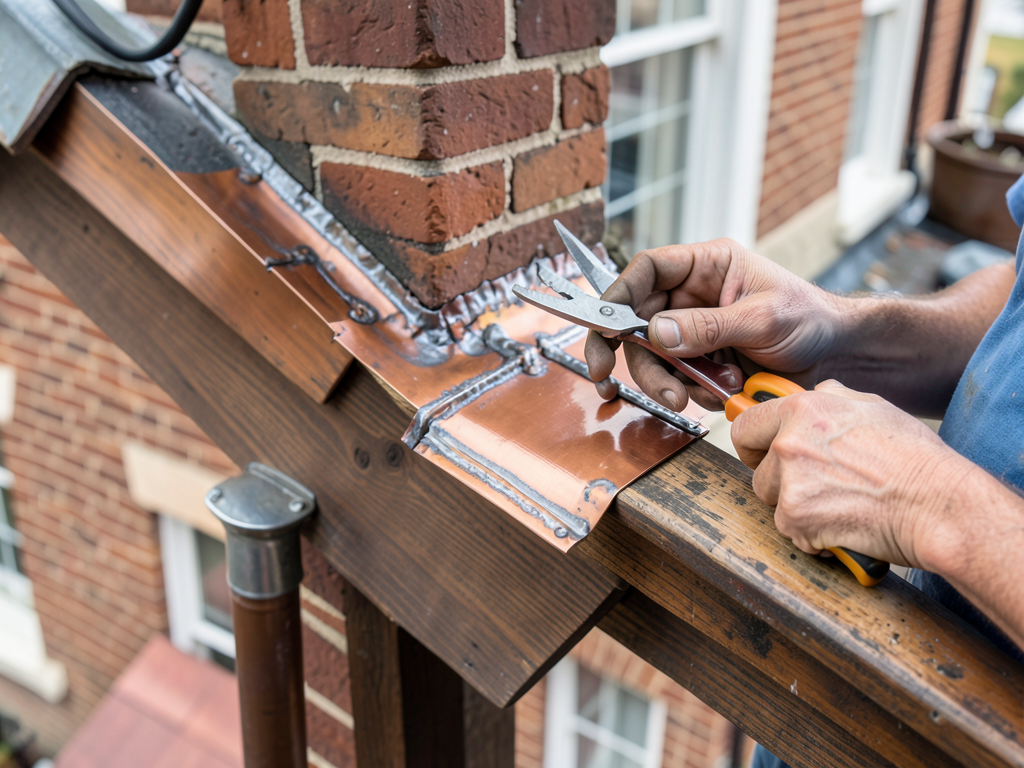
Working with historic materials requires specialized tools and techniques. Our craftsmen use traditional copper flashing methods that match original installations, custom-fabricated lead-coated copper for valleys and dormers, and hand-split cedar shakes when restoring wood elements. Each material requires specific installation methods that differ significantly from modern practices.. Read more about Restoring Rafter Tails and Eaves in Historic Mesta Park Properties Without Ruining the Look.
The regulatory framework for historic preservation in Oklahoma City involves multiple agencies. The Oklahoma City Historic Preservation Commission reviews all exterior modifications to buildings in designated historic districts. The State Historic Preservation Office provides guidelines for material selection and installation methods. Federal tax credits through the National Park Service become available for certified rehabilitation projects that meet specific criteria.
Material sourcing presents one of the biggest challenges in historic restoration. Original manufacturers may no longer exist, requiring us to source reclaimed materials from architectural salvage yards or work with specialty suppliers who maintain inventory of historic roofing products. When exact matches cannot be found, we work with manufacturers to create custom reproductions that match the original in color, texture, and profile. Roofing Norman.
Common issues we encounter on Capitol Hill’s Main Street include deteriorated underlayment beneath clay tiles, failed mortar joints on parapet walls, and compromised flashing around chimneys and skylights. These problems often require invasive inspection techniques to properly diagnose, including moisture meters and thermal imaging to detect water infiltration patterns.
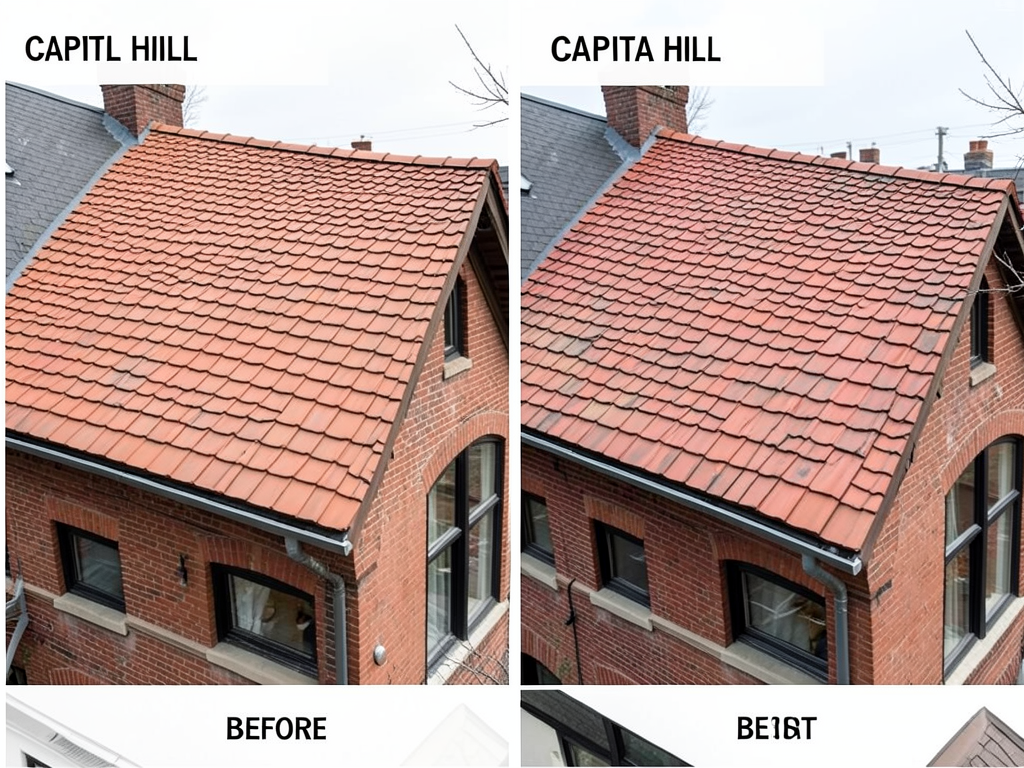
The restoration process typically follows a systematic approach. First, we stabilize any active leaks using temporary measures that preserve the existing roof. Next, we remove damaged materials carefully to salvage reusable components. Then we install new underlayment and flashings before replacing the historic roofing materials in the original pattern and configuration. Roofing Midwest City.
Insurance considerations for historic buildings differ from standard commercial properties. Many policies require documentation of historical significance and may have specific requirements for restoration work. Our team works directly with insurance adjusters to ensure all repairs meet both coverage requirements and preservation standards.
Maintenance planning becomes crucial for historic roofs. Unlike modern systems that might last 20-30 years, properly maintained historic materials can last 75-100 years or more. We develop maintenance schedules that include annual inspections, gutter cleaning, and prompt repairs of minor issues before they become major problems.
Capitol Hill’s Main Street benefits from several preservation incentives. The federal Historic Preservation Tax Credit offers a 20% credit for certified rehabilitation of income-producing historic buildings. The Oklahoma State Historic Preservation Office provides matching grants for certain preservation projects. These financial incentives can offset the higher costs associated with specialized restoration work.
Local building codes in Oklahoma City have specific provisions for historic structures. The Oklahoma Uniform Building Code Commission allows for certain modifications to standard requirements when working with historic materials. For example, the ice and water shield requirements may be adjusted to accommodate the weight and installation requirements of slate or tile roofing. Why Local Nichols Hills Residents Choose Our Luxury Roofing Team.
The craftsmanship involved in historic restoration cannot be rushed. Each tile must be individually set and secured, copper flashing requires precise soldering techniques, and mortar joints must match the original in composition and tooling. This attention to detail ensures the restored roof will maintain its historical appearance for generations.
Community impact matters when working on historic commercial buildings. These structures contribute to Capitol Hill’s architectural character and economic vitality. Our restoration work aims to enhance both the building’s functionality and its contribution to the neighborhood’s historic fabric.
Environmental considerations play a role in preservation decisions. Many historic materials like slate and clay tile are naturally sustainable, having already demonstrated their longevity. The embodied energy in these materials often exceeds that of new production, making preservation an environmentally responsible choice.
Documentation becomes part of the preservation process. We create detailed records of existing conditions, materials removed, and new installations. This documentation helps future owners understand the building’s history and assists in planning future maintenance or restoration work.
The value of historic preservation extends beyond individual buildings. Restored commercial structures along Capitol Hill’s Main Street contribute to the area’s economic revitalization, attract visitors interested in historic architecture, and maintain the cultural heritage of Oklahoma City’s early development.
Our team’s experience with Capitol Hill’s historic buildings includes work on structures from the 1920s through the 1950s. Each era presents different challenges and opportunities. Art Deco buildings require different approaches than mid-century modern structures, and our team understands these nuances.
Emergency response for historic buildings requires special consideration. When leaks occur, we prioritize temporary stabilization that preserves existing materials while planning permanent repairs. This approach prevents further damage while maintaining the building’s historical integrity.
The future of Capitol Hill’s historic commercial district depends on successful preservation of its architectural heritage. By maintaining these buildings through proper roofing restoration, we ensure that future generations can experience the area’s historical character and economic vitality.
Call (405) 507-3933 today to schedule your historic commercial roof assessment. Our team specializes in preserving Capitol Hill’s architectural heritage while ensuring your building remains protected for years to come.
Comparing Historic Roofing Materials for Commercial Buildings
| Material | Lifespan | Maintenance Requirements | Climate Suitability |
|---|---|---|---|
| Vermont Slate | 75-100+ years | Minimal; periodic inspection | Excellent; handles temperature extremes |
| Ludowici Clay Tile | 50-75 years | Moderate; mortar joint maintenance | Good; requires proper fastening |
| Copper Roofing | 100+ years | Low; develops protective patina | Excellent; corrosion resistant |
| Wood Shakes | 30-50 years | High; regular treatment needed | Fair; susceptible to moisture damage |
Historic Preservation Process for Commercial Roofs
- Initial Assessment
Comprehensive inspection documenting existing conditions, material types, and historical features using moisture meters and thermal imaging.
- Regulatory Compliance
Submit plans to Oklahoma City Historic Preservation Commission and obtain necessary Certificates of Appropriateness.
- Material Sourcing
Locate matching historic materials through salvage yards, specialty suppliers, or custom fabrication to ensure authenticity.
- Preparation Work
Stabilize active leaks, remove damaged materials carefully, and prepare substrate while preserving salvageable components.
- Installation
Install new underlayment and flashings using traditional techniques, then replace historic materials following original patterns and configurations.
- Documentation
Create detailed records of all work performed for future reference and maintenance planning.
Frequently Asked Questions
How much does historic roof restoration cost compared to replacement?
Historic restoration typically costs 30-50% more than standard replacement due to specialized materials, skilled labor, and regulatory compliance requirements. However, available tax credits and grants can offset these additional costs significantly.
Can I use modern materials that look like historic ones?
The Oklahoma City Historic Preservation Commission generally requires authentic materials for visible exterior elements. Synthetic alternatives may be acceptable for non-visible components, but approval depends on specific project circumstances and district guidelines.
How long does a typical historic roof restoration take?
Most historic commercial roof restorations require 4-8 weeks depending on building size, material availability, and weather conditions. The process includes assessment, regulatory approval, material sourcing, and careful installation following preservation standards.
Are there tax incentives for preserving historic commercial buildings?
Yes, the federal Historic Preservation Tax Credit offers a 20% credit for certified rehabilitation of income-producing historic buildings. Oklahoma also provides state-level incentives and matching grants through the State Historic Preservation Office.
What happens if I need emergency repairs on a historic roof?
Emergency repairs should prioritize temporary stabilization using methods that preserve existing materials. We can provide immediate leak mitigation while working through the proper channels for permanent restoration that meets preservation standards.
How do I know if my building qualifies as historic?
Buildings typically qualify if they are at least 50 years old and contribute to a historic district, or if they are individually listed on the National Register of Historic Places. The Oklahoma Historical Society can assist with determining eligibility.
[IMAGE_PLACEHOLDER_3>
Preserving historic commercial roofs along Capitol Hill’s Main Street requires specialized knowledge, careful craftsmanship, and understanding of both technical and regulatory requirements. Our team has the experience and expertise to restore your historic building while maintaining its architectural integrity. Don’t wait until water damage compromises your valuable historic structure. Call (405) 507-3933 today to schedule your comprehensive historic roof assessment and take the first step toward preserving your building’s legacy. For more information, visit Secretary of the Interior’s Standards for the Treatment of Historic Properties.
You may also find this helpful. Why Your Restaurant in Bricktown Needs Specialized Grease-Resistant Roofing Membranes.
{
“@context”: “https://schema.org”,
“@type”: “BlogPosting”,
“headline”: “Preserving the Integrity of Historic Commercial Roofs Along Capitol Hill’s Main Street”,
“description”: “Expert historic commercial roofing preservation in Capitol Hill OKC. Specialized in slate copper and clay tile restoration. Free consultation for Main Street building owners.”,
“wordCount”: 1589,
“datePublished”: “2026-06-01T06:06:00.000Z”,
“dateModified”: “2026-06-01T06:06:00.000Z”,
“inLanguage”: “en-US”,
“mainEntityOfPage”: {
“@type”: “WebPage”,
“@id”: “https://unitedroofingoklahomacity.com”
},
“publisher”: {
“@type”: “LocalBusiness”,
“name”: “United Roofing Oklahoma City”,
“url”: “https://unitedroofingoklahomacity.com”
},
“author”: {
“@type”: “Organization”,
“name”: “United Roofing Oklahoma City”,
“url”: “https://unitedroofingoklahomacity.com”
},
“image”: {
“@type”: “ImageObject”,
“url”: “https://unitedroofingoklahomacity.com/wp-content/uploads/2026/03/preserving-the-integrity-of-historic-commercial-ro-1.png”
}
}
{
“@context”: “https://schema.org”,
“@type”: “RoofingContractor”,
“name”: “United Roofing Oklahoma City”,
“url”: “https://unitedroofingoklahomacity.com”,
“address”: {
“@type”: “PostalAddress”,
“addressLocality”: “Oklahoma City”
},
“areaServed”: {
“@type”: “City”,
“name”: “Oklahoma City”
}
}
{
“@context”: “https://schema.org”,
“@type”: “FAQPage”,
“mainEntity”: [
{
“@type”: “Question”,
“name”: “How much does historic roof restoration cost compared to replacement?”,
“acceptedAnswer”: {
“@type”: “Answer”,
“text”: “Historic restoration typically costs 30-50% more than standard replacement due to specialized materials, skilled labor, and regulatory compliance requirements. However, available tax credits and grants can offset these additional costs significantly.”
}
},
{
“@type”: “Question”,
“name”: “Can I use modern materials that look like historic ones?”,
“acceptedAnswer”: {
“@type”: “Answer”,
“text”: “The Oklahoma City Historic Preservation Commission generally requires authentic materials for visible exterior elements. Synthetic alternatives may be acceptable for non-visible components, but approval depends on specific project circumstances and district guidelines.”
}
},
{
“@type”: “Question”,
“name”: “How long does a typical historic roof restoration take?”,
“acceptedAnswer”: {
“@type”: “Answer”,
“text”: “Most historic commercial roof restorations require 4-8 weeks depending on building size, material availability, and weather conditions. The process includes assessment, regulatory approval, material sourcing, and careful installation following preservation standards.”
}
},
{
“@type”: “Question”,
“name”: “Are there tax incentives for preserving historic commercial buildings?”,
“acceptedAnswer”: {
“@type”: “Answer”,
“text”: “Yes, the federal Historic Preservation Tax Credit offers a 20% credit for certified rehabilitation of income-producing historic buildings. Oklahoma also provides state-level incentives and matching grants through the State Historic Preservation Office.”
}
},
{
“@type”: “Question”,
“name”: “What happens if I need emergency repairs on a historic roof?”,
“acceptedAnswer”: {
“@type”: “Answer”,
“text”: “Emergency repairs should prioritize temporary stabilization using methods that preserve existing materials. We can provide immediate leak mitigation while working through the proper channels for permanent restoration that meets preservation standards.”
}
},
{
“@type”: “Question”,
“name”: “How do I know if my building qualifies as historic?”,
“acceptedAnswer”: {
“@type”: “Answer”,
“text”: “Buildings typically qualify if they are at least 50 years old and contribute to a historic district, or if they are individually listed on the National Register of Historic Places. The Oklahoma Historical Society can assist with determining eligibility.”
}
}
]
}
{
“@context”: “https://schema.org”,
“@type”: “HowTo”,
“name”: “Historic Roof Preservation Process”,
“step”: [
{
“@type”: “HowToStep”,
“position”: 1,
“name”: “Initial Assessment”,
“text”: “Comprehensive inspection documenting existing conditions, material types, and historical features using moisture meters and thermal imaging.”
},
{
“@type”: “HowToStep”,
“position”: 2,
“name”: “Regulatory Compliance”,
“text”: “Submit plans to Oklahoma City Historic Preservation Commission and obtain necessary Certificates of Appropriateness.”
},
{
“@type”: “HowToStep”,
“position”: 3,
“name”: “Material Sourcing”,
“text”: “Locate matching historic materials through salvage yards, specialty suppliers, or custom fabrication to ensure authenticity.”
},
{
“@type”: “HowToStep”,
“position”: 4,
“name”: “Preparation Work”,
“text”: “Stabilize active leaks, remove damaged materials carefully, and prepare substrate while preserving salvageable components.”
},
{
“@type”: “HowToStep”,
“position”: 5,
“name”: “Installation”,
“text”: “Install new underlayment and flashings using traditional techniques, then replace historic materials following original patterns and configurations.”
},
{
“@type”: “HowToStep”,
“position”: 6,
“name”: “Documentation”,
“text”: “Create detailed records of all work performed for future reference and maintenance planning.”
}
],
“image”: “https://unitedroofingoklahomacity.com/wp-content/uploads/2026/03/preserving-the-integrity-of-historic-commercial-ro-1.png”
}
{
“@context”: “https://schema.org”,
“@type”: “BreadcrumbList”,
“itemListElement”: [
{
“@type”: “ListItem”,
“position”: 1,
“name”: “Home”,
“item”: “https://unitedroofingoklahomacity.com”
},
{
“@type”: “ListItem”,
“position”: 2,
“name”: “Blog”,
“item”: “https://unitedroofingoklahomacity.com/blog”
},
{
“@type”: “ListItem”,
“position”: 3,
“name”: “Preserving the Integrity of Historic Commercial Roofs Along Capitol Hill’s Main Street”
}
]
}
{
“@context”: “https://schema.org”,
“@type”: “Service”,
“serviceType”: “Roofing”,
“provider”: {
“@type”: “LocalBusiness”,
“name”: “United Roofing Oklahoma City”,
“url”: “https://unitedroofingoklahomacity.com”
},
“areaServed”: {
“@type”: “City”,
“name”: “Oklahoma City”
},
“description”: “Expert historic commercial roofing preservation in Capitol Hill OKC. Specialized in slate copper and clay tile restoration. Free consultation for Main Street building owners.”
}