
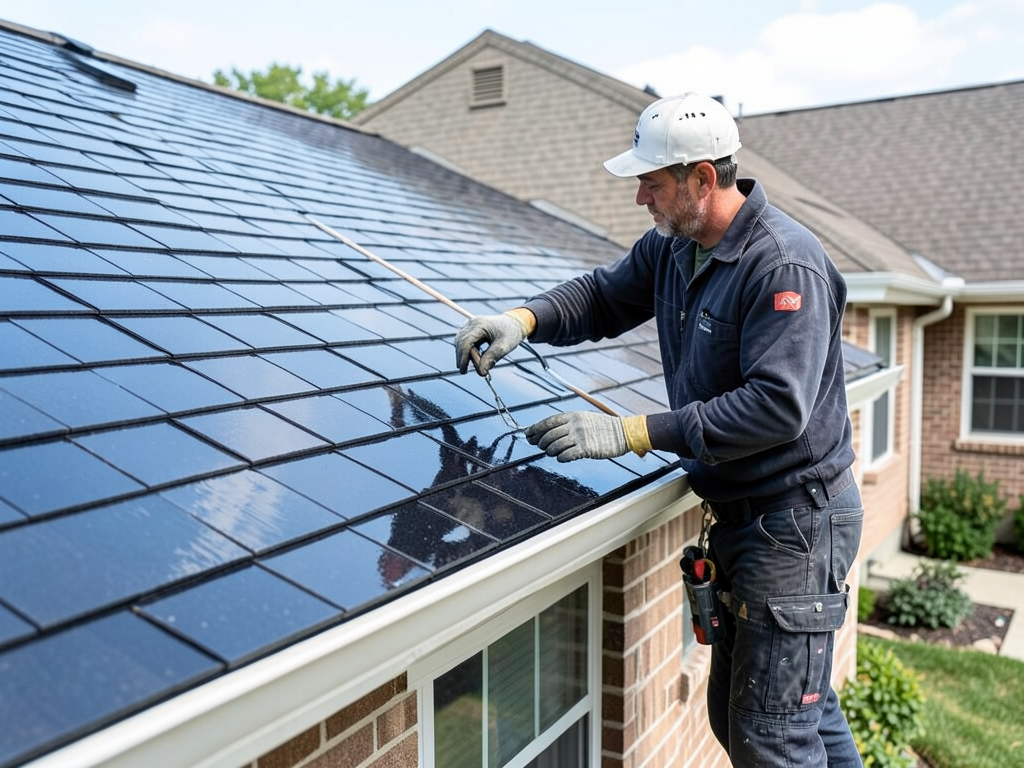
Oklahoma City Homeowners Are Finally Embracing Cool Roofing Technology
Oklahoma City’s brutal summer heat and skyrocketing energy costs have pushed homeowners to reconsider traditional roofing materials. White roofs and reflective shingles are gaining traction as energy prices climb and climate awareness grows. These cool roofing solutions can reduce attic temperatures by 20-30 degrees Fahrenheit while cutting cooling costs by up to 25% in our extreme climate. Cool Roof Rating Council.
The shift toward reflective roofing isn’t just about energy savings. Oklahoma’s unique combination of 100-degree summer days, intense UV exposure, and frequent hailstorms creates specific challenges that cool roofing technology addresses. Modern reflective shingles now offer Class 4 impact resistance alongside their cooling properties, making them ideal for Oklahoma’s severe weather patterns. Energy Star Certified Roofing.
Local utility companies like OG&E and PSO are offering rebates for cool roof installations, while federal tax credits through Energy Star certification make these upgrades more affordable than ever. The question isn’t whether cool roofs work in Oklahoma City—it’s whether homeowners can afford to wait any longer to install them. Why Local Nichols Hills Residents Choose Our Luxury Roofing Team.
Understanding Cool Roof Technology and the Solar Reflective Index
Cool roofing works by reflecting solar radiation rather than absorbing it. The Solar Reflective Index (SRI) measures a material’s ability to reject solar heat. Traditional dark asphalt shingles typically have an SRI of 15-20, while modern cool shingles range from 40-70. The higher the number, the more heat the material reflects. Roofing Tulsa.
Oklahoma City’s climate demands materials that balance reflectivity with durability. Our extreme temperature swings cause traditional shingles to expand and contract rapidly, leading to cracking and premature failure. Cool roofing materials are engineered to handle these thermal stresses while maintaining their reflective properties over decades. Roofing Norman.
The Cool Roof Rating Council (CRRC) certifies roofing materials for their solar reflectance and thermal emittance. For Oklahoma homes, the best cool roofing options combine high SRI ratings with impact resistance ratings of Class 4 or higher. This dual protection addresses both heat gain and hail damage—two of our most pressing roofing concerns.
Top Cool Roofing Materials for Oklahoma’s Climate
Modern cool roofing extends far beyond simple white paint. Today’s options include reflective asphalt shingles, TPO membranes for flat roofs, and advanced PVC roofing systems. Each material offers different benefits for Oklahoma’s specific conditions.. Read more about Protecting the Flat and Low-Sloped Roofs of Mid-Century Homes in the Plaza District.
Reflective asphalt shingles have evolved significantly. Leading manufacturers now produce shingles with specialized granules that reflect infrared radiation while maintaining the appearance of traditional roofing. These shingles can achieve SRI ratings of 40+ while still providing the impact resistance Oklahoma homeowners need.. Read more about What Homeowners in Newer Edmond Subdivisions Need to Know About Strict HOA Roofing Rules.
TPO (Thermoplastic Polyolefin) membranes dominate the commercial cool roofing market in Oklahoma City. These single-ply membranes reflect up to 85% of solar radiation and can withstand our temperature extremes. The material’s heat-welded seams create a monolithic barrier that resists both heat and storm damage.
Energy Savings and ROI for Oklahoma City Homeowners
The financial case for cool roofing in Oklahoma City is compelling. Our average summer temperatures of 93 degrees mean air conditioning runs almost continuously from June through September. A cool roof can reduce cooling costs by 15-25% during these peak months.
Using Oklahoma’s average electricity rate of $0.11 per kilowatt-hour, a typical 2,000-square-foot home can save $300-500 annually on cooling costs. The initial premium for cool roofing materials runs 10-20% higher than standard options, but utility rebates and tax credits can offset much of this cost.
Beyond direct energy savings, cool roofs extend the life of your HVAC system by reducing its workload. Less strain on compressors and motors means fewer repairs and longer equipment life. The Department of Energy’s Roof Savings Calculator estimates that Oklahoma City homeowners can achieve payback periods of 5-7 years for cool roof installations.
Local Utility Rebates and Financial Incentives
OG&E and PSO offer substantial rebates for cool roof installations in Oklahoma City. OG&E’s Energy Efficiency Program provides $0.20 per square foot for qualifying cool roof installations, with additional incentives for whole-home energy upgrades. PSO offers similar programs through their Smart Hours initiative.
Federal tax credits through Energy Star certification can provide up to $500 for qualifying cool roof materials. These credits apply to both materials and installation costs, making professional installation more affordable. The credits are available for both new construction and replacement roofing projects. What You Can Expect to Pay for a Roof Replacement in Edmond.
Local building codes in Oklahoma City now encourage cool roofing in new construction. The Oklahoma Uniform Building Code Commission has adopted standards that favor materials with high SRI ratings in commercial applications. While residential codes haven’t mandated cool roofing yet, the trend is clearly moving in that direction. High Quality Residential Roofing Services in The Village.
Addressing the Hail Resistance Concern
Oklahoma’s reputation for severe hail has made many homeowners skeptical of cool roofing materials. The good news is that modern cool roofing technology has evolved to address this exact concern. Class 4 impact-resistant cool shingles are now widely available and perform exceptionally well in hail-prone areas.
Class 4 impact resistance means the material can withstand the impact of a 2-inch steel ball dropped from 20 feet without cracking. This rating exceeds the requirements for most insurance company premium discounts. Many cool roofing manufacturers now offer Class 4-rated products with SRI ratings above 40.
The combination of impact resistance and heat reflection creates a roofing solution that addresses Oklahoma’s two biggest threats: hail damage and heat gain. Professional installation is crucial for maintaining both properties. Improper installation can void impact resistance ratings and reduce the material’s reflective performance.
The Urban Heat Island Effect in Oklahoma City
Oklahoma City experiences significant urban heat island effects, where developed areas can be 5-7 degrees warmer than surrounding rural areas. This temperature difference increases cooling costs and contributes to poor air quality. Cool roofing helps mitigate these effects at the neighborhood level.
Studies by Oklahoma State University show that widespread cool roofing adoption in urban areas can reduce ambient temperatures by 2-3 degrees. This reduction decreases smog formation and improves overall air quality. The cumulative effect of many cool roofs creates a measurable improvement in local climate conditions.
Commercial buildings in downtown Oklahoma City are leading the way in cool roofing adoption. The Devon Tower and other major developments have incorporated cool roofing technology as part of their sustainability initiatives. This corporate adoption is driving down costs and improving product availability for residential applications.
Installation Considerations for Oklahoma Homes
Proper installation is critical for cool roofing performance in Oklahoma’s climate. The extreme temperature swings require specific installation techniques to prevent thermal stress cracking. Professional installers must account for expansion joints, proper ventilation, and moisture barriers.
Oklahoma’s building codes require ice and water shield installation in valleys and around penetrations. This requirement becomes even more important with cool roofing, as the materials’ expansion and contraction can stress these vulnerable areas. Proper underlayment selection is crucial for preventing moisture intrusion.
The timing of installation also matters in Oklahoma. Summer installations require careful scheduling to avoid the hottest parts of the day. Materials can become too hot to handle safely, and adhesive properties change with temperature. Experienced local contractors understand these nuances and schedule accordingly.
Comparing Cool Roofing to Traditional Options
Feature|Traditional Asphalt Shingles|Cool Roofing Materials
—|—|—
Solar Reflectance Index (SRI)|15-25|40-85
Cooling Cost Reduction|0-5%|15-30%
Lifespan|15-20 years|20-30 years
Hail Resistance|Class 1-3|Class 3-4
Initial Cost|$$|$$$-$$$$
Energy Star Certified|Rarely|Often
Cool roofing materials outperform traditional options in almost every category that matters to Oklahoma homeowners. The higher upfront cost is offset by energy savings, longer lifespan, and potential insurance premium reductions.
Maintenance and Longevity Considerations
Cool roofing materials require specific maintenance approaches to maintain their reflective properties. Dirt and debris accumulation can reduce reflectivity by 10-20% over time. Annual cleaning with appropriate methods helps maintain peak performance without damaging the reflective surface.
Oklahoma’s frequent storms mean regular inspection is essential. Cool roofing materials can hide damage more effectively than traditional dark shingles, making professional inspections crucial. Small issues caught early prevent major leaks and extend the overall roof life.
The extended lifespan of cool roofing materials provides additional value in Oklahoma’s climate. Traditional shingles often fail prematurely due to thermal stress, while cool materials are engineered to handle extreme temperature swings. This durability translates to fewer replacements over the life of the home.
Environmental Benefits Beyond Energy Savings
Cool roofing provides environmental benefits that extend beyond individual energy savings. Reduced cooling demand decreases power plant emissions and helps utilities manage peak load during heat waves. This grid-level benefit becomes increasingly important as Oklahoma’s population grows.
The materials used in cool roofing are often more environmentally friendly than traditional options. Many contain recycled content and are themselves recyclable at the end of their service life. The longer lifespan means less material in landfills over time.
Water quality improvements represent another environmental benefit. Cool roofing materials typically shed less heat into rainwater, reducing the temperature of runoff that enters local waterways. This temperature reduction helps protect aquatic ecosystems during hot summer months.
Making the Decision: Is Cool Roofing Right for Your Home?
The decision to install cool roofing depends on several factors specific to your situation. Home age, current roof condition, and long-term ownership plans all influence the financial viability of the investment. Homes with poor attic insulation benefit most from cool roofing upgrades.
Consider your home’s orientation and exposure. South and west-facing roofs in Oklahoma receive the most intense solar radiation and benefit most from reflective materials. Homes with complex rooflines may have limited areas where cool roofing provides maximum benefit.
The local microclimate also matters. Homes in the urban core of Oklahoma City experience more heat island effects than those in surrounding areas. This difference can make cool roofing more valuable in denser neighborhoods where ambient temperatures run higher.
Professional Installation: Why Experience Matters
Cool roofing installation requires specific expertise that goes beyond standard roofing skills. The materials behave differently under temperature stress, and improper installation can compromise both reflective properties and impact resistance. Local experience with Oklahoma’s climate is essential.
Professional installers must understand how to properly seal around penetrations, install expansion joints, and ensure adequate ventilation. These details become even more critical with cool roofing materials that expand and contract more than traditional options. Poor installation can void warranties and reduce performance.
The best installers in Oklahoma City have experience with both the materials and the local building codes. They understand how to navigate HOA requirements, obtain necessary permits, and coordinate with other contractors during home improvement projects.
Frequently Asked Questions
Are white roofs really more effective than colored cool roofing?
White roofs typically achieve the highest SRI ratings, often 80-90, compared to 40-70 for colored cool materials. However, modern cool roofing technology has narrowed this gap significantly. For many homeowners, the aesthetic advantages of colored options outweigh the small performance difference.. Read more about Choosing a Roof Color That Won’t Fade Under the Intense Yukon Sun.
How much does cool roofing cost compared to traditional options?
Cool roofing materials typically cost 10-20% more than standard options. For a typical Oklahoma City home, this translates to $1,500-3,000 additional upfront cost. However, utility rebates, tax credits, and energy savings often offset this premium within 5-7 years.
Will cool roofing affect my home’s resale value?
Cool roofing can positively impact resale value by offering lower utility costs and longer lifespan. Energy-conscious buyers increasingly value these features, particularly in Oklahoma’s climate. The modern appearance of many cool roofing options also appeals to contemporary design preferences.
Ready to Beat the Heat with Cool Roofing?
Oklahoma City’s extreme climate demands roofing solutions that go beyond basic protection. Cool roofing technology offers energy savings, durability, and environmental benefits that traditional materials simply cannot match. With utility rebates and tax credits available in 2026, there’s never been a better time to upgrade.
The combination of rising energy costs and increasing severe weather events makes cool roofing a smart investment for Oklahoma homeowners. Whether you’re building new or replacing an existing roof, reflective materials can provide decades of energy savings and protection.
Don’t wait for your next sky-high summer electric bill to consider cool roofing. Call (405) 507-3933 today to schedule your inspection and learn which cool roofing options work best for your home. Our experienced team understands Oklahoma’s unique climate challenges and can help you make the right choice for your budget and needs.. Read more about Why Your Restaurant in Bricktown Needs Specialized Grease-Resistant Roofing Membranes.
Pick up the phone and call (405) 507-3933 before the next storm hits. We’ll help you protect your home while saving money on cooling costs for years to come.
You may also find this helpful. Deciding Between 3-Tab and Architectural Shingles for a Rental Property in Del City.
You may also find this helpful. Comparing Standing Seam versus Screw Down Metal Roofs for Your Property in Luther.
{
“@context”: “https://schema.org”,
“@type”: “BlogPosting”,
“headline”: “Are White Roofs and Reflective Shingles Finally Catching On in the Oklahoma City Metro?”,
“description”: “Discover how cool roofing technology is transforming energy efficiency in Oklahoma City’s extreme climate. Learn about reflective shingles, TPO membranes, and local utility rebates.”,
“wordCount”: 2075,
“datePublished”: “2026-05-23T14:46:00.000Z”,
“dateModified”: “2026-05-23T14:46:00.000Z”,
“inLanguage”: “en-US”,
“mainEntityOfPage”: {
“@type”: “WebPage”,
“@id”: “https://unitedroofingoklahomacity.com”
},
“publisher”: {
“@type”: “LocalBusiness”,
“name”: “United Roofing Oklahoma City”,
“url”: “https://unitedroofingoklahomacity.com”
},
“author”: {
“@type”: “Organization”,
“name”: “United Roofing Oklahoma City”,
“url”: “https://unitedroofingoklahomacity.com”
},
“image”: {
“@type”: “ImageObject”,
“url”: “https://unitedroofingoklahomacity.com/wp-content/uploads/2026/03/are-white-roofs-and-reflective-shingles-finally-ca-1.png”
}
}
{
“@context”: “https://schema.org”,
“@type”: “RoofingContractor”,
“name”: “United Roofing Oklahoma City”,
“url”: “https://unitedroofingoklahomacity.com”,
“address”: {
“@type”: “PostalAddress”,
“addressLocality”: “Oklahoma City”
},
“areaServed”: {
“@type”: “City”,
“name”: “Oklahoma City”
}
}
{
“@context”: “https://schema.org”,
“@type”: “FAQPage”,
“mainEntity”: [
{
“@type”: “Question”,
“name”: “Making the Decision: Is Cool Roofing Right for Your Home?”,
“acceptedAnswer”: {
“@type”: “Answer”,
“text”: “The decision to install cool roofing depends on several factors specific to your situation. Home age, current roof condition, and long-term ownership plans all influence the financial viability of the investment. Homes with poor attic insulation benefit most from cool roofing upgrades.”
}
},
{
“@type”: “Question”,
“name”: “Are white roofs really more effective than colored cool roofing?”,
“acceptedAnswer”: {
“@type”: “Answer”,
“text”: “White roofs typically achieve the highest SRI ratings, often 80-90, compared to 40-70 for colored cool materials. However, modern cool roofing technology has narrowed this gap significantly. For many homeowners, the aesthetic advantages of colored options outweigh the small performance difference.”
}
},
{
“@type”: “Question”,
“name”: “How much does cool roofing cost compared to traditional options?”,
“acceptedAnswer”: {
“@type”: “Answer”,
“text”: “Cool roofing materials typically cost 10-20% more than standard options. For a typical Oklahoma City home, this translates to $1,500-3,000 additional upfront cost. However, utility rebates, tax credits, and energy savings often offset this premium within 5-7 years.”
}
},
{
“@type”: “Question”,
“name”: “Will cool roofing affect my home’s resale value?”,
“acceptedAnswer”: {
“@type”: “Answer”,
“text”: “Cool roofing can positively impact resale value by offering lower utility costs and longer lifespan. Energy-conscious buyers increasingly value these features, particularly in Oklahoma’s climate. The modern appearance of many cool roofing options also appeals to contemporary design preferences.”
}
},
{
“@type”: “Question”,
“name”: “Ready to Beat the Heat with Cool Roofing?”,
“acceptedAnswer”: {
“@type”: “Answer”,
“text”: “Oklahoma City’s extreme climate demands roofing solutions that go beyond basic protection. Cool roofing technology offers energy savings, durability, and environmental benefits that traditional materials simply cannot match. With utility rebates and tax credits available in 2026, there’s never been a better time to upgrade.”
}
}
]
}
{
“@context”: “https://schema.org”,
“@type”: “BreadcrumbList”,
“itemListElement”: [
{
“@type”: “ListItem”,
“position”: 1,
“name”: “Home”,
“item”: “https://unitedroofingoklahomacity.com”
},
{
“@type”: “ListItem”,
“position”: 2,
“name”: “Blog”,
“item”: “https://unitedroofingoklahomacity.com/blog”
},
{
“@type”: “ListItem”,
“position”: 3,
“name”: “Are White Roofs and Reflective Shingles Finally Catching On in the Oklahoma City Metro?”
}
]
}
{
“@context”: “https://schema.org”,
“@type”: “Service”,
“serviceType”: “Roofing”,
“provider”: {
“@type”: “LocalBusiness”,
“name”: “United Roofing Oklahoma City”,
“url”: “https://unitedroofingoklahomacity.com”
},
“areaServed”: {
“@type”: “City”,
“name”: “Oklahoma City”
},
“description”: “Discover how cool roofing technology is transforming energy efficiency in Oklahoma City’s extreme climate. Learn about reflective shingles, TPO membranes, and local utility rebates.”
}