
Choosing Between Synthetic Slate and Real Stone for Your Heritage Hills Estate
The stately homes of Heritage Hills deserve roofing that matches their historic charm and architectural integrity. When you’re weighing synthetic slate against natural stone, you need to understand how each material performs under Oklahoma City’s harsh climate conditions. This guide breaks down the critical differences so you can make an informed decision for your estate. Roofing Tulsa.
Natural slate offers unmatched authenticity with a lifespan that can exceed 100 years, but it weighs 800-1,500 pounds per square and often requires structural reinforcement. Synthetic slate, made from polymer resins and recycled materials, weighs just 200-350 pounds per square and resists Oklahoma’s frequent hail impacts with Class 4 ratings. Your choice affects not just curb appeal but also insurance premiums, structural requirements, and long-term maintenance costs.. Read more about How a New Roof Affects the Resale Value of Your Home in Bethany.
Understanding the Basics: Natural Stone vs. Composite Materials
Natural slate comes from quarried stone that’s split into thin sheets. Each piece has unique color variations and textures that develop a patina over decades. The material costs $30-$60 per square foot installed and requires specialized labor for proper installation. Real slate handles UV exposure well but can crack under severe impact.
Synthetic slate uses engineered polymers molded to mimic natural stone. Premium brands like DaVinci and EcoStar create pieces that look identical to real slate from street level. These products cost $12-$22 per square foot installed and install using standard roofing techniques. The polymer composition flexes slightly under impact instead of cracking. DaVinci Roofscapes synthetic slate products.
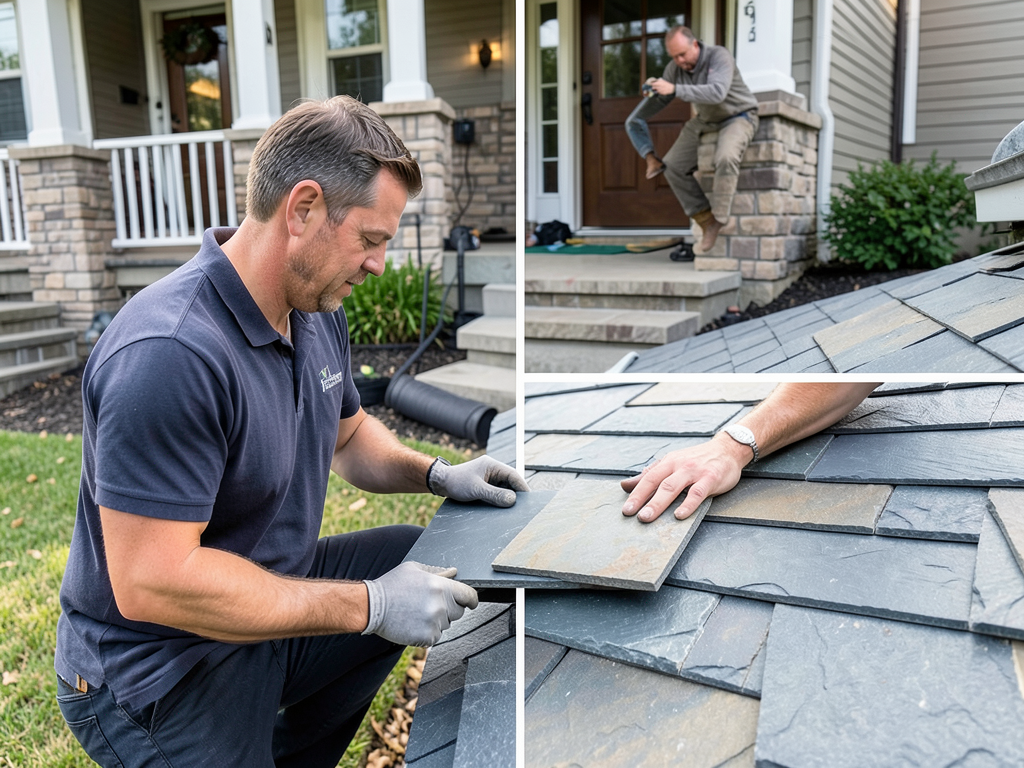
Side-by-side comparison showing natural slate’s unique color variations versus synthetic slate’s uniform appearance under different lighting conditions
Comparison Table: Side-by-Side Performance Metrics
| Feature | Natural Slate | Synthetic Slate |
|---|---|---|
| Weight per Square | 800-1,500 lbs | 200-350 lbs |
| Cost per Square Foot | $30-$60 | $12-$22 |
| Lifespan | 75-150 years | 40-50 years |
| Hail Rating | Class 3 (varies) | Class 4 (standard) |
| Installation Time | 2-3 weeks | 1-2 weeks |
| Structural Requirements | Often requires reinforcement | Standard roof deck OK |
Durability in the ‘Hail Belt’: Impact Ratings Explained
Oklahoma City sits in the heart of Tornado Alley, experiencing more severe hail events than most of the country. The Oklahoma Uniform Building Code Commission requires Class 3 impact resistance for most roofing materials, but Class 4 offers superior protection against baseball-sized hail. Roofing Norman.
Natural slate typically achieves Class 3 impact resistance, meaning it can withstand steel balls dropped from specific heights without cracking. However, when Oklahoma’s softball-sized hail strikes at 70+ mph, even Class 3 materials can fail. Synthetic slate manufacturers engineer their products to achieve Class 4 ratings consistently, using flexible polymer formulations that absorb impact energy.
Insurance companies in Oklahoma offer premium discounts for Class 4 rated roofs. The discount typically ranges from 5-15% on annual premiums, which can offset the higher initial cost of premium synthetic slate over time. For Heritage Hills homes, this translates to potential savings of $300-$800 annually on insurance.
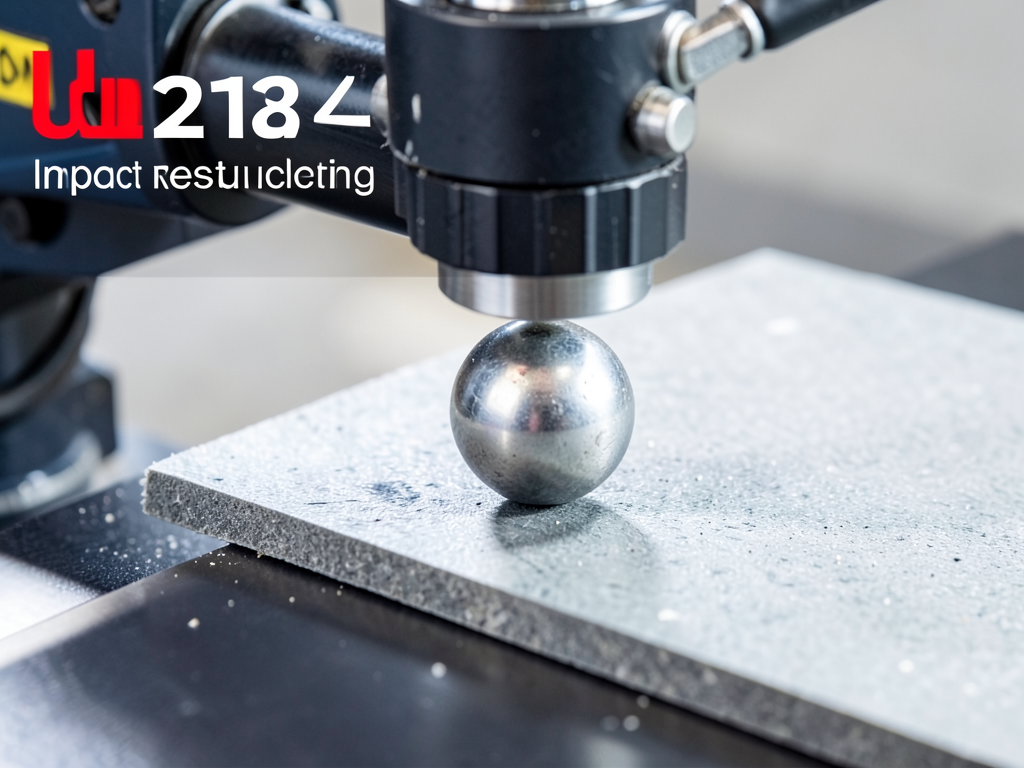
Technician performing UL 2218 Class 4 impact test on synthetic slate sample, showing steel ball drop test setup
Weight and Structural Requirements (Does your OKC home need reinforcement?)
Natural slate’s weight creates significant structural considerations for Oklahoma City homes. Most Heritage Hills estates were built between 1920-1950 with roof decks designed for asphalt shingles weighing 200-300 pounds per square. Adding 800-1,500 pounds per square requires structural engineering assessment.. Read more about Why Dark Shingles Might Be Costing You More Money in the Oklahoma City Summer Heat.
A structural engineer must evaluate your roof trusses, load-bearing walls, and foundation capacity. The process involves calculating dead loads, live loads, and ensuring compliance with Oklahoma City building codes. Many historic homes in the 73103 zip code area need sistering of rafters or additional support beams before natural slate installation.
Synthetic slate eliminates most structural concerns. The lightweight composition works with existing roof structures without modification. This means faster installation, lower labor costs, and no need for engineering permits. For homes in Heritage Hills where preserving original architecture matters, synthetic slate offers the slate appearance without compromising structural integrity.
Cost Analysis: Initial Investment vs. Long-Term ROI
The upfront cost difference between natural and synthetic slate is substantial. Natural slate installation for a 2,000 square foot roof runs $60,000-$120,000 including materials and specialized labor. Synthetic slate for the same area costs $24,000-$44,000 installed.
However, the total cost of ownership tells a different story. Natural slate’s 100+ year lifespan means you may never need replacement during your ownership. Synthetic slate typically requires replacement after 40-50 years. When you factor in the insurance discounts, lower maintenance costs, and absence of structural reinforcement expenses, synthetic slate often provides better 20-year ROI for most homeowners. What You Can Expect to Pay for a Roof Replacement in Edmond.
Maintenance costs also differ significantly. Natural slate requires periodic inspections for cracked tiles, mortar deterioration, and flashing issues. Repairs involve matching existing stone colors and require slate-specific expertise. Synthetic slate maintenance involves simple cleaning and occasional sealant application, tasks most homeowners can handle themselves.
Aesthetic Appeal and Curb Appeal in Oklahoma Neighborhoods
From street level, distinguishing between natural and high-quality synthetic slate becomes nearly impossible. Both materials offer the distinctive rectangular tiles with varying thicknesses that create the characteristic shadow lines of slate roofing. Premium synthetic products use multi-color blends that replicate the subtle variations found in natural stone. High Quality Residential Roofing Services in The Village.
Heritage Hills homes benefit from either material’s ability to enhance architectural details. The deep shadows created by slate’s irregular surface highlight dormers, gables, and intricate rooflines. Both materials work exceptionally well with the brick facades common in Oklahoma City’s historic districts.
The aging process differs between materials. Natural slate develops a soft patina and may show mineral deposits over decades. Synthetic slate maintains its color consistency but may show slight weathering patterns. For homeowners who prioritize the authentic aging process, natural slate provides the genuine character that comes with time.
Maintenance and Longevity: What to Expect After 20 Years
After two decades, natural slate typically requires minimal intervention if properly installed. Individual tiles may crack from impact or weather, but the overall system remains intact. The key maintenance involves checking flashing around chimneys and valleys, inspecting mortar joints, and replacing any broken tiles.
Synthetic slate at the 20-year mark often looks nearly new with proper care. The polymer materials resist UV degradation better than many homeowners expect. However, the flexible nature means tiles may show slight warping in extreme heat cycles. Oklahoma’s temperature swings from 100°F summers to 20°F winters test both materials differently.
The biggest maintenance difference involves repair complexity. Natural slate repairs require matching existing colors and textures, often necessitating removal of surrounding tiles. Synthetic slate repairs use matching replacement tiles that blend seamlessly. For Heritage Hills homeowners, this repair consideration affects long-term maintenance planning.
Final Verdict: Choosing the Right Roof for Your Home
Your decision between synthetic and natural slate should balance several factors specific to your Heritage Hills estate. If your home has adequate structural capacity, you plan to stay for decades, and you value authentic materials, natural slate offers unmatched longevity and character. The investment pays dividends in curb appeal and potential property value appreciation.
For most Heritage Hills homeowners, synthetic slate provides the optimal balance of aesthetics, performance, and practicality. The Class 4 impact resistance protects against Oklahoma’s severe weather, the lightweight design preserves your home’s structure, and the lower initial cost frees capital for other improvements. The 40-50 year lifespan exceeds most homeowners’ occupancy plans.
Consider your specific priorities: Do you want the genuine stone that develops character over a century? Or do you prefer the modern engineering that resists today’s severe weather while maintaining historic appearance? Both materials serve Heritage Hills beautifully, but your choice depends on your timeline, budget, and performance requirements.
Call (405) 507-3933 today to schedule your inspection. Our team will assess your home’s structure, discuss your priorities, and provide detailed recommendations for your specific situation. Don’t wait until storm season to make this important decision.
Frequently Asked Questions
Can synthetic slate be installed over existing roofing?
No, building codes require complete tear-off before installing any slate product. The existing roof must be removed to assess deck condition and ensure proper underlayment installation.
How does Oklahoma’s clay soil affect slate roofing choices?
Oklahoma’s expansive clay soil causes foundation movement that transfers to roof structures. Synthetic slate’s flexibility handles minor structural shifts better than rigid natural slate, reducing the risk of cracking from foundation settling.
What warranty differences exist between natural and synthetic slate?
Natural slate typically carries 50-year material warranties with installation warranties of 25 years. Premium synthetic slate offers 50-year limited warranties covering both materials and workmanship, providing more comprehensive protection.
Does synthetic slate fade in Oklahoma’s intense sun?
Quality synthetic slate uses UV inhibitors and color-through technology that resists fading for 30+ years. Natural slate may show slight color changes but maintains its structural integrity regardless of sun exposure.
Can I walk on either type of slate roof for maintenance?
Both materials require careful walking techniques. Natural slate can crack under direct pressure, while synthetic slate’s flexibility allows slightly more give. Professional roofers use specific walking patterns and protective equipment for either material. The Best Norman OK Roofers for Emergency Storm Damage Fixes.
How do I choose between the two if I’m planning to sell soon?
For homes listed within 5 years, synthetic slate often provides better ROI due to lower initial cost and comparable curb appeal. Natural slate may appeal to buyers specifically seeking historic authenticity but requires a longer ownership horizon to justify the premium.
What about noise during Oklahoma’s severe storms?
Both materials provide excellent sound insulation compared to asphalt shingles. The dense composition of both slate types reduces rain and hail noise significantly, though natural slate’s additional mass provides slightly better acoustic dampening.
Ready to upgrade your Heritage Hills home with the perfect slate roofing? Call (405) 507-3933 now to speak with our specialists about your specific needs and get a detailed quote for your estate. For more information, visit EcoStar composite slate roofing information.
{
“@context”: “https://schema.org”,
“@type”: “BlogPosting”,
“headline”: “Choosing Between Synthetic Slate and Real Stone for Your Heritage Hills Estate”,
“description”: “Compare synthetic vs real slate roofing for Heritage Hills homes. Learn about weight, cost, durability, and hail resistance to make the right choice for your Oklahoma City estate.”,
“wordCount”: 1652,
“datePublished”: “2026-03-10T10:14:00.000Z”,
“dateModified”: “2026-03-10T10:14:00.000Z”,
“inLanguage”: “en-US”,
“mainEntityOfPage”: {
“@type”: “WebPage”,
“@id”: “https://unitedroofingoklahomacity.com”
},
“publisher”: {
“@type”: “LocalBusiness”,
“name”: “United Roofing Oklahoma City”,
“url”: “https://unitedroofingoklahomacity.com”
},
“author”: {
“@type”: “Organization”,
“name”: “United Roofing Oklahoma City”,
“url”: “https://unitedroofingoklahomacity.com”
},
“image”: {
“@type”: “ImageObject”,
“url”: “https://unitedroofingoklahomacity.com/wp-content/uploads/2026/03/choosing-between-synthetic-slate-and-real-stone-fo-1.png”
}
}
{
“@context”: “https://schema.org”,
“@type”: “RoofingContractor”,
“name”: “United Roofing Oklahoma City”,
“url”: “https://unitedroofingoklahomacity.com”,
“address”: {
“@type”: “PostalAddress”,
“addressLocality”: “Oklahoma City”
},
“areaServed”: {
“@type”: “City”,
“name”: “Oklahoma City”
}
}
{
“@context”: “https://schema.org”,
“@type”: “FAQPage”,
“mainEntity”: [
{
“@type”: “Question”,
“name”: “Can synthetic slate be installed over existing roofing?”,
“acceptedAnswer”: {
“@type”: “Answer”,
“text”: “No, building codes require complete tear-off before installing any slate product. The existing roof must be removed to assess deck condition and ensure proper underlayment installation.”
}
},
{
“@type”: “Question”,
“name”: “How does Oklahoma’s clay soil affect slate roofing choices?”,
“acceptedAnswer”: {
“@type”: “Answer”,
“text”: “Oklahoma’s expansive clay soil causes foundation movement that transfers to roof structures. Synthetic slate’s flexibility handles minor structural shifts better than rigid natural slate, reducing the risk of cracking from foundation settling.”
}
},
{
“@type”: “Question”,
“name”: “What warranty differences exist between natural and synthetic slate?”,
“acceptedAnswer”: {
“@type”: “Answer”,
“text”: “Natural slate typically carries 50-year material warranties with installation warranties of 25 years. Premium synthetic slate offers 50-year limited warranties covering both materials and workmanship, providing more comprehensive protection.”
}
},
{
“@type”: “Question”,
“name”: “Can I walk on either type of slate roof for maintenance?”,
“acceptedAnswer”: {
“@type”: “Answer”,
“text”: “Both materials require careful walking techniques. Natural slate can crack under direct pressure, while synthetic slate’s flexibility allows slightly more give. Professional roofers use specific walking patterns and protective equipment for either material. The Best Norman OK Roofers for Emergency Storm Damage Fixes.”
}
},
{
“@type”: “Question”,
“name”: “How do I choose between the two if I’m planning to sell soon?”,
“acceptedAnswer”: {
“@type”: “Answer”,
“text”: “For homes listed within 5 years, synthetic slate often provides better ROI due to lower initial cost and comparable curb appeal. Natural slate may appeal to buyers specifically seeking historic authenticity but requires a longer ownership horizon to justify the premium.”
}
},
{
“@type”: “Question”,
“name”: “What about noise during Oklahoma’s severe storms?”,
“acceptedAnswer”: {
“@type”: “Answer”,
“text”: “Both materials provide excellent sound insulation compared to asphalt shingles. The dense composition of both slate types reduces rain and hail noise significantly, though natural slate’s additional mass provides slightly better acoustic dampening.”
}
}
]
}
{
“@context”: “https://schema.org”,
“@type”: “BreadcrumbList”,
“itemListElement”: [
{
“@type”: “ListItem”,
“position”: 1,
“name”: “Home”,
“item”: “https://unitedroofingoklahomacity.com”
},
{
“@type”: “ListItem”,
“position”: 2,
“name”: “Blog”,
“item”: “https://unitedroofingoklahomacity.com/blog”
},
{
“@type”: “ListItem”,
“position”: 3,
“name”: “Choosing Between Synthetic Slate and Real Stone for Your Heritage Hills Estate”
}
]
}
{
“@context”: “https://schema.org”,
“@type”: “Service”,
“serviceType”: “Roofing”,
“provider”: {
“@type”: “LocalBusiness”,
“name”: “United Roofing Oklahoma City”,
“url”: “https://unitedroofingoklahomacity.com”
},
“areaServed”: {
“@type”: “City”,
“name”: “Oklahoma City”
},
“description”: “Compare synthetic vs real slate roofing for Heritage Hills homes. Learn about weight, cost, durability, and hail resistance to make the right choice for your Oklahoma City estate.”
}