
Common Ways New Homeowners Accidentally Void Their Roofing Warranty
Your new roof represents a significant investment and the warranty that comes with it offers peace of mind. But many Oklahoma City homeowners unknowingly take actions that void their coverage leaving them financially exposed when problems arise. Understanding what can invalidate your warranty is just as important as selecting the right roofing materials. Oklahoma Construction Industries Board.
Oklahoma’s extreme weather patterns create unique challenges for roof warranties. The combination of severe hail high winds and rapid temperature fluctuations means your roof faces more stress than in most other regions. When warranty claims are denied due to homeowner actions the financial burden of repairs falls entirely on you.
Most warranty issues stem from three sources: improper installation by unlicensed contractors unauthorized modifications after installation and failure to maintain the roof according to manufacturer specifications. Each of these can completely void coverage turning what should be a protected investment into a costly liability.
Before making any changes to your roof or hiring contractors for related work understanding your warranty’s specific requirements is essential. Many homeowners discover too late that seemingly minor actions have eliminated their protection.
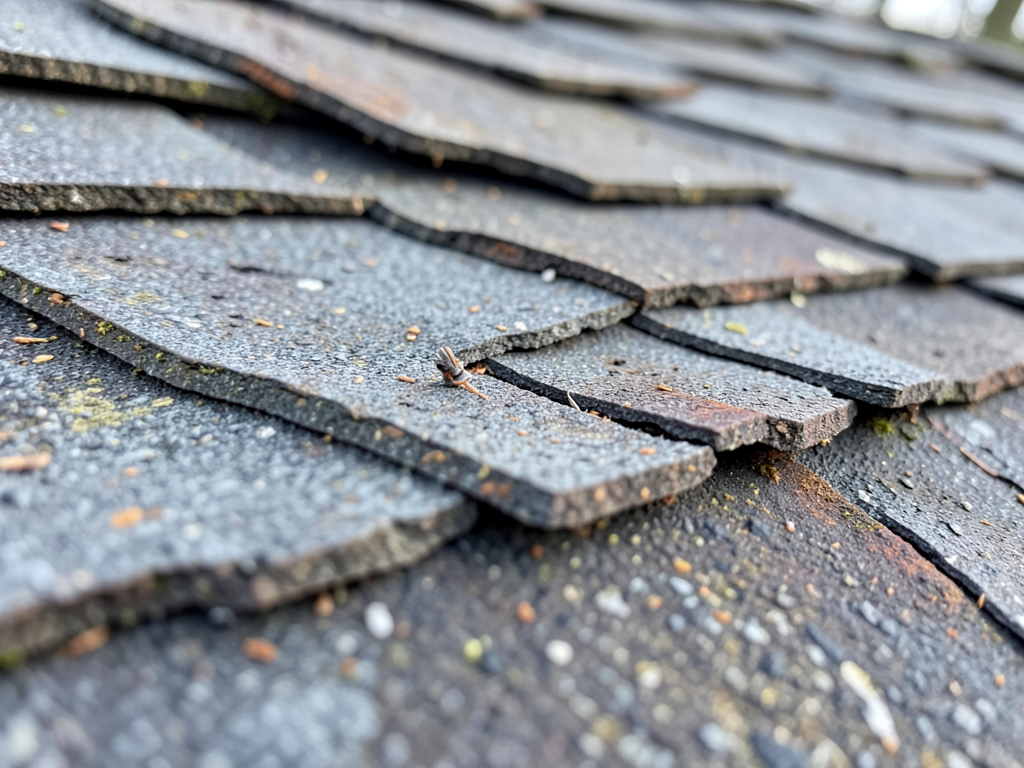
Understanding Your Roof Warranty Structure
Roof warranties typically fall into three categories each with different coverage levels and requirements. Manufacturer warranties cover material defects but often exclude installation issues. Workmanship warranties protect against installation errors but may not cover material failures. Extended system warranties combine both but require specific installation protocols.
Manufacturer warranties usually range from 20 to 50 years for material defects. However these warranties often exclude damage from severe weather events common in Oklahoma City. Hail damage for instance typically requires separate insurance coverage rather than warranty protection.
Workmanship warranties cover installation errors and typically last 2 to 10 years. These warranties become void if the installation wasn’t performed by a certified contractor or if subsequent work violates installation standards. The Oklahoma Construction Industries Board requires all roofing contractors to maintain proper licensing for warranty validity. Roofing Tulsa.
Extended system warranties offer the most comprehensive protection but demand strict compliance with manufacturer specifications. These warranties often require using specific underlayment ventilation systems and flashing materials from the same manufacturer. Deviating from these requirements even with superior products can void the entire warranty.
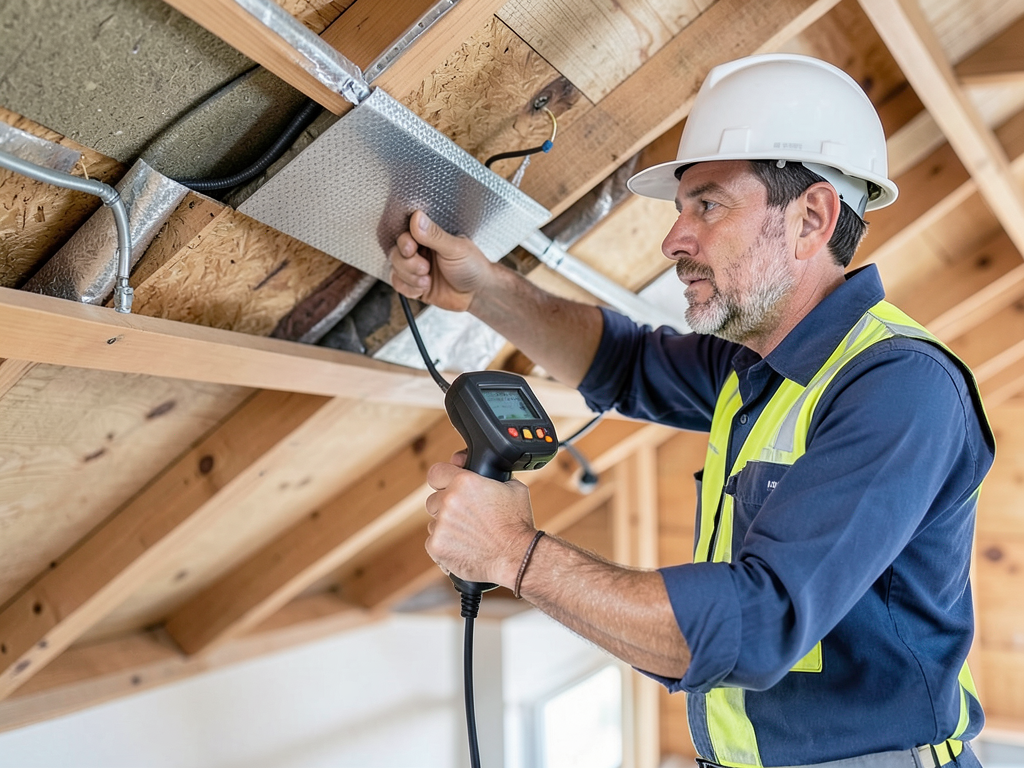
Installation Requirements That Protect Your Warranty
Proper installation forms the foundation of any valid roof warranty. The Oklahoma City area experiences wind speeds that can exceed 80 mph during severe storms requiring specific fastening patterns that many contractors outside the region don’t follow. Using the correct number of nails per shingle and proper placement is critical for warranty compliance.. Read more about Managing Shingle Uplift and High Wind Damage for Homes Near Lake Overholser.
Building codes in Oklahoma City require specific ice and water shield installation in valleys and around penetrations. The International Residential Code (IRC) Section R905.1.8 mandates these protective layers in areas prone to ice damming. Skipping these steps to save time or money immediately voids most manufacturer warranties. International Residential Code Section R905.1.8.
Ventilation requirements significantly impact warranty validity. Improper attic ventilation causes heat and moisture buildup that accelerates shingle deterioration. Most manufacturers require specific net free ventilation area calculations based on attic square footage. Blocked or undersized vents can void warranties within the first year of installation.. Read more about How Hidden Attic Mold in Your Edmond Home Points to a Major Roofing Issue.
The Oklahoma Construction Industries Board (CIB) maintains strict licensing requirements for roofing contractors. Only contractors with current CIB licenses can perform work that maintains warranty validity. Unlicensed contractors may offer lower prices but their work typically voids all manufacturer warranties immediately upon completion. Roofing Norman.
Common Modifications That Void Coverage
Satellite dish installations represent one of the most frequent warranty violations. Drilling through shingles to mount dishes creates leak points that manufacturers won’t cover. The proper installation method involves mounting to the roof structure beneath the decking but many satellite companies ignore these requirements.
Solar panel installations require careful consideration of warranty implications. Mounting systems that penetrate the roof surface must use manufacturer-approved flashing methods. DIY solar installations or work by unqualified contractors often void both material and workmanship warranties leaving homeowners responsible for all future repairs.
Gutter replacement projects can inadvertently void roof warranties. Some homeowners hire separate contractors for roofing and gutter work creating coordination problems. Gutter installers who damage roof edges or use improper fastening methods can void the roof warranty without the homeowner realizing it. What You Can Expect to Pay for a Roof Replacement in Edmond.
Holiday lighting installations cause surprising warranty issues. Staples or nails used to hang lights create punctures that manufacturers classify as neglect. Even temporary installations can void warranties if they damage the roofing material or create water infiltration points. Roofing Midwest City.
Maintenance Requirements You Can’t Ignore
Annual roof inspections form a critical warranty requirement that many homeowners overlook. Most manufacturers require documented inspections by qualified professionals to maintain coverage. These inspections identify potential issues before they become major problems and provide the documentation manufacturers require for warranty claims.
Debris removal after Oklahoma’s frequent storms isn’t just about appearance. Accumulated leaves and branches trap moisture against the roof surface accelerating deterioration. Most warranties require keeping the roof clear of debris and failure to do so can void coverage for resulting damage.
Moss and algae growth represents another maintenance requirement with warranty implications. These organisms retain moisture and can cause premature shingle failure. Many manufacturers require treatment with approved products when growth appears and neglecting this maintenance can void coverage for affected areas.
Proper attic insulation and ventilation maintenance directly impacts roof warranty validity. Poor insulation causes ice dams in winter and excessive heat in summer both of which accelerate roof deterioration. Most warranties require maintaining specific R-values and ventilation standards to remain valid.
Storm Damage and Insurance Interactions
Understanding the difference between warranty coverage and insurance protection is crucial for Oklahoma City homeowners. Warranties typically exclude damage from severe weather events including the hail storms that frequently impact the region. This exclusion means homeowners need separate insurance coverage for storm-related damage.
Post-storm repairs require careful attention to warranty requirements. Using non-manufacturer approved materials for emergency repairs can void the entire warranty. Even temporary fixes must follow manufacturer specifications to maintain coverage for the unaffected areas of the roof.
Documentation becomes critical after storm events. Most manufacturers require specific documentation of damage and repair methods to process warranty claims. Without proper documentation even valid claims may be denied leaving homeowners to cover repair costs themselves.
The timing of repairs after storm damage affects warranty validity. Most manufacturers require repairs within specific timeframes to prevent additional damage. Delaying repairs beyond these windows can void coverage for the damaged areas and potentially affect the entire roof warranty.
DIY Repairs That Cost More Than They Save
Homeowners attempting DIY repairs often create warranty issues without realizing it. Simple tasks like replacing a few damaged shingles require specific techniques and materials to maintain warranty validity. Using incorrect materials or improper installation methods can void coverage for the entire roof.
Caulk and sealant applications represent a common DIY mistake. Many homeowners apply aftermarket sealants to address minor leaks but these products can void warranties by interfering with the roof’s designed water-shedding capabilities. Manufacturers typically require specific repair methods using approved materials.
Pressure washing might seem like a good cleaning method but it can void warranties by damaging shingle granules. These granules protect against UV damage and impact resistance. Removing them through aggressive cleaning methods accelerates deterioration and eliminates warranty coverage for affected areas.
Painting or coating asphalt shingles almost always voids warranties. These aftermarket products can trap moisture and prevent proper shingle expansion and contraction. Even products marketed as roof treatments can void warranties if they’re not manufacturer-approved for your specific roofing system.
Transferability and Home Sales
Warranty transferability affects home sale transactions more than many homeowners realize. Most roof warranties are transferable to new owners but specific procedures must be followed. Failing to properly transfer warranties can leave both buyers and sellers without coverage when problems arise.
Notification requirements for home sales vary by manufacturer. Some require written notification within specific timeframes while others need formal transfer documentation. Missing these requirements can void warranties even if the roof itself remains in good condition.
Disclosure requirements during home sales create warranty complications. Sellers must disclose any warranty-voiding actions taken during their ownership. Buyers who discover warranty violations after purchase may have limited recourse if proper disclosure didn’t occur during the sales process.
Inspection requirements for warranty transfers often catch homeowners by surprise. Many manufacturers require professional inspections before approving warranty transfers. These inspections identify any existing issues that could affect warranty validity and ensure the roof meets current standards.
Protecting Your Investment Long-Term
Documentation represents your best protection against warranty disputes. Keep all receipts inspection reports and correspondence with contractors and manufacturers. This documentation proves you’ve met warranty requirements and provides evidence if coverage disputes arise.
Professional relationships matter more than many homeowners realize. Working with the same qualified contractor for maintenance and repairs ensures consistency in methods and materials. This consistency helps maintain warranty validity and provides a single point of contact for any warranty issues.
Understanding your specific warranty terms prevents costly mistakes. Each manufacturer has different requirements for coverage maintenance. Some require specific inspection intervals while others mandate using only certified contractors for any roof-related work. Knowing these requirements prevents accidental violations.
Weather monitoring helps protect your warranty investment. Oklahoma City’s severe weather patterns mean your roof faces more stress than in milder climates. Being proactive about inspections after major weather events can identify issues before they become warranty-voiding problems.
Frequently Asked Questions
What’s the first step to take if I think my warranty might be void?
Contact the original installer or manufacturer immediately. They can review your situation and determine if coverage remains valid. Many warranty issues can be resolved if caught early but waiting often eliminates options for restoration.
How do I know if a contractor is qualified to maintain my warranty?
Verify their Oklahoma Construction Industries Board license and check for manufacturer certifications. Most major roofing manufacturers provide online tools to verify contractor credentials. Only work with contractors who maintain both proper licensing and current manufacturer certifications.
Does regular maintenance really affect my warranty?
Yes absolutely. Most manufacturers require documented maintenance to keep warranties valid. This typically includes annual inspections and keeping the roof clear of debris. Neglecting these requirements can void coverage even if the roof itself remains in good condition.
What should I do differently after a major hail storm?
Schedule a professional inspection within 30 days of the storm. Document any visible damage with photos and contact your insurance company immediately. Avoid making any repairs until you’ve consulted with both your insurance adjuster and a qualified roofing contractor.
Can I transfer my warranty if I sell my home?
Most roof warranties are transferable but specific procedures must be followed. Contact the manufacturer or your original installer to initiate the transfer process. This typically requires documentation and may involve a transfer fee to maintain coverage for the new owner.
What’s the biggest warranty mistake Oklahoma homeowners make?
Hiring unlicensed contractors for repairs or modifications. Many homeowners choose lower-priced options without realizing this immediately voids their warranty. The savings rarely justify the risk of losing warranty protection and potentially facing full repair costs later.
How long do I have to register my new roof warranty?
Most manufacturers require warranty registration within 30 to 60 days of installation. Missing this deadline can void coverage entirely. Your contractor should handle registration but always confirm it’s been completed and obtain copies of all warranty documentation.
Take Action to Protect Your Warranty Today
Understanding your roof warranty requirements isn’t optional for Oklahoma City homeowners. The severe weather patterns in our region make proper warranty maintenance essential for protecting your investment. Many warranty issues arise from simple misunderstandings that could have been prevented with proper knowledge.
Don’t wait until problems arise to discover your warranty is void. Schedule a professional inspection to review your current warranty status and identify any potential issues. Our team can help you understand exactly what steps are needed to maintain full coverage.
Call (405) 507-3933 today to schedule your warranty protection consultation. We’ll review your specific warranty requirements and help you avoid the common mistakes that void coverage. Don’t let a simple oversight cost you thousands in repair expenses when your warranty could have protected you.
Pick up the phone and call (405) 507-3933 before the next storm hits. Our Oklahoma City roofing experts understand the local weather challenges and warranty requirements that protect your investment. We’re here to help you maintain coverage and avoid costly mistakes that could leave you financially exposed. Why Local Nichols Hills Residents Choose Our Luxury Roofing Team.
{
“@context”: “https://schema.org”,
“@type”: “BlogPosting”,
“headline”: “Common Ways New Homeowners Accidentally Void Their Roofing Warranty”,
“description”: “Learn how Oklahoma City homeowners accidentally void roof warranties through common mistakes. Protect your investment with proper maintenance and contractor selection.”,
“wordCount”: 2114,
“datePublished”: “2026-04-14T10:31:00.000Z”,
“dateModified”: “2026-04-14T10:31:00.000Z”,
“inLanguage”: “en-US”,
“mainEntityOfPage”: {
“@type”: “WebPage”,
“@id”: “https://unitedroofingoklahomacity.com”
},
“publisher”: {
“@type”: “LocalBusiness”,
“name”: “United Roofing Oklahoma City”,
“url”: “https://unitedroofingoklahomacity.com”
},
“author”: {
“@type”: “Organization”,
“name”: “United Roofing Oklahoma City”,
“url”: “https://unitedroofingoklahomacity.com”
},
“image”: {
“@type”: “ImageObject”,
“url”: “https://unitedroofingoklahomacity.com/wp-content/uploads/2026/03/common-ways-new-homeowners-accidentally-void-their-1.png”
}
}
{
“@context”: “https://schema.org”,
“@type”: “RoofingContractor”,
“name”: “United Roofing Oklahoma City”,
“url”: “https://unitedroofingoklahomacity.com”,
“address”: {
“@type”: “PostalAddress”,
“addressLocality”: “Oklahoma City”
},
“areaServed”: {
“@type”: “City”,
“name”: “Oklahoma City”
}
}
{
“@context”: “https://schema.org”,
“@type”: “FAQPage”,
“mainEntity”: [
{
“@type”: “Question”,
“name”: “What’s the first step to take if I think my warranty might be void?”,
“acceptedAnswer”: {
“@type”: “Answer”,
“text”: “Contact the original installer or manufacturer immediately. They can review your situation and determine if coverage remains valid. Many warranty issues can be resolved if caught early but waiting often eliminates options for restoration.”
}
},
{
“@type”: “Question”,
“name”: “How do I know if a contractor is qualified to maintain my warranty?”,
“acceptedAnswer”: {
“@type”: “Answer”,
“text”: “Verify their Oklahoma Construction Industries Board license and check for manufacturer certifications. Most major roofing manufacturers provide online tools to verify contractor credentials. Only work with contractors who maintain both proper licensing and current manufacturer certifications.”
}
},
{
“@type”: “Question”,
“name”: “Does regular maintenance really affect my warranty?”,
“acceptedAnswer”: {
“@type”: “Answer”,
“text”: “Yes absolutely. Most manufacturers require documented maintenance to keep warranties valid. This typically includes annual inspections and keeping the roof clear of debris. Neglecting these requirements can void coverage even if the roof itself remains in good condition.”
}
},
{
“@type”: “Question”,
“name”: “What should I do differently after a major hail storm?”,
“acceptedAnswer”: {
“@type”: “Answer”,
“text”: “Schedule a professional inspection within 30 days of the storm. Document any visible damage with photos and contact your insurance company immediately. Avoid making any repairs until you’ve consulted with both your insurance adjuster and a qualified roofing contractor.”
}
},
{
“@type”: “Question”,
“name”: “Can I transfer my warranty if I sell my home?”,
“acceptedAnswer”: {
“@type”: “Answer”,
“text”: “Most roof warranties are transferable but specific procedures must be followed. Contact the manufacturer or your original installer to initiate the transfer process. This typically requires documentation and may involve a transfer fee to maintain coverage for the new owner.”
}
},
{
“@type”: “Question”,
“name”: “What’s the biggest warranty mistake Oklahoma homeowners make?”,
“acceptedAnswer”: {
“@type”: “Answer”,
“text”: “Hiring unlicensed contractors for repairs or modifications. Many homeowners choose lower-priced options without realizing this immediately voids their warranty. The savings rarely justify the risk of losing warranty protection and potentially facing full repair costs later.”
}
},
{
“@type”: “Question”,
“name”: “How long do I have to register my new roof warranty?”,
“acceptedAnswer”: {
“@type”: “Answer”,
“text”: “Most manufacturers require warranty registration within 30 to 60 days of installation. Missing this deadline can void coverage entirely. Your contractor should handle registration but always confirm it’s been completed and obtain copies of all warranty documentation.”
}
}
]
}
{
“@context”: “https://schema.org”,
“@type”: “BreadcrumbList”,
“itemListElement”: [
{
“@type”: “ListItem”,
“position”: 1,
“name”: “Home”,
“item”: “https://unitedroofingoklahomacity.com”
},
{
“@type”: “ListItem”,
“position”: 2,
“name”: “Blog”,
“item”: “https://unitedroofingoklahomacity.com/blog”
},
{
“@type”: “ListItem”,
“position”: 3,
“name”: “Common Ways New Homeowners Accidentally Void Their Roofing Warranty”
}
]
}
{
“@context”: “https://schema.org”,
“@type”: “Service”,
“serviceType”: “Roofing”,
“provider”: {
“@type”: “LocalBusiness”,
“name”: “United Roofing Oklahoma City”,
“url”: “https://unitedroofingoklahomacity.com”
},
“areaServed”: {
“@type”: “City”,
“name”: “Oklahoma City”
},
“description”: “Learn how Oklahoma City homeowners accidentally void roof warranties through common mistakes. Protect your investment with proper maintenance and contractor selection.”
}