
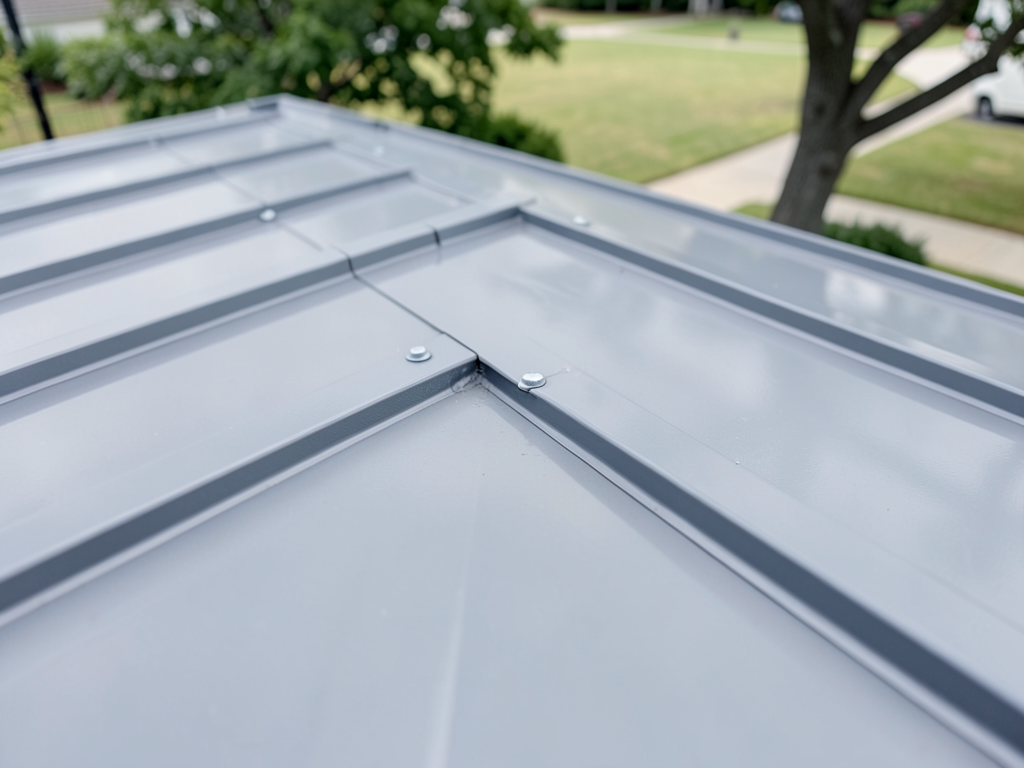
Comparing Standing Seam versus Screw Down Metal Roofs for Your Property in Luther
Choosing between standing seam and screw down metal roofs in Luther comes down to understanding how each system handles Oklahoma’s extreme weather. Standing seam uses concealed fasteners that allow panels to expand and contract without exposing screw holes to water intrusion. Screw down systems use exposed fasteners with neoprene washers that can degrade over time. For Luther properties facing high winds and hail, this comparison breaks down the critical differences in durability, cost, and long-term performance.
Comparison Table: Standing Seam versus Screw Down Metal Roofs
| Feature | Standing Seam | Screw Down |
|---|---|---|
| Fastener Type | Concealed clips | Exposed screws |
| Average Lifespan | 40-60 years | 15-25 years |
| Wind Rating | 140+ mph | 90-110 mph |
| Initial Cost per sq ft | $10-14 | $5-8 |
| Maintenance Frequency | Minimal | Every 5-7 years |
Understanding Standing Seam (Concealed Fasteners)
Standing seam metal roofing uses a clip system that attaches panels to the roof deck without penetrating the metal surface. This floating system allows for thermal movement as Oklahoma temperatures swing from 100°F summer heat to freezing winter nights. The raised seams lock together to create a water-shedding surface that handles hydrostatic pressure better than exposed fastener systems. Roofing Tulsa.
Local installers in the Luther area use 24-gauge steel panels with Kynar 500 finishes that resist UV degradation common in Oklahoma’s intense sunlight. The concealed fastener system eliminates the primary failure point of screw-down roofs where neoprene washers deteriorate after repeated thermal cycling. When wind speeds exceed 60 mph, standing seam panels lock together to resist uplift forces that would peel back exposed fastener systems. UL 2218 impact resistance testing.
Diagnostic Tip: Run your hand along a standing seam roof edge. You should feel smooth, continuous metal without any screw heads or washers. Any exposed fasteners indicate improper installation that will lead to leaks within 3-5 years in Oklahoma’s climate.
Understanding Screw Down (Exposed Fasteners)
Screw down metal roofing, also called exposed fastener or ag-panel roofing, uses self-tapping screws that penetrate through the metal panels into the roof deck. Each screw includes a neoprene washer that creates a water seal. Over time, these washers compress and crack from UV exposure and temperature changes, creating leak points. Roofing Norman.
In Luther’s climate, the 50°F temperature swings between day and night cause metal panels to expand and contract. This movement works against the screw holes, gradually enlarging them until water can penetrate. The rubber washers typically fail within 7-10 years, requiring a complete screw replacement to prevent leaks. What You Can Expect to Pay for a Roof Replacement in Edmond.
Many Luther property owners choose screw down for barns, workshops, and agricultural buildings where the lower initial cost outweighs long-term durability concerns. The system works well for structures that don’t require the wind uplift resistance of standing seam or where replacement costs can be absorbed more easily.
Performance in Oklahoma Weather: Wind and Hail
Oklahoma’s severe weather creates unique challenges for metal roofing systems. The state experiences over 500 severe hail events annually, with stones often exceeding 1.5 inches in diameter. Standing seam systems with UL 2218 Class 4 impact ratings can withstand hail impacts that would dent or puncture exposed fastener systems. Roofing Midwest City.
Wind uplift testing shows standing seam panels resist forces up to 180 mph when properly installed, while exposed fastener systems typically fail at 110-130 mph. During Oklahoma’s spring storm season, this difference determines whether panels stay attached or become dangerous projectiles. The concealed fastener system distributes wind loads across the entire panel rather than concentrating stress at individual screw points.
Field Observation: After the 2023 Luther tornado outbreak, properties with standing seam roofs showed minimal damage compared to neighboring structures with exposed fastener systems where panels peeled back at the seams, exposing underlayment to wind-driven rain.
The Cost Reality: Initial Investment versus Lifetime Value
Standing seam metal roofing costs approximately $10-14 per square foot installed in the Luther area, while screw down systems run $5-8 per square foot. The initial price difference of 40-60% can make screw down appear more attractive for budget-conscious property owners.
However, the total cost of ownership tells a different story. Standing seam systems typically last 40-60 years with minimal maintenance, while screw down roofs require complete screw replacement every 7-10 years at $2-3 per square foot. Over a 30-year period, the cumulative cost of screw down maintenance often exceeds the initial standing seam investment.
Oklahoma insurance companies increasingly recognize these durability differences. Properties with Class 4 impact-rated standing seam roofs may qualify for 10-15% premium discounts, while exposed fastener systems receive no weather-related credits. Some Luther area insurers now require impact-resistant roofing for new construction in high-risk zones.
Maintenance Requirements for OKC Homeowners
Screw down metal roofs require annual inspections to check washer integrity and tighten any loose screws. Oklahoma’s temperature fluctuations cause screws to back out over time, creating gaps that allow water infiltration. The rubber washers degrade from UV exposure, becoming brittle and cracking within 5-7 years even with proper installation.
Standing seam systems need minimal maintenance beyond keeping debris from accumulating in the seams. The concealed fastener system eliminates the primary failure point of exposed screws. However, the higher seams can trap leaves and pine needles, requiring occasional cleaning to prevent water damming during Oklahoma’s heavy spring rains.
Maintenance Schedule:
- Screw down: Inspect washers annually, replace all screws every 7-10 years
- Standing seam: Clean debris from seams every 2-3 years, inspect clips every 5 years
- Both systems: Check for loose fasteners after severe storms
Final Verdict: Which Should You Choose?
For Luther property owners, standing seam metal roofing represents the best long-term value for primary residences, commercial buildings, and any structure where durability matters. The concealed fastener system handles Oklahoma’s temperature extremes and severe weather better than exposed fastener alternatives. While the initial investment is higher, the 40-60 year lifespan and minimal maintenance requirements provide superior lifetime value.
Screw down metal roofing remains appropriate for agricultural buildings, workshops, and other structures where the lower initial cost justifies more frequent maintenance and replacement. The system works well for properties that don’t require the wind uplift resistance of standing seam or where budget constraints make the higher upfront cost prohibitive.
Property-Specific Recommendations:
- Primary residence: Standing seam for durability and insurance benefits
- Agricultural buildings: Screw down for cost-effectiveness
- Commercial properties: Standing seam for wind resistance and longevity
- Workshops: Screw down if budget is primary concern
Frequently Asked Questions
How long does standing seam metal roofing last in Oklahoma?
Properly installed standing seam metal roofing lasts 40-60 years in Oklahoma’s climate. The concealed fastener system handles thermal expansion better than exposed fastener alternatives, and high-quality finishes resist UV degradation from intense summer sun. High Quality Residential Roofing Services in The Village.
Can I walk on a metal roof in Luther?
Yes, but with caution. Standing seam roofs can support foot traffic when walking on the raised seams. Screw down systems require walking only on the flat areas between screws to avoid damaging the panels or creating new leak points.
Does metal roofing attract lightning?
No. Metal roofing does not increase lightning strike risk. If lightning does strike, metal conducts electricity safely to the ground without igniting, unlike wood or asphalt shingles which can catch fire.
Call (405) 507-3933 for Your Metal Roofing Consultation
Ready to upgrade your Luther property with the right metal roofing system? Our team understands Oklahoma’s unique weather challenges and can help you choose between standing seam and screw down options based on your specific needs and budget. Call (405) 507-3933 today to schedule your free consultation and protect your property for decades to come. For more information, visit Energy.gov metal roof guide.