
Fire Resistant Roofing Options for Homes Bordering Rural Grasslands in Choctaw and Harrah
Homeowners in Choctaw and Harrah face unique fire risks from Oklahoma’s expansive grasslands. During dry seasons, embers from grass fires can travel miles on high winds, threatening homes in the urban-wildland interface. Choosing the right fire-resistant roofing system isn’t just about safety—it’s about protecting your family and potentially lowering your insurance premiums. Oklahoma Department of Agriculture, Food and Forestry wildfire risk maps.
Class A fire-rated roofing materials provide the highest level of protection against severe fire exposure. These materials can withstand extreme heat and prevent ember intrusion through the roof deck. In Oklahoma’s climate, where temperatures regularly exceed 100°F and winds can gust over 60 mph during storm season, fire resistance must be paired with impact protection against hail and wind-driven debris. UL 790 Standard for Fire Tests of Roof Coverings.
Understanding Fire Ratings: Class A vs. Class B and Class C
Fire ratings follow standardized testing procedures established by Underwriters Laboratories (UL). Class A represents the highest level of fire resistance, followed by Class B and Class C. Class A materials can withstand severe fire exposure without igniting, while Class B materials handle moderate exposure and Class C materials provide only light protection.
The UL 790 standard tests roofing materials using three different fire exposure methods: flying brand ignition, intermittent flame, and burning brand. Class A materials must pass all three tests with minimal flame spread and no structural failure. For homes in Choctaw and Harrah, Class A represents the minimum acceptable standard given the proximity to grassland fire sources. Roofing Tulsa.
Beyond the roofing material itself, the entire assembly must achieve Class A rating. This includes the underlayment, decking, and any penetrations through the roof surface. A Class A shingle installed over combustible decking does not provide Class A protection for the entire assembly. Roofing Norman.
Best Fire-Resistant Materials for Oklahoma’s Climate
Stone-coated steel roofing offers exceptional fire resistance while maintaining durability against Oklahoma’s severe weather. These panels consist of a steel core with stone granules bonded to the surface, creating a Class A fire rating. The steel core prevents ignition from embers, while the stone coating provides UV protection and aesthetic appeal similar to traditional shingles. Roofing Midwest City.
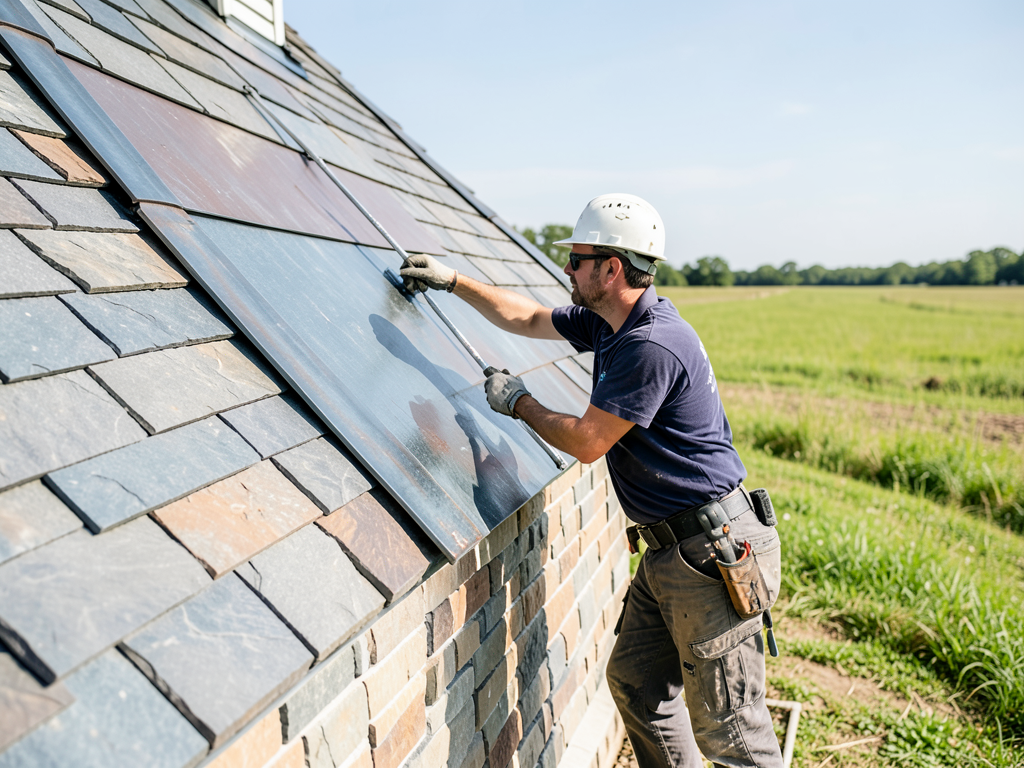
Synthetic slate roofing provides Class A fire resistance with the appearance of natural slate but at a fraction of the weight. Made from polymer materials, synthetic slate won’t crack from Oklahoma’s temperature fluctuations and resists both fire and impact damage. The material weighs approximately 150 pounds per square, compared to 800-1,200 pounds for natural slate.
Clay and concrete tiles achieve Class A ratings through their inherent non-combustible properties. These materials excel in fire resistance but require structural reinforcement due to their weight—typically 900-1,200 pounds per square. In Choctaw and Harrah’s expansive clay soil conditions, the additional weight must be carefully evaluated against potential foundation movement.
Standing seam metal roofing provides Class A fire resistance with excellent wind uplift performance. The interlocking panels create a continuous surface that prevents ember intrusion through seams. When properly installed with non-combustible underlayment, standing seam metal achieves superior performance in both fire and wind resistance tests.. Read more about Comparing Standing Seam versus Screw Down Metal Roofs for Your Property in Luther.
Oklahoma Wildfire Risk and Urban Interface Compliance
The Oklahoma Department of Agriculture, Food and Forestry maintains wildfire risk maps showing high-hazard areas throughout the state. Choctaw and Harrah fall within zones where rural grasslands meet suburban development, creating conditions for rapid fire spread during dry seasons. The Oklahoma Uniform Building Code Commission (OUBCC) references International Wildland-Urban Interface (WUI) standards for new construction in these areas.
WUI compliance requires specific construction methods beyond roofing materials. Roof assemblies must include non-combustible underlayment extending at least 36 inches up from the roof edge. Eaves and soffits require fire-resistant materials with proper ventilation to prevent ember intrusion. Attic vents must use 1/8-inch metal mesh screens to block embers while maintaining airflow.
Oklahoma’s fire season typically runs from February through May, with peak risk during March and April when winds are strongest and vegetation is driest. Lightning strikes during spring thunderstorms create additional ignition sources in rural areas. Homes with fire-resistant roofing systems experience significantly lower damage rates during these seasonal fire events.
Insurance Benefits and Premium Reduction Opportunities
The Oklahoma Department of Insurance recognizes Class A fire-rated roofing materials for premium discounts. Homeowners who upgrade from Class C to Class A roofing can see premium reductions of 5-15% depending on their insurance carrier and specific location. Properties in high-risk wildfire zones may qualify for additional credits when combining fire-resistant roofing with other mitigation measures.
Insurance companies evaluate multiple factors when determining fire resistance credits. The roofing material’s UL classification, the entire assembly’s fire rating, and the presence of non-combustible underlayment all contribute to the discount calculation. Some carriers require documentation from certified inspectors verifying the installation meets Class A standards.
Beyond direct premium discounts, fire-resistant roofing can reduce insurance deductibles for fire-related claims. Some policies offer lower deductibles for homes with documented Class A roofing systems, potentially saving thousands in out-of-pocket costs if damage occurs. The investment in fire-resistant materials often pays for itself through insurance savings within 7-10 years.
Installation Process and Code Compliance
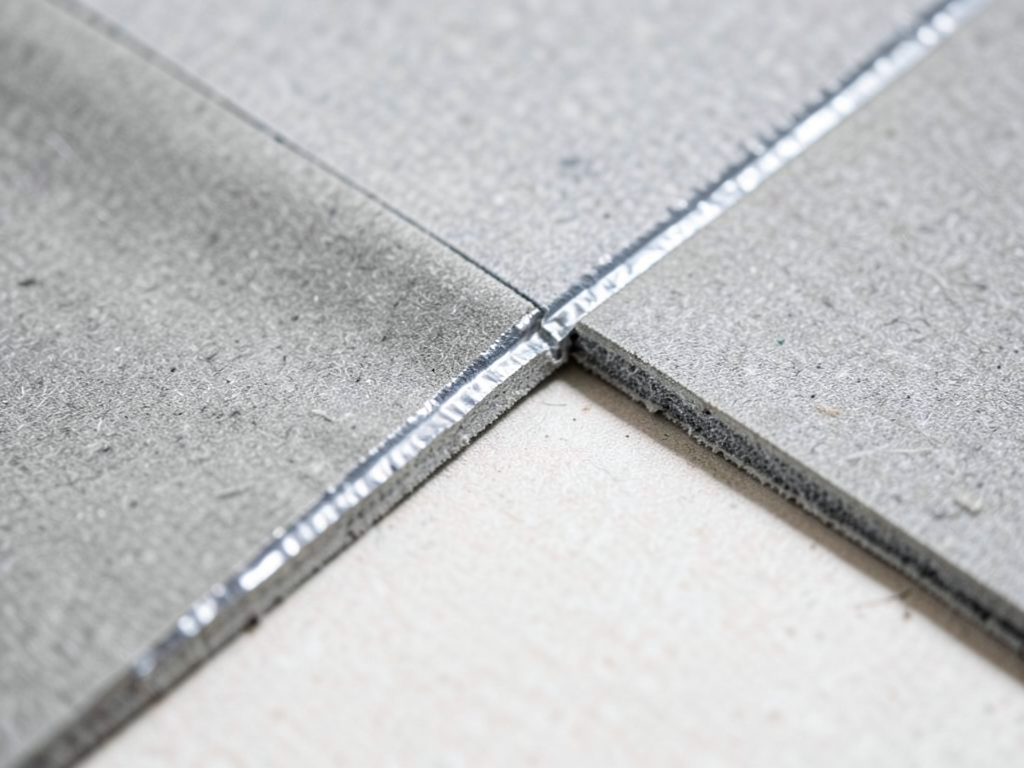
Proper installation of fire-resistant roofing requires specific techniques to maintain the Class A rating. The process begins with evaluating the existing roof deck for structural integrity and fire resistance. Wood decking must be covered with approved non-combustible underlayment, typically a fiberglass-reinforced base sheet meeting ASTM D226 Type II standards.
Installation sequence follows strict protocols to prevent gaps where embers could penetrate. Underlayment installation requires overlapping seams by at least 4 inches and sealing all edges with approved adhesive. For metal roofing systems, all fasteners must use corrosion-resistant screws with neoprene washers to prevent water infiltration that could compromise fire resistance over time.
Flashing details require special attention in fire-resistant installations. Metal flashing must extend up walls at least 6 inches and overlap roof materials by 4 inches. Valley flashing uses continuous metal panels rather than pieced installations to eliminate potential ember entry points. All penetrations through the roof surface require fire-rated boots or collars.
Post-installation inspection verifies Class A compliance through several diagnostic tests. Inspectors use infrared thermography to identify gaps in underlayment coverage. Smoke tests check for air infiltration through the assembly. Final documentation includes UL classification certificates and manufacturer installation specifications.
Maintenance Requirements for Fire-Resistant Systems
Fire-resistant roofing systems require specific maintenance to preserve their protective properties. Annual inspections check for damage from Oklahoma’s severe weather, particularly hail impacts that could compromise the fire-resistant assembly. Even small punctures in underlayment can allow ember intrusion during grass fires.
Gutter maintenance becomes critical for fire protection. Debris accumulation in gutters provides fuel for ember ignition. Fire-resistant homes require gutter guards or more frequent cleaning schedules, especially during fall when leaves and pine needles accumulate. Some homeowners install non-combustible gutter systems as an additional protective measure.
Attic ventilation systems need regular inspection to ensure screens remain intact. Metal mesh screens can rust or become damaged by animals, creating openings for ember entry. Replacement screens should use stainless steel mesh with openings no larger than 1/8 inch to maintain fire resistance while allowing proper ventilation. What You Can Expect to Pay for a Roof Replacement in Edmond.
Surrounding vegetation management complements the fire-resistant roof. Maintaining defensible space of at least 30 feet around structures reduces the likelihood of direct flame contact. This includes removing dead vegetation, pruning tree branches away from roof edges, and using non-combustible mulch materials near the foundation.
Cost Comparison and Return on Investment
Fire-resistant roofing materials typically cost 20-40% more than standard asphalt shingles initially. Stone-coated steel panels range from $400-600 per square installed, while premium asphalt shingles cost $250-350 per square. However, the total cost comparison must include insurance savings, potential hail damage reduction, and extended material lifespan.
Material longevity significantly impacts return on investment calculations. Class A fire-resistant materials often last 40-50 years compared to 15-20 years for standard asphalt shingles in Oklahoma’s climate. This extended lifespan reduces replacement frequency and associated labor costs. Some metal roofing systems carry 50-year warranties against manufacturing defects.
Energy efficiency provides additional financial benefits. Many fire-resistant materials, particularly metal and light-colored tiles, reflect more solar radiation than dark asphalt shingles. This reflection can reduce cooling costs by 10-25% during Oklahoma’s hot summers, providing ongoing utility savings throughout the system’s lifespan.
Property value impacts vary by neighborhood but generally favor fire-resistant materials. Homes in wildfire-prone areas often sell faster and at higher prices when equipped with Class A roofing. Appraisers increasingly recognize fire-resistant features as valuable improvements, particularly in Choctaw and Harrah where grassland fire risks are well-documented.
Frequently Asked Questions
Does Class A roofing guarantee my home won’t burn in a grass fire?
Class A roofing provides the highest level of fire resistance but cannot guarantee complete protection. The rating indicates the material’s performance under controlled test conditions. Real-world protection depends on the entire assembly, surrounding vegetation management, and other building features. Class A roofing significantly improves survival odds but should be part of a comprehensive fire protection strategy.
How long does installation of fire-resistant roofing take?
Installation typically requires 2-4 days for an average home, depending on roof complexity and weather conditions. The process includes removal of existing roofing, inspection and preparation of the deck, underlayment installation, and the new roofing system. Additional time may be needed for structural reinforcement if switching to heavier materials like tile.
Can I install fire-resistant roofing over my existing shingles?
Most fire-resistant systems require complete removal of existing roofing to ensure proper underlayment installation and maintain Class A ratings. Installing over existing materials can create ventilation issues and prevent proper inspection of the roof deck. Some metal systems offer specific installation-over options, but these typically don’t achieve Class A ratings.
Will my homeowners insurance cover the cost of upgrading to fire-resistant roofing?
Standard homeowners insurance policies don’t cover voluntary upgrades to fire-resistant materials. However, some carriers offer premium discounts that can offset the additional cost over time. If the upgrade is required by local building codes or insurance companies after a loss, partial coverage may be available under specific policy provisions. Why Local Nichols Hills Residents Choose Our Luxury Roofing Team.
What maintenance is required to keep the Class A rating valid?
Maintaining Class A ratings requires annual inspections to check for damage, proper gutter maintenance to prevent debris accumulation, and intact attic ventilation screens. Any repairs must use approved materials and methods to preserve the fire rating. Documentation of maintenance may be required for insurance premium credits.
Making the Right Choice for Your Home
Selecting fire-resistant roofing involves balancing multiple factors: fire protection needs, budget constraints, structural requirements, and aesthetic preferences. Homes in Choctaw and Harrah’s grassland interface areas benefit most from Class A materials, but the specific choice depends on your home’s architecture, existing structure, and long-term plans.
Professional evaluation helps identify the most appropriate system for your specific situation. Factors like roof pitch, existing decking condition, and neighborhood architectural standards all influence the optimal choice. A qualified contractor can provide detailed cost-benefit analysis comparing different Class A options for your home.
The peace of mind from enhanced fire protection often justifies the initial investment. Knowing your home has the highest level of fire resistance provides security for your family and protection for your most valuable asset. Combined with potential insurance savings and extended material life, fire-resistant roofing represents a sound long-term investment.
Ready to protect your Choctaw or Harrah home with Class A fire-resistant roofing? Call (405) 507-3933 today to schedule your free inspection and consultation. Our experienced team understands Oklahoma’s unique fire risks and can recommend the best system for your specific needs. Don’t wait until fire season arrives—secure your home’s protection now.
{
“@context”: “https://schema.org”,
“@type”: “BlogPosting”,
“headline”: “Fire Resistant Roofing Options for Homes Bordering Rural Grasslands in Choctaw and Harrah”,
“description”: “Protect your Choctaw or Harrah home with Class A fire-rated roofing. Learn about ember-resistant materials and insurance savings for Oklahoma’s wildfire zones.”,
“wordCount”: 1958,
“datePublished”: “2026-05-25T07:10:00.000Z”,
“dateModified”: “2026-05-25T07:10:00.000Z”,
“inLanguage”: “en-US”,
“mainEntityOfPage”: {
“@type”: “WebPage”,
“@id”: “https://unitedroofingoklahomacity.com”
},
“publisher”: {
“@type”: “LocalBusiness”,
“name”: “United Roofing Oklahoma City”,
“url”: “https://unitedroofingoklahomacity.com”
},
“author”: {
“@type”: “Organization”,
“name”: “United Roofing Oklahoma City”,
“url”: “https://unitedroofingoklahomacity.com”
},
“image”: {
“@type”: “ImageObject”,
“url”: “https://unitedroofingoklahomacity.com/wp-content/uploads/2026/03/fire-resistant-roofing-options-for-homes-bordering-1.png”
}
}
{
“@context”: “https://schema.org”,
“@type”: “RoofingContractor”,
“name”: “United Roofing Oklahoma City”,
“url”: “https://unitedroofingoklahomacity.com”,
“address”: {
“@type”: “PostalAddress”,
“addressLocality”: “Oklahoma City”
},
“areaServed”: {
“@type”: “City”,
“name”: “Oklahoma City”
}
}
{
“@context”: “https://schema.org”,
“@type”: “FAQPage”,
“mainEntity”: [
{
“@type”: “Question”,
“name”: “Does Class A roofing guarantee my home won’t burn in a grass fire?”,
“acceptedAnswer”: {
“@type”: “Answer”,
“text”: “Class A roofing provides the highest level of fire resistance but cannot guarantee complete protection. The rating indicates the material’s performance under controlled test conditions. Real-world protection depends on the entire assembly, surrounding vegetation management, and other building features. Class A roofing significantly improves survival odds but should be part of a comprehensive fire protection strategy.”
}
},
{
“@type”: “Question”,
“name”: “How long does installation of fire-resistant roofing take?”,
“acceptedAnswer”: {
“@type”: “Answer”,
“text”: “Installation typically requires 2-4 days for an average home, depending on roof complexity and weather conditions. The process includes removal of existing roofing, inspection and preparation of the deck, underlayment installation, and the new roofing system. Additional time may be needed for structural reinforcement if switching to heavier materials like tile.”
}
},
{
“@type”: “Question”,
“name”: “Can I install fire-resistant roofing over my existing shingles?”,
“acceptedAnswer”: {
“@type”: “Answer”,
“text”: “Most fire-resistant systems require complete removal of existing roofing to ensure proper underlayment installation and maintain Class A ratings. Installing over existing materials can create ventilation issues and prevent proper inspection of the roof deck. Some metal systems offer specific installation-over options, but these typically don’t achieve Class A ratings.”
}
},
{
“@type”: “Question”,
“name”: “Will my homeowners insurance cover the cost of upgrading to fire-resistant roofing?”,
“acceptedAnswer”: {
“@type”: “Answer”,
“text”: “Standard homeowners insurance policies don’t cover voluntary upgrades to fire-resistant materials. However, some carriers offer premium discounts that can offset the additional cost over time. If the upgrade is required by local building codes or insurance companies after a loss, partial coverage may be available under specific policy provisions. Why Local Nichols Hills Residents Choose Our Luxury Roofing Team.”
}
},
{
“@type”: “Question”,
“name”: “What maintenance is required to keep the Class A rating valid?”,
“acceptedAnswer”: {
“@type”: “Answer”,
“text”: “Maintaining Class A ratings requires annual inspections to check for damage, proper gutter maintenance to prevent debris accumulation, and intact attic ventilation screens. Any repairs must use approved materials and methods to preserve the fire rating. Documentation of maintenance may be required for insurance premium credits.”
}
}
]
}
{
“@context”: “https://schema.org”,
“@type”: “BreadcrumbList”,
“itemListElement”: [
{
“@type”: “ListItem”,
“position”: 1,
“name”: “Home”,
“item”: “https://unitedroofingoklahomacity.com”
},
{
“@type”: “ListItem”,
“position”: 2,
“name”: “Blog”,
“item”: “https://unitedroofingoklahomacity.com/blog”
},
{
“@type”: “ListItem”,
“position”: 3,
“name”: “Fire Resistant Roofing Options for Homes Bordering Rural Grasslands in Choctaw and Harrah”
}
]
}
{
“@context”: “https://schema.org”,
“@type”: “Service”,
“serviceType”: “Roofing”,
“provider”: {
“@type”: “LocalBusiness”,
“name”: “United Roofing Oklahoma City”,
“url”: “https://unitedroofingoklahomacity.com”
},
“areaServed”: {
“@type”: “City”,
“name”: “Oklahoma City”
},
“description”: “Protect your Choctaw or Harrah home with Class A fire-rated roofing. Learn about ember-resistant materials and insurance savings for Oklahoma’s wildfire zones.”
}