
How to Qualify for Energy Tax Credits with a Cool Roof Installation in Oklahoma City
Homeowners in Oklahoma City can save money on both energy bills and federal taxes by installing a cool roof that meets specific energy efficiency standards. The federal Energy Efficient Home Improvement Credit under Section 25C of the Internal Revenue Code offers up to $1,200 annually for qualifying roofing materials that reduce heat absorption and lower cooling costs during Oklahoma’s brutal summers. Energy Star certified roofing products.
This credit applies to roofs installed between 2023 and 2032 that meet Energy Star certification requirements or achieve specific solar reflectance index (SRI) ratings. Metal roofing with appropriate coatings and certain reflective asphalt shingles qualify, while traditional dark shingles do not. Homeowners must keep manufacturer certification statements and file IRS Form 5695 with their tax returns to claim the credit. IRS Form 5695.
Beyond federal credits, Oklahoma City residents may qualify for additional savings through OG&E’s Home Energy Efficiency Program and local utility rebates. The combination of reduced energy consumption, federal tax credits, and utility incentives can offset 30-40% of a cool roof installation cost while improving home comfort during Oklahoma’s 100-degree summer days. Why Local Nichols Hills Residents Choose Our Luxury Roofing Team.
Understanding the Energy Efficient Home Improvement Credit in Oklahoma
The federal Energy Efficient Home Improvement Credit provides up to $1,200 per year for qualifying energy efficiency improvements, with specific caps for roofing materials. For 2024 and 2025, homeowners can claim 30% of the cost of qualifying roofing materials, up to a maximum of $600 for roofs specifically. Roofing Tulsa.
To qualify, roofing materials must meet Energy Star certification requirements or achieve a minimum solar reflectance index (SRI) rating of 29 for low-sloped roofs or 25 for steep-sloped roofs. The Cool Roof Rating Council (CRRC) maintains the official database of qualifying products and their tested performance ratings. Roofing Norman.
Oklahoma City’s climate makes cool roofs particularly effective. The city experiences an average of 235 sunny days per year, with summer temperatures regularly exceeding 95°F. A properly installed cool roof can reduce roof surface temperatures by 50-60°F compared to traditional dark roofing materials, directly translating to lower air conditioning costs during peak cooling season.. Read more about Roofing Options for Your New Accessory Dwelling Unit or Backyard Office in the Wheeler District.
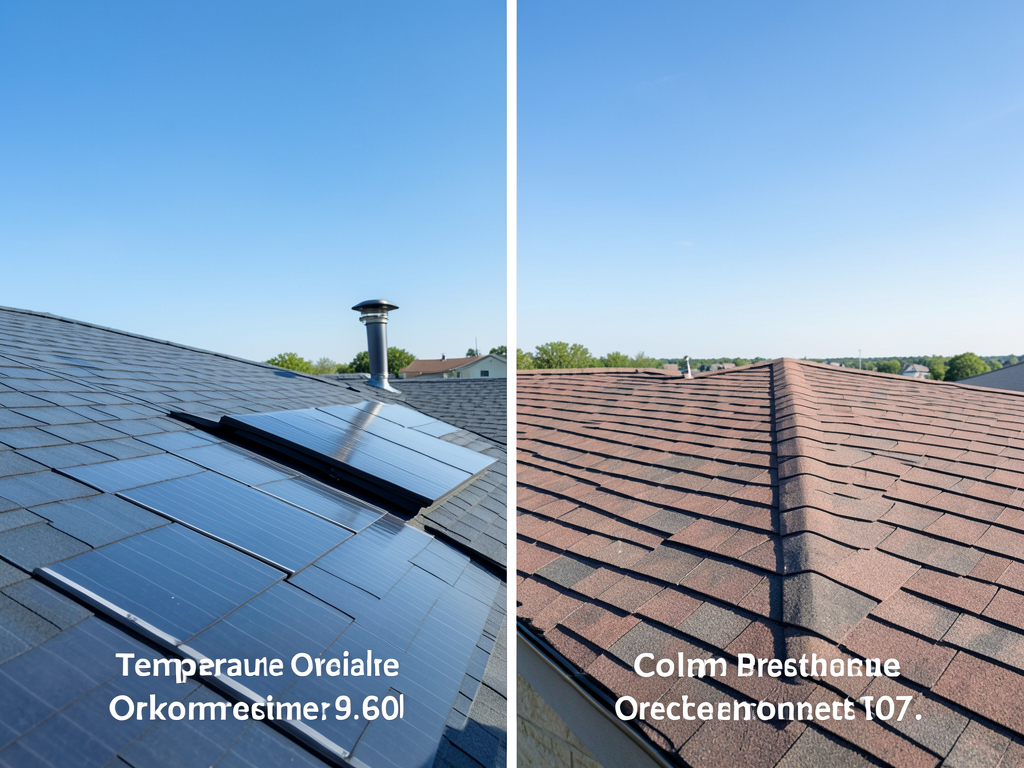
Diagram showing temperature differences between cool and traditional roofing materials during Oklahoma summer conditions
Which Roofing Materials Qualify for Tax Credits in OKC?
Several roofing material categories qualify for the federal tax credit when they meet specific energy efficiency standards. Understanding these categories helps homeowners make informed decisions about their roofing investment.
Metal Roofing vs. Reflective Asphalt Shingles
Metal roofing with factory-applied cool roof coatings qualifies for the tax credit when the coating achieves the required SRI rating. These coatings typically contain specialized pigments that reflect infrared radiation while maintaining aesthetic appeal. Standing seam metal roofs with cool roof coatings can achieve SRI ratings above 40, well exceeding minimum requirements.
Reflective asphalt shingles represent another qualifying option. These shingles contain ceramic granules with reflective properties that bounce solar radiation away from the roof surface. Major manufacturers like GAF, Owens Corning, and CertainTeed offer Energy Star certified asphalt shingles specifically designed for hot climates like Oklahoma’s.
The choice between metal and reflective asphalt often depends on budget and aesthetic preferences. Metal roofing typically costs 30-50% more than premium asphalt shingles but offers superior durability and energy performance. Both materials qualify for the same tax credit when they meet certification requirements.
The Role of Attic Insulation and Ventilation
While roofing materials receive the most attention, attic insulation and ventilation improvements can also qualify for energy tax credits under different sections of the Energy Efficient Home Improvement Credit. Adding or upgrading attic insulation to meet current Oklahoma Uniform Building Code Commission (OUBCC) requirements can provide additional tax benefits.
Oklahoma City’s building codes require R-38 insulation in attic floors for new construction. Many older homes have insulation levels between R-19 and R-30, creating opportunities for efficiency improvements. The tax credit covers 30% of insulation costs up to $1,200 annually, separate from roofing material credits.
Proper attic ventilation works synergistically with cool roofing materials. Solar-powered attic fans and ridge vents improve air circulation, reducing heat buildup that can negate some cool roof benefits. While ventilation improvements don’t qualify for the roofing tax credit, they enhance overall energy performance and may qualify under different credit categories.
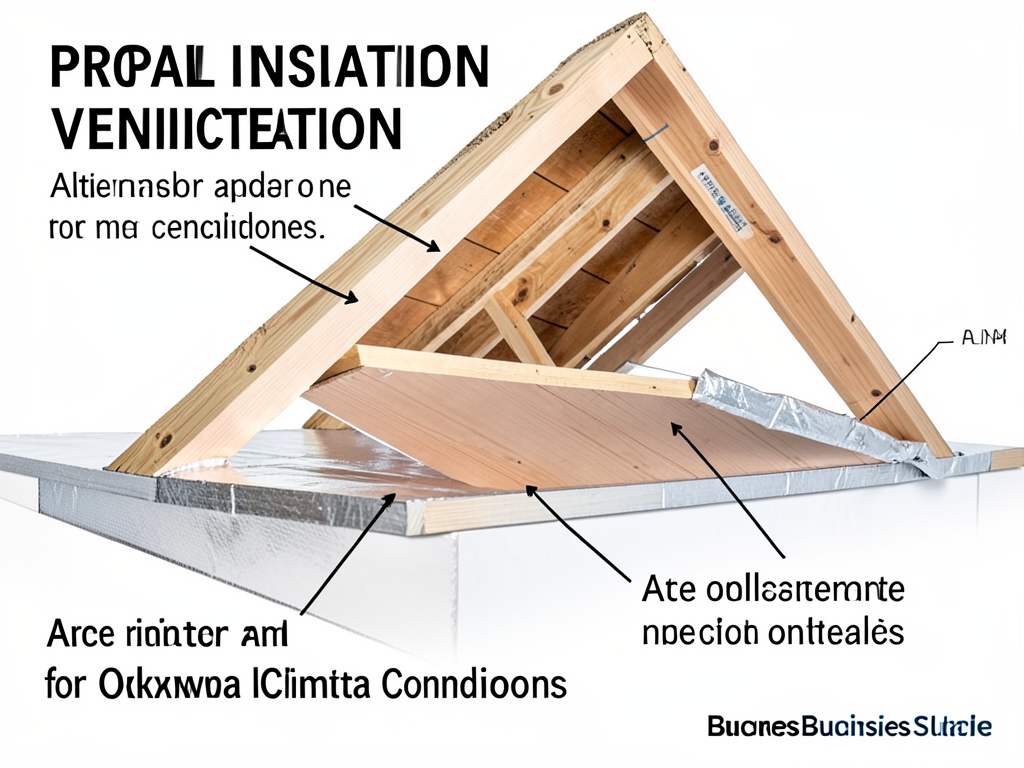
Cross-section diagram showing proper attic insulation and ventilation installation for Oklahoma climate conditions
How Much Can OKC Homeowners Save?
The financial benefits of cool roof installations extend beyond tax credits. Oklahoma City homeowners can expect to save $200-400 annually on cooling costs with a properly installed cool roof, depending on home size and energy usage patterns. During peak summer months, cool roofs can reduce air conditioning runtime by 10-15%. What You Can Expect to Pay for a Roof Replacement in Edmond.
Federal tax credits provide immediate financial benefits. A $10,000 cool roof installation with qualifying materials would generate a $600 tax credit (30% of material costs up to the $600 cap). Combined with energy savings of $300-400 per year, the effective payback period shortens significantly compared to traditional roofing options.
Local utility incentives add another layer of savings. OG&E offers rebates of $0.05-0.10 per square foot for cool roof installations that meet specific energy efficiency criteria. For a typical 2,000-square-foot roof, this translates to an additional $100-200 in utility rebates, further reducing the net installation cost.
Step-by-Step Guide to Claiming Your Credit on Federal Taxes
Successfully claiming the energy tax credit requires proper documentation and following specific IRS procedures. Missing documentation can result in denied claims and lost savings opportunities.
- Verify Material Eligibility
Before installation, confirm that your chosen roofing materials meet Energy Star certification or CRRC SRI requirements. Request manufacturer certification statements that document compliance with federal standards.
- Document All Costs
Keep detailed records of all material and installation costs. The tax credit applies only to qualifying materials, not labor costs. Separate material and labor costs on your invoices for accurate credit calculation.
- Complete IRS Form 5695
Download and complete IRS Form 5695, Residential Energy Credits. Enter roofing material costs in the appropriate section for energy-efficient building envelope components. Calculate the 30% credit up to the $600 maximum for roofing materials. High Quality Residential Roofing Services in The Village.
- Gather Supporting Documentation
Assemble manufacturer certifications, product data sheets, and detailed invoices. Include CRRC rating certificates if available. These documents substantiate your claim if the IRS requests verification.
- File with Your Tax Return
Attach Form 5695 to your federal tax return (Form 1040). Keep all supporting documentation in your tax records for at least three years in case of audit.
Local Oklahoma City Incentives: OG&E Rebates and More
Oklahoma City homeowners can stack multiple incentives to maximize their cool roof investment returns. Beyond federal tax credits, local programs provide additional financial benefits.
OG&E’s Home Energy Efficiency Program offers rebates for qualifying energy efficiency improvements, including cool roof installations. The program requires third-party energy audits to verify improvements and calculate potential energy savings. Rebates typically range from $100-300 per project, depending on the scope of work and documented energy savings.
The Oklahoma Department of Environmental Quality occasionally offers additional incentives for energy efficiency projects that reduce urban heat island effects. These programs vary by year and funding availability but can provide matching grants for qualifying cool roof installations in commercial or multi-family residential properties.
Local roofing contractors familiar with federal and state incentive programs can help navigate the application processes. Some contractors handle rebate paperwork as part of their service, simplifying the process for homeowners who want to maximize their savings without dealing with complex application forms.
Photo showing a completed cool roof installation with proper underlayment and ventilation components
Frequently Asked Questions
Do I need a professional energy audit to qualify for cool roof tax credits?
No, professional energy audits are not required for federal tax credits. However, they may be necessary for certain local utility rebates or state incentive programs. The federal credit only requires manufacturer certification that materials meet Energy Star or CRRC standards.
Can I claim the tax credit if I’m replacing a roof that’s less than 10 years old?
Yes, there’s no minimum age requirement for roof replacement to qualify for tax credits. The credit applies to qualifying materials installed during the 2023-2032 period, regardless of your current roof’s age. However, replacing a relatively new roof may not provide optimal return on investment compared to waiting until replacement is necessary.
What happens if I sell my home after installing a cool roof that qualified for tax credits?
The tax credit is a one-time benefit for the homeowner who installs the qualifying materials. If you sell your home, the new owner cannot claim the credit, but they will continue to benefit from reduced energy costs. The credit is not transferable or prorated based on ownership duration.
Are rental properties eligible for cool roof tax credits?
Yes, rental properties qualify for the same tax credits as primary residences when the owner installs qualifying materials. However, the credit calculation may differ slightly for business properties. Consult with a tax professional to understand specific implications for rental property investments.
How long does it take to receive the tax credit after filing?
The tax credit reduces your tax liability dollar-for-dollar in the year you claim it. If the credit exceeds your tax liability, you can carry forward the remaining amount to future tax years (subject to annual limitations). You’ll see the benefit when you file your tax return, not as a separate refund.
Making the Right Choice for Your Oklahoma City Home
Choosing the right cool roof involves balancing energy performance, aesthetic preferences, and budget constraints. Oklahoma City’s unique climate characteristics should guide your decision-making process.
The city’s location in Tornado Alley means any roofing system must withstand high winds and potential hail damage. Look for materials with high impact resistance ratings (Class 4 is ideal) that also meet cool roof performance standards. Some manufacturers offer products that combine both durability and energy efficiency.. Read more about Why Your HVAC System Might Not Be Broken (It Might Just Be a Roof Ventilation Problem).
Consider your home’s architectural style when selecting cool roof materials. Traditional brick ranch homes in neighborhoods like Nichols Hills or The Village may look best with certain color palettes and material textures. Modern homes in newer developments can accommodate more contemporary cool roof options.
Professional installation is crucial for cool roof performance. Even the best materials won’t deliver promised energy savings if installed incorrectly. Choose contractors with specific experience in cool roof installations and request references from previous cool roof projects in the Oklahoma City area.
Ready to start saving on energy bills and qualify for tax credits? Call (405) 507-3933 today to schedule your free cool roof consultation. Our Oklahoma City roofing experts will evaluate your home, explain your options, and help you maximize available incentives.
Don’t wait until summer heat drives your energy bills through the roof. Pick up the phone and call (405) 507-3933 before the next storm hits. We’ll help you choose the perfect cool roof solution that qualifies for federal tax credits and keeps your Oklahoma City home comfortable year-round.
You may also find this helpful. Solving Recurring Leaks in Multi-Unit Strip Malls and Shopping Centers in North OKC.
{
“@context”: “https://schema.org”,
“@type”: “BlogPosting”,
“headline”: “How to Qualify for Energy Tax Credits with a Cool Roof Installation in Oklahoma City”,
“description”: “Learn how Oklahoma City homeowners can qualify for federal energy tax credits with cool roof installations. Get the facts on eligible materials, IRS requirements, and local incentives.”,
“wordCount”: 1842,
“datePublished”: “2026-05-10T08:48:00.000Z”,
“dateModified”: “2026-05-10T08:48:00.000Z”,
“inLanguage”: “en-US”,
“mainEntityOfPage”: {
“@type”: “WebPage”,
“@id”: “https://unitedroofingoklahomacity.com”
},
“publisher”: {
“@type”: “LocalBusiness”,
“name”: “United Roofing Oklahoma City”,
“url”: “https://unitedroofingoklahomacity.com”
},
“author”: {
“@type”: “Organization”,
“name”: “United Roofing Oklahoma City”,
“url”: “https://unitedroofingoklahomacity.com”
},
“image”: {
“@type”: “ImageObject”,
“url”: “https://unitedroofingoklahomacity.com/wp-content/uploads/2026/03/how-to-qualify-for-energy-tax-credits-with-a-cool-1.png”
}
}
{
“@context”: “https://schema.org”,
“@type”: “RoofingContractor”,
“name”: “United Roofing Oklahoma City”,
“url”: “https://unitedroofingoklahomacity.com”,
“address”: {
“@type”: “PostalAddress”,
“addressLocality”: “Oklahoma City”
},
“areaServed”: {
“@type”: “City”,
“name”: “Oklahoma City”
}
}
{
“@context”: “https://schema.org”,
“@type”: “FAQPage”,
“mainEntity”: [
{
“@type”: “Question”,
“name”: “Which Roofing Materials Qualify for Tax Credits in OKC?”,
“acceptedAnswer”: {
“@type”: “Answer”,
“text”: “Several roofing material categories qualify for the federal tax credit when they meet specific energy efficiency standards. Understanding these categories helps homeowners make informed decisions about their roofing investment.”
}
},
{
“@type”: “Question”,
“name”: “How Much Can OKC Homeowners Save?”,
“acceptedAnswer”: {
“@type”: “Answer”,
“text”: “The financial benefits of cool roof installations extend beyond tax credits. Oklahoma City homeowners can expect to save $200-400 annually on cooling costs with a properly installed cool roof, depending on home size and energy usage patterns. During peak summer months, cool roofs can reduce air conditioning runtime by 10-15%. What You Can Expect to Pay for a Roof Replacement in Edmond.”
}
},
{
“@type”: “Question”,
“name”: “Do I need a professional energy audit to qualify for cool roof tax credits?”,
“acceptedAnswer”: {
“@type”: “Answer”,
“text”: “No, professional energy audits are not required for federal tax credits. However, they may be necessary for certain local utility rebates or state incentive programs. The federal credit only requires manufacturer certification that materials meet Energy Star or CRRC standards.”
}
},
{
“@type”: “Question”,
“name”: “Can I claim the tax credit if I’m replacing a roof that’s less than 10 years old?”,
“acceptedAnswer”: {
“@type”: “Answer”,
“text”: “Yes, there’s no minimum age requirement for roof replacement to qualify for tax credits. The credit applies to qualifying materials installed during the 2023-2032 period, regardless of your current roof’s age. However, replacing a relatively new roof may not provide optimal return on investment compared to waiting until replacement is necessary.”
}
},
{
“@type”: “Question”,
“name”: “What happens if I sell my home after installing a cool roof that qualified for tax credits?”,
“acceptedAnswer”: {
“@type”: “Answer”,
“text”: “The tax credit is a one-time benefit for the homeowner who installs the qualifying materials. If you sell your home, the new owner cannot claim the credit, but they will continue to benefit from reduced energy costs. The credit is not transferable or prorated based on ownership duration.”
}
},
{
“@type”: “Question”,
“name”: “Are rental properties eligible for cool roof tax credits?”,
“acceptedAnswer”: {
“@type”: “Answer”,
“text”: “Yes, rental properties qualify for the same tax credits as primary residences when the owner installs qualifying materials. However, the credit calculation may differ slightly for business properties. Consult with a tax professional to understand specific implications for rental property investments.”
}
},
{
“@type”: “Question”,
“name”: “How long does it take to receive the tax credit after filing?”,
“acceptedAnswer”: {
“@type”: “Answer”,
“text”: “The tax credit reduces your tax liability dollar-for-dollar in the year you claim it. If the credit exceeds your tax liability, you can carry forward the remaining amount to future tax years (subject to annual limitations). You’ll see the benefit when you file your tax return, not as a separate refund.”
}
}
]
}
{
“@context”: “https://schema.org”,
“@type”: “HowTo”,
“name”: “How to Claim Energy Tax Credits”,
“step”: [
{
“@type”: “HowToStep”,
“position”: 1,
“name”: “Verify Material Eligibility”,
“text”: “Before installation, confirm that your chosen roofing materials meet Energy Star certification or CRRC SRI requirements. Request manufacturer certification statements that document compliance with federal standards.”
},
{
“@type”: “HowToStep”,
“position”: 2,
“name”: “Document All Costs”,
“text”: “Keep detailed records of all material and installation costs. The tax credit applies only to qualifying materials, not labor costs. Separate material and labor costs on your invoices for accurate credit calculation.”
},
{
“@type”: “HowToStep”,
“position”: 3,
“name”: “Complete IRS Form 5695”,
“text”: “Download and complete IRS Form 5695, Residential Energy Credits. Enter roofing material costs in the appropriate section for energy-efficient building envelope components. Calculate the 30% credit up to the $600 maximum for roofing materials. High Quality Residential Roofing Services in The Village.”
},
{
“@type”: “HowToStep”,
“position”: 4,
“name”: “Gather Supporting Documentation”,
“text”: “Assemble manufacturer certifications, product data sheets, and detailed invoices. Include CRRC rating certificates if available. These documents substantiate your claim if the IRS requests verification.”
},
{
“@type”: “HowToStep”,
“position”: 5,
“name”: “File with Your Tax Return”,
“text”: “Attach Form 5695 to your federal tax return (Form 1040). Keep all supporting documentation in your tax records for at least three years in case of audit.”
}
],
“image”: “https://unitedroofingoklahomacity.com/wp-content/uploads/2026/03/how-to-qualify-for-energy-tax-credits-with-a-cool-1.png”
}
{
“@context”: “https://schema.org”,
“@type”: “BreadcrumbList”,
“itemListElement”: [
{
“@type”: “ListItem”,
“position”: 1,
“name”: “Home”,
“item”: “https://unitedroofingoklahomacity.com”
},
{
“@type”: “ListItem”,
“position”: 2,
“name”: “Blog”,
“item”: “https://unitedroofingoklahomacity.com/blog”
},
{
“@type”: “ListItem”,
“position”: 3,
“name”: “How to Qualify for Energy Tax Credits with a Cool Roof Installation in Oklahoma City”
}
]
}
{
“@context”: “https://schema.org”,
“@type”: “Service”,
“serviceType”: “Roofing”,
“provider”: {
“@type”: “LocalBusiness”,
“name”: “United Roofing Oklahoma City”,
“url”: “https://unitedroofingoklahomacity.com”
},
“areaServed”: {
“@type”: “City”,
“name”: “Oklahoma City”
},
“description”: “Learn how Oklahoma City homeowners can qualify for federal energy tax credits with cool roof installations. Get the facts on eligible materials, IRS requirements, and local incentives.”
}