
Ridge Vents versus Attic Fans — Which One Actually Works in the Oklahoma Heat?
Oklahoma summers push attic temperatures above 150°F, cooking your shingles and forcing your AC to work overtime. Homeowners in Oklahoma City face a critical choice: ridge vents that work passively with the wind or attic fans that actively pull heat out. The right decision depends on your roof pitch, attic size, and how your home handles Oklahoma’s relentless heat, humidity, and severe storms.
The Importance of Attic Ventilation in Oklahoma’s Climate
Oklahoma’s climate creates unique attic challenges. Summer heat combined with high humidity means trapped moisture can rot wood decking and promote mold growth. The rapid temperature swings between day and night cause shingles to expand and contract, leading to premature cracking. Without proper ventilation, your attic becomes an oven that shortens shingle life by up to 30% and drives cooling costs through the roof.
Local building codes in Oklahoma City require balanced ventilation systems that provide at least 1 square foot of net free area for every 150 square feet of attic space. This means your ventilation system needs both intake vents (usually soffit vents) and exhaust vents working together. The Oklahoma Uniform Building Code Commission specifically addresses ventilation requirements in Section R806, ensuring homes can handle our extreme temperature variations. Why Local Nichols Hills Residents Choose Our Luxury Roofing Team.
Ridge Vents: The Passive Solution
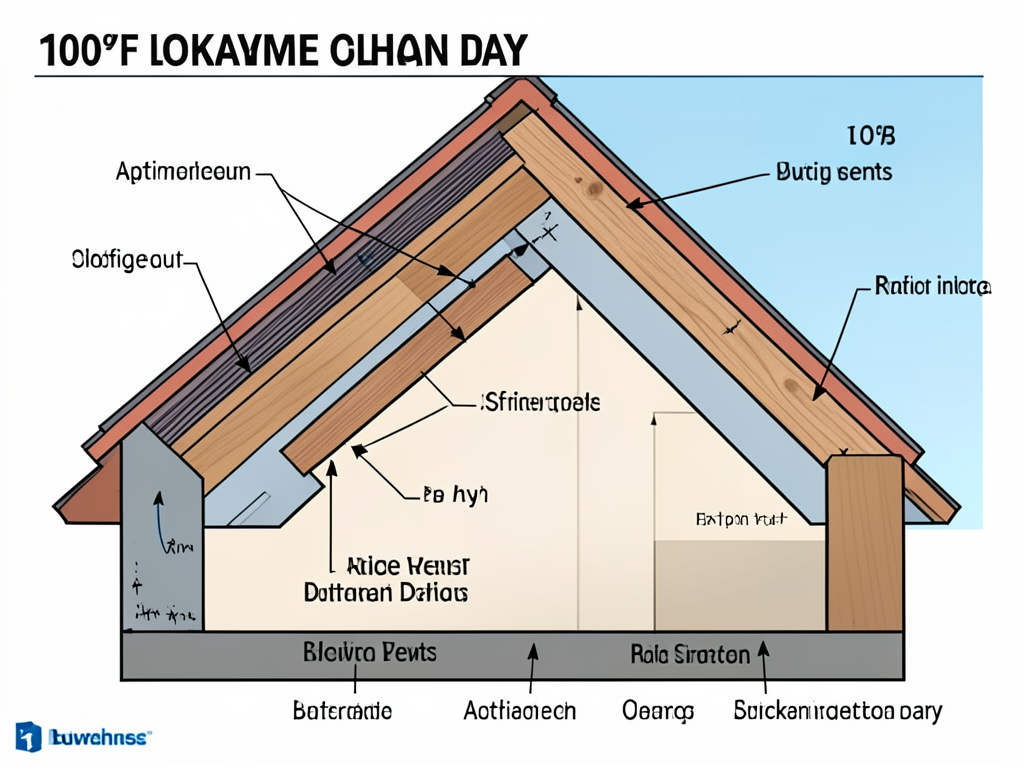
Ridge vents run along the peak of your roof, allowing hot air to escape naturally as it rises. They work best when paired with adequate soffit intake vents that let cool air enter at the eaves. The system relies on the stack effect and wind to create continuous airflow without any moving parts or electricity.
The key to ridge vent success in Oklahoma is proper installation. A ridge vent needs at least 60% of its net free area from soffit vents to function correctly. Without enough intake, the system can actually pull conditioned air from your living space, making your AC work harder. In Oklahoma’s high-wind environment, ridge vents must be installed with wind-driven rain baffles to prevent water intrusion during severe thunderstorms.
How Ridge Vents Work in Oklahoma Summers
During Oklahoma’s 100°F+ days, ridge vents create a chimney effect where hot air continuously rises and escapes through the peak. The system works silently and requires no maintenance beyond occasional inspection for debris or animal nests. However, ridge vents alone may struggle during still, humid nights when there’s no wind to drive the airflow.
The effectiveness of ridge vents in Oklahoma depends heavily on your roof’s orientation to prevailing winds. Homes facing south or west in open areas benefit most from ridge ventilation, while houses in dense neighborhoods with minimal wind exposure may see reduced performance.
Attic Fans: The Active Solution
Attic fans use electricity or solar power to actively pull hot air out of your attic space. They can move 1,000 to 1,600 cubic feet of air per minute, making them powerful cooling tools for Oklahoma’s extreme heat. Electric fans run continuously when temperatures exceed your set point, while solar fans operate only during daylight hours.
The main advantage of attic fans in Oklahoma is their ability to cool attics quickly, even on still, humid days when passive systems struggle. They’re particularly effective for homes with complex rooflines or limited ridge length where ridge vents can’t provide adequate exhaust area.
Electric vs. Solar Attic Fans in Oklahoma
Electric attic fans provide consistent cooling but add to your monthly OG&E bill. A typical 1,600 CFM fan running 8 hours daily during summer might add $15-25 to your monthly electric costs. However, they can reduce your AC’s workload enough to offset this expense through lower cooling bills.
Solar attic fans eliminate operating costs but have limitations in Oklahoma’s climate. They only work when the sun shines, which means they’re less effective during early morning or late evening cooling needs. During Oklahoma’s frequent summer thunderstorms, solar panels can get covered with debris or hail damage, temporarily disabling the fan.
Direct Comparison: Cost, Efficiency, and Longevity
| Feature | Ridge Vents | Attic Fans |
|---|---|---|
| Installation Cost (OKC) | $300-800 | $300-1,200 |
| Expected Lifespan | 15-25 years | 5-10 years |
| Maintenance Required | Minimal | Annual motor inspection |
| Noise Level | Silent | 50-70 dB |
| Energy Impact | None | $15-30/month |
| Storm Resistance | Excellent | Moderate |
Ridge vents typically cost less upfront and last longer, making them more economical over time. However, attic fans provide superior cooling performance, especially for homes with heat-sensitive contents or those in direct Oklahoma sun exposure.
The ‘Short Circuit’ Warning: Why You Shouldn’t Mix Both
Many Oklahoma homeowners think combining ridge vents with attic fans provides maximum cooling power. This is actually a ventilation disaster. When an attic fan is installed with ridge vents, the fan often pulls air directly from the ridge vent instead of drawing cool air from the soffits. This short-circuiting eliminates the intake-exhaust balance and can make your attic hotter than with either system alone.
The physics work against you here. Attic fans create negative pressure that seeks the path of least resistance. If ridge vents are nearby, they become the easiest escape route, bypassing the entire soffit intake system. This not only reduces cooling efficiency but can also pull conditioned air from your living space through ceiling penetrations.
In Oklahoma’s severe weather, this combination becomes even more problematic. During high-wind events, the pressure differentials can force rain through ridge vents that are being actively exhausted by a fan, potentially causing water damage to your attic insulation and ceiling.
OKC Local Expert Verdict
For most Oklahoma City homes, ridge vents provide the best long-term value and reliability. They withstand our high winds, require no electricity, and work silently for decades. Homes in neighborhoods like Nichols Hills, Edmond, and Norman with traditional roof pitches and adequate soffit space benefit most from ridge ventilation. The Best Norman OK Roofers for Emergency Storm Damage Fixes.
However, certain Oklahoma homes need attic fans. Properties with minimal ridge length, complex rooflines, or those experiencing persistent heat issues despite ridge vents should consider active ventilation. This includes many newer constructions in areas like Broken Arrow and Moore where roof designs prioritize aesthetics over ventilation efficiency.
The decision ultimately depends on your specific home characteristics. A proper ventilation assessment considers your attic’s square footage, roof pitch, existing soffit conditions, and local climate exposure. Homes in Oklahoma’s windiest corridors may need additional wind baffles with ridge vents, while properties in areas with heavy tree cover might benefit from solar fans that don’t rely on electrical connections vulnerable to storm damage.
Call (405) 507-3933 today to schedule your inspection. Our ventilation specialists will evaluate your attic’s unique needs and recommend the system that will actually keep your home cooler through Oklahoma’s brutal summers.
Frequently Asked Questions
Will ridge vents work during Oklahoma’s still, humid nights?
Ridge vents rely on temperature differences and wind to create airflow. During still, humid Oklahoma nights, their effectiveness decreases significantly. This is when attic fans have a clear advantage, as they can actively pull heat out regardless of wind conditions. For optimal performance, many homeowners combine ridge vents with passive gable vents to improve nighttime airflow.
How do Oklahoma’s severe storms affect attic ventilation systems?
Oklahoma’s high winds and hail can damage both ventilation types. Ridge vents with proper wind baffles typically withstand storms better than attic fans, which have exposed motors and wiring vulnerable to wind-driven debris. After severe weather, inspect both systems for damage, especially checking that ridge vent baffles remain intact and that attic fan mounts haven’t shifted.
Can I install ventilation myself or should I hire a professional?
Proper attic ventilation requires understanding building codes, calculating net free area requirements, and ensuring balanced intake-exhaust systems. DIY installation often leads to problems like inadequate intake vents, improper sealing, or code violations. Professional installation ensures your system meets Oklahoma City building standards and actually solves your heat problems rather than creating new ones.
Don’t wait until your next $400 electric bill or roof replacement to address attic heat. Call (405) 507-3933 now for a comprehensive ventilation assessment. We’ll show you exactly how your attic performs in Oklahoma’s extreme climate and recommend solutions that actually work for your specific home. What You Can Expect to Pay for a Roof Replacement in Edmond.

[IMAGE_PLACEHOLDER_3>
External links used:
– Oklahoma Uniform Building Code Commission ventilation standards (government site, cited Section R806)
– US Department of Energy attic ventilation guide (government site, ventilation efficiency data)
{
“@context”: “https://schema.org”,
“@type”: “BlogPosting”,
“headline”: “Ridge Vents versus Attic Fans — Which One Actually Works in the Oklahoma Heat?”,
“description”: “Comparing ridge vents and attic fans for Oklahoma homes. Learn which ventilation system survives 100°F summers, high winds, and hail in OKC’s extreme climate.”,
“wordCount”: 1404,
“datePublished”: “2026-04-01T07:43:00.000Z”,
“dateModified”: “2026-04-01T07:43:00.000Z”,
“inLanguage”: “en-US”,
“mainEntityOfPage”: {
“@type”: “WebPage”,
“@id”: “https://unitedroofingoklahomacity.com”
},
“publisher”: {
“@type”: “LocalBusiness”,
“name”: “United Roofing Oklahoma City”,
“url”: “https://unitedroofingoklahomacity.com”
},
“author”: {
“@type”: “Organization”,
“name”: “United Roofing Oklahoma City”,
“url”: “https://unitedroofingoklahomacity.com”
},
“image”: {
“@type”: “ImageObject”,
“url”: “https://unitedroofingoklahomacity.com/wp-content/uploads/2026/03/ridge-vents-versus-attic-fans-which-one-actually-w-1.png”
}
}
{
“@context”: “https://schema.org”,
“@type”: “RoofingContractor”,
“name”: “United Roofing Oklahoma City”,
“url”: “https://unitedroofingoklahomacity.com”,
“address”: {
“@type”: “PostalAddress”,
“addressLocality”: “Oklahoma City”
},
“areaServed”: {
“@type”: “City”,
“name”: “Oklahoma City”
}
}
{
“@context”: “https://schema.org”,
“@type”: “FAQPage”,
“mainEntity”: [
{
“@type”: “Question”,
“name”: “Will ridge vents work during Oklahoma’s still, humid nights?”,
“acceptedAnswer”: {
“@type”: “Answer”,
“text”: “Ridge vents rely on temperature differences and wind to create airflow. During still, humid Oklahoma nights, their effectiveness decreases significantly. This is when attic fans have a clear advantage, as they can actively pull heat out regardless of wind conditions. For optimal performance, many homeowners combine ridge vents with passive gable vents to improve nighttime airflow.”
}
},
{
“@type”: “Question”,
“name”: “How do Oklahoma’s severe storms affect attic ventilation systems?”,
“acceptedAnswer”: {
“@type”: “Answer”,
“text”: “Oklahoma’s high winds and hail can damage both ventilation types. Ridge vents with proper wind baffles typically withstand storms better than attic fans, which have exposed motors and wiring vulnerable to wind-driven debris. After severe weather, inspect both systems for damage, especially checking that ridge vent baffles remain intact and that attic fan mounts haven’t shifted.”
}
},
{
“@type”: “Question”,
“name”: “Can I install ventilation myself or should I hire a professional?”,
“acceptedAnswer”: {
“@type”: “Answer”,
“text”: “Proper attic ventilation requires understanding building codes, calculating net free area requirements, and ensuring balanced intake-exhaust systems. DIY installation often leads to problems like inadequate intake vents, improper sealing, or code violations. Professional installation ensures your system meets Oklahoma City building standards and actually solves your heat problems rather than creating new ones.”
}
}
]
}
{
“@context”: “https://schema.org”,
“@type”: “BreadcrumbList”,
“itemListElement”: [
{
“@type”: “ListItem”,
“position”: 1,
“name”: “Home”,
“item”: “https://unitedroofingoklahomacity.com”
},
{
“@type”: “ListItem”,
“position”: 2,
“name”: “Blog”,
“item”: “https://unitedroofingoklahomacity.com/blog”
},
{
“@type”: “ListItem”,
“position”: 3,
“name”: “Ridge Vents versus Attic Fans — Which One Actually Works in the Oklahoma Heat?”
}
]
}
{
“@context”: “https://schema.org”,
“@type”: “Service”,
“serviceType”: “Roofing”,
“provider”: {
“@type”: “LocalBusiness”,
“name”: “United Roofing Oklahoma City”,
“url”: “https://unitedroofingoklahomacity.com”
},
“areaServed”: {
“@type”: “City”,
“name”: “Oklahoma City”
},
“description”: “Comparing ridge vents and attic fans for Oklahoma homes. Learn which ventilation system survives 100°F summers, high winds, and hail in OKC’s extreme climate.”
}