
Why Your Oklahoma Home’s Wall Rot Problem Starts with Missing Kick-Out Flashing
Water damage behind your siding often begins with a small piece of metal that most homeowners never see. Kick-out flashing sits at the critical roof-to-wall intersection where your shingles meet a vertical surface. When installed correctly, it channels water into your gutter system instead of letting it run down your wall and into your home’s structure.
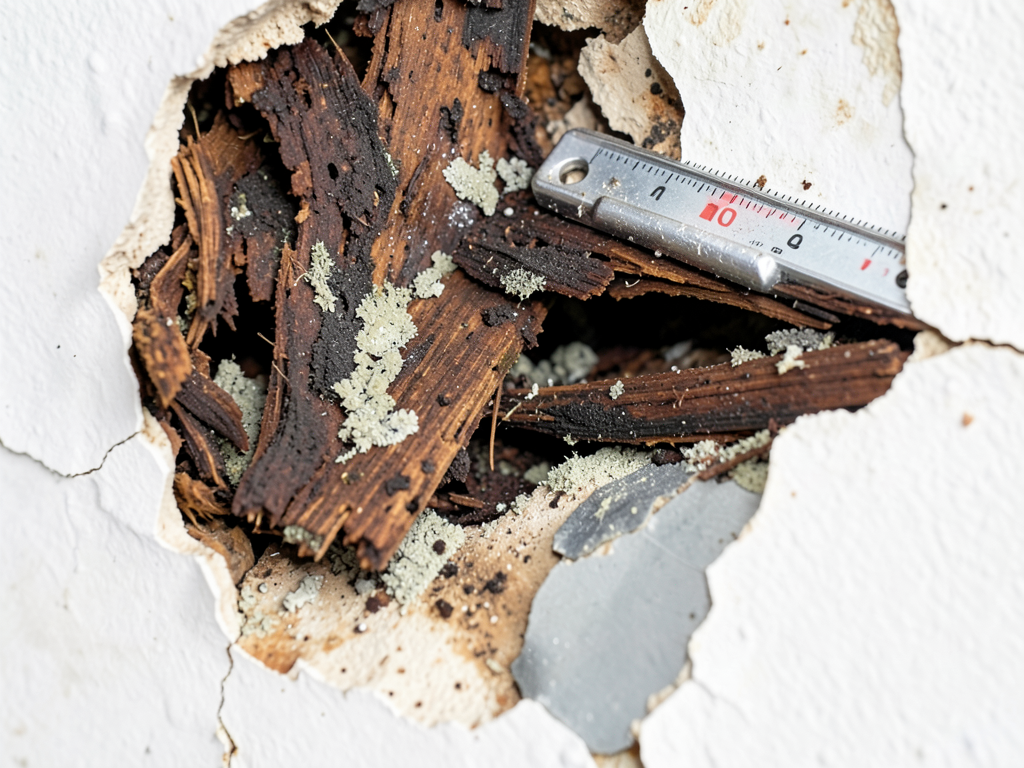
In Oklahoma City’s climate, this flashing faces constant assault from wind-driven rain during spring storms and rapid freeze-thaw cycles in winter. The intense UV exposure and temperature swings cause materials to expand and contract, creating gaps where water seeps in. Without proper kick-out flashing, moisture gets trapped behind your siding, leading to wood rot, mold growth, and expensive structural repairs. Oklahoma Uniform Building Code Commission.
The International Residential Code (IRC) Section R903.2.1 specifically requires flashing at roof-to-wall intersections to prevent water intrusion. Yet many Oklahoma homes built before 2018 lack this critical component, and even newer installations often use undersized or improperly sealed diverters that fail within years. 2018 International Residential Code Chapter 9.
During our inspections across Oklahoma City neighborhoods from Nichols Hills to Midwest City, we frequently find the same failure pattern: missing kick-out flashing allows water to penetrate the wall cavity, where it stays hidden until major damage occurs. The repair costs often exceed $10,000 when rot spreads to structural framing. Why Local Nichols Hills Residents Choose Our Luxury Roofing Team.
Understanding how this simple piece of metal protects your home requires examining the complete roof-to-wall drainage system and the specific challenges Oklahoma’s weather creates for building materials.
The Anatomy of Proper Roof-to-Wall Drainage
Effective water management at roof-to-wall intersections involves multiple components working together. The kick-out flashing serves as the primary diverter, but its performance depends on integration with step flashing, underlayment, and siding details.
Step flashing consists of individual L-shaped pieces installed beneath each course of shingles where they meet a vertical wall. These create a stair-step pattern that directs water onto the shingle surface below. The kick-out flashing attaches at the bottom of this step flashing assembly, extending outward at a 110-degree angle to direct water away from the wall and into the gutter system.
Behind the siding, a water-resistive barrier (WRB) provides secondary protection. This building paper or synthetic membrane must overlap properly with both the step flashing above and the kick-out diverter below. Any gaps in this layering allow water to bypass the entire system.
The gutter apron or drip edge at the eave works in conjunction with the kick-out flashing. When the diverter extends far enough past the wall, it delivers water cleanly into the gutter trough rather than allowing it to splash back against the fascia board.
Material selection matters significantly in Oklahoma’s climate. Galvanized steel offers good corrosion resistance and can last 20-30 years when properly installed. Copper provides superior longevity but costs substantially more. Aluminum works for mild climates but often fails prematurely in Oklahoma’s harsh conditions due to galvanic corrosion when in contact with dissimilar metals.
During installation, the kick-out flashing must extend at least 4 inches beyond the wall surface and project downward at the correct angle to prevent water from flowing back toward the structure. The upper edge tucks under the step flashing while the lower edge sits on top of the building paper or WRB, creating proper water shedding layers.
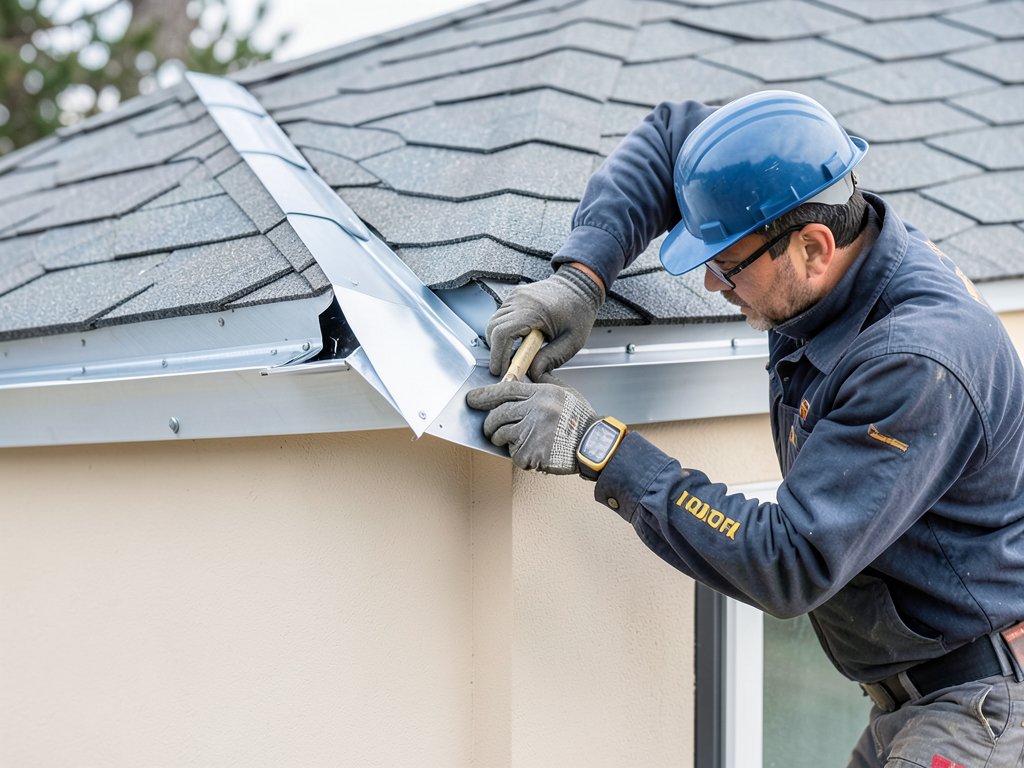
Step-by-Step Guide: How to Install Kick-Out Flashing Correctly
- Prepare the Roof-to-Wall Intersection
Remove the bottom three courses of shingles where the roof meets the wall. This exposes the underlayment and allows proper integration of all flashing components. Clean the wall surface thoroughly and inspect for existing damage or rot.
- Install the Water-Resistive Barrier
Apply building paper or synthetic WRB starting from the bottom, overlapping each successive layer by at least 6 inches. The bottom edge should extend 6 inches beyond the roof deck to provide a clean termination point for the kick-out flashing.
- Form and Position the Kick-Out Flashing
Cut a piece of 26-gauge galvanized steel to the required width, typically 8-10 inches for standard residential applications. Bend it to create a 110-degree angle using a sheet metal brake or careful hand forming. Position it so the vertical leg extends 4 inches up the wall and the horizontal leg projects 4-6 inches beyond the wall edge. High Quality Residential Roofing Services in The Village.
- Integrate with Step Flashing
Install individual step flashing pieces beneath each shingle course, starting from the bottom and working upward. Each piece should extend onto the roof deck by at least 4 inches and up the wall by 4 inches. The top of each step flashing tucks under the previous piece, creating a shingled effect.
- Seal and Secure
Apply a continuous bead of high-quality roofing sealant where the kick-out flashing meets the wall surface. Use roofing nails or screws to secure the flashing, placing fasteners only in the vertical leg to avoid creating water entry points in the horizontal drainage surface. Roofing Tulsa.
- Replace Shingles and Complete Integration
Install new shingles over the step flashing, ensuring each course overlaps properly. The bottom edge of the lowest shingle should extend slightly beyond the kick-out flashing to direct water flow. Install siding material, ensuring it does not cover the top edge of the kick-out flashing.
Common Installation Mistakes That Lead to Rot and Mold
Even when homeowners or contractors attempt kick-out flashing installation, several critical errors frequently occur. These mistakes often go unnoticed for years until water damage becomes severe enough to cause visible staining or structural failure.
Undersized diverters represent the most common problem. Many installations use kick-out flashing that extends only 2-3 inches beyond the wall instead of the required 4-6 inches. This insufficient projection allows water to flow back toward the wall surface, defeating the entire purpose of the component.
Improper sealing creates another frequent failure point. Some installers rely solely on mechanical fasteners, creating numerous potential water entry points. Others use low-quality caulk that deteriorates within a few years under Oklahoma’s UV exposure and temperature extremes. The correct approach uses continuous sealant beads and avoids placing fasteners in the water-carrying surface.
Integration errors with step flashing cause systematic failures. When step flashing pieces are too short or improperly overlapped, water bypasses the entire assembly. We often find step flashing that extends only 2 inches up the wall instead of the required 4 inches, creating gaps where wind-driven rain penetrates.
Siding installation over kick-out flashing creates another critical error. Vinyl or fiber cement siding should terminate above the flashing rather than covering it. When siding extends over the top edge, it blocks visual inspection and can trap water against the wall surface.
Material selection mistakes prove particularly costly in Oklahoma. Aluminum kick-out flashing installed near copper or galvanized components often experiences galvanic corrosion within 5-7 years. The resulting deterioration creates holes where water enters the wall cavity.
During our inspections in neighborhoods like The Village and Moore, we frequently discover these installation errors in homes less than ten years old. The combination of Oklahoma’s severe weather and installation shortcuts creates a perfect storm for water intrusion and structural damage.
Oklahoma Building Codes: Requirements for Diverter Flashing
The Oklahoma Uniform Building Code Commission has adopted the International Residential Code with specific amendments for local conditions. IRC Section R903.2.1 mandates flashing at roof-to-wall intersections, including kick-out diverters at the base of each step flashing assembly.
Oklahoma City and surrounding municipalities require compliance with these standards for all new construction and major renovations. The code specifies that flashing must extend up the wall a minimum of 4 inches and project outward at an angle that directs water away from the structure. Local inspectors verify these details during final roofing inspections. Roofing Norman.
Beyond the basic IRC requirements, Oklahoma’s climate creates additional considerations. The state experiences more than 50 days annually with wind speeds exceeding 30 mph, creating conditions where wind-driven rain can penetrate even properly installed flashing systems. This reality drives many local builders to exceed minimum code requirements.
Many Oklahoma municipalities now require ice and water shield underlayment in valleys and at roof-to-wall intersections. This self-adhering membrane provides an additional waterproof barrier beneath the flashing assembly. The material remains flexible in cold temperatures and seals around fasteners, creating a more robust system.
High-wind fastening patterns represent another local requirement. Most Oklahoma jurisdictions mandate six nails per shingle instead of the standard four, particularly for homes in open areas or on hilltops where wind exposure is greater. These additional fasteners help prevent shingle blow-off that could compromise the flashing system.
Building permits for roofing work in Oklahoma City require detailed flashing plans that show kick-out diverter placement and integration with other roofing components. Contractors must demonstrate understanding of local weather patterns and material performance characteristics specific to Oklahoma’s climate zone.
The Oklahoma Construction Industries Board licenses roofing contractors and requires continuing education on code updates and best practices. Unlicensed contractors often lack this training, leading to code violations and system failures that homeowners discover only after water damage occurs.. Read more about How to Spot Cutting Corners on Your New Construction Roof in a Rapidly Growing Mustang Subdivision.
Why DIY Might Not Be Enough: When to Call an Oklahoma City Roofing Expert
Installing kick-out flashing correctly requires specialized knowledge of roofing systems, local building codes, and Oklahoma’s specific weather challenges. While some homeowners attempt DIY repairs to save money, the complexity of proper integration often leads to costly mistakes.
The diagnostic process alone proves challenging for most homeowners. Identifying existing water damage requires moisture meters, thermal imaging cameras, and experience recognizing subtle signs of intrusion. What appears as minor staining might indicate extensive rot within wall cavities that remains hidden until major demolition occurs.
Material selection decisions significantly impact system longevity. A homeowner choosing aluminum flashing to save $50 might face $5,000 in repairs within five years when galvanic corrosion creates system failure. Professional contractors understand material compatibility and can recommend options optimized for Oklahoma’s specific conditions.
Code compliance represents another critical factor. Oklahoma City building inspectors verify flashing installation during final inspections, and non-compliant work requires costly corrections. Licensed contractors carry insurance that covers code violation corrections, while DIY homeowners bear full responsibility for any required rework.
Warranty considerations often surprise DIY installers. Most roofing material manufacturers void warranties when critical components like kick-out flashing are improperly installed. Professional installation typically includes manufacturer-backed warranties that protect your investment for 20-30 years.
Time and safety factors weigh heavily in the DIY versus professional decision. Working on roofs involves fall hazards, and proper installation requires removing and replacing multiple shingle courses. What might take a professional crew four hours could consume an entire weekend for an inexperienced homeowner, with results that may still fail inspection.
Insurance implications extend beyond the immediate installation. Water damage from faulty flashing often falls under homeowners insurance exclusions for maintenance-related failures. Professional installation with proper documentation strengthens insurance claims if problems do occur.
During Oklahoma’s storm season, from March through June, roofing contractors remain extremely busy with emergency repairs. This timing creates pressure on DIY installers who discover problems but cannot find immediate professional help. The resulting delays often allow water damage to worsen significantly.
Professional contractors also bring diagnostic capabilities that identify related issues. While addressing kick-out flashing, they might discover inadequate attic ventilation, damaged underlayment, or compromised structural elements that require attention. This comprehensive approach prevents future problems that isolated DIY repairs might miss.
The investment in professional installation typically pays for itself through avoided repairs, code compliance, warranty protection, and the peace of mind that comes from knowing your home’s water management system functions as designed for Oklahoma’s challenging climate.
Frequently Asked Questions
How much does professional kick-out flashing installation cost in Oklahoma City?
Professional installation typically ranges from $300 to $800 per location, depending on roof complexity, accessibility, and whether damage repair is needed. This investment prevents potential $5,000 to $15,000 in water damage repairs.
Can I install kick-out flashing over existing shingles?
No, proper installation requires removing the bottom three courses of shingles to integrate the flashing system correctly. Installing over existing shingles creates water traps and violates building codes.
How long should kick-out flashing last in Oklahoma’s climate?
Quality galvanized steel kick-out flashing installed correctly should last 20-30 years. However, Oklahoma’s severe weather often reduces this to 15-20 years, making regular inspections important.
What are signs my kick-out flashing has failed?
Look for water stains on interior walls near roof-to-wall intersections, peeling exterior paint, mold growth on siding, or soft spots when pressing on the wall surface near the roofline.
Does homeowners insurance cover water damage from failed kick-out flashing?
Most policies exclude damage from maintenance failures. However, if the flashing was professionally installed and failed prematurely due to material defects, you might have coverage. Documentation of professional installation strengthens claims.
Should I replace all kick-out flashing when re-roofing my home?
Yes, new flashing should be installed with every roof replacement. Existing flashing may have deteriorated or become compromised during shingle removal, and new flashing ensures optimal integration with the new roofing system. What You Can Expect to Pay for a Roof Replacement in Edmond.
Can kick-out flashing prevent ice dam damage?
While kick-out flashing helps manage water at roof-to-wall intersections, it cannot prevent ice dams. Proper attic insulation and ventilation remain the primary defenses against ice dam formation in Oklahoma’s winter conditions.
What gauge metal should kick-out flashing be?
Twenty-six gauge galvanized steel represents the minimum standard for residential applications. Heavier gauges provide better durability but increase cost and installation difficulty.
How do I know if my home has kick-out flashing?
Look at the bottom of roof-to-wall intersections from ground level. You should see a metal diverter extending 4-6 inches beyond the wall surface. If you don’t see this component, your home likely lacks proper kick-out flashing.
Can kick-out flashing be installed in winter?
Installation becomes more challenging in freezing temperatures as sealants don’t cure properly and materials become brittle. Most professionals avoid winter installations unless absolutely necessary for emergency repairs.
Protect Your Oklahoma Home from Hidden Water Damage
Missing or failed kick-out flashing represents one of the most common causes of wall rot and mold growth in Oklahoma homes. The damage often remains hidden for years, spreading through wall cavities until expensive structural repairs become necessary.
Oklahoma’s combination of high winds, heavy rain, and temperature extremes creates perfect conditions for water intrusion when flashing systems fail. The cost of professional installation pales compared to the potential $10,000 to $15,000 in repairs needed when rot spreads to structural framing.
Don’t wait for visible water stains or mold growth to discover your home lacks proper protection. A professional inspection can identify missing or failing kick-out flashing before major damage occurs. Our team understands Oklahoma’s specific building code requirements and weather challenges, ensuring your home receives the protection it needs.
Call (405) 507-3933 today to schedule your comprehensive roof inspection. We’ll examine your roof-to-wall intersections, identify any flashing deficiencies, and provide a detailed plan for protecting your home from water damage. Don’t let another Oklahoma storm put your home at risk.
Pick up the phone and call (405) 507-3933 before the next heavy rain reveals hidden problems that could cost thousands to repair. Your home deserves professional protection from Oklahoma’s challenging climate.
{
“@context”: “https://schema.org”,
“@type”: “BlogPosting”,
“headline”: “The One Piece of Metal Flashing That Prevents Massive Wall Rot in Your Oklahoma Home”,
“description”: “Discover how kick-out flashing stops water damage in Oklahoma homes. Learn installation steps, codes, and why DIY isn’t enough for our climate.”,
“wordCount”: 2535,
“datePublished”: “2026-05-08T13:35:00.000Z”,
“dateModified”: “2026-05-08T13:35:00.000Z”,
“inLanguage”: “en-US”,
“mainEntityOfPage”: {
“@type”: “WebPage”,
“@id”: “https://unitedroofingoklahomacity.com”
},
“publisher”: {
“@type”: “LocalBusiness”,
“name”: “United Roofing Oklahoma City”,
“url”: “https://unitedroofingoklahomacity.com”
},
“author”: {
“@type”: “Organization”,
“name”: “United Roofing Oklahoma City”,
“url”: “https://unitedroofingoklahomacity.com”
},
“image”: {
“@type”: “ImageObject”,
“url”: “https://unitedroofingoklahomacity.com/wp-content/uploads/2026/03/the-one-piece-of-metal-flashing-that-prevents-mass-1.png”
}
}
{
“@context”: “https://schema.org”,
“@type”: “RoofingContractor”,
“name”: “United Roofing Oklahoma City”,
“url”: “https://unitedroofingoklahomacity.com”,
“address”: {
“@type”: “PostalAddress”,
“addressLocality”: “Oklahoma City”
},
“areaServed”: {
“@type”: “City”,
“name”: “Oklahoma City”
}
}
{
“@context”: “https://schema.org”,
“@type”: “FAQPage”,
“mainEntity”: [
{
“@type”: “Question”,
“name”: “How much does professional kick-out flashing installation cost in Oklahoma City?”,
“acceptedAnswer”: {
“@type”: “Answer”,
“text”: “Professional installation typically ranges from $300 to $800 per location, depending on roof complexity, accessibility, and whether damage repair is needed. This investment prevents potential $5,000 to $15,000 in water damage repairs.”
}
},
{
“@type”: “Question”,
“name”: “Can I install kick-out flashing over existing shingles?”,
“acceptedAnswer”: {
“@type”: “Answer”,
“text”: “No, proper installation requires removing the bottom three courses of shingles to integrate the flashing system correctly. Installing over existing shingles creates water traps and violates building codes.”
}
},
{
“@type”: “Question”,
“name”: “How long should kick-out flashing last in Oklahoma’s climate?”,
“acceptedAnswer”: {
“@type”: “Answer”,
“text”: “Quality galvanized steel kick-out flashing installed correctly should last 20-30 years. However, Oklahoma’s severe weather often reduces this to 15-20 years, making regular inspections important.”
}
},
{
“@type”: “Question”,
“name”: “What are signs my kick-out flashing has failed?”,
“acceptedAnswer”: {
“@type”: “Answer”,
“text”: “Look for water stains on interior walls near roof-to-wall intersections, peeling exterior paint, mold growth on siding, or soft spots when pressing on the wall surface near the roofline.”
}
},
{
“@type”: “Question”,
“name”: “Does homeowners insurance cover water damage from failed kick-out flashing?”,
“acceptedAnswer”: {
“@type”: “Answer”,
“text”: “Most policies exclude damage from maintenance failures. However, if the flashing was professionally installed and failed prematurely due to material defects, you might have coverage. Documentation of professional installation strengthens claims.”
}
},
{
“@type”: “Question”,
“name”: “Should I replace all kick-out flashing when re-roofing my home?”,
“acceptedAnswer”: {
“@type”: “Answer”,
“text”: “Yes, new flashing should be installed with every roof replacement. Existing flashing may have deteriorated or become compromised during shingle removal, and new flashing ensures optimal integration with the new roofing system. What You Can Expect to Pay for a Roof Replacement in Edmond.”
}
},
{
“@type”: “Question”,
“name”: “Can kick-out flashing prevent ice dam damage?”,
“acceptedAnswer”: {
“@type”: “Answer”,
“text”: “While kick-out flashing helps manage water at roof-to-wall intersections, it cannot prevent ice dams. Proper attic insulation and ventilation remain the primary defenses against ice dam formation in Oklahoma’s winter conditions.”
}
},
{
“@type”: “Question”,
“name”: “What gauge metal should kick-out flashing be?”,
“acceptedAnswer”: {
“@type”: “Answer”,
“text”: “Twenty-six gauge galvanized steel represents the minimum standard for residential applications. Heavier gauges provide better durability but increase cost and installation difficulty.”
}
},
{
“@type”: “Question”,
“name”: “How do I know if my home has kick-out flashing?”,
“acceptedAnswer”: {
“@type”: “Answer”,
“text”: “Look at the bottom of roof-to-wall intersections from ground level. You should see a metal diverter extending 4-6 inches beyond the wall surface. If you don’t see this component, your home likely lacks proper kick-out flashing.”
}
},
{
“@type”: “Question”,
“name”: “Can kick-out flashing be installed in winter?”,
“acceptedAnswer”: {
“@type”: “Answer”,
“text”: “Installation becomes more challenging in freezing temperatures as sealants don’t cure properly and materials become brittle. Most professionals avoid winter installations unless absolutely necessary for emergency repairs.”
}
}
]
}
{
“@context”: “https://schema.org”,
“@type”: “HowTo”,
“name”: “How to Install Kick-Out Flashing”,
“step”: [
{
“@type”: “HowToStep”,
“position”: 1,
“name”: “Prepare the Roof-to-Wall Intersection”,
“text”: “Remove the bottom three courses of shingles where the roof meets the wall. This exposes the underlayment and allows proper integration of all flashing components. Clean the wall surface thoroughly and inspect for existing damage or rot.”
},
{
“@type”: “HowToStep”,
“position”: 2,
“name”: “Install the Water-Resistive Barrier”,
“text”: “Apply building paper or synthetic WRB starting from the bottom, overlapping each successive layer by at least 6 inches. The bottom edge should extend 6 inches beyond the roof deck to provide a clean termination point for the kick-out flashing.”
},
{
“@type”: “HowToStep”,
“position”: 3,
“name”: “Form and Position the Kick-Out Flashing”,
“text”: “Cut a piece of 26-gauge galvanized steel to the required width, typically 8-10 inches for standard residential applications. Bend it to create a 110-degree angle using a sheet metal brake or careful hand forming. Position it so the vertical leg extends 4 inches up the wall and the horizontal leg projects 4-6 inches beyond the wall edge. High Quality Residential Roofing Services in The Village.”
},
{
“@type”: “HowToStep”,
“position”: 4,
“name”: “Integrate with Step Flashing”,
“text”: “Install individual step flashing pieces beneath each shingle course, starting from the bottom and working upward. Each piece should extend onto the roof deck by at least 4 inches and up the wall by 4 inches. The top of each step flashing tucks under the previous piece, creating a shingled effect.”
},
{
“@type”: “HowToStep”,
“position”: 5,
“name”: “Seal and Secure”,
“text”: “Apply a continuous bead of high-quality roofing sealant where the kick-out flashing meets the wall surface. Use roofing nails or screws to secure the flashing, placing fasteners only in the vertical leg to avoid creating water entry points in the horizontal drainage surface. Roofing Tulsa.”
},
{
“@type”: “HowToStep”,
“position”: 6,
“name”: “Replace Shingles and Complete Integration”,
“text”: “Install new shingles over the step flashing, ensuring each course overlaps properly. The bottom edge of the lowest shingle should extend slightly beyond the kick-out flashing to direct water flow. Install siding material, ensuring it does not cover the top edge of the kick-out flashing.”
}
],
“image”: “https://unitedroofingoklahomacity.com/wp-content/uploads/2026/03/the-one-piece-of-metal-flashing-that-prevents-mass-1.png”
}
{
“@context”: “https://schema.org”,
“@type”: “BreadcrumbList”,
“itemListElement”: [
{
“@type”: “ListItem”,
“position”: 1,
“name”: “Home”,
“item”: “https://unitedroofingoklahomacity.com”
},
{
“@type”: “ListItem”,
“position”: 2,
“name”: “Blog”,
“item”: “https://unitedroofingoklahomacity.com/blog”
},
{
“@type”: “ListItem”,
“position”: 3,
“name”: “The One Piece of Metal Flashing That Prevents Massive Wall Rot in Your Oklahoma Home”
}
]
}
{
“@context”: “https://schema.org”,
“@type”: “Service”,
“serviceType”: “Roofing”,
“provider”: {
“@type”: “LocalBusiness”,
“name”: “United Roofing Oklahoma City”,
“url”: “https://unitedroofingoklahomacity.com”
},
“areaServed”: {
“@type”: “City”,
“name”: “Oklahoma City”
},
“description”: “Discover how kick-out flashing stops water damage in Oklahoma homes. Learn installation steps, codes, and why DIY isn’t enough for our climate.”
}