
Thinking About Solar Panels? Read This Before You Re-Roof Your Oklahoma Home
Oklahoma homeowners face a unique challenge when considering solar energy. Our state gets over 230 sunny days per year making solar panels an attractive investment. But before you install those panels you need to think about your roof first. A solar-ready roof in Oklahoma City means more than just slapping panels on shingles. It requires specific structural preparation to handle Oklahoma’s severe weather and the weight of solar equipment. Energy Department solar guide.
The timing is perfect right now. Federal tax credits cover 30% of both your new roof and solar installation costs when done together. Plus Oklahoma’s hail season and high winds mean your roof needs to be built tough enough to protect expensive solar equipment for decades. Let me show you what makes a roof truly solar-ready in Oklahoma. Oklahoma Uniform Building Code Commission.
What Makes a Roof Solar-Ready in Oklahoma?
A solar-ready roof goes beyond standard installation. It starts with reinforced decking that can handle the extra 4-6 pounds per square foot that solar panels add. In Oklahoma City we see wind speeds that require specific nailing patterns and impact-resistant materials that most contractors outside Tornado Alley never consider.
The electrical rough-in during re-roofing saves thousands later. Running conduit and preparing junction boxes while the decking is exposed costs a fraction of retrofitting after shingles are installed. This preparation also protects your warranty since most manufacturers void coverage if solar brackets damage the roofing system. Roofing Tulsa.
Why Oklahoma’s Weather Demands Special Solar Prep
Oklahoma ranks among the top states for hail damage claims. Class 4 impact resistant shingles rated UL 2218 are not optional here. These shingles can withstand hailstones up to 2 inches in diameter without cracking. When you add solar panels you need even more protection since a single cracked panel can cost $800-1500 to replace.
Our wind codes require specific fastening patterns. The Oklahoma Uniform Building Code Commission mandates 6 nails per shingle in zones where wind speeds exceed 110 mph. Solar mounting systems must integrate with these fastening patterns not conflict with them. Poor integration can lead to uplift failures during spring storms.
Understanding Load-Bearing Requirements
Solar panels add significant weight to your roof structure. A typical 6-kilowatt system weighs about 800 pounds spread across 300-400 square feet. Most Oklahoma homes built after 2000 can handle this load but older homes need evaluation. The International Residential Code requires structural engineers to certify roofs for solar when the dead load exceeds 5 pounds per square foot. High Quality Residential Roofing Services in The Village.
Roof pitch matters too. South-facing slopes between 15-40 degrees capture maximum sunlight in Oklahoma. Steeper pitches shed hail better but may need additional mounting hardware. The right pitch also affects how wind flows over panels creating uplift forces that multiply during severe storms.
Solar-Ready Flashing and Mounting Systems
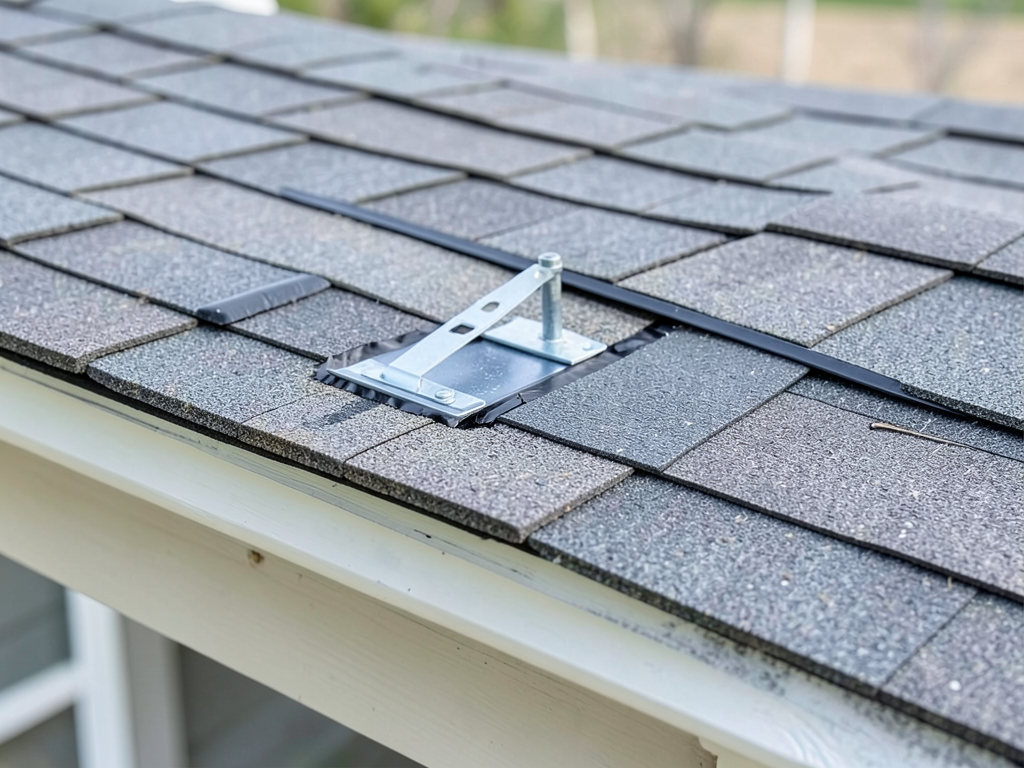
Traditional flashing methods create leak points when solar brackets penetrate the roof. Solar-ready installations use integrated mounting systems that seal around penetrations without relying on caulk alone. These systems include metal flashings with rubber gaskets that compress under bracket pressure creating waterproof seals.
The mounting rails attach to roof trusses not just decking. This prevents the panels from acting like sails during high winds. In Oklahoma City where straight-line winds can exceed 80 mph this structural connection is critical. The mounting hardware must also allow for thermal expansion since Oklahoma sees temperature swings from below freezing to over 100 degrees.
Roof Orientation and Energy Production
South-facing roofs produce the most energy in Oklahoma. A south-facing installation generates about 20% more power than east or west orientations. However east and west-facing arrays can spread energy production throughout the day which helps with net metering credits from OG&E and PSO.
Roof shading from trees or chimneys reduces solar efficiency by up to 30%. During re-roofing you can trim or remove obstacles to maximize sun exposure. The angle of Oklahoma’s winter sun means even small obstructions cast long shadows across panels when energy production matters most. Roofing Norman.
Cost Comparison: Solar-Ready vs. Retrofit
Building solar readiness during re-roofing costs 40-60% less than retrofitting later. Here’s why: opening walls for conduit after roofing is complete requires drywall repair and repainting. Running wires under existing shingles risks damage. Most importantly you cannot reinforce decking without removing shingles first. Roofing Midwest City.
| Component | Solar-Ready Installation | Retrofit Installation |
|---|---|---|
| Electrical Rough-In | $800-1200 | $2500-3500 |
| Deck Reinforcement | $1500-2000 | $4000-6000 |
| Warranty Protection | Full Coverage | Often Voided |
| Total Added Cost | $3300-4200 | $8500-12000 |
Federal Tax Credits and Oklahoma Incentives
The federal solar tax credit covers 30% of both roofing and solar installation costs when completed in the same project. For a $15000 roof and $20000 solar system you could claim $10500 in credits. Oklahoma offers additional property tax exemptions for solar installations though there are no state income tax credits currently.
Utility companies OG&E and PSO offer net metering programs. These pay you for excess power your panels produce. The credits roll over monthly helping offset winter production drops. Some utilities also offer rebates for energy-efficient roofing materials which can combine with solar incentives.
Step-by-Step Solar-Ready Roof Installation
- Structural Assessment
Engineer evaluates roof framing, calculates load capacity, and designs reinforcement if needed. This step prevents costly failures later.
- Electrical Planning
Electrician maps conduit routes, selects inverter locations, and coordinates with roofing crew. Proper planning avoids wall penetrations through finished surfaces.
- Deck Preparation
Install additional blocking between trusses where mounting rails will attach. This creates solid anchor points that won’t flex under wind loads.
- Solar-Ready Flashing Installation
Mount specialized brackets that integrate with roofing underlayment. These brackets include built-in waterproofing that traditional mounts lack.
- Shingle Installation
Install Class 4 impact resistant shingles with enhanced nailing patterns. Leave designated areas clear for future panel mounting.
- Final Electrical Rough-In
Run all conduit, junction boxes, and prepare main service panel for solar interconnection. This completes the infrastructure needed for smooth solar installation.
Choosing the Right Roofing Materials
Not all roofing materials work well with solar. Asphalt shingles remain the most popular choice because mounting hardware attaches easily and costs less. However metal roofs offer superior durability and often last longer than solar panel warranties.
Tile and slate roofs require specialized mounting systems that cost 30-50% more than standard hardware. These materials also limit future panel removal since breaking tiles during service is common. For Oklahoma’s climate asphalt with Class 4 rating provides the best balance of cost, durability, and solar compatibility.
Warranty Considerations for Solar Roofs
Standard roofing warranties often exclude damage from solar installations. Look for manufacturers offering solar-specific warranties that cover both roofing and mounting hardware. GAF’s Solar Elite and CertainTeed’s Solstice systems include 25-year warranties that transfer with the home.
The workmanship warranty matters as much as material coverage. Poor installation causes 90% of roof failures. Choose contractors who provide at least 5 years of workmanship coverage and have specific experience with solar-ready installations. Ask for examples of previous solar projects and references from solar customers.
Common Mistakes to Avoid
Many homeowners wait until their roof fails before thinking about solar. This forces rushed decisions that cost more. Another mistake is choosing the cheapest contractor without solar experience. These contractors often void warranties by using improper mounting techniques.
Some people think any roof can support solar. Age matters significantly. Roofs older than 15 years likely need replacement before adding panels since most solar panels last 25-30 years. Installing panels on an aging roof means removing and reinstalling them during the next re-roof which costs $2000-4000. What You Can Expect to Pay for a Roof Replacement in Edmond.
Timing Your Solar-Ready Roof Project
The best time to install a solar-ready roof is late winter or early spring. This timing allows you to capture summer production during your first full year. It also avoids Oklahoma’s peak hail season when roofing crews are busiest and material costs rise.
Plan for a 2-3 week timeline from start to finish. Permitting takes 1-2 weeks in most Oklahoma City suburbs. Material delivery adds another week. The actual installation takes 2-5 days depending on roof size and complexity. Add one week for unexpected weather delays which happen frequently during Oklahoma’s storm season.
Local Building Code Requirements
Oklahoma City requires permits for both roofing and solar installations. The permitting process includes structural engineering stamps for any roof supporting solar panels. Wind load calculations must show the roof can handle 110-130 mph winds depending on your specific location within the metro area.
Ice and water shield requirements extend from eaves to 24 inches past interior walls in most jurisdictions. This protection prevents ice dam damage which becomes more critical when solar panels create uneven roof temperatures. Some neighborhoods also require specific underlayment types for homes in designated flood zones.
Financing Your Solar-Ready Roof
Several financing options make solar-ready roofing affordable. Home equity loans offer the lowest interest rates since the roof secures the loan. Solar-specific loans often include longer terms up to 20 years which match the solar panel lifespan.
Some contractors offer in-house financing with deferred interest promotions. These can make the monthly payments comparable to your current electric bill while you build home equity. The federal tax credit arrives the following year which can pay off a significant portion of your loan principal.
Energy Production Expectations
A properly sized solar system in Oklahoma City produces 1200-1500 kilowatt-hours per year for every kilowatt installed. A 6-kilowatt system generates about 9000 kilowatt-hours annually enough to power the average Oklahoma home. Production varies by season with summer output exceeding winter by 40-50%.
Net metering policies affect your actual savings. OG&E and PSO credit you at retail rates for excess power up to your annual consumption. Any excess beyond that receives lower wholesale rates. Understanding these policies helps size your system for maximum financial return rather than just energy independence.
Maintenance Requirements for Solar Roofs
Solar panels require minimal maintenance but your roof needs regular inspection. Oklahoma’s dust and pollen coat panels reducing efficiency by 15-20% when dirty. Annual cleaning with water and soft brushes restores production. More frequent cleaning may be needed if you live near farmland or construction areas.
Roof inspections should occur every 2-3 years or after major storms. Look for lifted shingles, damaged flashing, or signs of leaks inside your attic. Early detection prevents expensive water damage to both your home and solar equipment. Most solar warranties require professional inspections to remain valid.
The Environmental Impact
Solar-ready roofing reduces your carbon footprint significantly. A typical Oklahoma home switching to solar prevents 6-8 tons of CO2 emissions annually. This equals planting 150 trees or removing one car from the road. The energy payback time for solar panels in Oklahoma is just 2-3 years due to our abundant sunshine.
Choosing sustainable roofing materials amplifies these benefits. Recycled-content shingles and cool-roof coatings reduce urban heat island effects. Some manufacturers now offer take-back programs for old shingles keeping them out of landfills. These choices support both your energy goals and broader environmental health.
Getting Started with Your Solar-Ready Roof
Start with a professional roof assessment. A qualified contractor will measure your roof pitch, inspect the structure, and evaluate sun exposure. They should provide a detailed proposal showing both roofing and solar costs with tax credit calculations included.
Ask specific questions about solar experience. How many solar-ready roofs have they installed? Can they provide references from solar customers? Do they work with licensed electricians or subcontract that work? The right contractor treats your roof as a solar platform not just a shingling job.
Frequently Asked Questions
How long do solar-ready roofs last?
A quality solar-ready roof with proper maintenance lasts 25-30 years matching the lifespan of most solar panels. Class 4 impact resistant shingles often last longer especially in Oklahoma’s climate where they resist hail damage better than standard shingles.
Can I add solar panels to my existing roof?
Yes but only if your roof is less than 10 years old and in excellent condition. Most contractors recommend replacing roofs older than 15 years before adding solar since removal and reinstallation costs $2000-4000 when the roof eventually needs replacement.
What’s the best roof pitch for solar in Oklahoma?
South-facing pitches between 15-40 degrees work best. This range captures maximum sunlight while shedding hail effectively. Steeper pitches may need additional mounting hardware but can be beneficial in areas with heavy summer sun.
Ready to Go Solar-Ready?
Making your roof solar-ready during replacement is one of the smartest home improvement decisions you can make in Oklahoma. You save money on both the roof and future solar installation while protecting your investment from our severe weather. The federal tax credits and utility incentives make this the perfect time to upgrade.
Don’t wait until your roof leaks or your energy bills skyrocket. Call (405) 507-3933 today to schedule your solar-ready roof assessment. Our team will evaluate your home’s structure, explain your options, and show you exactly how much you can save. The sun is shining in Oklahoma. Let’s put it to work for you.
Take the Next Step
Solar-ready roofing is not just about energy savings. It’s about protecting your home from Oklahoma’s extreme weather while preparing for the future. With the right materials and installation your roof becomes an asset that pays you back for decades.
Pick up the phone and call (405) 507-3933 before the next storm hits. We’ll help you design a roof that handles hail, wind, and solar panels with ease. Your energy independence starts with a single call.
{
“@context”: “https://schema.org”,
“@type”: “BlogPosting”,
“headline”: “Thinking About Solar Panels? Read This Before You Re-Roof Your Oklahoma Home”,
“description”: “Discover how solar-ready roofing in Oklahoma City can save you money and protect your home from hail. Learn about Class 4 shingles, tax credits, and the right way to prep your roof for solar.”,
“wordCount”: 2251,
“datePublished”: “2026-03-12T15:25:00.000Z”,
“dateModified”: “2026-03-12T15:25:00.000Z”,
“inLanguage”: “en-US”,
“mainEntityOfPage”: {
“@type”: “WebPage”,
“@id”: “https://unitedroofingoklahomacity.com”
},
“publisher”: {
“@type”: “LocalBusiness”,
“name”: “United Roofing Oklahoma City”,
“url”: “https://unitedroofingoklahomacity.com”
},
“author”: {
“@type”: “Organization”,
“name”: “United Roofing Oklahoma City”,
“url”: “https://unitedroofingoklahomacity.com”
},
“image”: {
“@type”: “ImageObject”,
“url”: “https://unitedroofingoklahomacity.com/wp-content/uploads/2026/03/thinking-about-solar-panels-read-this-before-you-r-1.png”
}
}
{
“@context”: “https://schema.org”,
“@type”: “RoofingContractor”,
“name”: “United Roofing Oklahoma City”,
“url”: “https://unitedroofingoklahomacity.com”,
“address”: {
“@type”: “PostalAddress”,
“addressLocality”: “Oklahoma City”
},
“areaServed”: {
“@type”: “City”,
“name”: “Oklahoma City”
}
}
{
“@context”: “https://schema.org”,
“@type”: “FAQPage”,
“mainEntity”: [
{
“@type”: “Question”,
“name”: “What Makes a Roof Solar-Ready in Oklahoma?”,
“acceptedAnswer”: {
“@type”: “Answer”,
“text”: “A solar-ready roof goes beyond standard installation. It starts with reinforced decking that can handle the extra 4-6 pounds per square foot that solar panels add. In Oklahoma City we see wind speeds that require specific nailing patterns and impact-resistant materials that most contractors outside Tornado Alley never consider.”
}
},
{
“@type”: “Question”,
“name”: “How long do solar-ready roofs last?”,
“acceptedAnswer”: {
“@type”: “Answer”,
“text”: “A quality solar-ready roof with proper maintenance lasts 25-30 years matching the lifespan of most solar panels. Class 4 impact resistant shingles often last longer especially in Oklahoma’s climate where they resist hail damage better than standard shingles.”
}
},
{
“@type”: “Question”,
“name”: “Can I add solar panels to my existing roof?”,
“acceptedAnswer”: {
“@type”: “Answer”,
“text”: “Yes but only if your roof is less than 10 years old and in excellent condition. Most contractors recommend replacing roofs older than 15 years before adding solar since removal and reinstallation costs $2000-4000 when the roof eventually needs replacement.”
}
},
{
“@type”: “Question”,
“name”: “What’s the best roof pitch for solar in Oklahoma?”,
“acceptedAnswer”: {
“@type”: “Answer”,
“text”: “South-facing pitches between 15-40 degrees work best. This range captures maximum sunlight while shedding hail effectively. Steeper pitches may need additional mounting hardware but can be beneficial in areas with heavy summer sun.”
}
},
{
“@type”: “Question”,
“name”: “Ready to Go Solar-Ready?”,
“acceptedAnswer”: {
“@type”: “Answer”,
“text”: “Making your roof solar-ready during replacement is one of the smartest home improvement decisions you can make in Oklahoma. You save money on both the roof and future solar installation while protecting your investment from our severe weather. The federal tax credits and utility incentives make this the perfect time to upgrade.”
}
}
]
}
{
“@context”: “https://schema.org”,
“@type”: “HowTo”,
“name”: “Solar-Ready Roof Installation Process”,
“step”: [
{
“@type”: “HowToStep”,
“position”: 1,
“name”: “Structural Assessment”,
“text”: “Engineer evaluates roof framing, calculates load capacity, and designs reinforcement if needed. This step prevents costly failures later.”
},
{
“@type”: “HowToStep”,
“position”: 2,
“name”: “Electrical Planning”,
“text”: “Electrician maps conduit routes, selects inverter locations, and coordinates with roofing crew. Proper planning avoids wall penetrations through finished surfaces.”
},
{
“@type”: “HowToStep”,
“position”: 3,
“name”: “Deck Preparation”,
“text”: “Install additional blocking between trusses where mounting rails will attach. This creates solid anchor points that won’t flex under wind loads.”
},
{
“@type”: “HowToStep”,
“position”: 4,
“name”: “Solar-Ready Flashing Installation”,
“text”: “Mount specialized brackets that integrate with roofing underlayment. These brackets include built-in waterproofing that traditional mounts lack.”
},
{
“@type”: “HowToStep”,
“position”: 5,
“name”: “Shingle Installation”,
“text”: “Install Class 4 impact resistant shingles with enhanced nailing patterns. Leave designated areas clear for future panel mounting.”
},
{
“@type”: “HowToStep”,
“position”: 6,
“name”: “Final Electrical Rough-In”,
“text”: “Run all conduit, junction boxes, and prepare main service panel for solar interconnection. This completes the infrastructure needed for smooth solar installation.”
}
],
“image”: “https://unitedroofingoklahomacity.com/wp-content/uploads/2026/03/thinking-about-solar-panels-read-this-before-you-r-1.png”
}
{
“@context”: “https://schema.org”,
“@type”: “BreadcrumbList”,
“itemListElement”: [
{
“@type”: “ListItem”,
“position”: 1,
“name”: “Home”,
“item”: “https://unitedroofingoklahomacity.com”
},
{
“@type”: “ListItem”,
“position”: 2,
“name”: “Blog”,
“item”: “https://unitedroofingoklahomacity.com/blog”
},
{
“@type”: “ListItem”,
“position”: 3,
“name”: “Thinking About Solar Panels? Read This Before You Re-Roof Your Oklahoma Home”
}
]
}
{
“@context”: “https://schema.org”,
“@type”: “Service”,
“serviceType”: “Roofing”,
“provider”: {
“@type”: “LocalBusiness”,
“name”: “United Roofing Oklahoma City”,
“url”: “https://unitedroofingoklahomacity.com”
},
“areaServed”: {
“@type”: “City”,
“name”: “Oklahoma City”
},
“description”: “Discover how solar-ready roofing in Oklahoma City can save you money and protect your home from hail. Learn about Class 4 shingles, tax credits, and the right way to prep your roof for solar.”
}