
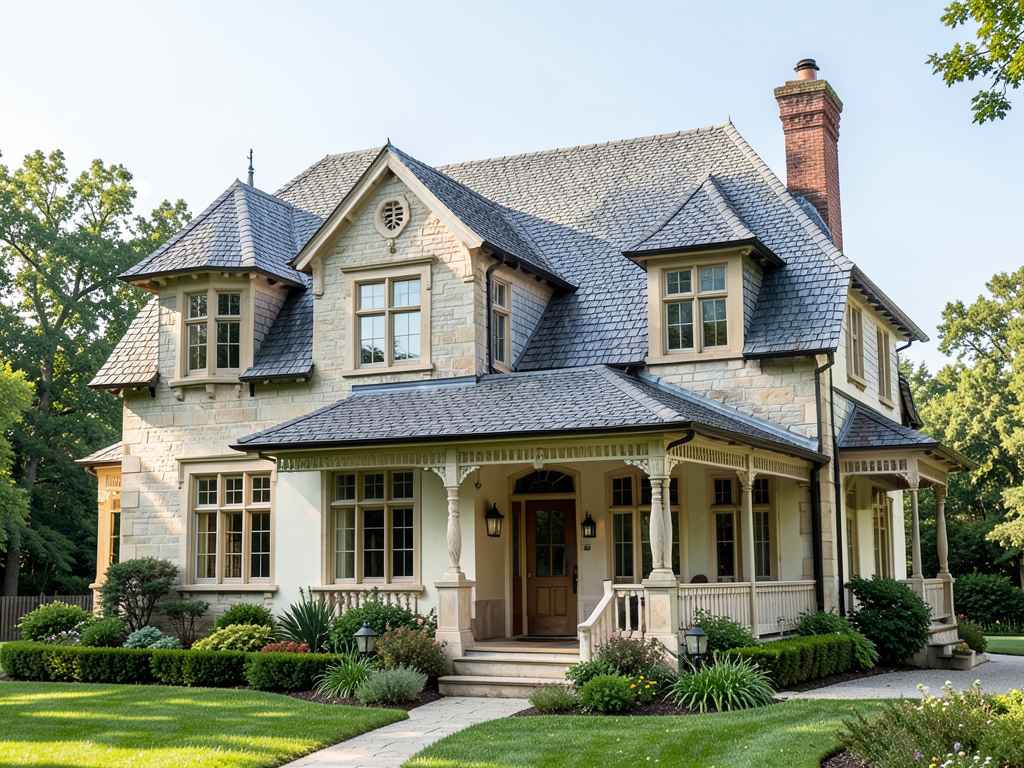
Upgrade Your Mesta Park Historic Home with Period Correct Roofing
Your Mesta Park historic home deserves a roof that honors its architectural heritage while protecting it from Oklahoma’s harsh weather. Navigating the Historic Preservation Commission requirements and finding period-correct materials can feel overwhelming, but understanding the process is your first step toward preserving your home’s character. Oklahoma City Historic Preservation Commission.
The Oklahoma City Historic Preservation Commission enforces strict guidelines for roof replacements in historic districts like Mesta Park. These guidelines ensure that any modifications maintain the neighborhood’s architectural integrity while meeting modern performance standards. Working with materials approved by the commission means your investment not only looks authentic but also meets current building codes. What You Can Expect to Pay for a Roof Replacement in Edmond.
Period correct roofing in Mesta Park typically involves materials like natural slate, clay tile, or high-quality wood shakes. These materials were commonly used when your home was built and remain the preferred choice for maintaining historical accuracy. However, modern alternatives like synthetic slate and composite shakes offer the same aesthetic appeal with improved durability and lighter weight. High Quality Residential Roofing Services in The Village.
The process begins with understanding your home’s specific requirements. Mesta Park homes built between 1900 and 1930 often featured clay tile or slate roofs, while later Craftsman and Tudor-style homes might have used wood shakes or composition shingles designed to mimic natural materials. Identifying your home’s original roofing style helps determine the most appropriate replacement option. Roofing Tulsa.
Understanding Mesta Park Historic District Requirements
Mesta Park falls under the Oklahoma City Historic Preservation Commission’s jurisdiction, which means any exterior modifications require approval through a Certificate of Appropriateness. This process ensures that changes to your home’s appearance maintain the district’s historic character while meeting modern safety and performance standards.
The commission evaluates roofing proposals based on several factors including material compatibility, color, texture, and installation methods. They prefer materials that match the original construction period of your home or materials that closely replicate historic appearances. Modern materials must demonstrate equivalent durability and visual authenticity to receive approval. Roofing Norman.
Working with a roofing contractor familiar with Mesta Park’s historic requirements can streamline the approval process. These specialists understand which materials and installation techniques meet commission standards and can help prepare the necessary documentation for your Certificate of Appropriateness application.
The application process typically takes 30 to 60 days, depending on the commission’s meeting schedule and the complexity of your proposal. During this time, you’ll need to provide detailed information about your proposed materials, colors, and installation methods. The commission may request additional information or suggest modifications to ensure your proposal meets historic preservation standards.
Approved Materials for Historic Roof Replacement
Natural slate remains one of the most popular choices for historic roof replacement in Mesta Park. This material offers exceptional durability, often lasting 75 to 100 years when properly installed. Vermont slate in traditional colors like black, gray, and purple provides an authentic appearance that matches many early 20th-century homes in the district.
Clay tile offers another historically accurate option, particularly for Mediterranean and Spanish Revival style homes common in Mesta Park. Modern clay tiles are available in various profiles including Spanish, Mission, and French styles. These tiles provide excellent durability and fire resistance while maintaining the architectural character of your home.
Wood shakes provide a traditional appearance for Craftsman and Tudor-style homes. Quarter-sawn cedar shakes offer superior dimensional stability and resistance to warping compared to standard cut shakes. Modern wood shakes receive pressure treatment for enhanced fire resistance and longevity, making them suitable for contemporary building codes.
Synthetic alternatives have gained acceptance for historic applications when they convincingly replicate natural materials. High-quality synthetic slate and composite shakes offer lighter weight, easier installation, and often lower costs while maintaining the visual characteristics of traditional materials. These products must demonstrate exceptional authenticity to receive commission approval.
Navigating the Certificate of Appropriateness Process
The Certificate of Appropriateness application requires detailed documentation of your proposed roofing project. This includes material samples, color charts, installation specifications, and photographs of your existing roof. The more comprehensive your submission, the smoother the approval process typically proceeds.
Start by consulting with a roofing contractor experienced in historic preservation. They can help identify materials that meet both your aesthetic preferences and the commission’s requirements. Many contractors maintain relationships with the Historic Preservation Commission and understand the nuances of what gets approved.
Your application should include specific details about how the new roofing will integrate with existing architectural features. This includes coordination with dormers, chimneys, gutters, and any decorative elements on your roof. The commission wants to see that you’ve considered how all components work together to maintain your home’s historic character.
Be prepared for potential revisions to your initial proposal. The commission may suggest alternative materials, colors, or installation methods that better align with historic preservation standards. Maintaining flexibility in your planning helps avoid delays in the approval process.
Installation Considerations for Historic Homes
Installing new roofing on a historic home requires specialized techniques to protect the underlying structure and maintain architectural integrity. Many Mesta Park homes feature delicate framing and sheathing that requires careful handling during roof replacement. Experienced contractors understand how to work with these older structures without causing damage.
Proper underlayment installation is crucial for historic roofs. Modern ice and water shield products provide superior protection against Oklahoma’s severe weather while remaining hidden beneath your chosen roofing material. The underlayment must be installed according to manufacturer specifications and local building codes. Why Local Nichols Hills Residents Choose Our Luxury Roofing Team.
Ventilation systems for historic homes often require special consideration. Original construction may not accommodate modern ventilation requirements, necessitating creative solutions that maintain the home’s exterior appearance while meeting current building standards. Ridge vents, soffit vents, and other ventilation components must be carefully integrated.
Flashing details require particular attention on historic homes. Copper flashing provides excellent durability and develops an attractive patina over time that complements traditional roofing materials. Custom-fabricated flashing ensures proper fit around chimneys, dormers, and other roof penetrations while maintaining the home’s historic character.
Cost Factors for Historic Roof Replacement
Historic roof replacement typically costs more than standard roofing projects due to specialized materials, installation techniques, and the approval process. Natural slate roofs can cost 50 to 100 percent more than asphalt shingle roofs, while clay tile and premium wood shakes also command premium prices.
Material costs vary significantly based on your chosen roofing type. Natural slate ranges from $600 to $1,500 per square, while clay tile typically costs $400 to $800 per square. Premium wood shakes range from $350 to $600 per square, though synthetic alternatives may offer cost savings while maintaining the historic appearance.
Labor costs increase for historic projects due to the specialized skills required. Installers must understand traditional roofing techniques and be able to work carefully around delicate architectural features. Many historic roofing projects require additional time for careful removal of existing materials and protection of surrounding structures.
The approval process itself incurs costs through application fees and potentially multiple rounds of revisions. Budget for these administrative expenses as part of your overall project cost. Working with an experienced contractor can help minimize these costs by ensuring your initial submission meets commission requirements.
Maintaining Your Historic Roof Investment
Once your new historic roof is installed, proper maintenance ensures it protects your home for decades to come. Natural materials like slate and clay tile require minimal maintenance but benefit from annual inspections to identify any damaged or displaced pieces before they cause leaks.
Wood shakes require more frequent maintenance, including cleaning to prevent moss and algae growth and periodic treatments to maintain their protective properties. Proper ventilation and keeping the roof free from debris significantly extends the life of wood shake roofing.
Address any issues promptly to prevent minor problems from becoming major repairs. Small cracks in slate or broken clay tiles can often be repaired individually, while neglected damage may require more extensive replacement. Regular maintenance by contractors familiar with historic roofing materials helps preserve your investment.
Document your roof’s installation and maintenance history. This information proves valuable for future owners and can support any future modifications or repairs. Many historic homeowners maintain detailed records of their roofing projects, including material specifications and installation methods.
Insurance Considerations for Historic Homes
Historic homes often require specialized insurance coverage due to their unique construction and materials. Standard homeowner’s policies may not adequately cover the replacement costs of historic roofing materials or the specialized labor required for repairs.
Work with insurance providers who understand historic properties and can provide appropriate coverage limits. Document your roof’s value with detailed specifications and photographs, particularly if you’ve invested in premium materials or specialized installation techniques.
Some insurance companies offer discounts for historic homes that maintain their original character and use approved materials. These discounts recognize the quality of historic construction and the owner’s commitment to preservation. Ask your insurance provider about available historic home discounts.
Keep records of all maintenance and repairs. This documentation supports insurance claims and demonstrates your commitment to preserving your home’s historic character. Many insurance companies require detailed maintenance records for historic properties.
Common Challenges and Solutions
Historic roof replacement projects often encounter unexpected challenges, particularly when working with century-old structures. Hidden damage to the roof deck, outdated electrical wiring, or deteriorated flashing can complicate the installation process. Experienced contractors anticipate these issues and include contingencies in their project planning.
Weight considerations affect material selection for many historic homes. Original structures may not support the weight of traditional materials like natural slate or heavy clay tile. In these cases, synthetic alternatives or specialized installation techniques that distribute weight more effectively may be necessary.
Matching existing architectural details presents another common challenge. Original homes often feature custom elements like decorative ridge caps, finials, or specialized gutter systems that require custom fabrication to match. Working with skilled craftsmen ensures these details maintain your home’s historic character.
Weather delays can significantly impact historic roofing projects. Oklahoma’s severe weather patterns require careful scheduling and may necessitate temporary protection measures during installation. Experienced contractors develop contingency plans to protect your home during unexpected weather events.
Finding the Right Contractor for Your Historic Home
Selecting a contractor with specific experience in historic preservation is crucial for your Mesta Park home. Look for companies that demonstrate understanding of the Historic Preservation Commission’s requirements and have successfully completed similar projects in the area.
Ask potential contractors about their experience with historic roofing materials and installation techniques. Request references from previous historic projects and, if possible, visit completed projects to assess the quality of their work. Contractors familiar with Mesta Park’s specific requirements can provide valuable guidance throughout the process.
Verify that your chosen contractor carries appropriate insurance and licensing for historic preservation work. Some projects may require additional certifications or specialized insurance coverage due to the value and complexity of historic roofing systems.
Communication is essential when working with historic properties. Your contractor should be willing to explain their approach, provide detailed proposals, and keep you informed throughout the approval and installation processes. Clear communication helps ensure your project meets both your expectations and the commission’s requirements.
Frequently Asked Questions
How long does the Certificate of Appropriateness process take?
The Certificate of Appropriateness process typically takes 30 to 60 days, depending on the commission’s meeting schedule and the complexity of your proposal. Some applications may require additional time if revisions are requested or if multiple review cycles are necessary.
Can I use modern materials on my historic home?
Yes, modern materials can be approved if they convincingly replicate historic appearances and meet the commission’s standards for durability and authenticity. Synthetic slate, composite shakes, and certain asphalt shingles designed to mimic natural materials may be acceptable when properly documented.
What happens if my application is denied?
If your application is denied, the commission will provide specific reasons for their decision. You can revise your proposal to address their concerns and resubmit for consideration. Working with an experienced contractor can help ensure your revised application meets commission requirements.
How much does historic roof replacement cost compared to standard roofing?
Historic roof replacement typically costs 50 to 100 percent more than standard asphalt shingle roofing due to specialized materials, installation techniques, and the approval process. Material costs vary significantly based on your chosen roofing type, with natural slate being among the most expensive options.
Do I need special insurance for a historic home with period correct roofing?
Standard homeowner’s policies may not adequately cover the replacement costs of historic roofing materials. Consider working with insurance providers who specialize in historic properties and can provide appropriate coverage limits for your investment in period correct roofing.
Ready to Preserve Your Mesta Park Home’s Heritage?
Upgrading your Mesta Park historic home with period correct roofing is an investment in both your property’s future and the neighborhood’s architectural heritage. The process requires careful planning, appropriate materials, and experienced professionals who understand historic preservation requirements.
Don’t let the complexity of historic roofing requirements overwhelm you. United Roofing Oklahoma City has extensive experience navigating the Oklahoma City Historic Preservation Commission’s approval process and installing period correct roofing systems throughout Mesta Park and other historic districts.
Call (405) 507-3933 today to schedule your historic roof consultation. Our team will help you understand your options, guide you through the Certificate of Appropriateness process, and ensure your new roof honors your home’s architectural legacy while providing modern protection against Oklahoma’s weather.
Pick up the phone and call (405) 507-3933 before the next storm hits. Your Mesta Park home deserves a roof that preserves its historic character while protecting your investment for generations to come. For more information, visit National Park Service Preservation Brief on Roofing.
{
“@context”: “https://schema.org”,
“@type”: “BlogPosting”,
“headline”: “Upgrade Your Mesta Park Historic Home with Period Correct Roofing”,
“description”: “Preserve your Mesta Park historic home’s architectural integrity with period correct roofing. Expert guidance on Oklahoma City’s Historic Preservation Commission requirements and approved materials.”,
“wordCount”: 2293,
“datePublished”: “2026-02-28T12:14:00.000Z”,
“dateModified”: “2026-02-28T12:14:00.000Z”,
“inLanguage”: “en-US”,
“mainEntityOfPage”: {
“@type”: “WebPage”,
“@id”: “https://unitedroofingoklahomacity.com”
},
“publisher”: {
“@type”: “LocalBusiness”,
“name”: “United Roofing Oklahoma City”,
“url”: “https://unitedroofingoklahomacity.com”
},
“author”: {
“@type”: “Organization”,
“name”: “United Roofing Oklahoma City”,
“url”: “https://unitedroofingoklahomacity.com”
},
“image”: {
“@type”: “ImageObject”,
“url”: “https://unitedroofingoklahomacity.com/wp-content/uploads/2026/03/upgrade-your-mesta-park-historic-home-with-period-1.png”
}
}
{
“@context”: “https://schema.org”,
“@type”: “RoofingContractor”,
“name”: “United Roofing Oklahoma City”,
“url”: “https://unitedroofingoklahomacity.com”,
“address”: {
“@type”: “PostalAddress”,
“addressLocality”: “Oklahoma City”
},
“areaServed”: {
“@type”: “City”,
“name”: “Oklahoma City”
}
}
{
“@context”: “https://schema.org”,
“@type”: “FAQPage”,
“mainEntity”: [
{
“@type”: “Question”,
“name”: “How long does the Certificate of Appropriateness process take?”,
“acceptedAnswer”: {
“@type”: “Answer”,
“text”: “The Certificate of Appropriateness process typically takes 30 to 60 days, depending on the commission’s meeting schedule and the complexity of your proposal. Some applications may require additional time if revisions are requested or if multiple review cycles are necessary.”
}
},
{
“@type”: “Question”,
“name”: “Can I use modern materials on my historic home?”,
“acceptedAnswer”: {
“@type”: “Answer”,
“text”: “Yes, modern materials can be approved if they convincingly replicate historic appearances and meet the commission’s standards for durability and authenticity. Synthetic slate, composite shakes, and certain asphalt shingles designed to mimic natural materials may be acceptable when properly documented.”
}
},
{
“@type”: “Question”,
“name”: “What happens if my application is denied?”,
“acceptedAnswer”: {
“@type”: “Answer”,
“text”: “If your application is denied, the commission will provide specific reasons for their decision. You can revise your proposal to address their concerns and resubmit for consideration. Working with an experienced contractor can help ensure your revised application meets commission requirements.”
}
},
{
“@type”: “Question”,
“name”: “How much does historic roof replacement cost compared to standard roofing?”,
“acceptedAnswer”: {
“@type”: “Answer”,
“text”: “Historic roof replacement typically costs 50 to 100 percent more than standard asphalt shingle roofing due to specialized materials, installation techniques, and the approval process. Material costs vary significantly based on your chosen roofing type, with natural slate being among the most expensive options.”
}
},
{
“@type”: “Question”,
“name”: “Do I need special insurance for a historic home with period correct roofing?”,
“acceptedAnswer”: {
“@type”: “Answer”,
“text”: “Standard homeowner’s policies may not adequately cover the replacement costs of historic roofing materials. Consider working with insurance providers who specialize in historic properties and can provide appropriate coverage limits for your investment in period correct roofing.”
}
},
{
“@type”: “Question”,
“name”: “Ready to Preserve Your Mesta Park Home’s Heritage?”,
“acceptedAnswer”: {
“@type”: “Answer”,
“text”: “Upgrading your Mesta Park historic home with period correct roofing is an investment in both your property’s future and the neighborhood’s architectural heritage. The process requires careful planning, appropriate materials, and experienced professionals who understand historic preservation requirements.”
}
}
]
}
{
“@context”: “https://schema.org”,
“@type”: “BreadcrumbList”,
“itemListElement”: [
{
“@type”: “ListItem”,
“position”: 1,
“name”: “Home”,
“item”: “https://unitedroofingoklahomacity.com”
},
{
“@type”: “ListItem”,
“position”: 2,
“name”: “Blog”,
“item”: “https://unitedroofingoklahomacity.com/blog”
},
{
“@type”: “ListItem”,
“position”: 3,
“name”: “Upgrade Your Mesta Park Historic Home with Period Correct Roofing”
}
]
}
{
“@context”: “https://schema.org”,
“@type”: “Service”,
“serviceType”: “Roofing”,
“provider”: {
“@type”: “LocalBusiness”,
“name”: “United Roofing Oklahoma City”,
“url”: “https://unitedroofingoklahomacity.com”
},
“areaServed”: {
“@type”: “City”,
“name”: “Oklahoma City”
},
“description”: “Preserve your Mesta Park historic home’s architectural integrity with period correct roofing. Expert guidance on Oklahoma City’s Historic Preservation Commission requirements and approved materials.”
}