
What Happens if Your Contractor Forgets to Install a Drip Edge?
Your roof is your home’s first line of defense against Oklahoma’s brutal weather. But what happens when a contractor skips a critical component like the drip edge? This small metal strip might seem insignificant, but its absence can trigger a cascade of expensive problems that could cost you thousands in repairs.
Let me show you exactly what’s at stake and why this matters for your Oklahoma City home.
Understanding the Drip Edge: Your Roof’s Unsung Hero
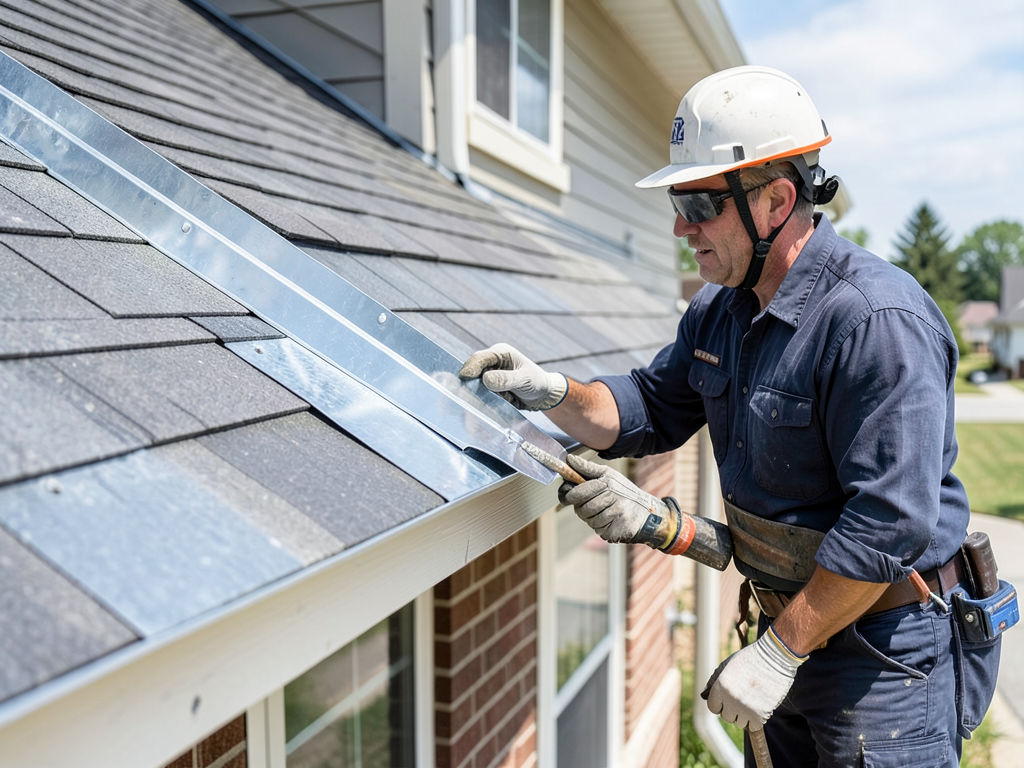
The drip edge is a metal flashing installed along the eaves and rake edges of your roof. It extends beyond the roof decking to direct water away from your fascia boards and into the gutters. Without it, water follows the path of least resistance—often straight into your home’s structure.
Think of it as a rain gutter for your roof’s edges. When installed correctly, it prevents water from wicking back under your shingles, stops wind-driven rain from sneaking into your attic, and creates a clean line that protects your home’s exterior.
The Real Cost of Skipping Drip Edge Installation
When contractors cut corners on drip edge installation, the damage compounds quickly. Here’s what you’re really risking:
Water Damage Cascade: Without proper drip edge, water seeps behind your fascia boards. This moisture creates the perfect environment for wood rot, which spreads to your roof decking and eventually compromises your entire roofing system.
Insurance Nightmares: Many insurance companies now require drip edge as part of their coverage standards. If you file a claim and they discover missing drip edge, they might deny coverage for water damage that could have been prevented.
Warranty Void: Major shingle manufacturers like GAF and Owens Corning void their warranties if drip edge isn’t installed according to their specifications. That means you’re on the hook for any premature roof failure.
Oklahoma’s Weather Makes Drip Edge Non-Negotiable
Oklahoma City sits in Tornado Alley, where weather conditions create unique challenges for roofing systems. Our high-velocity winds, hail storms, and rapid freeze-thaw cycles make drip edge installation absolutely critical. Roofing Tulsa.
During Oklahoma’s spring thunderstorms, wind-driven rain can reach speeds of 70+ mph. Without a properly installed drip edge, this water gets forced under your shingles and into your attic. The damage might not show up for months, but by then you’re dealing with mold, rot, and structural issues.
Our temperature swings are brutal. When it’s 100°F in summer and drops to freezing in winter, your roof materials expand and contract. Drip edge provides the flexibility needed to handle these movements without cracking or separating from your fascia boards.
Building Code Requirements in Oklahoma City
The International Residential Code (IRC) requires drip edge installation on all new roof installations in Oklahoma. Specifically, IRC Section R905.2.8.5 mandates that drip edge be installed along eaves and rakes to prevent water infiltration. International Residential Code Section R905.2.8.5.
Oklahoma City building inspectors check for proper drip edge installation during final roof inspections. If it’s missing, you could face fines and be required to tear off and reinstall your roof at your expense.
Local roofing contractors must follow these codes or risk losing their licenses. Any contractor who suggests skipping drip edge to save money is violating building codes and putting you at risk. Why Local Nichols Hills Residents Choose Our Luxury Roofing Team.
Types of Drip Edge and Which Works Best in Oklahoma
Not all drip edge is created equal. Here are the main types and what works best for Oklahoma’s climate:
T-Style Drip Edge: The most common type, with a bent flange that extends over the roof edge. Good for most applications but can be vulnerable in high-wind areas.
L-Style Drip Edge: Features a longer flange that provides better protection against wind-driven rain. This is often the best choice for Oklahoma homes in exposed areas.
F-Style Drip Edge: Includes a third leg that provides additional support and protection. Excellent for homes with complex rooflines or in areas prone to ice damming.
For Oklahoma City homes, we recommend 24-gauge galvanized steel drip edge. This thickness withstands our high winds and resists the rust that can plague thinner materials. The galvanized coating provides crucial protection against our humidity and temperature extremes.
The Installation Process: Why Timing Matters
Drip edge installation timing is critical. It must be installed before your underlayment goes down, with the underlayment overlapping the drip edge to create a proper water-shedding system.
Here’s what proper installation looks like:
- Preparation and Measurement
Measure all roof edges and cut drip edge pieces to exact length. Allow for 1/2-inch overhang beyond the fascia boards.
- Secure to Roof Deck
Install drip edge using roofing nails every 12 inches, ensuring it extends at least 1/2 inch beyond the fascia board edge. Roofing Norman.
- Overlap Joints
Overlap joints by at least 2 inches and seal with roofing cement to prevent water infiltration at seams.
- Underlayment Integration
Install ice and water shield over the drip edge at eaves, with underlayment overlapping the drip edge on rakes.
When contractors skip steps or install drip edge after underlayment, you lose the water-shedding benefits and create potential leak points.
Common Signs Your Roof Might Be Missing Drip Edge
How do you know if your contractor actually installed drip edge? Here are the warning signs to watch for:
Visible Fascia Damage: If you see water stains, rot, or peeling paint on your fascia boards, your drip edge might be missing or improperly installed.
Gutter Issues: Water overflowing behind your gutters often indicates missing drip edge. The water has nowhere to go but behind the gutter and down your fascia.
Attic Moisture: Musty smells, water stains on rafters, or damp insulation in your attic could mean wind-driven rain is getting under your shingles.
Roof Edge Appearance: A clean, finished look at your roof edges indicates proper drip edge installation. Jagged or uneven edges suggest corners were cut.
Cost Comparison: Prevention vs. Repair
Let’s break down the real numbers. Installing drip edge during a new roof installation costs between $200-$400 for an average Oklahoma City home. That’s less than 2% of a typical roof replacement cost. What You Can Expect to Pay for a Roof Replacement in Edmond.
Compare that to what happens without it:
| Problem Without Drip Edge | Average Repair Cost | Prevention Cost |
|---|---|---|
| Fascia Board Replacement | $800 – $1,500 | $200 – $400 |
| Roof Deck Repair | $1,500 – $3,000 | Included with new roof |
| Mold Remediation | $2,000 – $6,000 | $200 – $400 |
| Insurance Claim Denial | Full repair cost + deductible | $200 – $400 |
The math is clear: spending a few hundred dollars on proper drip edge installation saves you thousands in potential repairs.
Insurance Implications: What Your Policy Actually Covers
Many Oklahoma City homeowners don’t realize that missing drip edge can affect their insurance coverage. Here’s what you need to know:. Read more about Why Your OKC Roofer Needs to File an Insurance Supplement to Finish Your Job Correctly.
Coverage Requirements: Most major insurance companies now require drip edge as part of their standard coverage requirements. If you file a claim and they discover missing drip edge, they might deny coverage for water damage.
Claims Investigation: After severe weather, insurance adjusters specifically look for proper flashing and drip edge installation. Missing components can be grounds for claim denial.
Premium Impacts: Some insurers offer discounts for homes with proper roofing components, including drip edge. Skipping this step could mean paying higher premiums.
Always check with your insurance provider about their specific requirements. Many will send an inspector to verify your roof meets their standards before issuing or renewing a policy.
DIY vs. Professional Installation: Why This Isn’t a Weekend Project
While some homeowners might be tempted to install drip edge themselves, this isn’t a DIY-friendly project. Here’s why professional installation matters:
Code Compliance: Professional roofers know the specific requirements for Oklahoma City and can ensure your installation meets all local building codes.
Material Selection: We choose the right gauge and type of metal for our climate. Using the wrong material can lead to premature failure.
Integration with Other Components: Drip edge must work seamlessly with your underlayment, ice and water shield, and other roofing components. This requires experience and expertise.
Warranty Protection: Most manufacturers require professional installation for their warranties to remain valid. DIY installation voids these protections.
What to Do If You Suspect Missing Drip Edge
If you’re worried your roof might be missing drip edge, here’s what you should do:
- Schedule a Professional Inspection: A qualified roofer can inspect your roof edges and identify any missing components.
- Document Everything: Take photos of any visible damage and keep records of all repairs and inspections.
- Review Your Contractor’s Work: Check if your original contractor was licensed and insured. If they cut corners on drip edge, they might have cut corners elsewhere.
- Get Multiple Quotes: If repairs are needed, get quotes from several reputable contractors. Don’t automatically go with the cheapest option.
Remember, the cost of fixing missing drip edge now is always less than the cost of waiting until major damage occurs.
Protecting Your Investment: Questions to Ask Your Contractor
Before hiring any roofing contractor, ask these specific questions about drip edge:
- Will you install drip edge along all eaves and rakes?
- What gauge metal will you use for the drip edge?
- How will you integrate the drip edge with the underlayment?
- Can you show me photos of your previous drip edge installations?
- Will you provide documentation showing the drip edge meets local building codes?
A reputable contractor will answer these questions confidently and provide written documentation of their installation methods.
The Bottom Line: Don’t Gamble with Your Home’s Protection
Drip edge might seem like a minor detail, but it’s actually one of the most important components of your roofing system. In Oklahoma City’s harsh climate, skipping this step is like leaving your front door unlocked during tornado season—it’s just asking for trouble.
The few hundred dollars you save by skipping drip edge installation could cost you thousands in repairs, insurance headaches, and warranty issues down the road. Don’t let a contractor talk you into cutting corners on this critical component.
Your home deserves better than that. Your family deserves better than that. And when the next Oklahoma storm rolls through, you’ll be glad you invested in proper protection.
Frequently Asked Questions
Is drip edge really required by building codes in Oklahoma City?
Yes, the International Residential Code (IRC) Section R905.2.8.5 requires drip edge installation on all new roof installations in Oklahoma. Local building inspectors check for this during final inspections, and failure to install it can result in fines and required repairs. High Quality Residential Roofing Services in The Village.
How much does it cost to add drip edge to an existing roof?
Adding drip edge to an existing roof typically costs $500-$1,200, depending on your home’s size and roof complexity. This is significantly more expensive than installing it during a new roof installation, which is why it’s crucial to ensure it’s included in your initial roofing project.
Can I install drip edge myself to save money?
While possible, DIY drip edge installation is not recommended. Professional installation ensures code compliance, proper integration with other roofing components, and warranty protection. Improper installation can void your roof warranty and create leak points that cost more to repair than professional installation would have cost.
Ready to Protect Your Home?
Don’t wait until water damage appears to discover your roof is missing critical components. Call (405) 507-3933 today to schedule a comprehensive roof inspection. Our Oklahoma City roofing experts will check your drip edge installation and identify any potential issues before they become expensive problems.
Pick up the phone and call (405) 507-3933 before the next storm hits. Your home’s protection is too important to leave to chance. For more information, visit GAF Roofing Resources on Drip Edge.
{
“@context”: “https://schema.org”,
“@type”: “BlogPosting”,
“headline”: “What Happens if Your Contractor Forgets to Install a Drip Edge?”,
“description”: “Missing drip edge can cause thousands in OKC roof damage. Learn how this simple metal strip protects your fascia, prevents leaks, and keeps your roof warranty valid.”,
“wordCount”: 1953,
“datePublished”: “2026-04-05T08:12:00.000Z”,
“dateModified”: “2026-04-05T08:12:00.000Z”,
“inLanguage”: “en-US”,
“mainEntityOfPage”: {
“@type”: “WebPage”,
“@id”: “https://unitedroofingoklahomacity.com”
},
“publisher”: {
“@type”: “LocalBusiness”,
“name”: “United Roofing Oklahoma City”,
“url”: “https://unitedroofingoklahomacity.com”
},
“author”: {
“@type”: “Organization”,
“name”: “United Roofing Oklahoma City”,
“url”: “https://unitedroofingoklahomacity.com”
},
“image”: {
“@type”: “ImageObject”,
“url”: “https://unitedroofingoklahomacity.com/wp-content/uploads/2026/03/what-happens-if-your-contractor-forgets-to-install-1.png”
}
}
{
“@context”: “https://schema.org”,
“@type”: “RoofingContractor”,
“name”: “United Roofing Oklahoma City”,
“url”: “https://unitedroofingoklahomacity.com”,
“address”: {
“@type”: “PostalAddress”,
“addressLocality”: “Oklahoma City”
},
“areaServed”: {
“@type”: “City”,
“name”: “Oklahoma City”
}
}
{
“@context”: “https://schema.org”,
“@type”: “FAQPage”,
“mainEntity”: [
{
“@type”: “Question”,
“name”: “Is drip edge really required by building codes in Oklahoma City?”,
“acceptedAnswer”: {
“@type”: “Answer”,
“text”: “Yes, the International Residential Code (IRC) Section R905.2.8.5 requires drip edge installation on all new roof installations in Oklahoma. Local building inspectors check for this during final inspections, and failure to install it can result in fines and required repairs. High Quality Residential Roofing Services in The Village.”
}
},
{
“@type”: “Question”,
“name”: “How much does it cost to add drip edge to an existing roof?”,
“acceptedAnswer”: {
“@type”: “Answer”,
“text”: “Adding drip edge to an existing roof typically costs $500-$1,200, depending on your home’s size and roof complexity. This is significantly more expensive than installing it during a new roof installation, which is why it’s crucial to ensure it’s included in your initial roofing project.”
}
},
{
“@type”: “Question”,
“name”: “Can I install drip edge myself to save money?”,
“acceptedAnswer”: {
“@type”: “Answer”,
“text”: “While possible, DIY drip edge installation is not recommended. Professional installation ensures code compliance, proper integration with other roofing components, and warranty protection. Improper installation can void your roof warranty and create leak points that cost more to repair than professional installation would have cost.”
}
},
{
“@type”: “Question”,
“name”: “Ready to Protect Your Home?”,
“acceptedAnswer”: {
“@type”: “Answer”,
“text”: “Don’t wait until water damage appears to discover your roof is missing critical components. Call (405) 507-3933 today to schedule a comprehensive roof inspection. Our Oklahoma City roofing experts will check your drip edge installation and identify any potential issues before they become expensive problems.”
}
}
]
}
{
“@context”: “https://schema.org”,
“@type”: “HowTo”,
“name”: “Proper Drip Edge Installation”,
“step”: [
{
“@type”: “HowToStep”,
“position”: 1,
“name”: “Preparation and Measurement”,
“text”: “Measure all roof edges and cut drip edge pieces to exact length. Allow for 1/2-inch overhang beyond the fascia boards.”
},
{
“@type”: “HowToStep”,
“position”: 2,
“name”: “Secure to Roof Deck”,
“text”: “Install drip edge using roofing nails every 12 inches, ensuring it extends at least 1/2 inch beyond the fascia board edge. Roofing Norman.”
},
{
“@type”: “HowToStep”,
“position”: 3,
“name”: “Overlap Joints”,
“text”: “Overlap joints by at least 2 inches and seal with roofing cement to prevent water infiltration at seams.”
},
{
“@type”: “HowToStep”,
“position”: 4,
“name”: “Underlayment Integration”,
“text”: “Install ice and water shield over the drip edge at eaves, with underlayment overlapping the drip edge on rakes.”
}
],
“image”: “https://unitedroofingoklahomacity.com/wp-content/uploads/2026/03/what-happens-if-your-contractor-forgets-to-install-1.png”
}
{
“@context”: “https://schema.org”,
“@type”: “BreadcrumbList”,
“itemListElement”: [
{
“@type”: “ListItem”,
“position”: 1,
“name”: “Home”,
“item”: “https://unitedroofingoklahomacity.com”
},
{
“@type”: “ListItem”,
“position”: 2,
“name”: “Blog”,
“item”: “https://unitedroofingoklahomacity.com/blog”
},
{
“@type”: “ListItem”,
“position”: 3,
“name”: “What Happens if Your Contractor Forgets to Install a Drip Edge?”
}
]
}
{
“@context”: “https://schema.org”,
“@type”: “Service”,
“serviceType”: “Roofing”,
“provider”: {
“@type”: “LocalBusiness”,
“name”: “United Roofing Oklahoma City”,
“url”: “https://unitedroofingoklahomacity.com”
},
“areaServed”: {
“@type”: “City”,
“name”: “Oklahoma City”
},
“description”: “Missing drip edge can cause thousands in OKC roof damage. Learn how this simple metal strip protects your fascia, prevents leaks, and keeps your roof warranty valid.”
}