
Why Concrete Roof Tiles in Stonegate Require Special Care and Maintenance
Concrete roof tiles are a beautiful and durable roofing choice for Stonegate homes, offering a distinctive Mediterranean or Spanish-style aesthetic that complements the area’s upscale architecture. However, these heavy-duty tiles demand specific maintenance routines to withstand Oklahoma’s extreme climate conditions. Without proper care, your concrete tile roof can develop hidden leaks, structural stress, and costly damage that compromises both its appearance and functionality. Oklahoma Construction Industries Board.
Oklahoma’s unique combination of severe hailstorms, intense UV exposure, and dramatic temperature swings creates a challenging environment for concrete tiles. The region’s expansive clay soil also contributes to foundation movement that can stress roof structures. Understanding these local factors is crucial for developing an effective maintenance strategy that protects your investment for decades to come. Why Local Nichols Hills Residents Choose Our Luxury Roofing Team.
Why Concrete Tile Maintenance is Unique in the OKC Climate
Concrete tiles in Stonegate face weather challenges that other roofing materials don’t encounter. Oklahoma’s climate creates a perfect storm of conditions that accelerate wear on tile roofs. The state experiences an average of 50-70 severe weather days annually, with many occurring during the spring and summer months when your roof is most vulnerable. Roofing Tulsa.
The freeze-thaw cycle is particularly damaging to concrete tiles. When moisture seeps into tiny cracks and then freezes overnight, it expands and creates larger fractures. This process repeats throughout Oklahoma’s winter months, gradually weakening the tile structure. Additionally, the intense summer heat causes tiles to expand, while winter cold causes contraction, creating stress points at the tile edges and underlayment seams.
According to the Oklahoma Construction Industries Board, concrete tile roofs in the state must meet specific wind uplift requirements of 110 mph for most residential areas, with higher ratings required in certain zones. This means your tile installation must include proper fastening patterns and underlayment that can withstand Oklahoma’s powerful straight-line winds and occasional tornado-force gusts. High Quality Residential Roofing Services in The Village.
Annual Maintenance Checklist: 5 Essential Steps
Regular maintenance is the key to extending your concrete tile roof’s lifespan beyond the typical 50-year mark. Here’s a comprehensive checklist that every Stonegate homeowner should follow to protect their tile roof investment.
1. Inspecting for Cracked or Slipped Tiles
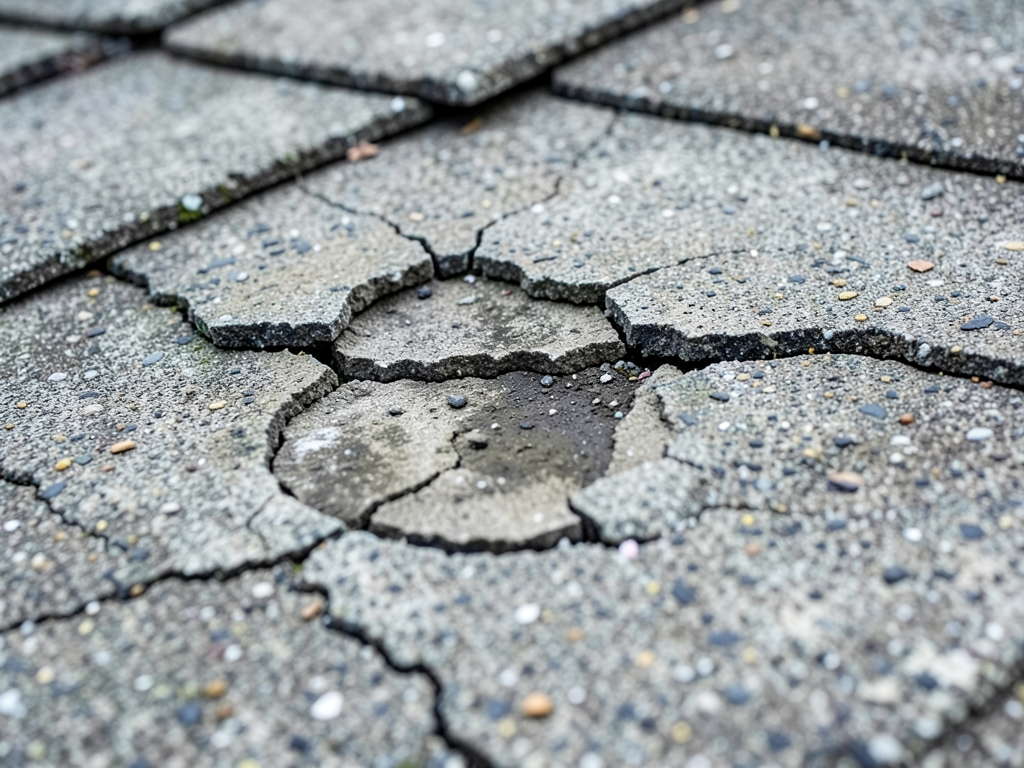
Walk around your property and visually inspect the roof surface for any visible damage. Look for cracked, chipped, or broken tiles, which often appear as dark spots or areas where the tile surface has flaked away. Pay special attention to the roof edges and areas near chimneys or vents where tiles are more likely to slip or break.
Cracked tiles create entry points for water, which can lead to underlayment deterioration and eventually cause leaks inside your home. Oklahoma’s severe weather can cause hairline cracks that expand over time, so early detection is crucial. If you notice multiple damaged tiles, it’s time to call a professional who can assess whether you need partial replacement or if the damage indicates a larger structural issue. What You Can Expect to Pay for a Roof Replacement in Edmond.
2. Clearing Valleys and Debris Traps
Roof valleys are the most vulnerable areas for water collection and debris buildup. Oklahoma’s spring storms drop large amounts of leaves, branches, and other debris that can accumulate in these low points. This debris traps moisture against the tiles and underlayment, accelerating deterioration and creating ideal conditions for moss and algae growth.
Clean your roof valleys at least twice yearly, ideally in late spring after the main storm season and again in early fall before winter weather arrives. Use a soft-bristled brush or leaf blower to remove debris, working from the top down to avoid pushing material under the tiles. Never use a pressure washer on concrete tiles, as the high pressure can damage the surface and force water under the tiles.
3. Checking the Underlayment (The Real Waterproofing Layer)
Many homeowners don’t realize that the concrete tiles themselves are not the primary waterproofing layer. The underlayment beneath the tiles is what actually keeps water out of your home. In Oklahoma, building codes require at least two layers of underlayment in roof valleys and ice and water shield in areas prone to ice damming.
Underlayment typically lasts 20-25 years in Oklahoma’s climate, which is significantly less than the 50+ year lifespan of concrete tiles. This means your underlayment may need replacement while your tiles are still in good condition. Signs of underlayment failure include water stains on interior ceilings, mold growth in the attic, or visible sagging in the roof deck.
Diagnostic Tip: Use a moisture meter to check the roof deck from inside the attic. Readings above 18% moisture content indicate underlayment failure that requires immediate attention.
4. Managing Efflorescence and Moss Growth
Efflorescence appears as a white, chalky residue on concrete tiles and is caused by mineral salts migrating to the surface as moisture evaporates. While primarily cosmetic, excessive efflorescence can indicate moisture retention problems. Oklahoma’s high humidity levels, particularly in the eastern parts of the state, can accelerate this process.
Moss and algae growth is another common issue in shaded areas of your roof. These organisms retain moisture against the tile surface, potentially leading to deterioration and creating slippery conditions that make roof maintenance dangerous. In Stonegate’s tree-lined neighborhoods, moss growth is particularly prevalent on north-facing roof slopes that receive less direct sunlight.
To treat efflorescence and moss, use a specialized concrete tile cleaner mixed according to manufacturer instructions. Apply with a garden sprayer and allow it to sit for 15-20 minutes before gently rinsing with a garden hose. For stubborn moss, a soft-bristle brush can help remove the growth, but avoid aggressive scrubbing that could damage the tile surface.
5. Inspecting Flashings and Bird Stops
Flashings are the metal pieces that seal roof transitions around chimneys, vents, skylights, and where different roof planes meet. In Oklahoma’s severe weather conditions, flashings can work loose or corrode, creating leak points. Check all flashings for signs of separation, rust, or damage, particularly after major storm events.
Bird stops are specialized pieces installed at the roof edges to prevent birds and small animals from nesting under the tiles. Oklahoma’s diverse wildlife, including squirrels and various bird species, often attempts to create nests in these protected spaces. Damaged or missing bird stops can lead to pest infestations that damage both the tiles and underlayment.
Replace any damaged flashings with code-compliant materials rated for your specific roof pitch and local weather conditions. The Oklahoma Uniform Building Code Commission requires flashings to be installed with specific overlap patterns to ensure water sheds properly during heavy rainfall.
When to Call a Professional vs. DIY Safety Concerns
Concrete tile roofs present unique safety challenges that make DIY maintenance risky for many homeowners. The tiles themselves are heavy and brittle, weighing 900-1,200 pounds per square (100 square feet), compared to 200-400 pounds for asphalt shingles. Walking on concrete tiles requires specific techniques to avoid breakage and personal injury.
Professional roofers use specialized walk pads and distribute their weight carefully, stepping only on the bottom third of each tile where the structure is strongest. They also wear proper fall protection equipment and have experience identifying safe walking paths. For most homeowners, the risk of breaking tiles or falling makes professional inspection the safer choice. The Best Norman OK Roofers for Emergency Storm Damage Fixes.
However, some maintenance tasks are suitable for DIY if you have the right equipment and experience. Cleaning gutters, removing debris from the ground level, and inspecting from a ladder for visible damage are generally safe. Any work requiring you to walk on the roof, use tools above shoulder height, or access steep roof sections should be left to professionals.
Consider professional help when you notice multiple cracked tiles, signs of underlayment failure, or after severe weather events. Professionals can also perform moisture testing and thermal imaging to detect hidden leaks that aren’t visible from the ground.
Dealing with Oklahoma Hail Damage on Tile Roofs
Oklahoma’s location in Tornado Alley means hail damage is a constant threat to concrete tile roofs. While Class 4 impact-resistant tiles offer the best protection, even these premium products can sustain damage from large hail. Understanding how to identify and address hail damage is crucial for Stonegate homeowners.
Hail damage on concrete tiles often appears as circular fractures, chipped edges, or surface pitting. Unlike asphalt shingles where hail damage creates obvious bruising, concrete tile damage can be subtle and may not leak immediately. However, these hairline fractures compromise the tile’s structural integrity and allow water infiltration over time.
After a hailstorm, perform a careful visual inspection of your roof. Look for tiles with fresh chips or cracks, particularly on the windward side of the roof where hail impact is most severe. Also check for damage to metal components like flashings and ridge caps, as hail can dent these pieces and create future corrosion points.
The National Weather Service reports that Oklahoma experiences an average of 500-700 hailstorms annually, with about 20% producing hail large enough to damage property. Stonegate homes, with their often complex rooflines and architectural details, may be more vulnerable to hail damage than simpler roof designs. National Weather Service Oklahoma hail statistics.
If you suspect hail damage, document it with photos and contact your insurance company promptly. Most policies cover hail damage, but claims must be filed within specific timeframes after the storm. A professional inspection can provide the detailed damage assessment needed for insurance claims.
Cost of Concrete Tile Maintenance in Oklahoma City (2024/2025 Estimates)
Understanding the typical costs associated with concrete tile maintenance helps Stonegate homeowners budget appropriately for this investment. Professional tile roof maintenance in the Oklahoma City area typically ranges from $300 to $800 for a comprehensive inspection and minor repairs, depending on roof size and accessibility.
Individual tile replacement costs $15 to $30 per tile installed, including labor and materials. This price can vary based on the tile style, roof pitch, and whether the replacement requires underlayment repair. For a typical 2,000-square-foot roof with 1,500 tiles, replacing 10-15 damaged tiles might cost $300 to $600.
Underlayment replacement is the most expensive maintenance task, ranging from $3 to $6 per square foot installed. For a complete underlayment replacement on a 2,000-square-foot roof, expect to pay $6,000 to $12,000. However, this work often isn’t necessary for the entire roof at once, as valley areas and sections near roof penetrations typically fail first.
Professional cleaning and treatment for moss or efflorescence typically costs $0.15 to $0.30 per square foot. For a 2,000-square-foot roof, this service would range from $300 to $600. Annual maintenance contracts that include twice-yearly inspections and cleaning often provide better value, typically costing $500 to $900 annually.
While these costs may seem significant, they pale in comparison to the expense of premature roof replacement. A well-maintained concrete tile roof can last 50-75 years, while neglected roofs may require replacement in as little as 20-30 years due to underlayment failure or structural damage.
- Schedule Biannual Inspections
Have a professional inspect your roof in spring and fall to catch damage early.
- Clean Valleys and Debris Traps
Remove leaves, branches, and other debris that trap moisture against tiles.
- Check Underlayment Integrity
Inspect for signs of moisture intrusion or underlayment deterioration.
- Address Moss and Efflorescence
Treat biological growth and mineral deposits promptly to prevent damage.
- Repair Damage Immediately
Replace cracked or broken tiles as soon as damage is discovered.

Frequently Asked Questions
How often should I have my concrete tile roof inspected in Oklahoma?
Concrete tile roofs in Oklahoma should be professionally inspected twice yearly, typically in spring after hail season and in fall before winter weather arrives. Additionally, inspect your roof after any severe weather event that produces hail or high winds exceeding 60 mph.
Can I walk on my concrete tile roof to clean it myself?
Walking on concrete tiles requires specialized techniques and equipment to avoid breakage. The tiles are most vulnerable at the corners and can crack under concentrated weight. Unless you have experience with tile roof maintenance, it’s safer to hire professionals who use proper walk pads and fall protection equipment.
How long should concrete tile underlayment last in Oklahoma’s climate?
In Oklahoma’s extreme climate, concrete tile underlayment typically lasts 20-25 years, significantly less than the 50+ year lifespan of the tiles themselves. This mismatch means many tile roofs require underlayment replacement while the tiles are still in good condition. Regular inspections can identify when replacement becomes necessary.
What’s the best way to clean moss off concrete roof tiles?
Use a specialized concrete tile cleaner mixed according to manufacturer instructions, applied with a garden sprayer. Allow it to sit for 15-20 minutes, then gently rinse with a garden hose. For stubborn growth, use a soft-bristle brush, but never use pressure washers or abrasive scrubbing that could damage the tile surface.
Does homeowners insurance cover concrete tile roof maintenance?
Standard homeowners insurance typically covers sudden damage from covered perils like hail, wind, or falling trees, but not routine maintenance or wear and tear. However, if maintenance neglect leads to a claimable event, your insurance company might deny coverage. Document all maintenance activities to support potential claims.
How can I tell if my concrete tiles have hail damage?
Hail damage on concrete tiles appears as circular fractures, chipped edges, or surface pitting. Look for fresh damage, particularly on the windward side of the roof. Hairline cracks may not leak immediately but compromise the tile’s integrity. After any hailstorm, document potential damage with photos for insurance purposes.
Concrete tile roofs in Stonegate represent a significant investment that requires specific care to withstand Oklahoma’s challenging climate. By following these maintenance guidelines and addressing issues promptly, you can protect your home and extend your roof’s lifespan for decades. Remember that professional inspections are invaluable for detecting problems that aren’t visible from the ground.
Don’t wait until small issues become major problems. Call (405) 507-3933 today to schedule your professional concrete tile roof inspection and ensure your Stonegate home remains protected through every Oklahoma storm season.
{
“@context”: “https://schema.org”,
“@type”: “BlogPosting”,
“headline”: “Why Concrete Roof Tiles in Stonegate Require Special Care and Maintenance”,
“description”: “Concrete roof tiles in Stonegate face unique challenges from Oklahoma’s extreme weather. Learn essential maintenance steps to protect your tile roof investment.”,
“wordCount”: 2347,
“datePublished”: “2026-04-09T14:04:00.000Z”,
“dateModified”: “2026-04-09T14:04:00.000Z”,
“inLanguage”: “en-US”,
“mainEntityOfPage”: {
“@type”: “WebPage”,
“@id”: “https://unitedroofingoklahomacity.com”
},
“publisher”: {
“@type”: “LocalBusiness”,
“name”: “United Roofing Oklahoma City”,
“url”: “https://unitedroofingoklahomacity.com”
},
“author”: {
“@type”: “Organization”,
“name”: “United Roofing Oklahoma City”,
“url”: “https://unitedroofingoklahomacity.com”
},
“image”: {
“@type”: “ImageObject”,
“url”: “https://unitedroofingoklahomacity.com/wp-content/uploads/2026/03/why-concrete-roof-tiles-in-stonegate-require-speci-1.png”
}
}
{
“@context”: “https://schema.org”,
“@type”: “RoofingContractor”,
“name”: “United Roofing Oklahoma City”,
“url”: “https://unitedroofingoklahomacity.com”,
“address”: {
“@type”: “PostalAddress”,
“addressLocality”: “Oklahoma City”
},
“areaServed”: {
“@type”: “City”,
“name”: “Oklahoma City”
}
}
{
“@context”: “https://schema.org”,
“@type”: “FAQPage”,
“mainEntity”: [
{
“@type”: “Question”,
“name”: “How often should I have my concrete tile roof inspected in Oklahoma?”,
“acceptedAnswer”: {
“@type”: “Answer”,
“text”: “Concrete tile roofs in Oklahoma should be professionally inspected twice yearly, typically in spring after hail season and in fall before winter weather arrives. Additionally, inspect your roof after any severe weather event that produces hail or high winds exceeding 60 mph.”
}
},
{
“@type”: “Question”,
“name”: “Can I walk on my concrete tile roof to clean it myself?”,
“acceptedAnswer”: {
“@type”: “Answer”,
“text”: “Walking on concrete tiles requires specialized techniques and equipment to avoid breakage. The tiles are most vulnerable at the corners and can crack under concentrated weight. Unless you have experience with tile roof maintenance, it’s safer to hire professionals who use proper walk pads and fall protection equipment.”
}
},
{
“@type”: “Question”,
“name”: “How long should concrete tile underlayment last in Oklahoma’s climate?”,
“acceptedAnswer”: {
“@type”: “Answer”,
“text”: “In Oklahoma’s extreme climate, concrete tile underlayment typically lasts 20-25 years, significantly less than the 50+ year lifespan of the tiles themselves. This mismatch means many tile roofs require underlayment replacement while the tiles are still in good condition. Regular inspections can identify when replacement becomes necessary.”
}
},
{
“@type”: “Question”,
“name”: “What’s the best way to clean moss off concrete roof tiles?”,
“acceptedAnswer”: {
“@type”: “Answer”,
“text”: “Use a specialized concrete tile cleaner mixed according to manufacturer instructions, applied with a garden sprayer. Allow it to sit for 15-20 minutes, then gently rinse with a garden hose. For stubborn growth, use a soft-bristle brush, but never use pressure washers or abrasive scrubbing that could damage the tile surface.”
}
},
{
“@type”: “Question”,
“name”: “Does homeowners insurance cover concrete tile roof maintenance?”,
“acceptedAnswer”: {
“@type”: “Answer”,
“text”: “Standard homeowners insurance typically covers sudden damage from covered perils like hail, wind, or falling trees, but not routine maintenance or wear and tear. However, if maintenance neglect leads to a claimable event, your insurance company might deny coverage. Document all maintenance activities to support potential claims.”
}
},
{
“@type”: “Question”,
“name”: “How can I tell if my concrete tiles have hail damage?”,
“acceptedAnswer”: {
“@type”: “Answer”,
“text”: “Hail damage on concrete tiles appears as circular fractures, chipped edges, or surface pitting. Look for fresh damage, particularly on the windward side of the roof. Hairline cracks may not leak immediately but compromise the tile’s integrity. After any hailstorm, document potential damage with photos for insurance purposes.”
}
}
]
}
{
“@context”: “https://schema.org”,
“@type”: “HowTo”,
“name”: “How to Maintain Your Concrete Tile Roof”,
“step”: [
{
“@type”: “HowToStep”,
“position”: 1,
“name”: “Schedule Biannual Inspections”,
“text”: “Have a professional inspect your roof in spring and fall to catch damage early.”
},
{
“@type”: “HowToStep”,
“position”: 2,
“name”: “Clean Valleys and Debris Traps”,
“text”: “Remove leaves, branches, and other debris that trap moisture against tiles.”
},
{
“@type”: “HowToStep”,
“position”: 3,
“name”: “Check Underlayment Integrity”,
“text”: “Inspect for signs of moisture intrusion or underlayment deterioration.”
},
{
“@type”: “HowToStep”,
“position”: 4,
“name”: “Address Moss and Efflorescence”,
“text”: “Treat biological growth and mineral deposits promptly to prevent damage.”
},
{
“@type”: “HowToStep”,
“position”: 5,
“name”: “Repair Damage Immediately”,
“text”: “Replace cracked or broken tiles as soon as damage is discovered.”
}
],
“image”: “https://unitedroofingoklahomacity.com/wp-content/uploads/2026/03/why-concrete-roof-tiles-in-stonegate-require-speci-1.png”
}
{
“@context”: “https://schema.org”,
“@type”: “BreadcrumbList”,
“itemListElement”: [
{
“@type”: “ListItem”,
“position”: 1,
“name”: “Home”,
“item”: “https://unitedroofingoklahomacity.com”
},
{
“@type”: “ListItem”,
“position”: 2,
“name”: “Blog”,
“item”: “https://unitedroofingoklahomacity.com/blog”
},
{
“@type”: “ListItem”,
“position”: 3,
“name”: “Why Concrete Roof Tiles in Stonegate Require Special Care and Maintenance”
}
]
}
{
“@context”: “https://schema.org”,
“@type”: “Service”,
“serviceType”: “Roofing”,
“provider”: {
“@type”: “LocalBusiness”,
“name”: “United Roofing Oklahoma City”,
“url”: “https://unitedroofingoklahomacity.com”
},
“areaServed”: {
“@type”: “City”,
“name”: “Oklahoma City”
},
“description”: “Concrete roof tiles in Stonegate face unique challenges from Oklahoma’s extreme weather. Learn essential maintenance steps to protect your tile roof investment.”
}