
Why Letting Ivy and Vines Grow Onto Your Roof is a Recipe for Disaster
Those lush green vines climbing up your Oklahoma City home might look charming but they create serious structural problems. English ivy and other climbing plants trap moisture against your roof surface and their root systems can lift shingles and create pathways for pests. The combination of Oklahoma’s high humidity and temperature swings makes this problem even worse for local homeowners. Why Local Nichols Hills Residents Choose Our Luxury Roofing Team.
Once ivy establishes itself on a roof it creates a microclimate that accelerates decay. The plant holds moisture against the surface 24/7 which leads to wood rot in the decking and fascia. Oklahoma’s clay soil already causes foundation movement and any additional stress on your roof structure from plant growth can create costly damage that requires extensive repairs. EPA guidelines.
How Ivy Destroys Different Roofing Materials (Asphalt Shingles vs Wood Shakes)
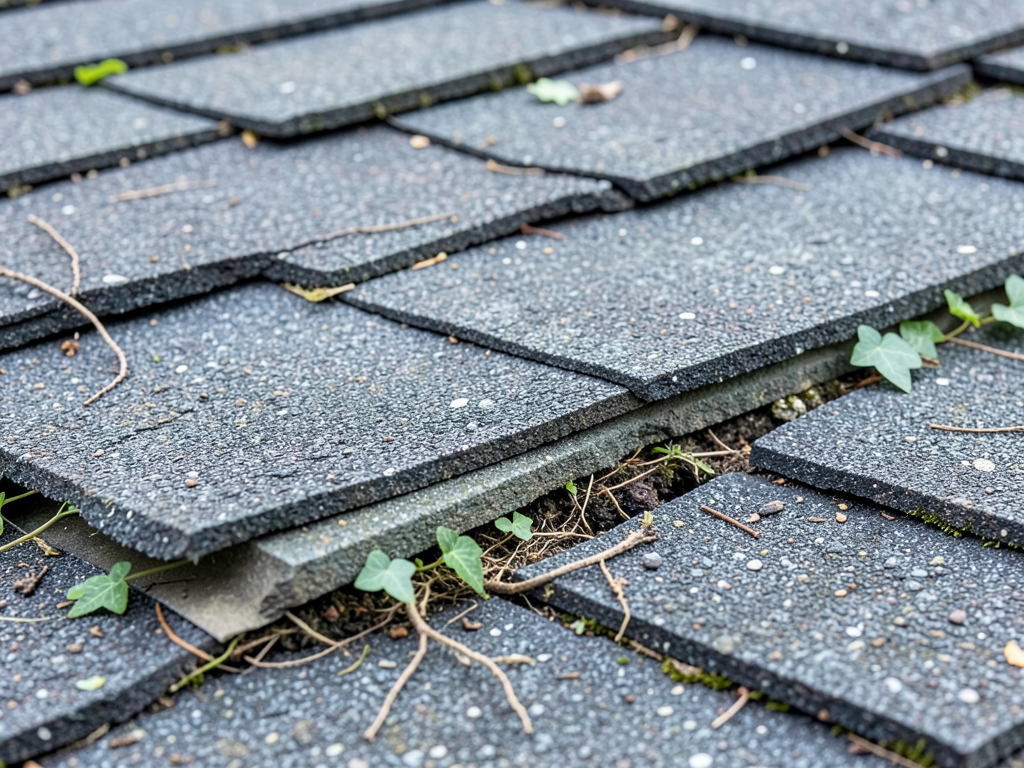
Asphalt shingles suffer the most common damage from ivy growth in Oklahoma City. The plant’s aerial roots secrete acids that break down the limestone filler in shingles causing granule loss and premature aging. A roof covered in ivy typically shows 30 to 50 percent faster degradation compared to a clean roof surface. The roots also wedge under shingle edges creating uplift points where Oklahoma winds can tear them away.
Wood shake roofs face different but equally serious problems. Ivy holds moisture against the wood for extended periods creating perfect conditions for rot and mold growth. The plant’s weight adds stress to the roof structure and can cause sagging over time. In Oklahoma’s climate where summer humidity often exceeds 70 percent the moisture retention problem becomes even more severe.
Clay and concrete tile roofs experience cracking from the freeze-thaw cycles combined with ivy pressure. When Oklahoma temperatures drop below freezing at night and rise above 50 degrees during the day the trapped moisture in plant material expands and contracts creating stress fractures in the tiles. The roots can also grow into the small gaps between tiles compromising the waterproof barrier.
The Hidden Dangers: Moisture Pests and Structural Rot
Moisture trapped by ivy creates perfect conditions for wood destroying organisms. The constant dampness under the plant layer leads to fungal growth that breaks down the structural components of your roof. Oklahoma’s climate with its high humidity and frequent thunderstorms accelerates this process. The moisture also attracts termites carpenter ants and other wood boring insects that can spread from the roof into your home’s framing.. Read more about Finding Hidden Termite Damage and Wood Rot While Repairing a Roof Leak.
Pest infestation becomes a major concern when ivy creates bridges to your attic. Rodents use the dense foliage as cover to access roof vents and eaves. Once inside they can chew through wiring insulation and create fire hazards. Brown recluse spiders and other venomous species also find the protected environment under ivy attractive for nesting and hunting.
The structural damage extends beyond the roof itself. Water running down the walls from ivy covered areas can cause fascia and soffit rot. The added weight of mature vines can stress gutters causing them to pull away from the house. In severe cases the combined moisture and weight can cause sections of the roof to sag creating valleys where water pools and accelerates damage.
Oklahoma Climate Factor: Why OKC Humidity Makes Ivy More Dangerous
Oklahoma City’s climate creates unique challenges for roofs with ivy growth. Our location in Tornado Alley means we experience extreme weather conditions that stress roofing materials. The combination of high humidity summer heat and frequent storms creates an environment where moisture related damage happens faster than in many other regions. Roofing Tulsa.
During Oklahoma summers temperatures regularly exceed 95 degrees and humidity levels stay above 60 percent. This creates a greenhouse effect under ivy coverage where temperatures can be 10 to 15 degrees higher than surrounding areas. The heat accelerates the breakdown of roofing materials while the humidity keeps everything damp enough for mold and rot to thrive. Roofing Norman.
Oklahoma’s freeze-thaw cycles in winter create additional problems. When temperatures fluctuate rapidly as they often do in January and February any moisture trapped by ivy freezes and expands. This expansion can lift shingles create cracks in tiles and force roots deeper into roofing materials. The repeated stress from these cycles weakens the entire roof structure over time. Roofing Midwest City.
Spring thunderstorms bring another layer of risk. Oklahoma receives an average of 35 inches of rain annually with much of it coming in intense downpours. Ivy covered roofs cannot shed water as effectively as clean surfaces leading to water backup under shingles and increased risk of leaks. The dense foliage also catches wind driven debris which can puncture roofing materials during storms.
Can You Safely Remove Ivy Yourself?
DIY ivy removal requires careful technique to avoid causing more damage than the plant itself. The safest approach starts with cutting the vines at their base rather than pulling them down from the roof. This allows the plant material to die and become brittle which makes removal easier and reduces the risk of tearing shingles. Never pull live ivy down as the roots will strip granules and potentially tear off entire shingle sections.
The removal process should take place during dry weather when the plant material is least likely to cause additional moisture damage. Start by cutting all vines at ground level using loppers or a pruning saw. Wait two to three weeks for the ivy to die before attempting removal from the roof surface. This waiting period allows the roots to shrink and release their grip on the roofing materials.
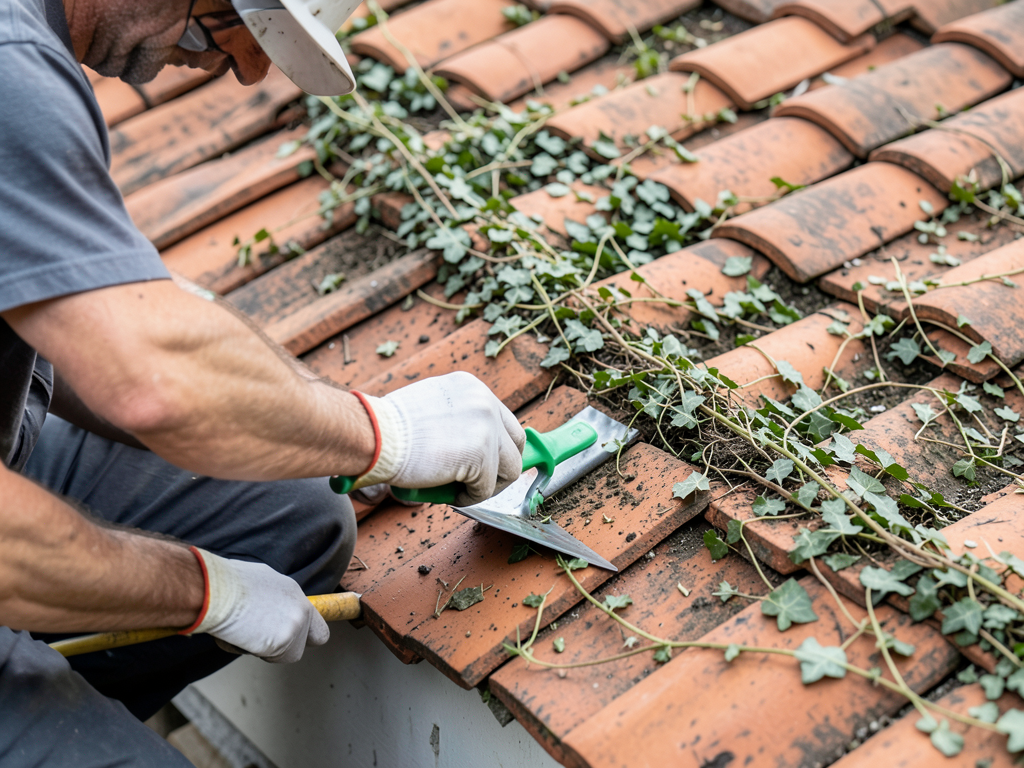
Once the ivy is dead use a plastic scraper to gently remove the plant material working from top to bottom. Avoid using metal tools which can scratch or puncture roofing surfaces. For stubborn areas a soft bristle brush can help loosen dead material. After removal inspect the roof for any remaining rootlets or adhesive pads which should be carefully scraped off to prevent future growth.
Safety considerations are critical during DIY removal. Working on a roof covered in dead plant material creates slip hazards. Use proper fall protection equipment and work with a partner who can assist and call for help if needed. Be aware that disturbing a long established ivy growth can reveal hidden damage that requires immediate professional attention.
When to Call an OKC Roofing Professional for an Inspection
Certain signs indicate you need professional help rather than attempting DIY removal. If you notice sagging areas on your roof or see daylight through roof boards in your attic the structural damage is likely severe enough to require expert assessment. Similarly if you discover active leaks or see mold growth on interior ceilings the moisture problem has progressed beyond simple plant removal.
Professional inspection becomes essential when dealing with older roofs or those with existing damage. A licensed Oklahoma roofing contractor can identify hidden problems like rotted decking compromised underlayment or damaged flashing that might not be visible from ground level. They also have the equipment and experience to safely work on steep or high roofs where DIY removal poses significant risks.. Read more about Dealing with Heavy Leaf Fall on the Sloped Roofs of Heritage Hills This Autumn.
The inspection process should include checking for pest infestation signs. A professional can identify whether rodents carpenter ants or termites have used the ivy as an access point and determine if treatment is needed before repairs begin. They can also assess whether the roof structure needs reinforcement before new roofing materials are installed.
Insurance considerations may make professional inspection worthwhile even for minor damage. Many Oklahoma homeowners insurance policies require documentation of damage and professional assessment for claims related to roof repairs. A licensed contractor can provide the detailed reports and photos needed to support insurance claims for damage discovered during ivy removal.
Signs Your Ivy Has Already Caused Structural Damage
Several warning signs indicate ivy has already compromised your roof structure. Sagging or uneven roof lines suggest the decking has absorbed moisture and begun to rot. Water stains on interior ceilings or walls near roof lines indicate leaks that may have been hidden by the ivy coverage. If you notice increased energy bills the compromised roof may be allowing conditioned air to escape.
Exterior signs include missing or damaged shingles particularly near areas where ivy was most dense. You might notice granules from asphalt shingles collecting in gutters or downspouts. Fascia boards that appear warped or show signs of rot indicate water damage that has spread from the roof surface. Peeling exterior paint near roof lines can also signal moisture problems originating from above.
Interior warning signs often appear before major structural failure. Musty odors in attic spaces suggest mold growth from prolonged moisture exposure. If you feel soft spots when walking on certain areas of the roof the decking underneath has likely deteriorated. Cracks in interior drywall near ceiling corners can indicate roof movement from structural weakening.
The presence of pests provides another indicator of serious problems. If you hear scratching in walls or ceiling or notice droppings in attic spaces rodents may have established pathways through compromised roof areas. The discovery of mud tubes or wood shavings indicates active termite or carpenter ant infestations that require immediate professional treatment.
Professional Removal and Repair Process
Professional ivy removal follows a systematic approach that protects your roof while ensuring complete plant elimination. The process begins with a thorough inspection to assess the extent of damage and identify any structural issues that need addressing before removal begins. Contractors use specialized tools designed for roofing work rather than general garden equipment which could cause additional damage.
The actual removal process involves cutting the main vines at ground level then carefully removing dead plant material from the roof surface. Professionals use techniques that minimize stress on roofing materials including working in sections and using proper fall protection equipment. They also have the experience to identify and preserve any beneficial plants or landscaping features near the removal area.
After plant removal the roof requires thorough cleaning to eliminate remaining rootlets and organic debris that could support future growth. This cleaning often reveals additional damage that requires repair such as rotted decking or compromised flashing. Professional contractors can complete these repairs using materials that match your existing roof and meet current Oklahoma building codes.
The final step involves treating the area to prevent regrowth. This may include applying herbicides to remaining root systems installing physical barriers or recommending alternative landscaping that provides visual appeal without the structural risks of climbing plants. Many contractors also offer maintenance programs to monitor the area and address any new growth before it can reestablish itself on your roof.
Preventing Future Ivy Growth and Roof Damage
Prevention starts with choosing appropriate landscaping for areas near your roof. Low growing shrubs and ground covers can provide the same visual appeal as climbing vines without the structural risks. When planting new landscaping maintain at least three feet of clearance between plants and roof edges to prevent future growth from reaching the surface.
Regular maintenance plays a crucial role in prevention. Inspect your roof twice yearly for signs of new plant growth particularly in spring when many climbing species begin their active growth phase. Pay special attention to areas where ivy previously grew as residual root systems can support new plants even after apparent removal.
Physical barriers can help prevent reestablishment of climbing plants. Installing metal flashing or specialized barriers along roof edges creates obstacles that climbing plants cannot easily overcome. These barriers also provide additional protection against wind driven debris and can improve the overall appearance of your roof line.
Professional monitoring programs offer ongoing protection against future problems. Many Oklahoma roofing contractors provide seasonal inspection services that include checking for signs of new plant growth pest activity and moisture damage. These regular assessments can catch problems early when they are less expensive and easier to address.
Cost Considerations and Insurance Implications
The cost of addressing ivy damage varies significantly based on the extent of the problem. Simple removal of small areas might cost a few hundred dollars while addressing structural damage from long established growth can run into thousands. Factors affecting cost include roof accessibility height of the building and whether repairs to decking or flashing are needed.
Insurance coverage for ivy related damage depends on your specific policy and the circumstances of the damage. Most standard homeowners policies exclude damage from lack of maintenance or neglect which includes allowing plants to grow uncontrolled on your home. However if the damage results from a covered peril like a storm that damages the roof and allows plants to establish coverage might apply.
Documentation plays a key role in insurance claims for roof damage. Professional inspections provide the detailed reports and photos insurance companies require to process claims. If you discover damage during DIY removal having a professional assess and document the extent of the problem can strengthen your position if you need to file a claim.
Preventive maintenance often costs less than emergency repairs. Many Oklahoma roofing contractors offer maintenance agreements that include regular inspections and minor repairs at reduced rates compared to emergency service calls. These programs can extend the life of your roof and help you avoid the high costs associated with major structural repairs.
Local Building Codes and Requirements
Oklahoma building codes address several aspects of roof maintenance and repair that relate to ivy damage. The Oklahoma Uniform Building Code Commission requires proper flashing installation around roof penetrations which becomes critical when repairing damage from plant growth. Local codes in Oklahoma City may have additional requirements for roof repairs particularly in historic districts or areas with specific architectural guidelines.
Moisture management requirements affect how repairs must be completed. Building codes require proper underlayment installation and adequate ventilation to prevent moisture accumulation in roof structures. When repairing damage from ivy growth contractors must ensure these requirements are met to maintain code compliance and prevent future problems.
Permit requirements vary based on the extent of repairs needed. Minor repairs like replacing a few damaged shingles might not require permits while structural repairs or complete roof replacement definitely do. Professional contractors handle permit acquisition and ensure all work meets current code requirements which protects you from potential liability issues. What You Can Expect to Pay for a Roof Replacement in Edmond.
Energy efficiency considerations also factor into repair requirements. Oklahoma’s climate with its hot summers makes proper roof ventilation essential for maintaining energy efficiency. When repairing damage from ivy growth contractors must ensure ventilation systems are not compromised and meet current energy code requirements.. Read more about Maintaining the Integrity of Your Clay Tile or Slate Roof in Linwood Place.
Environmental Considerations and Alternatives
While ivy creates structural problems it does provide some environmental benefits like carbon sequestration and habitat for beneficial insects. When removing ivy consider these factors and look for alternative ways to maintain environmental benefits without risking your home’s structure. Native plantings that provide similar benefits without climbing can be an excellent compromise.
Green roof systems offer an alternative that provides environmental benefits while being designed for roof installation. These systems use specialized growing mediums and plant selections that do not damage roofing materials. While more expensive than traditional landscaping they can provide similar aesthetic and environmental benefits without the structural risks of climbing plants.
Water management considerations become important when removing large amounts of plant material. The sudden removal of established vegetation can affect how water flows around your home. Professional contractors can recommend drainage improvements or landscaping changes that compensate for the removal while protecting your foundation and roof structure.
Local wildlife may be affected by ivy removal particularly if the plants have been established for many years. Consider installing bird houses or bat boxes to provide alternative habitat for species that used the ivy for nesting or hunting. This approach maintains biodiversity while protecting your home’s structure.
Frequently Asked Questions
How long does it take for ivy to damage a roof?
Ivy can begin causing damage within one to two growing seasons as roots penetrate shingle edges and moisture accumulates under the plant layer. Significant structural damage typically develops over three to five years of continuous growth particularly in Oklahoma’s humid climate.
Will homeowners insurance cover ivy damage?
Most standard policies exclude damage from lack of maintenance or neglect which includes uncontrolled plant growth. However if ivy damage results from a covered peril like storm damage insurance might provide coverage. Professional assessment and documentation improve your chances of claim approval.
Can I just cut the ivy at the base and leave it on the roof?
Leaving dead ivy on the roof creates ongoing problems as the plant material continues to hold moisture and adds weight to the structure. The dead material also provides habitat for pests and can trap debris that accelerates roof deterioration. Complete removal is necessary for proper roof health.
How much does professional ivy removal cost in Oklahoma City?
Costs range from $300 to $1500 for simple removal depending on roof size and accessibility. If structural repairs are needed costs increase significantly with major repairs running $3000 to $10000 or more. Factors include roof pitch height and extent of damage discovered during removal.
What plants are safe to grow near my roof?
Low growing shrubs ground covers and small ornamental trees planted at least three feet from roof edges provide visual appeal without climbing risks. Native Oklahoma plants like dwarf yaupon holly or ornamental grasses offer beauty and environmental benefits while maintaining safe distances from roofing materials.
Call (405) 507-3933 today to schedule your inspection. Our Oklahoma City roofing experts can assess any ivy damage and recommend the best solution for your home.
Don’t wait until minor damage becomes a major repair. Pick up the phone and call (405) 507-3933 before the next storm hits. We’ll help you protect your investment and keep your roof healthy for years to come. For more information, visit FEMA recommendations.
{
“@context”: “https://schema.org”,
“@type”: “BlogPosting”,
“headline”: “Why Letting Ivy and Vines Grow Onto Your Roof is a Recipe for Disaster”,
“description”: “Discover how ivy damages Oklahoma City roofs through moisture trapping and structural decay. Learn local removal techniques and when to call a professional roofing contractor.”,
“wordCount”: 2965,
“datePublished”: “2026-05-18T11:37:00.000Z”,
“dateModified”: “2026-05-18T11:37:00.000Z”,
“inLanguage”: “en-US”,
“mainEntityOfPage”: {
“@type”: “WebPage”,
“@id”: “https://unitedroofingoklahomacity.com”
},
“publisher”: {
“@type”: “LocalBusiness”,
“name”: “United Roofing Oklahoma City”,
“url”: “https://unitedroofingoklahomacity.com”
},
“author”: {
“@type”: “Organization”,
“name”: “United Roofing Oklahoma City”,
“url”: “https://unitedroofingoklahomacity.com”
},
“image”: {
“@type”: “ImageObject”,
“url”: “https://unitedroofingoklahomacity.com/wp-content/uploads/2026/03/why-letting-ivy-and-vines-grow-onto-your-roof-is-a-1.png”
}
}
{
“@context”: “https://schema.org”,
“@type”: “RoofingContractor”,
“name”: “United Roofing Oklahoma City”,
“url”: “https://unitedroofingoklahomacity.com”,
“address”: {
“@type”: “PostalAddress”,
“addressLocality”: “Oklahoma City”
},
“areaServed”: {
“@type”: “City”,
“name”: “Oklahoma City”
}
}
{
“@context”: “https://schema.org”,
“@type”: “FAQPage”,
“mainEntity”: [
{
“@type”: “Question”,
“name”: “Can You Safely Remove Ivy Yourself?”,
“acceptedAnswer”: {
“@type”: “Answer”,
“text”: “DIY ivy removal requires careful technique to avoid causing more damage than the plant itself. The safest approach starts with cutting the vines at their base rather than pulling them down from the roof. This allows the plant material to die and become brittle which makes removal easier and reduces the risk of tearing shingles. Never pull live ivy down as the roots will strip granules and potentially tear off entire shingle sections.”
}
},
{
“@type”: “Question”,
“name”: “How long does it take for ivy to damage a roof?”,
“acceptedAnswer”: {
“@type”: “Answer”,
“text”: “Ivy can begin causing damage within one to two growing seasons as roots penetrate shingle edges and moisture accumulates under the plant layer. Significant structural damage typically develops over three to five years of continuous growth particularly in Oklahoma’s humid climate.”
}
},
{
“@type”: “Question”,
“name”: “Will homeowners insurance cover ivy damage?”,
“acceptedAnswer”: {
“@type”: “Answer”,
“text”: “Most standard policies exclude damage from lack of maintenance or neglect which includes uncontrolled plant growth. However if ivy damage results from a covered peril like storm damage insurance might provide coverage. Professional assessment and documentation improve your chances of claim approval.”
}
},
{
“@type”: “Question”,
“name”: “Can I just cut the ivy at the base and leave it on the roof?”,
“acceptedAnswer”: {
“@type”: “Answer”,
“text”: “Leaving dead ivy on the roof creates ongoing problems as the plant material continues to hold moisture and adds weight to the structure. The dead material also provides habitat for pests and can trap debris that accelerates roof deterioration. Complete removal is necessary for proper roof health.”
}
},
{
“@type”: “Question”,
“name”: “How much does professional ivy removal cost in Oklahoma City?”,
“acceptedAnswer”: {
“@type”: “Answer”,
“text”: “Costs range from $300 to $1500 for simple removal depending on roof size and accessibility. If structural repairs are needed costs increase significantly with major repairs running $3000 to $10000 or more. Factors include roof pitch height and extent of damage discovered during removal.”
}
},
{
“@type”: “Question”,
“name”: “What plants are safe to grow near my roof?”,
“acceptedAnswer”: {
“@type”: “Answer”,
“text”: “Low growing shrubs ground covers and small ornamental trees planted at least three feet from roof edges provide visual appeal without climbing risks. Native Oklahoma plants like dwarf yaupon holly or ornamental grasses offer beauty and environmental benefits while maintaining safe distances from roofing materials.”
}
}
]
}
{
“@context”: “https://schema.org”,
“@type”: “BreadcrumbList”,
“itemListElement”: [
{
“@type”: “ListItem”,
“position”: 1,
“name”: “Home”,
“item”: “https://unitedroofingoklahomacity.com”
},
{
“@type”: “ListItem”,
“position”: 2,
“name”: “Blog”,
“item”: “https://unitedroofingoklahomacity.com/blog”
},
{
“@type”: “ListItem”,
“position”: 3,
“name”: “Why Letting Ivy and Vines Grow Onto Your Roof is a Recipe for Disaster”
}
]
}
{
“@context”: “https://schema.org”,
“@type”: “Service”,
“serviceType”: “Roofing”,
“provider”: {
“@type”: “LocalBusiness”,
“name”: “United Roofing Oklahoma City”,
“url”: “https://unitedroofingoklahomacity.com”
},
“areaServed”: {
“@type”: “City”,
“name”: “Oklahoma City”
},
“description”: “Discover how ivy damages Oklahoma City roofs through moisture trapping and structural decay. Learn local removal techniques and when to call a professional roofing contractor.”
}