
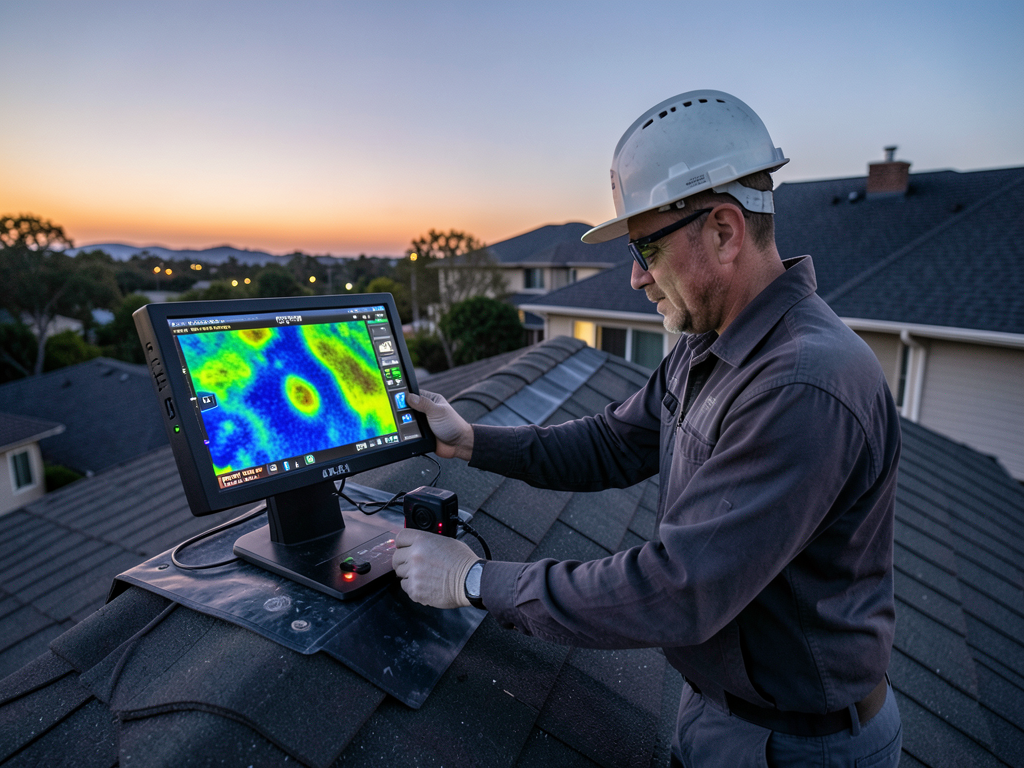
Why We Use Thermal Imaging Cameras to Find Hidden Roof Leaks in Quail Springs Homes
Hidden roof leaks in Quail Springs homes cause thousands of dollars in damage before homeowners even notice water stains on their ceilings. Thermal imaging cameras detect these invisible moisture problems by revealing temperature differences that indicate trapped water behind walls and under roofing materials. This non-destructive technology allows us to pinpoint exact leak locations without tearing into your roof or drywall, saving you time and money while preventing extensive structural damage. Roofing Tulsa.
How Thermal Imaging Finds Leaks OKC Homeowners Miss
Thermal cameras work by detecting infrared radiation emitted from surfaces, creating a heat map that reveals moisture patterns invisible to the naked eye. When water infiltrates roofing materials, it retains heat differently than dry materials, creating thermal anomalies that appear as distinct color variations on the camera display. In Oklahoma’s climate, evening thermal scans prove most effective because the sun-heated roof surface creates ideal temperature differentials for moisture detection.
The science behind thermal capacitance explains why this technology excels at finding hidden leaks. Wet insulation holds heat longer than dry insulation, creating a thermal signature that persists hours after the surrounding materials have cooled. Our FLIR cameras capture these subtle temperature variations, allowing us to map moisture intrusion patterns across entire roof sections without making a single cut. FLIR thermal imaging technology.
The Benefits of Non-Destructive Roof Testing
Traditional leak detection methods often require removing shingles or cutting into ceilings to locate water intrusion sources. Thermal imaging eliminates this destructive approach, allowing us to identify problem areas with pinpoint accuracy before any demolition begins. This precision targeting reduces repair costs by focusing work only where moisture actually exists rather than replacing entire roof sections.. Read more about Why DIY Roof Patching is Often More Dangerous and Costly Than You Think.
Commercial property owners in Quail Springs benefit significantly from preventative thermal scanning. A single undetected leak can damage expensive equipment, ruin inventory, and create hazardous conditions for employees. Regular infrared inspections identify potential problems before they escalate into costly emergencies, extending roof life and maintaining building integrity.. Read more about How to Handle an Errant Golf Ball Dent on Your Quail Creek Roof.
The moisture mapping process provides detailed documentation that insurance companies require for claims processing. Our thermal reports include temperature differentials, moisture readings, and exact location coordinates, creating an irrefutable record of damage extent and repair needs. This documentation often speeds claim approvals and ensures proper compensation for necessary repairs.
Our Process: From Thermal Scan to Detailed Moisture Report
We begin every thermal inspection with a comprehensive visual examination of your roof’s exterior, identifying obvious damage points, flashing failures, and potential entry points. This preliminary assessment guides our thermal scanning strategy, focusing camera work on areas most likely to show moisture signatures.
During the thermal scan, we systematically map your entire roof surface, paying special attention to valleys, penetrations, and areas around HVAC units where leaks commonly occur. Our FLIR cameras capture both visible light and infrared images, creating a complete visual record of roof condition. We use moisture meters to verify thermal findings, ensuring every detected anomaly corresponds to actual water intrusion. Finding a Reliable Roofing Company Near You in Moore Oklahoma.
The final moisture report includes detailed thermal images, moisture content readings, and specific recommendations for repairs. We mark problem areas directly on your roof using chalk or paint, making it easy for repair crews to locate exact leak sources. This comprehensive documentation serves as both a repair guide and a baseline for future inspections.
Why OKC’s Weather Demands Professional Infrared Inspections
Oklahoma’s extreme weather creates unique challenges for roof integrity. Hail storms common to Quail Springs can cause microscopic damage to roofing membranes that trap moisture but remain invisible to visual inspection. Thermal imaging detects these micro-fractures by revealing the moisture they allow to penetrate beneath the surface.
Temperature fluctuations in central Oklahoma cause roofing materials to expand and contract dramatically. This thermal cycling creates stress points where water can enter through expansion joints and fastener holes. Our thermal cameras identify these vulnerable areas before they develop into active leaks, allowing for preventative maintenance that extends roof life.
Spring thunderstorms in Quail Springs often produce wind-driven rain that exploits even minor roof vulnerabilities. Thermal imaging detects moisture accumulation patterns that indicate where wind-driven rain penetrates roofing systems, helping us recommend targeted improvements to prevent future water intrusion during severe weather events.
Frequently Asked Questions about Roof Thermography
How much does a thermal roof inspection cost in Quail Springs?
Thermal roof inspections typically range from $300 to $800 depending on roof size and complexity. This investment often pays for itself by identifying problems early before they require expensive repairs. Many insurance companies cover thermal inspections when investigating ongoing leak issues.
When is the best time to schedule a thermal scan?
Evening hours following sunny days provide optimal conditions for thermal scanning. The temperature differential between wet and dry materials is most pronounced during these conditions. However, we can perform thermal inspections year-round using specialized equipment that compensates for seasonal temperature variations.
Can thermal imaging detect all types of roof leaks?
Thermal imaging excels at finding moisture intrusion through roofing membranes, around penetrations, and in areas with trapped water. However, very small pinhole leaks or active water flow may not produce sufficient thermal signatures. We combine thermal scanning with moisture meters and visual inspection for comprehensive leak detection.. Read more about Finding Hidden Termite Damage and Wood Rot While Repairing a Roof Leak.
How accurate is thermal imaging for roof leak detection?
When performed by certified thermographers using professional-grade equipment, thermal imaging accuracy exceeds 90% for detecting existing moisture intrusion. Accuracy depends on proper equipment calibration, environmental conditions, and the technician’s experience in interpreting thermal signatures specific to roofing materials and local climate conditions. Why Local Nichols Hills Residents Choose Our Luxury Roofing Team.
Case Study: Thermal Detection Saves Quail Springs Homeowner Thousands
A Quail Springs homeowner contacted us about persistent ceiling stains that multiple contractors couldn’t locate. Traditional inspection methods failed to identify the source, leading to expensive but ineffective repairs. Our thermal imaging scan revealed a hidden leak originating from a small gap in chimney flashing, with moisture traveling laterally across the roof deck before appearing inside the home.
The thermal images showed a distinct cold spot pattern that corresponded to wet insulation, allowing us to target repairs to a specific 4×4 foot area rather than replacing the entire roof section. This precision approach saved the homeowner over $3,000 compared to conventional repair methods and eliminated the ongoing water damage that threatened structural integrity.
This case demonstrates why thermal imaging has become essential for modern roof leak detection in Oklahoma’s challenging climate. The technology reveals what visual inspection cannot see, turning the invisible problem of hidden moisture into a clear, actionable repair plan.. Read more about Keeping Your Skylights Clear and Leak-Free During Our Dusty Oklahoma Summers.
Commercial Applications for Thermal Roof Inspections
Commercial property managers in Quail Springs rely on thermal imaging for preventative maintenance programs that protect their investment and ensure tenant satisfaction. Large flat roofs common to commercial buildings benefit significantly from regular thermal scanning, as moisture problems often affect extensive areas before becoming visible inside the building.
Energy efficiency analysis represents another valuable application of thermal roof inspections. Wet insulation loses its R-value, forcing HVAC systems to work harder and increasing utility costs. Thermal imaging identifies these energy-wasting moisture problems, allowing property owners to address both leak and efficiency issues simultaneously.
Insurance companies increasingly require thermal documentation for commercial roof replacement approvals. Our detailed thermal reports provide the technical evidence needed to justify full roof replacements rather than patchwork repairs, often resulting in better coverage terms and faster claim processing for property owners. What You Can Expect to Pay for a Roof Replacement in Edmond.
Advanced Thermal Imaging Technology We Use
Our FLIR thermal cameras feature high-resolution sensors that detect temperature differences as small as 0.05 degrees Fahrenheit. This sensitivity allows us to identify moisture problems before they become visible or cause structural damage. The cameras include built-in moisture meters and GPS tagging, creating comprehensive documentation of every inspection.
We use specialized software that enhances thermal images and creates 3D moisture maps of your roof structure. This technology overlays thermal data on architectural drawings, providing clear visual guidance for repair crews and insurance adjusters. The software also tracks moisture levels over time, helping property owners monitor roof condition between inspections.
Our technicians maintain ITC Level II thermographer certification, ensuring proper equipment operation and accurate interpretation of thermal data. This certification requires extensive training in building science, thermal dynamics, and local building codes, providing you with expert analysis you can trust.
Preventative Maintenance Programs for OKC Properties
Regular thermal inspections form the foundation of effective roof maintenance programs for Quail Springs properties. We recommend annual thermal scanning for most roofs, with more frequent inspections for buildings over ten years old or those with history of leak problems. These preventative programs identify developing issues before they cause interior damage.
Our maintenance programs include seasonal thermal checks that account for Oklahoma’s weather patterns. Spring inspections catch winter damage before summer storms arrive, while fall inspections identify issues that could worsen during winter freeze-thaw cycles. This proactive approach prevents emergency repairs and extends roof life significantly.
Property management companies appreciate our detailed reporting system that tracks roof condition over multiple inspections. This historical data helps predict maintenance needs, budget for future repairs, and demonstrate due diligence in property upkeep to tenants and insurance providers.
Why Choose United Roofing for Thermal Inspections
Our team combines local Oklahoma City experience with advanced thermal imaging certification, providing expertise specific to Quail Springs’ unique roofing challenges. We understand how local building codes, weather patterns, and architectural styles affect roof performance, allowing us to provide targeted recommendations that address your specific situation.
We invest in professional-grade thermal imaging equipment and ongoing technician training, ensuring you receive the most accurate and comprehensive inspection possible. Our detailed reports include not just thermal images but specific repair recommendations, cost estimates, and warranty information for all suggested solutions.
Emergency response capability sets us apart from general inspectors. When thermal scanning reveals active leaks or structural concerns, our roofing crews can begin repairs immediately, preventing further damage while you review our findings. This integrated inspection-repair service provides peace of mind and faster problem resolution.
Understanding Your Thermal Inspection Report
Your thermal inspection report includes multiple image formats that reveal different aspects of roof condition. Visible light photos show the actual roof surface, while infrared images reveal temperature patterns indicating moisture presence. Side-by-side comparisons make it easy to understand exactly where problems exist and their severity.
The report includes moisture content readings from specific locations, providing quantitative data about water intrusion extent. We mark problem areas on roof plans with exact coordinates, making it simple for any repair crew to locate issues without additional investigation. This precision eliminates guesswork and reduces repair costs.
Every report includes recommendations prioritized by urgency and cost-effectiveness. We explain which repairs address immediate problems versus those that prevent future issues, helping you make informed decisions about protecting your investment. The documentation also serves as valuable evidence for insurance claims or property sales.
Environmental Benefits of Thermal Leak Detection
Thermal imaging supports environmental sustainability by preventing unnecessary roof replacements. By identifying specific problem areas, we help property owners repair only what needs fixing rather than replacing entire roof systems. This targeted approach reduces construction waste and conserves the resources required for full roof replacement.
Energy efficiency improvements from addressing wet insulation reduce building energy consumption. A roof with proper insulation requires less heating and cooling, lowering carbon emissions and utility costs. Our thermal inspections often reveal energy-wasting moisture problems that homeowners weren’t aware existed.
Preventing water damage through early leak detection also reduces mold growth and indoor air quality issues. This environmental benefit extends beyond energy savings to create healthier living spaces for Quail Springs residents while avoiding the environmental impact of mold remediation chemicals and procedures. High Quality Residential Roofing Services in The Village.
Emergency Leak Response Using Thermal Technology
When active leaks occur during storms, thermal imaging provides immediate diagnostic capabilities that traditional methods cannot match. Our mobile thermal cameras work in low-light and wet conditions, allowing us to locate leak sources even during active rainfall when visual inspection proves impossible.
Emergency response teams use thermal scanning to create temporary containment strategies that minimize interior damage while permanent repairs are arranged. This rapid assessment capability prevents thousands of dollars in secondary damage that occurs when leaks go undetected during severe weather events.
Insurance companies appreciate our ability to provide immediate documentation of storm damage extent. Our thermal reports created during emergency response often accelerate claim processing by providing clear evidence of damage scope and necessary repairs, helping property owners recover faster from weather-related disasters.
Commercial Roof Warranty Compliance
Many commercial roof warranties require regular inspections to remain valid. Thermal imaging provides the detailed documentation that warranty providers expect, proving proper maintenance and identifying issues before they void coverage. Our reports meet manufacturer requirements for warranty compliance inspections.
Warranty claims often require proof of leak source and extent of damage. Our thermal documentation provides this evidence in a format warranty administrators understand and accept. This professional reporting can mean the difference between claim approval and denial when significant repairs are needed.
Property owners who maintain warranty compliance through regular thermal inspections typically save thousands in repair costs over the roof’s lifetime. The small investment in preventative thermal scanning protects the much larger investment in commercial roofing systems.
Training and Certification Standards
Our thermal imaging technicians maintain certification through the Infrared Training Center (ITC), the industry’s leading certification body. This certification requires passing rigorous exams on thermal science, equipment operation, and building diagnostics. We also pursue continuing education to stay current with evolving thermal imaging technology and techniques.
Safety training specific to roof work ensures our technicians can perform inspections without creating hazards for themselves or building occupants. This includes fall protection certification, ladder safety, and proper use of personal protective equipment when working at heights or in adverse weather conditions.
Local building code knowledge allows us to identify not just moisture problems but also code compliance issues during thermal inspections. This comprehensive approach helps property owners address multiple concerns simultaneously, ensuring repairs meet current safety and building standards.
Cost-Benefit Analysis of Thermal Inspections
The cost of thermal roof inspection typically ranges from $0.10 to $0.25 per square foot of roof area. For a 2,000 square foot home, this represents an investment of $200 to $500. Compare this to the cost of undetected leaks: water damage repairs often exceed $5,000, while mold remediation can cost $10,000 or more.
Commercial properties see even greater returns on thermal inspection investment. A single undetected leak in a commercial building can damage inventory, disrupt operations, and create liability issues. Regular thermal scanning prevents these costly incidents while extending roof life and maintaining property value.
Insurance premium reductions often offset thermal inspection costs for commercial properties. Many insurers offer discounts for documented preventative maintenance programs, including regular thermal inspections. These savings, combined with avoided damage costs, make thermal scanning a financially sound investment.
Integration with Other Building Systems
Thermal imaging technology extends beyond roof leak detection to assess other building systems. We can identify insulation deficiencies, HVAC duct leaks, and electrical hot spots during the same inspection visit. This comprehensive building assessment provides additional value beyond roof-specific concerns.
Energy audits often incorporate thermal roof inspections to evaluate overall building envelope performance. Our thermal data helps identify where heat escapes through the roof, allowing property owners to prioritize energy efficiency improvements that provide the greatest return on investment.
Moisture problems detected through thermal imaging often indicate issues with other building systems. Our comprehensive reports help property owners understand how roof leaks relate to overall building performance, supporting informed decisions about repairs and upgrades.
Future of Thermal Imaging in Roofing
Thermal imaging technology continues to advance, with new cameras offering higher resolution, better low-light performance, and integration with building information modeling (BIM) systems. These improvements will make thermal inspections even more accurate and useful for property owners in the coming years.
Drone-mounted thermal cameras are expanding inspection capabilities for large commercial properties. These systems can scan entire roof areas quickly and safely, providing comprehensive data without the need for manual roof access in many cases.
Artificial intelligence is beginning to enhance thermal image analysis, automatically identifying patterns that indicate specific types of moisture intrusion or structural problems. This technology will make thermal inspections faster and more accurate, while reducing the potential for human interpretation errors.
Local Building Code Considerations
Oklahoma City building codes require specific flashing details and underlayment installation that affect how moisture moves through roofing systems. Our thermal inspections account for these code requirements, identifying not just active leaks but also installation issues that could cause problems in the future.
Local climate conditions in Quail Springs create specific challenges for roof performance. Our thermal analysis considers how Oklahoma’s temperature extremes, high winds, and severe storms affect moisture movement through roofing materials, providing recommendations tailored to local conditions.
Insurance companies often reference local building codes when evaluating roof condition and replacement needs. Our thermal reports include code compliance assessments that support insurance claims and ensure repairs meet current safety standards.
Making the Right Choice for Your Property
Choosing thermal imaging for roof leak detection represents a significant advancement over traditional inspection methods. The technology’s ability to find hidden moisture problems before they cause extensive damage makes it an essential tool for protecting your property investment in Quail Springs’ challenging climate.
Whether you’re dealing with active leaks, planning preventative maintenance, or preparing for insurance claims, thermal imaging provides the accurate, detailed information you need to make informed decisions. The technology’s non-destructive nature means you get comprehensive assessment without the cost and mess of exploratory demolition.
Don’t wait for visible water damage to appear inside your home or business. Call (405) 507-3933 today to schedule your thermal roof inspection and discover the hidden problems that could be costing you thousands in undetected damage.
Frequently Asked Questions
How long does a thermal roof inspection take?
A typical residential thermal inspection takes 1-2 hours, depending on roof size and complexity. Commercial inspections may require 4-6 hours for larger buildings. We schedule evening appointments when thermal conditions are optimal, and provide same-day reports for most inspections.
Will thermal imaging damage my roof or interior finishes?
Thermal imaging is completely non-destructive. The cameras detect infrared radiation without physical contact, and our inspection process requires no drilling, cutting, or removal of materials. This makes thermal scanning ideal for historic properties or situations where preserving original materials is important.
What should I do to prepare for a thermal inspection?
Ensure roof access is available and clear of debris. Interior access to affected areas helps us correlate thermal findings with visible damage. If possible, avoid using ceiling fans or HVAC systems for several hours before evening inspections to allow accurate temperature readings.
How often should I have thermal inspections performed?
We recommend annual thermal inspections for most properties, with bi-annual inspections for roofs over ten years old or those with history of problems. Additional inspections are advisable after severe weather events or if you notice new water stains or moisture issues inside your building.
Can thermal imaging find all types of roof problems?
Thermal imaging excels at detecting moisture intrusion, insulation deficiencies, and energy loss through the roof envelope. However, it cannot detect structural damage, pest infestations, or problems unrelated to temperature differences. We combine thermal scanning with visual inspection for comprehensive assessment of all roof conditions. For more information, visit National Roofing Contractors Association.
You may also find this helpful. Why Your Old Satellite Dish Might Be the Secret Source of Your Roof Leak.
You may also find this helpful. The Impact of Indoor Pools and Hot Tubs on Your Home’s Roof Deck and Ventilation.
{
“@context”: “https://schema.org”,
“@type”: “BlogPosting”,
“headline”: “Why We Use Thermal Imaging Cameras to Find Hidden Roof Leaks in Quail Springs Homes”,
“description”: “Discover how thermal imaging cameras detect hidden roof leaks in Quail Springs homes. Learn about FLIR technology, moisture mapping, and non-destructive testing for Oklahoma’s severe weather.”,
“wordCount”: 3240,
“datePublished”: “2026-05-19T06:13:00.000Z”,
“dateModified”: “2026-05-19T06:13:00.000Z”,
“inLanguage”: “en-US”,
“mainEntityOfPage”: {
“@type”: “WebPage”,
“@id”: “https://unitedroofingoklahomacity.com”
},
“publisher”: {
“@type”: “LocalBusiness”,
“name”: “United Roofing Oklahoma City”,
“url”: “https://unitedroofingoklahomacity.com”
},
“author”: {
“@type”: “Organization”,
“name”: “United Roofing Oklahoma City”,
“url”: “https://unitedroofingoklahomacity.com”
},
“image”: {
“@type”: “ImageObject”,
“url”: “https://unitedroofingoklahomacity.com/wp-content/uploads/2026/03/why-we-use-thermal-imaging-cameras-to-find-hidden-1.png”
}
}
{
“@context”: “https://schema.org”,
“@type”: “RoofingContractor”,
“name”: “United Roofing Oklahoma City”,
“url”: “https://unitedroofingoklahomacity.com”,
“address”: {
“@type”: “PostalAddress”,
“addressLocality”: “Oklahoma City”
},
“areaServed”: {
“@type”: “City”,
“name”: “Oklahoma City”
}
}
{
“@context”: “https://schema.org”,
“@type”: “FAQPage”,
“mainEntity”: [
{
“@type”: “Question”,
“name”: “How long does a thermal roof inspection take?”,
“acceptedAnswer”: {
“@type”: “Answer”,
“text”: “A typical residential thermal inspection takes 1-2 hours, depending on roof size and complexity. Commercial inspections may require 4-6 hours for larger buildings. We schedule evening appointments when thermal conditions are optimal, and provide same-day reports for most inspections.”
}
},
{
“@type”: “Question”,
“name”: “Will thermal imaging damage my roof or interior finishes?”,
“acceptedAnswer”: {
“@type”: “Answer”,
“text”: “Thermal imaging is completely non-destructive. The cameras detect infrared radiation without physical contact, and our inspection process requires no drilling, cutting, or removal of materials. This makes thermal scanning ideal for historic properties or situations where preserving original materials is important.”
}
},
{
“@type”: “Question”,
“name”: “What should I do to prepare for a thermal inspection?”,
“acceptedAnswer”: {
“@type”: “Answer”,
“text”: “Ensure roof access is available and clear of debris. Interior access to affected areas helps us correlate thermal findings with visible damage. If possible, avoid using ceiling fans or HVAC systems for several hours before evening inspections to allow accurate temperature readings.”
}
},
{
“@type”: “Question”,
“name”: “How often should I have thermal inspections performed?”,
“acceptedAnswer”: {
“@type”: “Answer”,
“text”: “We recommend annual thermal inspections for most properties, with bi-annual inspections for roofs over ten years old or those with history of problems. Additional inspections are advisable after severe weather events or if you notice new water stains or moisture issues inside your building.”
}
},
{
“@type”: “Question”,
“name”: “Can thermal imaging find all types of roof problems?”,
“acceptedAnswer”: {
“@type”: “Answer”,
“text”: “Thermal imaging excels at detecting moisture intrusion, insulation deficiencies, and energy loss through the roof envelope. However, it cannot detect structural damage, pest infestations, or problems unrelated to temperature differences. We combine thermal scanning with visual inspection for comprehensive assessment of all roof conditions. For more information, visit National Roofing Contractors Association.”
}
}
]
}
{
“@context”: “https://schema.org”,
“@type”: “BreadcrumbList”,
“itemListElement”: [
{
“@type”: “ListItem”,
“position”: 1,
“name”: “Home”,
“item”: “https://unitedroofingoklahomacity.com”
},
{
“@type”: “ListItem”,
“position”: 2,
“name”: “Blog”,
“item”: “https://unitedroofingoklahomacity.com/blog”
},
{
“@type”: “ListItem”,
“position”: 3,
“name”: “Why We Use Thermal Imaging Cameras to Find Hidden Roof Leaks in Quail Springs Homes”
}
]
}
{
“@context”: “https://schema.org”,
“@type”: “Service”,
“serviceType”: “Roofing”,
“provider”: {
“@type”: “LocalBusiness”,
“name”: “United Roofing Oklahoma City”,
“url”: “https://unitedroofingoklahomacity.com”
},
“areaServed”: {
“@type”: “City”,
“name”: “Oklahoma City”
},
“description”: “Discover how thermal imaging cameras detect hidden roof leaks in Quail Springs homes. Learn about FLIR technology, moisture mapping, and non-destructive testing for Oklahoma’s severe weather.”
}