
Why You Might Hear Strange Creaking Noises in Your Roof During an Oklahoma Cold Snap
When temperatures plummet in Oklahoma City the sudden cold can make your roof produce unsettling sounds. That popping creaking or groaning noise coming from above your ceiling is usually caused by rapid temperature changes affecting your roof’s materials. Most of the time these sounds are completely normal and nothing to worry about. However understanding what causes them and when they might signal a real problem can save you from unnecessary stress or costly repairs down the road.. Read more about Comparing Standing Seam versus Screw Down Metal Roofs for Your Property in Luther.
Oklahoma’s unique climate with its wild temperature swings makes roof noises more common here than in many other parts of the country. The science behind these sounds involves thermal expansion and contraction of different materials at different rates. Wood trusses metal fasteners and asphalt shingles all respond differently to temperature changes creating stress points that release as audible pops and creaks. This article explains exactly what those noises mean and when you should actually be concerned.
The Science Behind Roof Noises in Cold Weather
Materials used in roof construction expand when heated and contract when cooled. During an Oklahoma cold snap the outside air temperature can drop 30 to 40 degrees in just a few hours. Your roof absorbs heat from the attic during the day and then rapidly loses it when the cold front hits. This creates what engineers call thermal shock.
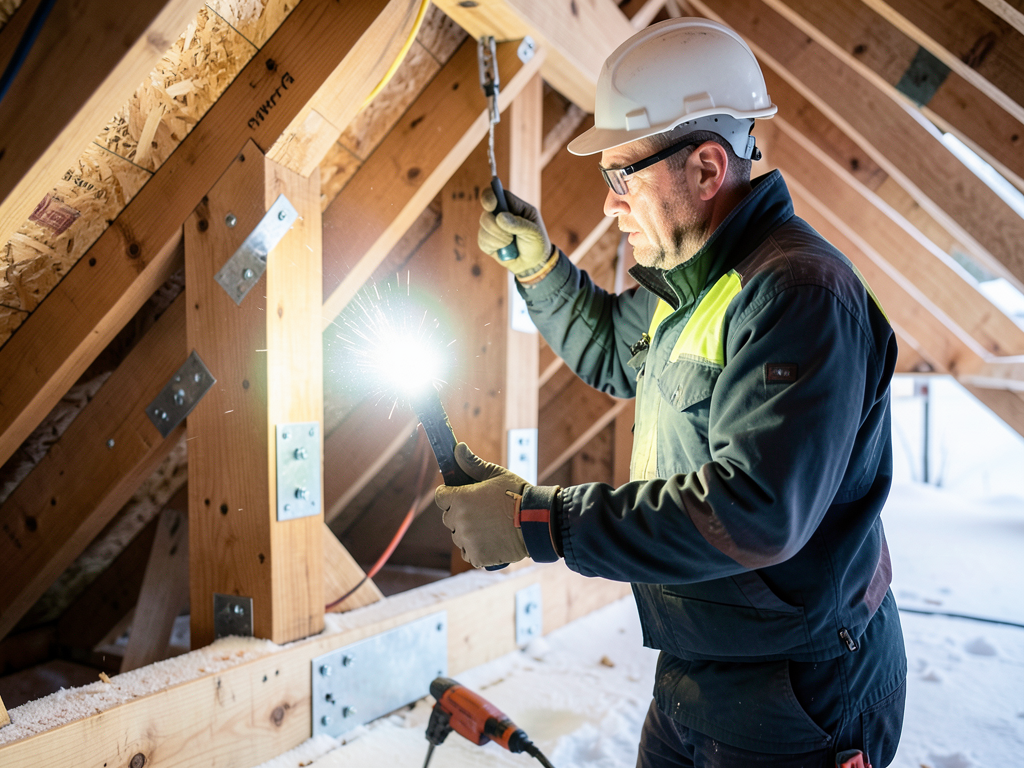
Wood trusses particularly those made from engineered lumber like I-joists or laminated veneer lumber are especially susceptible to these noises. As the wood cools it contracts and the metal plates connecting the truss members can make popping sounds. The plywood sheathing nailed to these trusses also expands and contracts creating additional stress points.
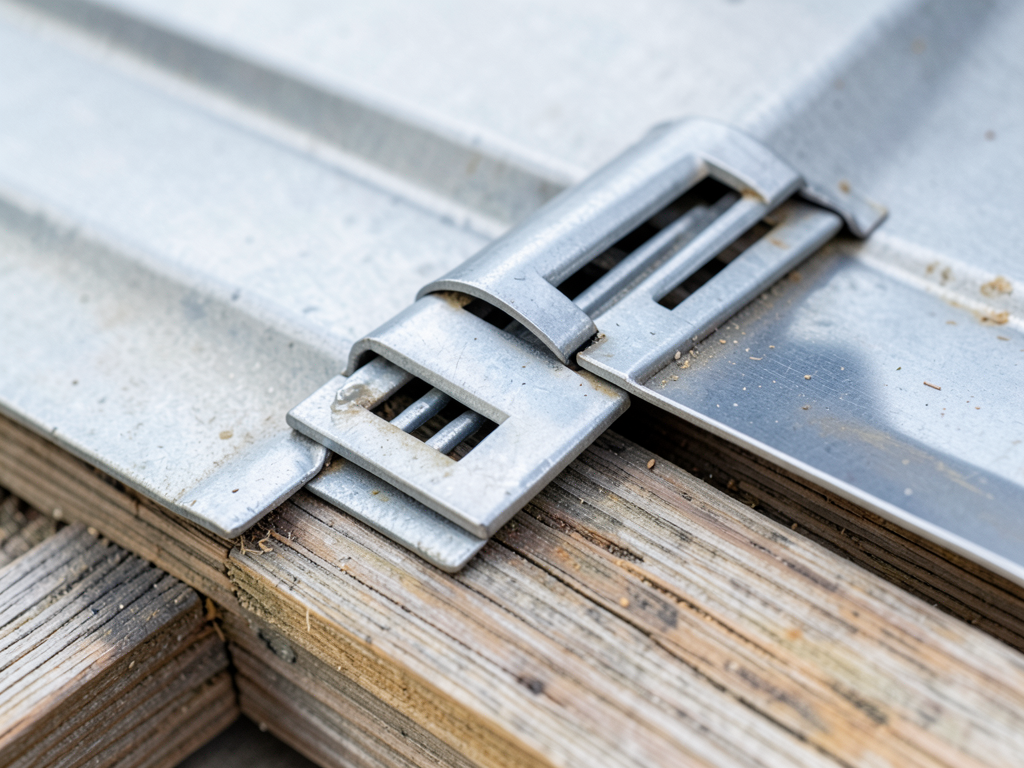
Metal components add another layer of complexity. Roof vents ductwork and flashing contract at different rates than wood. When metal fasteners connecting these components to wooden structures cool they can make sharp cracking sounds as they pull away slightly from the wood.
According to the International Building Code Section 2303.2.3 thermal movement must be accounted for in structural design. Building codes in Oklahoma require specific fastener spacing and types to accommodate this natural movement without compromising structural integrity. International Building Code.
Common Types of Roof Noises and What They Mean
Different sounds indicate different issues. Here’s a guide to help you identify what you are hearing:
| Sound Type | Common Cause | Normal or Concern |
|---|---|---|
| Sharp popping | Truss uplift or fastener movement | Usually normal |
| Creaking or groaning | Wood expansion/contraction or wind pressure | Usually normal |
| Banging or thumping | Loose ductwork or debris in vents | Possible concern |
| Rattling | Loose shingles or flashing | Possible concern |
| Continuous scratching | Animals in attic or walls | Concern needed |
The most common sound during cold snaps is a series of sharp pops that occur within the first few hours of temperature drop. These are typically truss uplift noises. As the wood trusses cool they lift slightly in the center creating stress at the connection points to interior walls. When this stress releases you hear a pop.
Creaking sounds often occur when wind hits your cold roof. The pressure differential between the cold outside air and the relatively warmer attic air causes the entire structure to flex slightly. This flexing creates creaking sounds especially in older homes with less rigid construction.
When to Worry About Roof Noises
Not all roof sounds are harmless. Some indicate serious problems that need immediate attention. Here are warning signs that suggest you should call a professional:
- Visible ceiling cracks
If you notice new cracks appearing in your ceiling drywall especially around the center of rooms this could indicate excessive truss uplift causing structural stress.
- Water stains or leaks
Any sign of water intrusion during or after a cold snap suggests compromised roofing materials or ice dam formation. Roofing Tulsa.
- Persistent loud banging
Continuous loud noises that do not subside after the initial temperature drop may indicate loose components or structural issues.
</n
- Attic inspection findings
If you can safely access your attic and notice daylight through roof boards sagging decking or excessive moisture these are serious red flags.
- Multiple pops over extended periods
While initial popping is normal continuous popping hours after the temperature stabilizes suggests loose fasteners or failing connections.
The National Roofing Contractors Association recommends annual professional inspections especially after severe weather events. A qualified roofer can identify whether your noises are normal thermal movement or signs of developing problems. Roofing Norman.
The Oklahoma Factor: Why Our Roofs Are More Noisy
Oklahoma’s climate creates perfect conditions for roof noises. Our state experiences some of the most extreme temperature fluctuations in the continental United States. It is not uncommon to see 60 to 70 degree swings between summer afternoons and winter nights.
The red clay soil common throughout the Oklahoma City metro area also contributes to roof stress. This expansive soil shrinks dramatically during dry cold periods then swells when moisture returns. This movement transfers to your home’s foundation causing subtle shifts that affect your roof structure.
Oklahoma City’s average January low temperature of 28 degrees combined with frequent cold fronts creates rapid cooling cycles. The National Weather Service reports that Oklahoma experiences more days with temperature changes exceeding 20 degrees than any state except North Dakota.
Local building practices also play a role. Many homes in established Oklahoma City neighborhoods were built before modern thermal movement accommodations were standard. These older structures often lack the engineered connections and expansion gaps found in newer construction. Why Local Nichols Hills Residents Choose Our Luxury Roofing Team.
The Oklahoma Uniform Building Code Commission requires specific fastening patterns for high wind areas but thermal movement requirements are often overlooked by homeowners. Section 1504.1.6 of the Oklahoma Residential Code addresses thermal movement but many existing homes predate these requirements. High Quality Residential Roofing Services in The Village.
Preventative Maintenance to Reduce Roof Noises
While you cannot eliminate thermal movement you can minimize stress on your roof system. Here are practical steps to reduce noises and extend your roof’s life:
- Improve attic ventilation
Proper airflow helps equalize temperature differences between your attic and the outside air. This reduces thermal shock to roofing materials. The U.S. Department of Energy recommends 1 square foot of ventilation per 300 square feet of attic space. Roofing Midwest City.
- Check insulation levels
Adequate insulation keeps your attic closer to the outside temperature reducing the temperature differential that causes stress. Oklahoma homes should have R-38 to R-49 insulation in ceilings according to current energy codes.
- Secure loose components
Have a professional tighten any loose fasteners flashing or vents. This prevents the movement that creates banging sounds.
- Install truss clips
These metal connectors allow controlled movement between trusses and interior walls reducing stress points that cause popping.
- Maintain gutters and downspouts
Proper drainage prevents ice dam formation which can amplify roof noises and cause water damage.
Professional roof maintenance typically costs between $200 and $400 but can prevent thousands in damage from ignored problems. Many Oklahoma roofing companies offer winter inspection specials during the slow season.
Understanding Ice Dam Formation and Related Noises
Ice dams form when snow melts on warmer parts of your roof then refreezes at the colder eaves. This creates a barrier that traps water behind it. As this trapped water refreezes and expands it can make loud cracking sounds.
Oklahoma’s freeze-thaw cycles are particularly problematic. When daytime temperatures rise above freezing then drop below freezing at night ice dams can form rapidly. The expanding ice puts tremendous pressure on shingles and flashing creating both noise and potential leak points.
Signs of ice dam problems include:
- Large icicles hanging from gutters
- Water stains on interior walls near the ceiling
- Sheeting or cracking sounds from roof edges
- Visible ice buildup in gutters
The Federal Emergency Management Agency recommends using roof rakes to remove snow from the bottom three to four feet of your roof after heavy snowfalls. This prevents ice dam formation and the associated noises and damage. Federal Emergency Management Agency.
Professional Inspection: What to Expect
If you decide to have your roof professionally inspected here is what a qualified roofer will check:
- Attic assessment
The inspector will check for proper ventilation moisture levels and signs of structural stress. They will look for water stains rust on metal components and proper insulation installation.
- Exterior examination
Using ladders and safety equipment they will inspect all roof components including shingles flashing vents and chimneys. They will check for loose materials and proper fastening.
- Structural evaluation
The inspector will assess the overall roof structure looking for sagging areas signs of previous repairs and proper drainage patterns.
- Documentation and recommendations
You will receive a written report with photos of any issues found along with recommended repairs and maintenance priorities.
Most professional inspections take 45 to 90 minutes depending on your roof’s complexity. The inspector should provide a detailed report with specific recommendations rather than vague advice.
Conclusion: When Noises Are Just Noises
Most roof creaking and popping during Oklahoma cold snaps is completely normal and nothing to fear. These sounds are simply your home responding to temperature changes in ways that are built into its design. Understanding this can save you from unnecessary worry and expensive emergency service calls.
However do not ignore persistent loud noises or signs of water damage. When in doubt have a professional inspection. The cost of peace of mind and early problem detection is minimal compared to the expense of major roof repairs or interior water damage.
United Roofing has served Oklahoma City and surrounding communities for over 15 years. Our experienced technicians understand the unique challenges our climate creates for roofing systems. We provide honest assessments and practical solutions for both normal thermal movement and genuine roofing problems.
Call (405) 507-3933 today to schedule your professional roof inspection. Do not wait until a small issue becomes a major problem. Our team will evaluate your roof’s condition and provide clear recommendations for keeping your home protected through every Oklahoma season.
Pick up the phone and call (405) 507-3933 before the next cold snap hits. Your roof works hard to protect your family and your investment. Make sure it is in top condition before winter weather arrives.
Frequently Asked Questions
Why does my roof make loud popping sounds only during cold weather?
Loud popping sounds during cold weather are typically caused by thermal contraction of building materials. As temperatures drop rapidly wood trusses metal fasteners and other components cool and shrink at different rates creating stress that releases as popping noises. This is most common during the first few hours of a cold front when temperature changes are most extreme.
Are roof noises during cold snaps dangerous to my home’s structure?
Most roof noises during cold snaps are not dangerous and are a normal part of how buildings respond to temperature changes. However if you notice new cracks in your ceiling persistent loud noises or signs of water damage you should have a professional inspection. These could indicate excessive structural stress or developing problems that need attention.
How can I tell if roof noises are normal or signs of a serious problem?
Normal roof noises are typically sharp pops that occur within the first few hours of temperature drop and then stop. Concerning signs include continuous loud banging persistent noises hours after temperature stabilizes visible water stains new ceiling cracks or sounds accompanied by visible movement in your home’s structure. When in doubt consult a professional roofer.
Can I prevent my roof from making noises during cold weather?
You cannot completely prevent thermal movement noises but you can minimize stress on your roof system. Improve attic ventilation ensure proper insulation levels secure loose components and maintain gutters. Professional installation of truss clips can also reduce stress points. These measures will not eliminate all noises but can reduce their frequency and intensity.
How much does a professional roof inspection cost in Oklahoma City?
Professional roof inspections in Oklahoma City typically cost between $150 and $300 depending on your home’s size and roof complexity. Many companies offer free inspections with repair agreements or seasonal specials. The inspection usually takes 45 to 90 minutes and includes a written report with photos and recommendations.
{
“@context”: “https://schema.org”,
“@type”: “BlogPosting”,
“headline”: “Why You Might Hear Strange Creaking Noises in Your Roof During an Oklahoma Cold Snap”,
“description”: “Hear popping or creaking sounds from your roof during cold snaps? Learn the science behind thermal expansion and when those noises mean trouble for Oklahoma City homes.”,
“wordCount”: 2031,
“datePublished”: “2026-06-03T08:01:00.000Z”,
“dateModified”: “2026-06-03T08:01:00.000Z”,
“inLanguage”: “en-US”,
“mainEntityOfPage”: {
“@type”: “WebPage”,
“@id”: “https://unitedroofingoklahomacity.com”
},
“publisher”: {
“@type”: “LocalBusiness”,
“name”: “United Roofing Oklahoma City”,
“url”: “https://unitedroofingoklahomacity.com”
},
“author”: {
“@type”: “Organization”,
“name”: “United Roofing Oklahoma City”,
“url”: “https://unitedroofingoklahomacity.com”
},
“image”: {
“@type”: “ImageObject”,
“url”: “https://unitedroofingoklahomacity.com/wp-content/uploads/2026/03/why-you-might-hear-strange-creaking-noises-in-your-1.png”
}
}
{
“@context”: “https://schema.org”,
“@type”: “RoofingContractor”,
“name”: “United Roofing Oklahoma City”,
“url”: “https://unitedroofingoklahomacity.com”,
“address”: {
“@type”: “PostalAddress”,
“addressLocality”: “Oklahoma City”
},
“areaServed”: {
“@type”: “City”,
“name”: “Oklahoma City”
}
}
{
“@context”: “https://schema.org”,
“@type”: “FAQPage”,
“mainEntity”: [
{
“@type”: “Question”,
“name”: “Why does my roof make loud popping sounds only during cold weather?”,
“acceptedAnswer”: {
“@type”: “Answer”,
“text”: “Loud popping sounds during cold weather are typically caused by thermal contraction of building materials. As temperatures drop rapidly wood trusses metal fasteners and other components cool and shrink at different rates creating stress that releases as popping noises. This is most common during the first few hours of a cold front when temperature changes are most extreme.”
}
},
{
“@type”: “Question”,
“name”: “Are roof noises during cold snaps dangerous to my home’s structure?”,
“acceptedAnswer”: {
“@type”: “Answer”,
“text”: “Most roof noises during cold snaps are not dangerous and are a normal part of how buildings respond to temperature changes. However if you notice new cracks in your ceiling persistent loud noises or signs of water damage you should have a professional inspection. These could indicate excessive structural stress or developing problems that need attention.”
}
},
{
“@type”: “Question”,
“name”: “How can I tell if roof noises are normal or signs of a serious problem?”,
“acceptedAnswer”: {
“@type”: “Answer”,
“text”: “Normal roof noises are typically sharp pops that occur within the first few hours of temperature drop and then stop. Concerning signs include continuous loud banging persistent noises hours after temperature stabilizes visible water stains new ceiling cracks or sounds accompanied by visible movement in your home’s structure. When in doubt consult a professional roofer.”
}
},
{
“@type”: “Question”,
“name”: “Can I prevent my roof from making noises during cold weather?”,
“acceptedAnswer”: {
“@type”: “Answer”,
“text”: “You cannot completely prevent thermal movement noises but you can minimize stress on your roof system. Improve attic ventilation ensure proper insulation levels secure loose components and maintain gutters. Professional installation of truss clips can also reduce stress points. These measures will not eliminate all noises but can reduce their frequency and intensity.”
}
},
{
“@type”: “Question”,
“name”: “How much does a professional roof inspection cost in Oklahoma City?”,
“acceptedAnswer”: {
“@type”: “Answer”,
“text”: “Professional roof inspections in Oklahoma City typically cost between $150 and $300 depending on your home’s size and roof complexity. Many companies offer free inspections with repair agreements or seasonal specials. The inspection usually takes 45 to 90 minutes and includes a written report with photos and recommendations.”
}
}
]
}
{
“@context”: “https://schema.org”,
“@type”: “HowTo”,
“name”: “When to Call a Professional”,
“step”: [
{
“@type”: “HowToStep”,
“position”: 1,
“name”: “Visible ceiling cracks”,
“text”: “If you notice new cracks appearing in your ceiling drywall especially around the center of rooms this could indicate excessive truss uplift causing structural stress.”
},
{
“@type”: “HowToStep”,
“position”: 2,
“name”: “Water stains or leaks”,
“text”: “Any sign of water intrusion during or after a cold snap suggests compromised roofing materials or ice dam formation. Roofing Tulsa.”
},
{
“@type”: “HowToStep”,
“position”: 3,
“name”: “Persistent loud banging”,
“text”: “Continuous loud noises that do not subside after the initial temperature drop may indicate loose components or structural issues.Attic inspection findingsIf you can safely access your attic and notice daylight through roof boards sagging decking or excessive moisture these are serious red flags.”
},
{
“@type”: “HowToStep”,
“position”: 4,
“name”: “Multiple pops over extended periods”,
“text”: “While initial popping is normal continuous popping hours after the temperature stabilizes suggests loose fasteners or failing connections.”
}
],
“image”: “https://unitedroofingoklahomacity.com/wp-content/uploads/2026/03/why-you-might-hear-strange-creaking-noises-in-your-1.png”
}
{
“@context”: “https://schema.org”,
“@type”: “BreadcrumbList”,
“itemListElement”: [
{
“@type”: “ListItem”,
“position”: 1,
“name”: “Home”,
“item”: “https://unitedroofingoklahomacity.com”
},
{
“@type”: “ListItem”,
“position”: 2,
“name”: “Blog”,
“item”: “https://unitedroofingoklahomacity.com/blog”
},
{
“@type”: “ListItem”,
“position”: 3,
“name”: “Why You Might Hear Strange Creaking Noises in Your Roof During an Oklahoma Cold Snap”
}
]
}
{
“@context”: “https://schema.org”,
“@type”: “Service”,
“serviceType”: “Roofing”,
“provider”: {
“@type”: “LocalBusiness”,
“name”: “United Roofing Oklahoma City”,
“url”: “https://unitedroofingoklahomacity.com”
},
“areaServed”: {
“@type”: “City”,
“name”: “Oklahoma City”
},
“description”: “Hear popping or creaking sounds from your roof during cold snaps? Learn the science behind thermal expansion and when those noises mean trouble for Oklahoma City homes.”
}