
Why You Might See Shingle Granules in Your Driveway and What it Actually Means
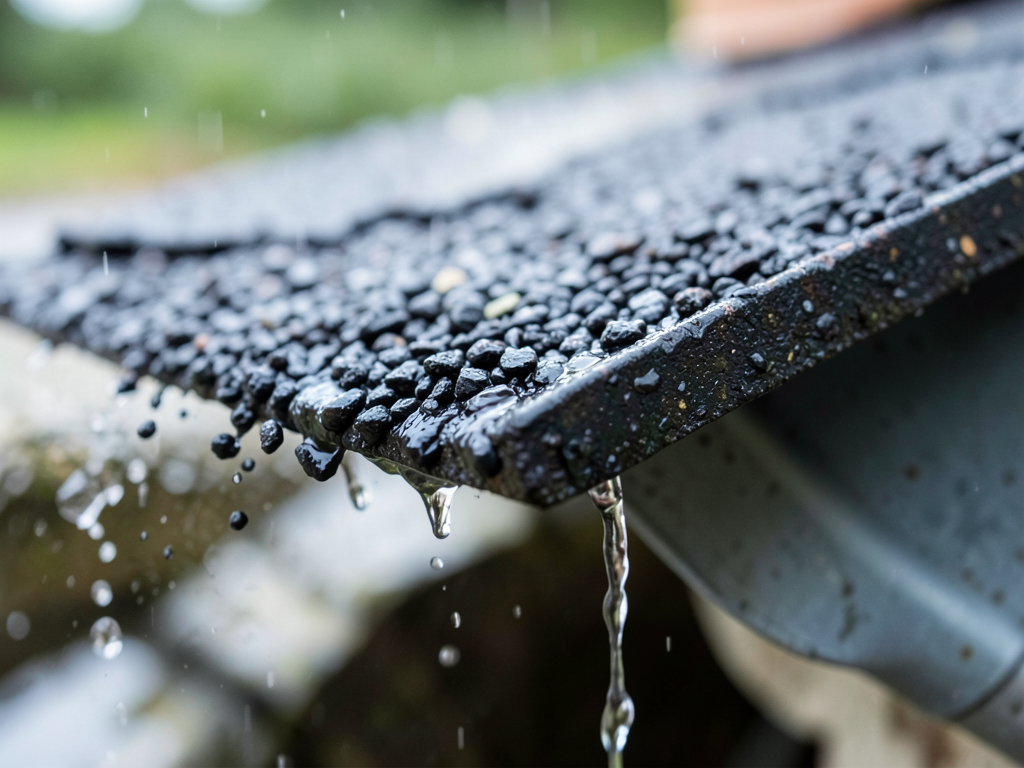
Finding black sand-like granules in your driveway after a rain storm can be alarming. These are asphalt shingle granules breaking free from your roof. In Oklahoma City’s extreme climate, this is a common but important warning sign. The granules protect your shingles from UV damage and hail impact. When they shed faster than normal, your roof loses its armor and becomes vulnerable to leaks and premature failure. Finding a Reliable Roofing Company Near You in Moore Oklahoma.
Most granule loss happens gradually over years. But Oklahoma’s intense summer heat, frequent hail storms, and rapid temperature swings can accelerate the process. The question is not just “are granules falling” but “how much and why.” A few loose granules are normal for a new roof. A steady stream of granules washing into your gutters signals a bigger problem that needs attention.
Before you panic, understand the difference between normal shedding and serious damage. Factory-fresh shingles often release loose granules during installation. This is harmless excess material. But if you see bald spots on your shingles, exposed fiberglass mat, or granules piling up in your downspouts, your roof is deteriorating faster than it should. In Oklahoma City, where a typical roof lasts 15-20 years instead of the national average 20-25, early detection can save you thousands in emergency repairs.
What is Shingle Granule Loss?
Asphalt shingles get their durability from a top layer of ceramic-coated mineral granules. These tiny rocks serve two critical functions: they reflect UV rays to prevent shingle overheating and they create a tough surface that resists hail impact. When granules detach, the underlying asphalt becomes brittle and cracks under Oklahoma’s temperature swings.
The loss process starts subtly. You might notice a fine grit in your gutters after the first heavy rain. Over time, larger patches of granules wash away, leaving dark spots where the asphalt shows through. In severe cases, the fiberglass mat becomes visible and the shingle curls at the edges. This is when leaks begin.
Oklahoma’s climate accelerates granule loss through three mechanisms. First, UV radiation breaks down the asphalt binder holding granules in place. Second, thermal expansion and contraction from 100-degree summers to freezing winter nights causes the shingle to flex and shed granules. Third, hail impact knocks granules loose immediately. A single severe storm can strip years of protection from your roof.
Is it Normal? New Roof Shedding vs. Storm Damage
New asphalt shingles shed some loose granules during the first few rains. This is normal. Factory processes leave behind excess granules that did not fully embed in the asphalt. These wash away harmlessly within the first year. You might see this as a fine black dust in your gutters or driveway.
Storm damage looks different. Hail impacts create circular bare spots where granules are knocked completely off. The center of each impact shows a shiny asphalt circle. High winds can peel entire sections of shingles, leaving long bare streaks. If you see these patterns after a storm, your roof has sustained significant damage.
To test if your loss is normal, check your gutters. A thin layer of granules after the first rain is expected. If you see more than a quarter-inch of granules or if the layer grows thicker each month, your shingles are deteriorating faster than normal. In Oklahoma City, this accelerated loss often indicates hail damage from a storm you might not even remember. What You Can Expect to Pay for a Roof Replacement in Edmond.
Age matters too. A ten-year-old roof losing granules is concerning. A twenty-year-old roof doing the same is nearing the end of its service life. Oklahoma’s harsh climate means most roofs need replacement around year fifteen instead of twenty-five. If your roof is approaching that age and shedding heavily, replacement is likely your best option.
Top 5 Causes of Granule Loss in Oklahoma
Oklahoma’s position in Tornado Alley creates unique roofing challenges. Five factors dominate granule loss here: hail impact, UV degradation, thermal shock, wind damage, and poor attic ventilation. Understanding which affects your roof helps determine the right fix. Roofing Tulsa.
Hail damage is the most obvious cause. Oklahoma averages seven to nine hailstorms per year, with stones often exceeding one inch in diameter. Each hailstone impact creates a circular bare spot where granules are knocked away. Multiple impacts weaken the shingle’s integrity and accelerate overall loss.
UV radiation is the silent killer. Oklahoma City receives over 230 sunny days per year. UV rays break down the asphalt binder that holds granules in place. This process happens everywhere but is more severe at Oklahoma’s latitude. Dark shingles absorb more heat and degrade faster than light colors.
Thermal shock occurs when temperatures swing dramatically. Oklahoma routinely sees 40 to 50-degree changes in a single day. Shingles expand in the heat and contract in the cold. This constant movement breaks the bond between granules and asphalt. Over years, this causes widespread shedding.
High winds create another problem. Oklahoma’s average wind speed exceeds 12 miles per hour, with frequent gusts over 60 miles per hour during storms. Wind lifts shingle edges, allowing rain to get underneath. This water freezes and expands, popping granules loose. Repeated cycles create widespread damage.
Finally, poor attic ventilation traps heat and moisture. Oklahoma’s humidity, combined with attic temperatures that can exceed 150 degrees in summer, bakes shingles from below. This causes the asphalt to soften and granules to detach. Proper ventilation can extend roof life by five to ten years.

How to Spot the Signs
Finding granules in your driveway is just the first sign. Several other indicators help you assess your roof’s condition. Learning to spot these signs early can prevent costly water damage to your home’s interior.
Check your gutters during the next rain. If you see a steady stream of black granules washing out the downspout, your roof is actively shedding. A small amount is normal. A heavy flow indicates accelerated loss. Use a garden trowel to scoop some granules into a container. If they fill more than a quarter of a small container, call for an inspection.
Examine your shingles from ground level with binoculars. Look for shiny or dark spots where granules are missing. These appear as irregular patches or circular areas. Pay special attention to south-facing slopes, which receive the most sun exposure and degrade fastest.
Check for curling or cupping at shingle edges. When granules fall off, the shingle loses weight and flexibility. Edges curl upward, creating channels where water can penetrate. This is especially common on older roofs or those with poor ventilation.
Inspect your attic during daylight hours. Turn off the lights and look for pinpricks of light coming through the roof. Small holes indicate granule loss has progressed to actual shingle deterioration. Also check for water stains on rafters or insulation, which suggest leaks have already started.
Finally, feel your shingles if you can safely access your roof. Healthy shingles feel slightly rough from the granules. Bare spots feel smooth and sometimes sticky. If large areas feel smooth to the touch, your roof has lost significant protection.
Repair vs. Replace: The Cost of Waiting
Deciding between repair and replacement depends on the extent of granule loss and your roof’s age. Small, localized damage might be repairable. Widespread loss usually requires full replacement. Understanding the cost implications helps you make the right choice. Why Local Nichols Hills Residents Choose Our Luxury Roofing Team.
Minor repairs work when damage is limited to a few hail-struck areas or wind-torn sections. A roofing professional can replace individual shingles, restoring protection to problem spots. This approach costs less upfront but does not address underlying issues causing widespread loss. Roofing Norman.
Full replacement becomes necessary when granule loss affects more than 30 percent of your roof or when your roof is over fifteen years old. Oklahoma’s climate means most roofs need replacement by year fifteen instead of the national average of twenty-five. Waiting beyond this point risks catastrophic failure.
The cost of waiting can be substantial. A small leak that costs $500 to repair today might become a $5,000 interior repair in six months. Water damage to insulation, drywall, and electrical systems escalates quickly. In Oklahoma’s humid climate, mold growth begins within 24 to 48 hours of water intrusion.
Insurance considerations also matter. Most Oklahoma homeowners insurance policies cover sudden damage but not gradual deterioration. If your granule loss results from a covered event like hail, you might qualify for a full replacement. If it is simply age-related, you will pay the entire cost yourself.
Energy efficiency provides another reason to replace sooner rather than later. Modern shingles with reflective granules can reduce cooling costs by 10 to 15 percent in Oklahoma’s hot climate. The energy savings often offset part of the replacement cost over time.
Navigating Insurance Claims in OKC
Oklahoma insurance claims for roof damage follow specific patterns. Understanding these helps you maximize your coverage and avoid common pitfalls. Most Oklahoma insurers use a depreciation model that reduces payouts based on your roof’s age.
Hail damage is the most common covered peril. Oklahoma averages 500 to 600 hailstorms per year across the state. If your granule loss resulted from a recent hailstorm, your insurance should cover repair or replacement. The key is proving the damage occurred during a covered event.
Document everything. Take photos of granule accumulation in gutters, bare spots on shingles, and any interior water damage. Keep samples of the granules you collect. This evidence helps your insurance adjuster assess the extent of damage accurately.
Most Oklahoma insurers require a professional inspection before approving claims. They look for specific damage patterns that distinguish hail impact from normal wear. Circular bare spots with rough edges indicate hail damage. Uniform granule loss across the entire roof suggests aging.
Understand your policy’s actual cash value versus replacement cost coverage. Actual cash value policies pay the current value of your roof minus depreciation. Replacement cost policies pay for a new roof minus your deductible. In Oklahoma, replacement cost coverage is worth the extra premium for most homeowners.
Act quickly after storms. Most Oklahoma insurance policies have a one-year statute of limitations for filing claims. If you suspect hail damage, schedule an inspection within months rather than years. Waiting too long can result in claim denial.
Consider hiring a public adjuster for complex claims. These professionals work for you, not the insurance company. They understand Oklahoma’s specific insurance regulations and can often secure higher settlements than homeowners achieve on their own.
Finally, be wary of storm chasers who appear after major weather events. These out-of-state contractors often do poor work and disappear when problems arise. Choose a local Oklahoma City roofer with a physical office and established reputation.
Frequently Asked Questions
How many granules in my gutters are too many?
If you collect more than a quarter-inch of granules in a single gutter cleaning, or if the amount increases each month, you have excessive loss. A good test is to fill a small container. If it fills more than one-third full with granules, call for inspection.
Can I repair just the damaged areas or do I need a full replacement?
Small, isolated damage from a recent storm might be repairable. If more than 30 percent of your roof shows granule loss, or if your roof is over fifteen years old, replacement is usually more cost-effective. Oklahoma’s climate means most roofs need replacement around year fifteen.
Will my insurance cover granule loss?
Insurance covers sudden damage from covered perils like hail, but not gradual deterioration from aging. If your loss resulted from a recent hailstorm, you likely have coverage. If it is simply age-related, you will pay for replacement yourself. Document everything and get a professional inspection.
How long do asphalt shingles last in Oklahoma?
Most asphalt shingles last 15 to 20 years in Oklahoma, compared to 20 to 25 years in milder climates. Our intense UV exposure, frequent hail, and temperature extremes accelerate deterioration. Premium architectural shingles might last 20 to 25 years with proper ventilation and maintenance.
What should I do if I find granules in my driveway?
First, check your gutters and roof for additional signs of damage. If you see widespread loss, bare spots, or curling shingles, schedule a professional inspection. If you suspect hail damage, contact your insurance company promptly. Early detection prevents costly interior damage.
Take Action Before the Next Storm
Finding shingle granules in your driveway is your roof’s way of asking for help. In Oklahoma City’s harsh climate, this early warning sign can prevent thousands in water damage repairs. The question is not whether you have a problem, but how serious it has become.
Most homeowners wait until they see water stains on their ceiling before calling a roofer. By then, the damage is extensive and expensive. A simple inspection when you first notice granules can save you from emergency repairs during Oklahoma’s next severe weather outbreak.
Oklahoma’s weather patterns make roof maintenance critical. We average 235 sunny days per year, creating intense UV exposure. We experience 500 to 600 hailstorms annually. Our temperature swings can exceed 50 degrees in a single day. These factors combine to accelerate granule loss beyond normal rates.
Do not gamble with your home’s protection. Call (405) 507-3933 today to schedule your free 12-point roof inspection. Our Oklahoma City-based team understands local weather patterns and can identify problems before they become emergencies. We will assess your granule loss, check for hail damage, and provide honest recommendations for repair or replacement.
Pick up the phone and call (405) 507-3933 before the next storm hits. Your roof protects everything you own. Do not wait until water is dripping through your ceiling to take action. A small investment now prevents major expenses later. For more information, visit FEMA. For more information, visit NRCA.
{
“@context”: “https://schema.org”,
“@type”: “BlogPosting”,
“headline”: “Why You Might See Shingle Granules in Your Driveway and What it Actually Means”,
“description”: “Finding shingle granules in your driveway signals roof wear. Learn the causes, when it’s normal vs. serious, and what Oklahoma City homeowners should do next.”,
“wordCount”: 2312,
“datePublished”: “2026-04-02T12:15:00.000Z”,
“dateModified”: “2026-04-02T12:15:00.000Z”,
“inLanguage”: “en-US”,
“mainEntityOfPage”: {
“@type”: “WebPage”,
“@id”: “https://unitedroofingoklahomacity.com”
},
“publisher”: {
“@type”: “LocalBusiness”,
“name”: “United Roofing Oklahoma City”,
“url”: “https://unitedroofingoklahomacity.com”
},
“author”: {
“@type”: “Organization”,
“name”: “United Roofing Oklahoma City”,
“url”: “https://unitedroofingoklahomacity.com”
},
“image”: {
“@type”: “ImageObject”,
“url”: “https://unitedroofingoklahomacity.com/wp-content/uploads/2026/03/why-you-might-see-shingle-granules-in-your-drivewa-1.png”
}
}
{
“@context”: “https://schema.org”,
“@type”: “RoofingContractor”,
“name”: “United Roofing Oklahoma City”,
“url”: “https://unitedroofingoklahomacity.com”,
“address”: {
“@type”: “PostalAddress”,
“addressLocality”: “Oklahoma City”
},
“areaServed”: {
“@type”: “City”,
“name”: “Oklahoma City”
}
}
{
“@context”: “https://schema.org”,
“@type”: “FAQPage”,
“mainEntity”: [
{
“@type”: “Question”,
“name”: “What is Shingle Granule Loss?”,
“acceptedAnswer”: {
“@type”: “Answer”,
“text”: “Asphalt shingles get their durability from a top layer of ceramic-coated mineral granules. These tiny rocks serve two critical functions: they reflect UV rays to prevent shingle overheating and they create a tough surface that resists hail impact. When granules detach, the underlying asphalt becomes brittle and cracks under Oklahoma’s temperature swings.”
}
},
{
“@type”: “Question”,
“name”: “How many granules in my gutters are too many?”,
“acceptedAnswer”: {
“@type”: “Answer”,
“text”: “If you collect more than a quarter-inch of granules in a single gutter cleaning, or if the amount increases each month, you have excessive loss. A good test is to fill a small container. If it fills more than one-third full with granules, call for inspection.”
}
},
{
“@type”: “Question”,
“name”: “Can I repair just the damaged areas or do I need a full replacement?”,
“acceptedAnswer”: {
“@type”: “Answer”,
“text”: “Small, isolated damage from a recent storm might be repairable. If more than 30 percent of your roof shows granule loss, or if your roof is over fifteen years old, replacement is usually more cost-effective. Oklahoma’s climate means most roofs need replacement around year fifteen.”
}
},
{
“@type”: “Question”,
“name”: “Will my insurance cover granule loss?”,
“acceptedAnswer”: {
“@type”: “Answer”,
“text”: “Insurance covers sudden damage from covered perils like hail, but not gradual deterioration from aging. If your loss resulted from a recent hailstorm, you likely have coverage. If it is simply age-related, you will pay for replacement yourself. Document everything and get a professional inspection.”
}
},
{
“@type”: “Question”,
“name”: “How long do asphalt shingles last in Oklahoma?”,
“acceptedAnswer”: {
“@type”: “Answer”,
“text”: “Most asphalt shingles last 15 to 20 years in Oklahoma, compared to 20 to 25 years in milder climates. Our intense UV exposure, frequent hail, and temperature extremes accelerate deterioration. Premium architectural shingles might last 20 to 25 years with proper ventilation and maintenance.”
}
},
{
“@type”: “Question”,
“name”: “What should I do if I find granules in my driveway?”,
“acceptedAnswer”: {
“@type”: “Answer”,
“text”: “First, check your gutters and roof for additional signs of damage. If you see widespread loss, bare spots, or curling shingles, schedule a professional inspection. If you suspect hail damage, contact your insurance company promptly. Early detection prevents costly interior damage.”
}
}
]
}
{
“@context”: “https://schema.org”,
“@type”: “BreadcrumbList”,
“itemListElement”: [
{
“@type”: “ListItem”,
“position”: 1,
“name”: “Home”,
“item”: “https://unitedroofingoklahomacity.com”
},
{
“@type”: “ListItem”,
“position”: 2,
“name”: “Blog”,
“item”: “https://unitedroofingoklahomacity.com/blog”
},
{
“@type”: “ListItem”,
“position”: 3,
“name”: “Why You Might See Shingle Granules in Your Driveway and What it Actually Means”
}
]
}
{
“@context”: “https://schema.org”,
“@type”: “Service”,
“serviceType”: “Roofing”,
“provider”: {
“@type”: “LocalBusiness”,
“name”: “United Roofing Oklahoma City”,
“url”: “https://unitedroofingoklahomacity.com”
},
“areaServed”: {
“@type”: “City”,
“name”: “Oklahoma City”
},
“description”: “Finding shingle granules in your driveway signals roof wear. Learn the causes, when it’s normal vs. serious, and what Oklahoma City homeowners should do next.”
}