
Why Your AC Struggles During Oklahoma City Summers
Your air conditioner runs constantly. The second floor feels like a sauna. Your energy bills spike every July. Before you call the HVAC technician and spend thousands on a new unit, consider this: your roof ventilation might be the real culprit.. Read more about Why You Might Hear Strange Creaking Noises in Your Roof During an Oklahoma Cold Snap.
Oklahoma City’s extreme summer heat creates a perfect storm for attic ventilation problems. When outdoor temperatures hit 95°F, your attic can soar to 150°F or higher. This superheated air radiates through your ceiling, forcing your AC to work overtime just to maintain comfortable temperatures. The result? Higher bills, uneven cooling, and an HVAC system that sounds like it’s running a marathon.
Many Oklahoma City homeowners replace perfectly good AC units when the real problem lies above their ceilings. Proper roof ventilation can reduce attic temperatures by 20-30°F, extending your AC’s lifespan and cutting cooling costs by 10-25%. The solution might be simpler and more affordable than you think.. Read more about Why Your New Shingles Will Fail Without Proper Soffit Ventilation in Your Yukon Home.
How Attic Heat Affects Your AC Performance
Heat moves from hot to cold areas. During Oklahoma summers, your attic becomes an oven that radiates heat downward through your ceiling. This creates what building scientists call the “stack effect” – hot air rises and gets trapped, creating pressure that forces cool air out of your living space.
Your AC must now cool not just the outdoor heat entering through windows and walls, but also the intense radiant heat coming from above. A typical 2,000 square foot home in Oklahoma City might have 1,000 square feet of ceiling area transferring attic heat into living spaces. That’s like leaving a 3,000-watt heater running 24/7 during summer months.
The physics are straightforward: for every 18°F increase in attic temperature, your cooling load increases by approximately 10%. In Oklahoma City where attics regularly reach 140-160°F, that translates to a 20-30% increase in AC runtime and energy consumption.
Signs Your Roof Ventilation Needs Attention
Before investing in a new AC unit, look for these ventilation warning signs specific to Oklahoma City homes:
- Second floor temperatures 8-12°F warmer than first floor during summer afternoons
- Ice buildup on north-facing roof edges during rare winter cold snaps (indicates poor airflow)
- Curling or buckling shingles on south-facing roof slopes
- Excessive dust accumulation on ceiling fan blades (indicates negative pressure pulling attic air)
- Musty odors in upstairs rooms during humid periods
- AC unit running continuously on moderately hot days
Oklahoma City’s humidity compounds ventilation problems. When warm, moist air gets trapped in poorly ventilated attics, it creates ideal conditions for mold growth and wood rot. The combination of heat and humidity can reduce shingle lifespan by 30-40% and void manufacturer warranties that require proper ventilation.
Types of Roof Ventilation Systems
Understanding ventilation options helps you make informed decisions about your home’s needs. Here’s how different systems perform in Oklahoma City’s climate:
| Ventilation Type | Performance in OKC Heat | Wind Resistance | Cost Range |
|---|---|---|---|
| Ridge Vents | Excellent continuous airflow | High (low profile) | $400-800 |
| Solar Attic Fans | Strong during peak sun | Moderate | $800-1,500 | Turbine Vents | Good with wind | Very High | $250-450 each |
| Power Vents | Consistent performance | Low (electric) | $600-1,200 |
| Soffit Vents | Essential for intake | N/A | $2-5 per linear foot |
Oklahoma City’s high wind environment (part of Tornado Alley) makes turbine vents and ridge vents particularly effective. The constant breeze helps exhaust hot air even on calm days. However, turbine vents require maintenance – bearings can fail after 5-7 years in our extreme temperature swings.
The Financial Impact of Poor Ventilation
Poor attic ventilation costs Oklahoma City homeowners hundreds of dollars annually in wasted energy. Here’s a typical scenario for a 2,000 square foot home:
| Condition | Monthly Cooling Cost | Annual Cost | Potential Savings |
|---|---|---|---|
| Poor Ventilation | $220-280 | $2,640-3,360 | – |
| Improved Ventilation | $180-230 | $2,160-2,760 | $480-600 |
| Optimal Ventilation | $160-200 | $1,920-2,400 | $720-960 |
Beyond energy savings, proper ventilation extends shingle life by 5-8 years in Oklahoma’s harsh climate. With replacement costs averaging $8,000-12,000, that’s an additional $1,600-2,400 in avoided replacement costs. What You Can Expect to Pay for a Roof Replacement in Edmond.
Oklahoma City’s OG&E offers energy efficiency rebates for attic improvements. Current programs provide $100-300 for ventilation upgrades that reduce cooling loads by documented percentages. These rebates can offset 20-40% of installation costs.
Oklahoma City Climate Considerations
Our unique climate creates specific ventilation challenges. Oklahoma City experiences:
- 100°F+ days: 25-35 annually (2020-2023 average)
- High humidity: 60-80% during summer months
- Rapid temperature swings: 40-50°F changes common in spring/fall
- Severe weather: High winds, hail, and occasional ice storms
These conditions require ventilation systems that handle both extreme heat and moisture. The International Building Code (IBC Section 1203) requires 1 square foot of net free ventilation area per 150 square feet of attic space. In high-humidity areas like Oklahoma City, many building professionals recommend 1:300 ratio for optimal performance. International Building Code ventilation requirements.
Our expansive clay soils cause foundation movement that can damage roof structures over time. This movement can compromise existing ventilation systems, creating new problem areas every few years. Regular inspections become crucial for maintaining system effectiveness.
Professional Ventilation Assessment Process
A thorough ventilation assessment involves several diagnostic steps that reveal hidden problems:
- Attic Temperature Mapping
Using infrared thermometers to measure temperature variations across attic space. Hot spots indicate blocked airflow or insufficient exhaust.
- Visual Inspection of Existing Vents
Checking for debris, animal nests, or damage to soffit and ridge vents. Oklahoma’s wind-blown debris commonly clogs vents.
- Moisture Meter Testing
Detecting elevated moisture levels in roof decking that indicate poor ventilation and potential mold growth.
- Airflow Calculation
Measuring actual cubic feet per minute (CFM) of airflow compared to required ventilation based on attic volume.
- Shingle Condition Analysis
Examining granule loss patterns and shingle deterioration that indicate excessive attic heat exposure.
During assessment, we use a smoke pencil to visualize airflow patterns. This diagnostic tool reveals dead zones where hot air stagnates – information impossible to gather from ground level inspections.
Ventilation and HVAC System Longevity
Your HVAC system is designed to operate within specific temperature ranges. When attic heat forces it to work harder, several components suffer premature wear:
- Compressor: Runs hotter, reducing lifespan by 2-4 years
- Condenser coils: Accumulate more dirt due to negative pressure pulling attic dust
- Blower motor: Works against higher static pressure from reduced airflow
- Refrigerant lines: Experience greater temperature cycling stress
Oklahoma City’s AC contractors report that 30-40% of premature system failures stem from attic heat issues rather than mechanical problems. The cost of a complete AC replacement ($5,000-12,000) far exceeds most ventilation improvements ($500-3,000).
According to the Department of Energy, proper attic ventilation can reduce HVAC energy consumption by 10-25% and extend system life by 3-5 years. In Oklahoma City’s climate, where AC units run 6-8 months annually, these benefits compound significantly. Department of Energy attic ventilation guide.
Investment Considerations for Oklahoma Homeowners
When evaluating ventilation improvements, consider both immediate and long-term returns:
| Improvement Type | Initial Cost | Annual Energy Savings | Payback Period | Added Home Value |
|---|---|---|---|---|
| Basic Ridge Vent | $500-800 | $150-250 | 3-5 years | $800-1,200 |
| Solar Attic Fan | $1,200-1,800 | $200-350 | 4-6 years | $1,000-1,500 |
| Complete System | $2,000-4,000 | $400-600 | 4-7 years | $2,500-4,000 |
Energy-efficient homes command premium prices in Oklahoma City’s competitive real estate market. A home with documented ventilation improvements and lower utility bills appeals to environmentally conscious buyers and those seeking reduced operating costs.
Many Oklahoma City homeowners qualify for federal tax credits covering 10-30% of ventilation improvement costs when part of a comprehensive energy efficiency upgrade. These credits, combined with utility rebates, can reduce net costs by 25-50%.
Frequently Asked Questions
Can I install ventilation improvements myself?
While basic soffit vent cleaning is DIY-friendly, proper ventilation installation requires understanding building codes, attic dynamics, and safety protocols. Incorrect installation can create moisture problems, void warranties, or create fire hazards. Professional assessment ensures code compliance and optimal performance.
How do I know if my ventilation is actually working?
Professional testing uses airflow meters and temperature sensors to measure actual ventilation performance. You can perform a simple check: on a sunny day, touch your ceiling – if it feels warm, your attic is likely trapping heat. Also monitor your AC runtime – if it runs continuously on mild days, ventilation may be inadequate.
Will improving ventilation make my home too cold in winter?
Proper ventilation works year-round by maintaining balanced airflow. In winter, it prevents ice dam formation by keeping roof deck temperatures consistent. The small amount of heat lost through improved ventilation is offset by preventing moisture damage and extending roof life. Most Oklahoma City homes benefit from year-round ventilation.
How long does ventilation improvement installation take?
Most ventilation projects complete in one day. Ridge vent installation takes 2-4 hours for an average home. Solar fan installation requires 3-5 hours including wiring. Complete system upgrades might require 6-8 hours depending on attic access and existing conditions. Weather rarely delays these interior-access projects.
Take Control of Your Home’s Comfort Today
Your air conditioner works hard enough without fighting against a superheated attic. Before replacing expensive HVAC equipment, discover how proper roof ventilation can solve your cooling problems, reduce energy bills, and extend your system’s life.
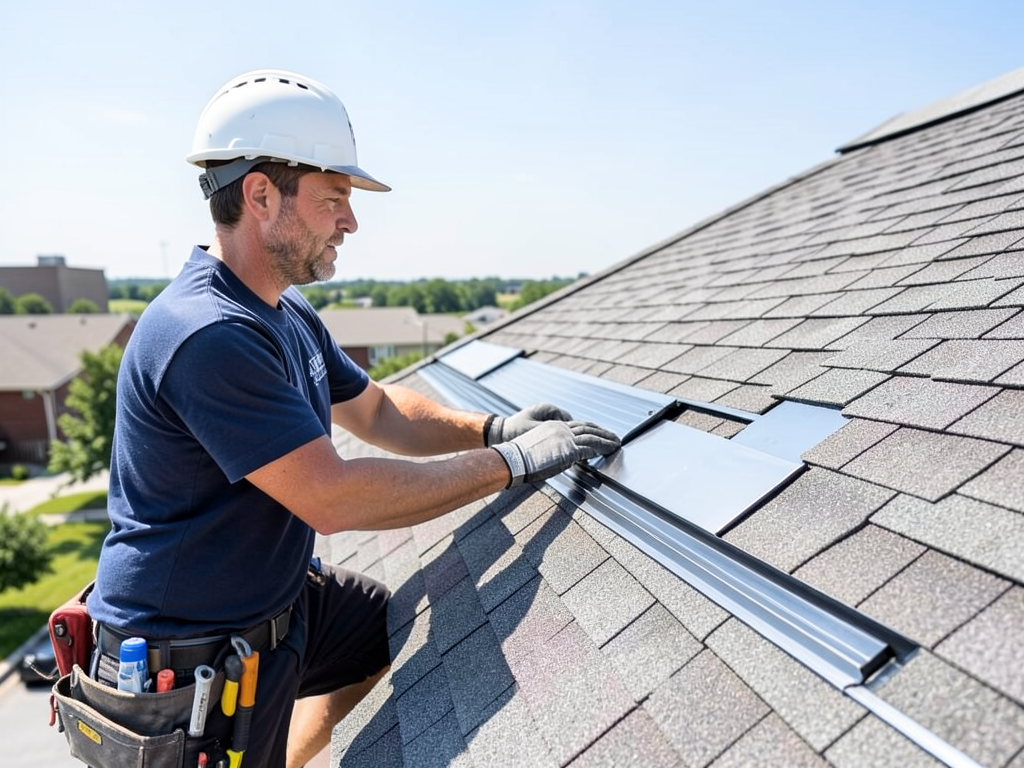
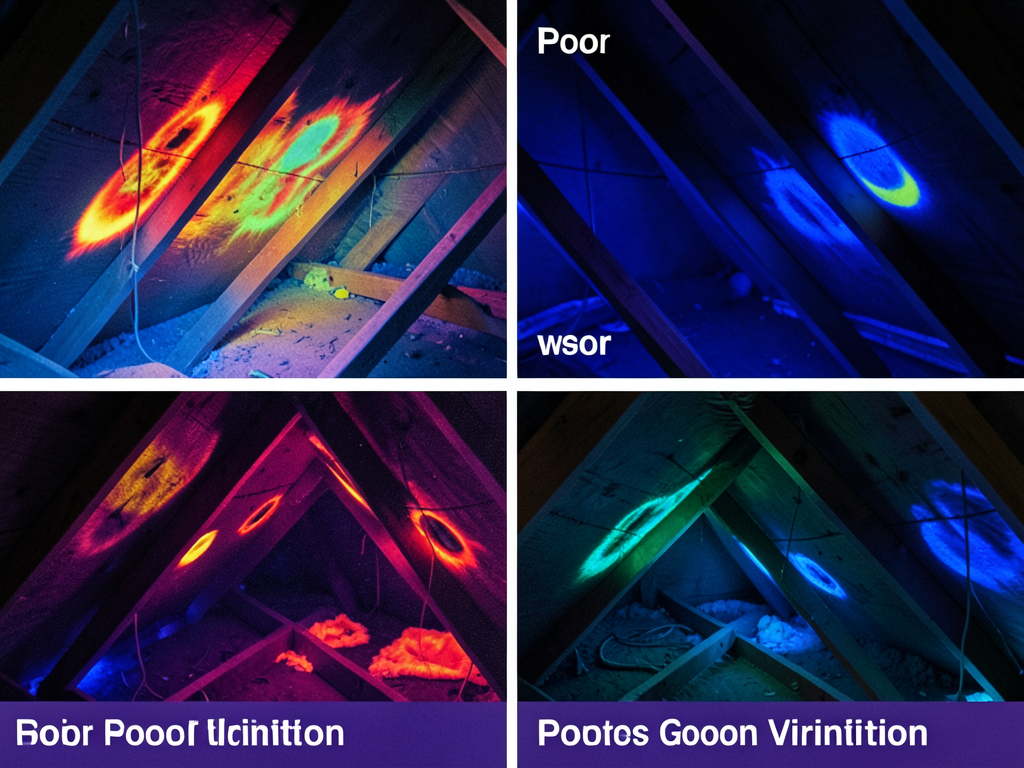
United Roofing Oklahoma City provides comprehensive ventilation assessments using thermal imaging and airflow diagnostics to identify exactly where your system falls short. Our solutions are tailored to Oklahoma’s extreme climate and your home’s specific needs. Roofing Tulsa.
Call (405) 507-3933 today to schedule your free attic ventilation assessment. Don’t let another summer of high bills and uncomfortable rooms pass by – the solution might be simpler than you think.
Pick up the phone and call (405) 507-3933 before the next heat wave hits. Your AC (and your wallet) will thank you.
United Roofing Oklahoma City – Serving the greater OKC metro with expert roofing and ventilation solutions since 2010. Roofing Norman.
You may also find this helpful. Are White Roofs and Reflective Shingles Finally Catching On in the Oklahoma City Metro?.
You may also find this helpful. The Impact of Indoor Pools and Hot Tubs on Your Home’s Roof Deck and Ventilation.
{
“@context”: “https://schema.org”,
“@type”: “BlogPosting”,
“headline”: “Why Your HVAC System Might Not Be Broken (It Might Just Be a Roof Ventilation Problem)”,
“description”: “Discover how poor attic ventilation in Oklahoma City homes forces AC units to work 20-30% harder. Learn the signs, solutions, and energy savings for your roof ventilation.”,
“wordCount”: 1610,
“datePublished”: “2026-05-24T06:16:00.000Z”,
“dateModified”: “2026-05-24T06:16:00.000Z”,
“inLanguage”: “en-US”,
“mainEntityOfPage”: {
“@type”: “WebPage”,
“@id”: “https://unitedroofingoklahomacity.com”
},
“publisher”: {
“@type”: “LocalBusiness”,
“name”: “United Roofing Oklahoma City”,
“url”: “https://unitedroofingoklahomacity.com”
},
“author”: {
“@type”: “Organization”,
“name”: “United Roofing Oklahoma City”,
“url”: “https://unitedroofingoklahomacity.com”
},
“image”: {
“@type”: “ImageObject”,
“url”: “https://unitedroofingoklahomacity.com/wp-content/uploads/2026/03/why-your-hvac-system-might-not-be-broken-it-might-1.png”
}
}
{
“@context”: “https://schema.org”,
“@type”: “RoofingContractor”,
“name”: “United Roofing Oklahoma City”,
“url”: “https://unitedroofingoklahomacity.com”,
“address”: {
“@type”: “PostalAddress”,
“addressLocality”: “Oklahoma City”
},
“areaServed”: {
“@type”: “City”,
“name”: “Oklahoma City”
}
}
{
“@context”: “https://schema.org”,
“@type”: “FAQPage”,
“mainEntity”: [
{
“@type”: “Question”,
“name”: “Can I install ventilation improvements myself?”,
“acceptedAnswer”: {
“@type”: “Answer”,
“text”: “While basic soffit vent cleaning is DIY-friendly, proper ventilation installation requires understanding building codes, attic dynamics, and safety protocols. Incorrect installation can create moisture problems, void warranties, or create fire hazards. Professional assessment ensures code compliance and optimal performance.”
}
},
{
“@type”: “Question”,
“name”: “How do I know if my ventilation is actually working?”,
“acceptedAnswer”: {
“@type”: “Answer”,
“text”: “Professional testing uses airflow meters and temperature sensors to measure actual ventilation performance. You can perform a simple check: on a sunny day, touch your ceiling – if it feels warm, your attic is likely trapping heat. Also monitor your AC runtime – if it runs continuously on mild days, ventilation may be inadequate.”
}
},
{
“@type”: “Question”,
“name”: “Will improving ventilation make my home too cold in winter?”,
“acceptedAnswer”: {
“@type”: “Answer”,
“text”: “Proper ventilation works year-round by maintaining balanced airflow. In winter, it prevents ice dam formation by keeping roof deck temperatures consistent. The small amount of heat lost through improved ventilation is offset by preventing moisture damage and extending roof life. Most Oklahoma City homes benefit from year-round ventilation.”
}
},
{
“@type”: “Question”,
“name”: “How long does ventilation improvement installation take?”,
“acceptedAnswer”: {
“@type”: “Answer”,
“text”: “Most ventilation projects complete in one day. Ridge vent installation takes 2-4 hours for an average home. Solar fan installation requires 3-5 hours including wiring. Complete system upgrades might require 6-8 hours depending on attic access and existing conditions. Weather rarely delays these interior-access projects.”
}
}
]
}
{
“@context”: “https://schema.org”,
“@type”: “HowTo”,
“name”: “Professional Ventilation Assessment”,
“step”: [
{
“@type”: “HowToStep”,
“position”: 1,
“name”: “Attic Temperature Mapping”,
“text”: “Using infrared thermometers to measure temperature variations across attic space. Hot spots indicate blocked airflow or insufficient exhaust.”
},
{
“@type”: “HowToStep”,
“position”: 2,
“name”: “Visual Inspection of Existing Vents”,
“text”: “Checking for debris, animal nests, or damage to soffit and ridge vents. Oklahoma’s wind-blown debris commonly clogs vents.”
},
{
“@type”: “HowToStep”,
“position”: 3,
“name”: “Moisture Meter Testing”,
“text”: “Detecting elevated moisture levels in roof decking that indicate poor ventilation and potential mold growth.”
},
{
“@type”: “HowToStep”,
“position”: 4,
“name”: “Airflow Calculation”,
“text”: “Measuring actual cubic feet per minute (CFM) of airflow compared to required ventilation based on attic volume.”
},
{
“@type”: “HowToStep”,
“position”: 5,
“name”: “Shingle Condition Analysis”,
“text”: “Examining granule loss patterns and shingle deterioration that indicate excessive attic heat exposure.”
}
],
“image”: “https://unitedroofingoklahomacity.com/wp-content/uploads/2026/03/why-your-hvac-system-might-not-be-broken-it-might-1.png”
}
{
“@context”: “https://schema.org”,
“@type”: “BreadcrumbList”,
“itemListElement”: [
{
“@type”: “ListItem”,
“position”: 1,
“name”: “Home”,
“item”: “https://unitedroofingoklahomacity.com”
},
{
“@type”: “ListItem”,
“position”: 2,
“name”: “Blog”,
“item”: “https://unitedroofingoklahomacity.com/blog”
},
{
“@type”: “ListItem”,
“position”: 3,
“name”: “Why Your HVAC System Might Not Be Broken (It Might Just Be a Roof Ventilation Problem)”
}
]
}
{
“@context”: “https://schema.org”,
“@type”: “Service”,
“serviceType”: “Roofing”,
“provider”: {
“@type”: “LocalBusiness”,
“name”: “United Roofing Oklahoma City”,
“url”: “https://unitedroofingoklahomacity.com”
},
“areaServed”: {
“@type”: “City”,
“name”: “Oklahoma City”
},
“description”: “Discover how poor attic ventilation in Oklahoma City homes forces AC units to work 20-30% harder. Learn the signs, solutions, and energy savings for your roof ventilation.”
}