
How Cottonwood Seeds and Sap Can Clog Your Drainage and Rot Your Roof in Valley Brook
Cottonwood trees produce fluffy white seeds that float through the air in late spring. These seeds combined with sticky tree sap create a perfect storm for Valley Brook homeowners. When these materials land on your roof they collect in valleys and gutters where moisture gets trapped against your shingles. Over time this combination causes wood rot underlayment damage and expensive repairs that could have been prevented.. Read more about Getting Red Dirt Stains Out of Your Shingles and Gutters Without Ruining Your Roof.
The Science Behind Cottonwood Seed Damage
Cottonwood seeds have a cotton-like fiber structure that acts like a sponge when wet. These seeds can absorb up to ten times their weight in water. When they mix with tree sap from nearby cottonwoods the combination becomes a sticky paste that adheres to roof surfaces. This paste traps additional debris creating layers of material that hold moisture against your roof deck.
The problem intensifies in Valley Brook because our local cottonwoods release seeds during Oklahoma’s storm season. Heavy rains wash seeds into drainage systems where they combine with leaves twigs and other organic matter. This mixture creates dams that prevent proper water flow off your roof. Why Local Nichols Hills Residents Choose Our Luxury Roofing Team.

Valley Brook’s Unique Challenge
Valley Brook sits in a low-lying area near several creeks and drainage channels. The neighborhood’s mature tree canopy includes numerous cottonwoods planted decades ago when the area was first developed. These trees now reach heights of sixty to eighty feet creating a dense overhead environment that deposits massive amounts of debris on nearby roofs.. Read more about Flat Roof Drainage Solutions for Apartment Managers and Landlords in Midtown.
According to the Oklahoma Forestry Service cottonwoods are the fastest growing native trees in our state. A single mature cottonwood can release over 25 million seeds during its peak reproductive cycle. In Valley Brook’s humid climate these seeds remain viable and sticky for weeks after release.
How Sap Compounds the Problem
Cottonwood sap contains high levels of resin and sugars. When this sap drips onto your roof it creates a sticky surface that captures airborne seeds and other debris. The sap hardens when exposed to sunlight but remains tacky underneath where moisture is present.
This creates a cycle where sap attracts seeds seeds trap moisture and moisture keeps the sap sticky. The result is a growing layer of organic material that blocks water flow and creates perfect conditions for moss and algae growth.
During Valley Brook’s hot summers sap can reach temperatures above 120 degrees Fahrenheit on dark shingle surfaces. This heat accelerates the breakdown of asphalt shingles underneath the sap layer. The combination of heat moisture and organic acids from decomposing seeds creates an environment that destroys roofing materials from the inside out. Roofing Tulsa.
Warning Signs Your Roof Is Under Attack
Homeowners in Valley Brook should watch for these specific warning signs that indicate cottonwood seed and sap damage:
- Granules collecting in gutters and downspouts
- Dark streaks or stains on roof valleys
- Water marks on interior ceilings after light rain
- Visible moss or algae growth in shaded areas
- Gutters overflowing during moderate rainfall
The Oklahoma Department of Environmental Quality reports that Valley Brook experiences above-average humidity levels compared to other Oklahoma City neighborhoods. This humidity accelerates the decomposition of organic debris on roofs creating conditions where damage can occur within months rather than years. Department of Energy roofing efficiency information.
Valley Brook’s Drainage System Vulnerabilities
Valley Brook’s drainage infrastructure was designed decades ago when the area had fewer trees and less intense rainfall. The system struggles to handle the current volume of water and debris. Many homes in the area have interconnected gutter systems that feed into common drainage channels.
When cottonwood seeds and sap clog these systems water backs up under shingles and into roof decking. The Oklahoma Uniform Building Code requires ice and water shield installation in roof valleys but many older Valley Brook homes were built before this requirement existed.
During heavy storms the backed-up water can overflow gutters and seep into soffits and fascia boards. This creates hidden damage that homeowners cannot see from the ground. By the time water stains appear on interior ceilings the damage often requires extensive repairs.
Professional Inspection Process
A proper roof inspection for Valley Brook homes includes several diagnostic steps that identify cottonwood seed and sap damage:
- Exterior Visual Assessment
Technicians examine roof valleys gutters and downspouts for visible debris accumulation and sap staining. They look for areas where water flow appears restricted.
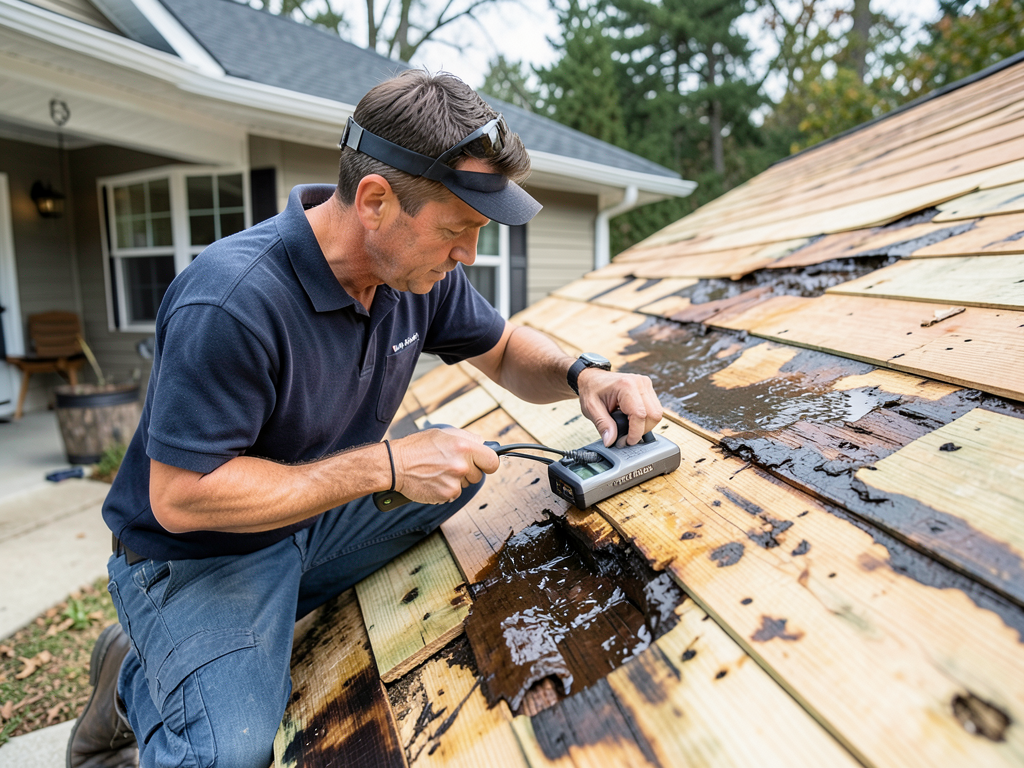
- Moisture Meter Testing
Using specialized moisture meters inspectors test roof decking in suspected problem areas. Readings above 15 percent indicate active moisture intrusion requiring immediate attention.
- Underlayment Examination
If safe access permits technicians check the condition of underlayment materials especially in roof valleys where cottonwood debris concentrates.
- Drainage Flow Testing
Water is run through gutter systems to identify blockages and measure flow rates. This reveals hidden clogs that might not be visible during a dry inspection.
The National Roofing Contractors Association recommends annual inspections for homes in areas with high tree debris like Valley Brook. These inspections should occur after cottonwood seed season to assess any damage from the previous months. National Weather Service climate data.
Prevention Strategies That Work
Preventing cottonwood seed and sap damage requires a multi-faceted approach. The most effective strategy combines physical barriers with regular maintenance schedules.
Gutter guards specifically designed for fine debris work best in Valley Brook. Standard mesh guards allow cottonwood seeds to pass through. Instead use micro-mesh guards with openings smaller than one-eighth inch. These prevent even the smallest seeds from entering your gutter system.
Roof cleaning should occur twice yearly in Valley Brook. The first cleaning happens in late spring after cottonwood seeds drop. The second cleaning occurs in early fall before winter storms arrive. This schedule prevents debris accumulation that leads to moisture problems.
Tree management also plays a crucial role. While removing mature cottonwoods is often impractical selective pruning can reduce the amount of debris falling on your roof. Focus on removing branches that overhang your home and trimming back limbs within ten feet of your roof edge.
Emergency Response When Problems Occur
When cottonwood seed and sap damage leads to active leaks immediate action prevents further destruction. The first step involves identifying the source of water entry. This often requires removing debris from the affected area to expose the damaged roofing materials. Roofing Norman.
Temporary emergency tarping provides protection while permanent repairs are arranged. The tarp should extend at least three feet beyond the damaged area on all sides. Secure the tarp using approved methods that prevent wind damage and additional water intrusion.
Document all damage with photos before any cleanup begins. This documentation proves valuable for insurance claims and helps contractors provide accurate repair estimates. The Insurance Information Institute reports that documented damage claims process 40 percent faster than undocumented claims.
Long-Term Solutions for Valley Brook Homes
For homes experiencing repeated cottonwood seed and sap problems long-term solutions may be necessary. These solutions range from roof material upgrades to comprehensive drainage system redesigns.
Impact-resistant shingles with enhanced algae resistance work well in Valley Brook’s environment. These shingles feature copper-infused granules that prevent moss and algae growth. They also withstand the abrasive effects of debris movement better than standard asphalt shingles.
Some Valley Brook homeowners opt for roof coatings that create smooth surfaces where debris cannot accumulate. These elastomeric coatings seal minor cracks and create a surface that sheds seeds and sap more effectively than traditional shingles.
Complete gutter system replacement may be necessary for homes with chronic drainage problems. Modern seamless gutters with oversized downspouts handle the volume of water and debris common in Valley Brook during storm season. What You Can Expect to Pay for a Roof Replacement in Edmond.
Valley Brook’s Climate Considerations
Valley Brook experiences Oklahoma’s classic humid subtropical climate with hot summers and mild winters. This climate creates ideal conditions for cottonwood seed and sap damage to progress rapidly.
Summer temperatures regularly exceed 95 degrees Fahrenheit. When combined with high humidity levels this heat accelerates the breakdown of roofing materials under debris accumulation. The National Weather Service reports that Valley Brook receives an average of 38 inches of rainfall annually with most precipitation occurring during spring and summer storm season.
Winter brings occasional ice storms that add weight to debris-filled gutters and valleys. The Oklahoma Climatological Survey notes that ice accumulation can increase the weight on roof structures by up to 500 percent. This additional weight stresses areas already weakened by moisture damage.
Insurance Coverage Considerations
Most homeowner insurance policies in Oklahoma cover sudden damage from storms but exclude damage from lack of maintenance. This distinction becomes critical when dealing with cottonwood seed and sap accumulation.
Insurance adjusters look for evidence of regular maintenance when evaluating claims. Documented cleaning schedules and inspection reports demonstrate responsible homeownership. The Oklahoma Insurance Department recommends keeping maintenance records for at least three years.
Some insurance companies offer premium discounts for homes with documented preventive maintenance programs. These programs typically include twice-yearly roof inspections and annual gutter cleaning services.
Cost-Benefit Analysis of Prevention
Preventive maintenance costs for Valley Brook homes average between $300 and $600 annually. This includes gutter cleaning roof inspections and minor debris removal. Compare this to the average $3,500 to $8,000 cost for repairing water damage from neglected roof maintenance.
The return on investment becomes clear when considering that preventive maintenance extends roof life by three to five years. For a typical $12,000 roof replacement this represents a 25 to 40 percent increase in the asset’s useful life.
Energy efficiency also improves with proper roof maintenance. Clean roofs reflect more sunlight reducing cooling costs during Oklahoma’s hot summers. The Department of Energy estimates that reflective roof surfaces can reduce cooling costs by up to 15 percent.
Professional vs DIY Maintenance
While some homeowners attempt DIY roof maintenance the risks often outweigh the benefits. Professional roofers carry insurance for fall protection and understand the safety requirements for working at heights. The Best Norman OK Roofers for Emergency Storm Damage Fixes.
Professional equipment also makes a significant difference. Commercial-grade blowers and cleaning tools remove debris more effectively than consumer products. Professionals also spot early warning signs of damage that untrained eyes might miss.
The Occupational Safety and Health Administration reports that falls from roofs account for 34 percent of construction-related fatalities. This statistic underscores the importance of professional service for tasks involving roof access.
Valley Brook’s Future Outlook
As Valley Brook continues to mature its tree canopy will only increase the challenges of roof maintenance. Urban forestry studies indicate that mature neighborhoods like Valley Brook will see a 20 percent increase in tree canopy coverage over the next twenty years.
This growth means cottonwood seed and sap problems will likely intensify for current homeowners. Planning for increased maintenance needs now prevents emergency situations later. Consider budgeting for higher maintenance costs as your neighborhood’s trees continue to mature.
Community-wide solutions may also emerge. Some neighborhoods have established tree management programs that coordinate pruning and debris cleanup across multiple properties. These programs reduce the overall debris load on individual roofs while maintaining the neighborhood’s mature tree character.
Taking Action Today
Protecting your Valley Brook home from cottonwood seed and sap damage starts with a professional inspection. This inspection identifies current problems and establishes a baseline for future maintenance needs.
Don’t wait for visible water damage to appear inside your home. By then the damage to your roof structure may be extensive and expensive to repair. A simple inspection today can prevent thousands of dollars in future repairs.
Call (405) 507-3933 today to schedule your comprehensive roof inspection. Our Valley Brook specialists understand the unique challenges our neighborhood faces and can recommend specific solutions for your home’s situation.
Remember that every month of delay allows cottonwood seeds and sap to continue their destructive work. The sooner you address these issues the more money you save and the longer your roof lasts.
Pick up the phone and call (405) 507-3933 before the next storm hits. Your roof protects everything you value most. Don’t let preventable damage compromise your home’s safety and your family’s comfort.
Frequently Asked Questions
How often should I clean my gutters in Valley Brook?
Gutters in Valley Brook should be cleaned at least twice yearly. Schedule the first cleaning in late spring after cottonwood seeds drop and the second in early fall before winter storms arrive. Homes with heavy tree coverage may need quarterly cleaning.
Can I prevent cottonwood seeds from reaching my roof?
Complete prevention is difficult but you can reduce seed accumulation. Install micro-mesh gutter guards fine enough to block cottonwood seeds. Consider roof coatings that create smooth surfaces where debris cannot accumulate. Regular cleaning prevents buildup even when some seeds reach your roof.
Will my insurance cover cottonwood seed damage?
Insurance typically covers sudden storm damage but not damage from lack of maintenance. Document your preventive maintenance with inspection reports and cleaning receipts. This documentation proves you maintained your roof properly if you need to file a claim for storm-related damage.
How do I know if cottonwood sap is damaging my roof?
Look for dark streaks or stains on roof valleys especially where debris accumulates. Check for granule loss in gutters and downspouts. Water stains on interior ceilings after light rain indicate moisture problems. Professional moisture testing can identify hidden damage before it becomes visible.
What’s the best time of year for roof maintenance in Valley Brook?
Schedule maintenance in late spring after cottonwood seeds drop and early fall before winter storms. This timing addresses the two most critical periods for debris accumulation. Avoid roof work during Oklahoma’s extreme summer heat when shingles can be damaged by foot traffic.
You may also find this helpful. Adding Instant Curb Appeal with Custom Copper Flashing and Gutters in Nichols Hills.
You may also find this helpful. The One Piece of Metal Flashing That Prevents Massive Wall Rot in Your Oklahoma Home.
You may also find this helpful. Why Letting Ivy and Vines Grow Onto Your Roof is a Recipe for Disaster.
{
“@context”: “https://schema.org”,
“@type”: “BlogPosting”,
“headline”: “How Cottonwood Seeds and Sap Can Clog Your Drainage and Rot Your Roof in Valley Brook”,
“description”: “Valley Brook homeowners face unique roof risks from cottonwood seeds and sap. Learn how to protect your drainage system and prevent costly roof rot this storm season.”,
“wordCount”: 2279,
“datePublished”: “2026-05-04T07:27:00.000Z”,
“dateModified”: “2026-05-04T07:27:00.000Z”,
“inLanguage”: “en-US”,
“mainEntityOfPage”: {
“@type”: “WebPage”,
“@id”: “https://unitedroofingoklahomacity.com”
},
“publisher”: {
“@type”: “LocalBusiness”,
“name”: “United Roofing Oklahoma City”,
“url”: “https://unitedroofingoklahomacity.com”
},
“author”: {
“@type”: “Organization”,
“name”: “United Roofing Oklahoma City”,
“url”: “https://unitedroofingoklahomacity.com”
},
“image”: {
“@type”: “ImageObject”,
“url”: “https://unitedroofingoklahomacity.com/wp-content/uploads/2026/03/how-cottonwood-seeds-and-sap-can-clog-your-drainag-1.png”
}
}
{
“@context”: “https://schema.org”,
“@type”: “RoofingContractor”,
“name”: “United Roofing Oklahoma City”,
“url”: “https://unitedroofingoklahomacity.com”,
“address”: {
“@type”: “PostalAddress”,
“addressLocality”: “Oklahoma City”
},
“areaServed”: {
“@type”: “City”,
“name”: “Oklahoma City”
}
}
{
“@context”: “https://schema.org”,
“@type”: “FAQPage”,
“mainEntity”: [
{
“@type”: “Question”,
“name”: “How often should I clean my gutters in Valley Brook?”,
“acceptedAnswer”: {
“@type”: “Answer”,
“text”: “Gutters in Valley Brook should be cleaned at least twice yearly. Schedule the first cleaning in late spring after cottonwood seeds drop and the second in early fall before winter storms arrive. Homes with heavy tree coverage may need quarterly cleaning.”
}
},
{
“@type”: “Question”,
“name”: “Can I prevent cottonwood seeds from reaching my roof?”,
“acceptedAnswer”: {
“@type”: “Answer”,
“text”: “Complete prevention is difficult but you can reduce seed accumulation. Install micro-mesh gutter guards fine enough to block cottonwood seeds. Consider roof coatings that create smooth surfaces where debris cannot accumulate. Regular cleaning prevents buildup even when some seeds reach your roof.”
}
},
{
“@type”: “Question”,
“name”: “Will my insurance cover cottonwood seed damage?”,
“acceptedAnswer”: {
“@type”: “Answer”,
“text”: “Insurance typically covers sudden storm damage but not damage from lack of maintenance. Document your preventive maintenance with inspection reports and cleaning receipts. This documentation proves you maintained your roof properly if you need to file a claim for storm-related damage.”
}
},
{
“@type”: “Question”,
“name”: “How do I know if cottonwood sap is damaging my roof?”,
“acceptedAnswer”: {
“@type”: “Answer”,
“text”: “Look for dark streaks or stains on roof valleys especially where debris accumulates. Check for granule loss in gutters and downspouts. Water stains on interior ceilings after light rain indicate moisture problems. Professional moisture testing can identify hidden damage before it becomes visible.”
}
},
{
“@type”: “Question”,
“name”: “What’s the best time of year for roof maintenance in Valley Brook?”,
“acceptedAnswer”: {
“@type”: “Answer”,
“text”: “Schedule maintenance in late spring after cottonwood seeds drop and early fall before winter storms. This timing addresses the two most critical periods for debris accumulation. Avoid roof work during Oklahoma’s extreme summer heat when shingles can be damaged by foot traffic.”
}
}
]
}
{
“@context”: “https://schema.org”,
“@type”: “HowTo”,
“name”: “Professional Roof Inspection Process”,
“step”: [
{
“@type”: “HowToStep”,
“position”: 1,
“name”: “Exterior Visual Assessment”,
“text”: “Technicians examine roof valleys gutters and downspouts for visible debris accumulation and sap staining. They look for areas where water flow appears restricted.”
},
{
“@type”: “HowToStep”,
“position”: 2,
“name”: “Moisture Meter Testing”,
“text”: “Using specialized moisture meters inspectors test roof decking in suspected problem areas. Readings above 15 percent indicate active moisture intrusion requiring immediate attention.”
},
{
“@type”: “HowToStep”,
“position”: 3,
“name”: “Underlayment Examination”,
“text”: “If safe access permits technicians check the condition of underlayment materials especially in roof valleys where cottonwood debris concentrates.”
},
{
“@type”: “HowToStep”,
“position”: 4,
“name”: “Drainage Flow Testing”,
“text”: “Water is run through gutter systems to identify blockages and measure flow rates. This reveals hidden clogs that might not be visible during a dry inspection.”
}
],
“image”: “https://unitedroofingoklahomacity.com/wp-content/uploads/2026/03/how-cottonwood-seeds-and-sap-can-clog-your-drainag-1.png”
}
{
“@context”: “https://schema.org”,
“@type”: “BreadcrumbList”,
“itemListElement”: [
{
“@type”: “ListItem”,
“position”: 1,
“name”: “Home”,
“item”: “https://unitedroofingoklahomacity.com”
},
{
“@type”: “ListItem”,
“position”: 2,
“name”: “Blog”,
“item”: “https://unitedroofingoklahomacity.com/blog”
},
{
“@type”: “ListItem”,
“position”: 3,
“name”: “How Cottonwood Seeds and Sap Can Clog Your Drainage and Rot Your Roof in Valley Brook”
}
]
}
{
“@context”: “https://schema.org”,
“@type”: “Service”,
“serviceType”: “Roofing”,
“provider”: {
“@type”: “LocalBusiness”,
“name”: “United Roofing Oklahoma City”,
“url”: “https://unitedroofingoklahomacity.com”
},
“areaServed”: {
“@type”: “City”,
“name”: “Oklahoma City”
},
“description”: “Valley Brook homeowners face unique roof risks from cottonwood seeds and sap. Learn how to protect your drainage system and prevent costly roof rot this storm season.”
}