
Reading Between the Lines of Your Professional Roof Inspection Report Before You Sign a Contract
Getting a roof inspection report can feel like reading a foreign language when you’re trying to make one of the biggest decisions for your home. The technical terms, detailed measurements, and insurance jargon can overwhelm even the most prepared homeowner. In Oklahoma City’s extreme weather environment, understanding what your report actually says could save you thousands of dollars and prevent costly mistakes when the next storm hits. Oklahoma Uniform Building Code Commission.
Your roof inspection report is more than just a list of problems—it’s a roadmap for protecting your investment. Whether you’re dealing with hail damage from last month’s storm or planning a full replacement, knowing how to read between the lines will help you communicate effectively with contractors and insurance adjusters. This guide breaks down exactly what you need to look for and understand before you sign any contract. What You Can Expect to Pay for a Roof Replacement in Edmond.
The Anatomy of a Professional Roof Inspection Report
Every professional roof inspection report follows a standard structure, though the details vary by company and the specific issues found. Understanding this structure helps you navigate the document efficiently and identify the most critical information first.. Read more about Understanding Hail Sizes and When You Should Actually Worry About Your Shingles.
Most reports begin with property identification details including your address, roof type, and the date of inspection. This section establishes the baseline for everything that follows. Next comes the observation summary, which provides a high-level overview of the roof’s condition. Pay special attention to the overall rating—terms like “fair,” “good,” or “poor” give you immediate context for the detailed findings. Finding a Reliable Roofing Company Near You in Moore Oklahoma.
The photo documentation section is where you’ll find visual evidence of all the issues mentioned. These images serve as proof for insurance claims and help you understand exactly where problems exist. Look for clear, well-lit photos that show both wide-angle views and close-up details of specific damage.
The professional recommendations section outlines what repairs or replacements the inspector suggests. This is often where you’ll see terms like “immediate action required” or “monitor over time.” Understanding the urgency level here is crucial for prioritizing your next steps.

A technician using a moisture meter to test decking integrity during a roof inspection in Oklahoma City.
Common Roofing Jargon Decoded
Roofing professionals use specific terminology that can seem confusing at first. Here’s what the most common terms actually mean for your roof’s condition and your wallet. Roofing Tulsa.
Granule loss refers to the protective coating wearing off asphalt shingles. When you see this on your report, it means your shingles are aging and becoming vulnerable to UV damage. Small amounts might be normal wear, but extensive granule loss indicates replacement is coming soon.. Read more about Why Your New Shingles Will Fail Without Proper Soffit Ventilation in Your Yukon Home.
Flashing describes the metal pieces installed around roof penetrations like chimneys, vents, and valleys. The report might mention “compromised flashing” or “rust corrosion.” This matters because flashing failures cause the majority of roof leaks, even when the rest of the roof is in good condition.. Read more about The One Piece of Metal Flashing That Prevents Massive Wall Rot in Your Oklahoma Home.
Decking integrity refers to the plywood or OSB boards that form your roof’s base structure. When inspectors note “soft spots” or “delamination,” they’re describing areas where the decking has rotted or separated. This is serious because damaged decking compromises your entire roof system.
Step flashing is the specific type used where vertical walls meet sloped roofs. If your report mentions “missing step flashing” or “improper installation,” water can seep behind your siding and cause hidden damage that’s expensive to repair.
Mechanical damage includes any harm caused by human activity like foot traffic, falling tree branches, or hail impact. This category is important because it often determines whether insurance will cover the repairs.
Oklahoma City Specific Considerations: Hail and Wind
Oklahoma City’s location in Tornado Alley creates unique challenges for roof inspections. The report should specifically address how local weather patterns have affected your roof’s condition. Why Local Nichols Hills Residents Choose Our Luxury Roofing Team.
Hail damage in Oklahoma often shows up as circular impressions on shingles, but the report should distinguish between functional and cosmetic damage. Functional damage affects your roof’s ability to shed water, while cosmetic damage is purely visual. Insurance companies only cover functional damage, so this distinction matters for your claim.
Wind uplift is another critical factor in Oklahoma City. Your report should mention whether your shingles meet the current ASCE 7 wind load requirements for our area. These standards have changed over the years, and older roofs might not meet current codes even if they appear intact.
The Oklahoma Uniform Building Code Commission requires specific installation methods for our climate. Look for mentions of ice and water shield requirements, which are mandatory in many areas of Oklahoma City. If your report notes missing ice and water shield, this could be a code violation that affects your insurance coverage.
Rapid temperature fluctuations common in Oklahoma cause shingles to expand and contract more than in other regions. Your report should address whether your current roofing system can handle these cycles or if it shows signs of thermal fatigue. Roofing Norman.
Red Flags: What Matters Most in Your Report
Not all issues in your roof inspection report are created equal. Understanding which problems require immediate attention versus those that can wait will help you make smart decisions about repairs and replacements.
Active leaks are the most urgent issue. If your report mentions “current moisture intrusion” or shows water stains in the attic, this needs immediate attention regardless of the roof’s age. Even small active leaks can cause thousands in interior damage if ignored.
Structural rot in the decking is another critical red flag. When the report notes “soft decking” or “moisture content above 20%,” the structural integrity of your entire roof is compromised. This often means a full replacement is necessary rather than spot repairs.
Missing or damaged underlayment is serious because it’s your roof’s secondary water barrier. If the report mentions “exposed decking” or “underlayment failure,” your roof is vulnerable to the next heavy rain, even if the shingles look fine.
Ventilation issues might seem less urgent but can dramatically shorten your roof’s lifespan. Poor attic ventilation causes heat buildup that accelerates shingle deterioration and can void manufacturer warranties. Look for mentions of “inadequate intake” or “stagnant air flow.”
Age-related wear becomes important when your roof approaches its expected lifespan. Most asphalt shingles in Oklahoma last 15-20 years due to our extreme weather. If your report notes “end of service life” on a 18-year-old roof, replacement is likely the most cost-effective option.
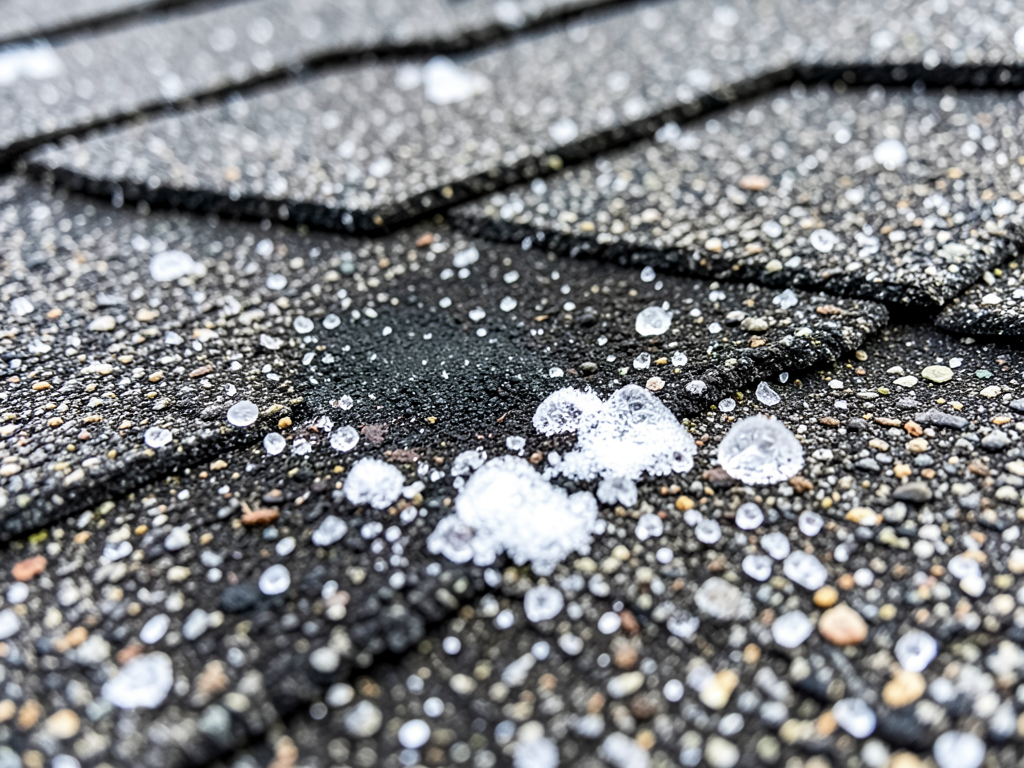
Close-up of hail impact damage showing functional granule loss that requires immediate attention in Oklahoma’s climate.
Next Steps: Insurance Claims vs. Out-of-Pocket Repairs
Your inspection report becomes the foundation for either an insurance claim or a repair budget. Understanding how to use this document effectively can save you thousands of dollars.
For insurance claims, your report needs to clearly document functional damage that meets your policy’s requirements. Insurance adjusters look for specific criteria like hail size, wind speed indicators, and the extent of damage across your roof surface. The report should include detailed measurements and clear photos that support your claim.
Replacement Cost Value (RCV) versus Actual Cash Value (ACV) coverage makes a huge difference in what you’ll pay out of pocket. If your policy is ACV, the report’s assessment of your roof’s age and condition directly impacts your settlement amount. A roof at 15 years might only be worth 25% of replacement cost under ACV coverage.
For out-of-pocket repairs, the report helps you prioritize spending. Focus first on preventing water intrusion, then on addressing issues that could cause premature roof failure. The inspector’s recommendations should include estimated costs or at least indicate which repairs are most critical.
Timing considerations matter in Oklahoma City. If your report comes during storm season, waiting even a few weeks could mean the difference between repair and replacement if another hailstorm hits. Some contractors offer temporary solutions while you decide on permanent repairs.
Communication with your insurance company becomes easier when you understand your report. Use the technical terms correctly and reference the specific sections that support your claim. This shows you’re informed and helps prevent misunderstandings that could delay your settlement.
Understanding the Fine Print: What Your Report Doesn’t Say
Professional roof inspection reports have limitations that homeowners often don’t realize. Understanding what’s missing can be just as important as understanding what’s included.
Most reports only cover visible, accessible areas. If your roof has multiple layers or areas blocked by equipment, the inspector can’t assess those sections without removing materials. This means your report might not show the full picture of your roof’s condition.
Inspection standards vary by company and inspector experience. Some use infrared technology to detect moisture, while others rely solely on visual examination. Ask your inspector what methods they used and what limitations those methods create.
The report won’t predict future problems. While it can identify current issues and estimate remaining lifespan, it can’t tell you when the next major storm will hit or how that storm will affect your specific roof. This uncertainty is why many homeowners choose to replace older roofs before they fail completely.
Cost estimates in reports are often rough approximations. The actual cost of repairs or replacement can vary significantly based on material availability, contractor scheduling, and unexpected issues discovered during the work. Use the report’s cost information as a planning tool, not a firm quote.
Warranty implications might not be fully explained. If your report mentions issues that could void existing warranties, ask for clarification. Some manufacturers require specific repair methods or materials to maintain coverage.
Making Your Decision: When to Sign and When to Walk Away
Armed with your inspection report, you’re ready to make informed decisions about your roof. Here’s how to evaluate your options based on what the report reveals.
If the report shows extensive functional damage affecting more than 30% of your roof surface, replacement is usually the most cost-effective option. Spot repairs on widespread damage often lead to ongoing problems and higher long-term costs.
For roofs with mostly cosmetic damage but good structural integrity, repairs might be sufficient. Focus on addressing any active leaks and replacing damaged shingles in critical areas like valleys and around penetrations.
Consider your plans for the property. If you’re planning to sell within a few years, a new roof can significantly increase your home’s value and marketability. The report can help you determine whether the investment makes financial sense based on your timeline.
Weather patterns in Oklahoma City should influence your timing. If you’re heading into storm season with a roof that’s showing signs of age or minor damage, the risk of major problems increases substantially. Sometimes the safest choice is proactive replacement.
Always get multiple opinions if your report recommends expensive repairs or replacement. Different contractors might interpret the same damage differently, and you want to be confident in your decision before committing to a major investment.
Trust your instincts about the contractor’s recommendations. If someone is pushing you toward expensive repairs that don’t seem justified by your report, get a second opinion. A good contractor will explain their recommendations clearly and help you understand your options.
Frequently Asked Questions
How long does a professional roof inspection take?
A thorough roof inspection typically takes 45-90 minutes depending on your roof’s size, complexity, and accessibility. Inspectors need time to examine all surfaces, check the attic, and document findings with photos.
Should I be present during the roof inspection?
Yes, being present allows you to ask questions, point out specific concerns, and understand the inspector’s findings firsthand. You’ll also get immediate clarification on any confusing terminology or recommendations.
How often should I get my roof inspected in Oklahoma City?
Annual inspections are recommended for Oklahoma City homes due to our severe weather patterns. Additionally, schedule an inspection after any major hailstorm or wind event, even if you don’t see obvious damage.
What’s the difference between a free inspection and a paid professional inspection?
Free inspections are often sales tools that may emphasize problems to generate business. Paid professional inspections provide objective assessments with detailed documentation, which is essential for insurance claims and making informed decisions.
Can I use my inspection report to negotiate with contractors?
Absolutely. A detailed inspection report gives you leverage to compare quotes accurately and ensures all contractors are bidding on the same scope of work. It also helps prevent surprise costs later in the project.
Ready to understand your roof inspection report and make the right decision for your home? Call (405) 507-3933 today to schedule your professional inspection. Our experienced team will walk you through every detail of your report and help you understand exactly what your roof needs before you sign any contract.
Don’t let confusing technical jargon cost you thousands in unnecessary repairs or leave your home vulnerable to Oklahoma’s next big storm. Pick up the phone and call (405) 507-3933 before the next hail season hits. We’re here to help you read between the lines and make the best choice for your home and budget. For more information, visit National Roofing Contractors Association.
You may also find this helpful. Why Letting Ivy and Vines Grow Onto Your Roof is a Recipe for Disaster.
You may also find this helpful. How to Spot Cutting Corners on Your New Construction Roof in a Rapidly Growing Mustang Subdivision.
You may also find this helpful. Why We Use Thermal Imaging Cameras to Find Hidden Roof Leaks in Quail Springs Homes.
You may also find this helpful. Why a Spring Roof Tune-Up is Non-Negotiable Before Oklahoma Tornado Season Hits.
{
“@context”: “https://schema.org”,
“@type”: “BlogPosting”,
“headline”: “Reading Between the Lines of Your Professional Roof Inspection Report Before You Sign a Contract”,
“description”: “Learn how to decode your roof inspection report’s technical jargon and identify red flags before signing a contract. Understand Oklahoma City’s specific storm damage indicators and insurance claim requirements.”,
“wordCount”: 2194,
“datePublished”: “2026-05-11T07:01:00.000Z”,
“dateModified”: “2026-05-11T07:01:00.000Z”,
“inLanguage”: “en-US”,
“mainEntityOfPage”: {
“@type”: “WebPage”,
“@id”: “https://unitedroofingoklahomacity.com”
},
“publisher”: {
“@type”: “LocalBusiness”,
“name”: “United Roofing Oklahoma City”,
“url”: “https://unitedroofingoklahomacity.com”
},
“author”: {
“@type”: “Organization”,
“name”: “United Roofing Oklahoma City”,
“url”: “https://unitedroofingoklahomacity.com”
},
“image”: {
“@type”: “ImageObject”,
“url”: “https://unitedroofingoklahomacity.com/wp-content/uploads/2026/03/reading-between-the-lines-of-your-professional-roo-1.png”
}
}
{
“@context”: “https://schema.org”,
“@type”: “RoofingContractor”,
“name”: “United Roofing Oklahoma City”,
“url”: “https://unitedroofingoklahomacity.com”,
“address”: {
“@type”: “PostalAddress”,
“addressLocality”: “Oklahoma City”
},
“areaServed”: {
“@type”: “City”,
“name”: “Oklahoma City”
}
}
{
“@context”: “https://schema.org”,
“@type”: “FAQPage”,
“mainEntity”: [
{
“@type”: “Question”,
“name”: “How long does a professional roof inspection take?”,
“acceptedAnswer”: {
“@type”: “Answer”,
“text”: “A thorough roof inspection typically takes 45-90 minutes depending on your roof’s size, complexity, and accessibility. Inspectors need time to examine all surfaces, check the attic, and document findings with photos.”
}
},
{
“@type”: “Question”,
“name”: “Should I be present during the roof inspection?”,
“acceptedAnswer”: {
“@type”: “Answer”,
“text”: “Yes, being present allows you to ask questions, point out specific concerns, and understand the inspector’s findings firsthand. You’ll also get immediate clarification on any confusing terminology or recommendations.”
}
},
{
“@type”: “Question”,
“name”: “How often should I get my roof inspected in Oklahoma City?”,
“acceptedAnswer”: {
“@type”: “Answer”,
“text”: “Annual inspections are recommended for Oklahoma City homes due to our severe weather patterns. Additionally, schedule an inspection after any major hailstorm or wind event, even if you don’t see obvious damage.”
}
},
{
“@type”: “Question”,
“name”: “What’s the difference between a free inspection and a paid professional inspection?”,
“acceptedAnswer”: {
“@type”: “Answer”,
“text”: “Free inspections are often sales tools that may emphasize problems to generate business. Paid professional inspections provide objective assessments with detailed documentation, which is essential for insurance claims and making informed decisions.”
}
},
{
“@type”: “Question”,
“name”: “Can I use my inspection report to negotiate with contractors?”,
“acceptedAnswer”: {
“@type”: “Answer”,
“text”: “Absolutely. A detailed inspection report gives you leverage to compare quotes accurately and ensures all contractors are bidding on the same scope of work. It also helps prevent surprise costs later in the project.”
}
}
]
}
{
“@context”: “https://schema.org”,
“@type”: “BreadcrumbList”,
“itemListElement”: [
{
“@type”: “ListItem”,
“position”: 1,
“name”: “Home”,
“item”: “https://unitedroofingoklahomacity.com”
},
{
“@type”: “ListItem”,
“position”: 2,
“name”: “Blog”,
“item”: “https://unitedroofingoklahomacity.com/blog”
},
{
“@type”: “ListItem”,
“position”: 3,
“name”: “Reading Between the Lines of Your Professional Roof Inspection Report Before You Sign a Contract”
}
]
}
{
“@context”: “https://schema.org”,
“@type”: “Service”,
“serviceType”: “Roofing”,
“provider”: {
“@type”: “LocalBusiness”,
“name”: “United Roofing Oklahoma City”,
“url”: “https://unitedroofingoklahomacity.com”
},
“areaServed”: {
“@type”: “City”,
“name”: “Oklahoma City”
},
“description”: “Learn how to decode your roof inspection report’s technical jargon and identify red flags before signing a contract. Understand Oklahoma City’s specific storm damage indicators and insurance claim requirements.”
}