
Understanding Hail Sizes and When You Should Actually Worry About Your Shingles
Living in Oklahoma City means dealing with severe weather. Hail storms roll through the metro area multiple times each year. Not every hail event causes roof damage. Understanding the relationship between hail size and potential damage helps you make smart decisions about inspections and insurance claims. Oklahoma Insurance Department storm damage resources.
Most hail events produce small stones that bounce off your roof without causing problems. But when larger hail falls, the damage can be significant. The National Weather Service classifies hail from pea-sized (1/4 inch) to softball-sized (4.5 inches). Each size range carries different damage potential for your asphalt shingles. National Weather Service hail safety guide.
Your roof’s age, pitch, and the wind speed during the storm all affect how much damage occurs. A newer roof with impact-resistant shingles might shrug off 1.5-inch hail while a 15-year-old roof with standard shingles could suffer bruising from the same stones.. Read more about How Class 4 Shingle Discounts Actually Work with Oklahoma Insurance Providers.
This guide breaks down hail sizes, explains what damage to expect at each level, and helps you decide when to call for a professional inspection. We’ll cover Oklahoma City’s specific weather patterns, insurance claim timelines, and how to spot damage that isn’t immediately visible from the ground. What You Can Expect to Pay for a Roof Replacement in Edmond.
Hail Size Comparison Chart: From Pea to Grapefruit
Understanding hail sizes helps you gauge potential damage. Here’s how different hail sizes compare to common objects and what damage they typically cause to asphalt shingles.
| Hail Size | Comparison Object | Diameter (inches) | Typical Damage to Asphalt Shingles |
|---|---|---|---|
| Pea | Pea | 1/4 | Minimal to none |
| Mothball | Mothball | 1/2 | Minimal to none |
| Penny | Penny | 3/4 | Minimal to none |
| Quarter | Quarter | 1 | Possible bruising |
| Nickel | Nickel | 7/8 | Possible bruising |
| Dime | Dime | 7/8 | Possible bruising |
| Walnut | Walnut | 1.5 | Granule loss begins |
| Ping Pong | Ping Pong Ball | 1.5 | Granule loss begins |
| Golf Ball | Golf Ball | 1.75 | Significant granule loss |
| Hen Egg | Hen Egg | 2 | Mat fracture possible |
| Tennis Ball | Tennis Ball | 2.5 | Structural damage likely |
| Baseball | Baseball | 2.75 | Severe structural damage |
| Cup | Coffee Mug | 3 | Penetration likely |
| Softball | Softball | 4 | Major structural damage |
| Grapefruit | Grapefruit | 4.5 | Catastrophic damage |
Damage Thresholds by Hail Size
Hail damage to asphalt shingles occurs in stages. Small hail might not leave visible marks but can still cause hidden damage. Larger hail creates obvious problems that you can spot from the ground.
Under 1 inch: Pea to quarter-sized hail typically causes minimal damage to modern asphalt shingles. The stones lack enough mass to fracture the shingle mat or dislodge significant granules. However, older roofs with worn shingles might show bruising even from small hail.
1 to 1.5 inches: Nickel to ping pong ball sized hail begins causing functional damage. You might notice dark spots on your shingles where granules have been knocked away. These spots feel softer than surrounding areas when pressed. The underlying asphalt mat may show bruising but won’t be fractured.
1.5 to 2 inches: Walnut to hen egg sized hail causes significant granule loss and begins fracturing the shingle mat. You’ll see circular areas where the protective granules are completely gone, exposing the asphalt underneath. Wind-driven hail at this size can cause shingle cracking that allows water infiltration.
2 inches and larger: Tennis ball sized hail and above causes severe structural damage. Shingles may crack completely through, exposing the roof deck. The impact can knock large sections of granules off, leaving the asphalt vulnerable to UV degradation. In extreme cases, hail can penetrate through the shingle layer entirely.
Beyond Size: Factors That Worsen Impact
Hail size isn’t the only factor determining roof damage. Several other elements affect how severely your shingles are impacted during a storm.
Wind speed and direction play crucial roles. Wind-driven hail hits with much more force than hail falling straight down. A 60 mph wind can double the impact force of a hailstone. Wind also determines which side of your roof takes the most damage. The windward side typically shows more impact marks than the leeward side.
Roof pitch affects damage patterns. Steeper roofs (6:12 pitch or greater) tend to suffer less damage because hail bounces off at sharper angles. Low-pitched roofs (4:12 or less) absorb more of the impact force. The slope also determines how long hail stays in contact with the surface.
Shingle age and condition significantly impact damage susceptibility. New shingles with full granule coverage resist impact better than aged shingles where granules have worn away. The asphalt in older shingles becomes more brittle and prone to cracking. A 20-year-old roof might show damage from 1-inch hail that a 5-year-old roof would easily withstand.
Class 4 impact resistant shingles provide the best protection. These shingles carry a UL 2218 certification for withstanding impacts from steel balls dropped from specific heights. In Oklahoma City’s hail-prone climate, upgrading to Class 4 shingles can prevent damage from hail up to 2 inches in diameter.
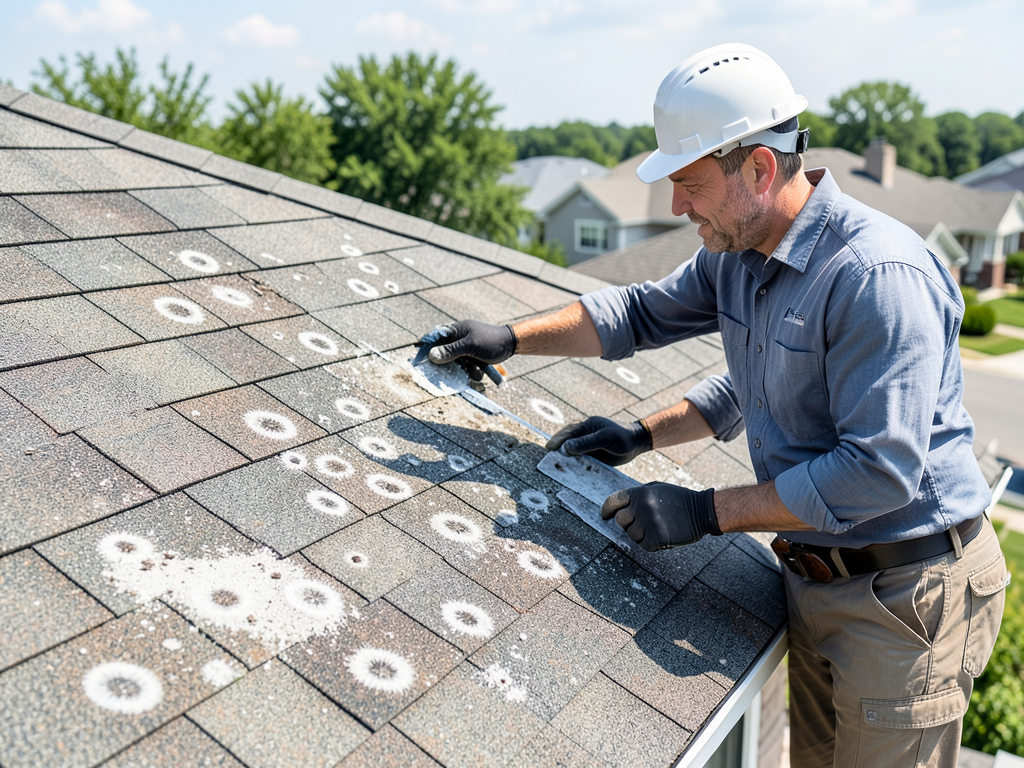
DIAGNOSTIC TIP: The “bare spot test” helps identify hail damage. After a storm, look for circular areas on your shingles where granules are missing. Run your finger over these spots. If they feel soft or spongy compared to surrounding areas, the hail likely fractured the shingle mat underneath. This type of damage won’t be visible from the ground but can lead to leaks within 6-12 months.
The Oklahoma Insurance Process
Oklahoma’s high hail frequency means insurance companies have specific procedures for hail damage claims. Understanding these processes helps you navigate the system effectively.
Oklahoma insurance law requires companies to handle hail claims in good faith. The Oklahoma Insurance Department oversees claim handling practices. Most policies cover hail damage under the dwelling coverage section, but you’ll need to pay your deductible before repairs begin.. Read more about How to Handle an Errant Golf Ball Dent on Your Quail Creek Roof.
Document everything immediately after a storm. Take photos of hail on the ground, any visible roof damage, and damaged personal property. Don’t climb on your roof yourself. A professional inspection can identify damage you can’t see from the ground.
Oklahoma has a one-year statute of limitations for filing hail damage claims. However, waiting a full year isn’t wise. Hail damage often creates slow leaks that worsen over time. Most insurance companies prefer claims filed within 30-60 days of the storm.. Read more about Why DIY Roof Patching is Often More Dangerous and Costly Than You Think.
Watch for storm chasers after major hail events. These out-of-state contractors often appear in Oklahoma City neighborhoods within days of a storm. They typically offer quick repairs but may use substandard materials or disappear before completing warranty work.
Ask for proof of Oklahoma contractor licensing through the Oklahoma Construction Industries Board. Verify insurance coverage and request local references. A reputable contractor will provide detailed inspection reports with photos of any damage found. Why Local Nichols Hills Residents Choose Our Luxury Roofing Team.
Hidden Damage and Long-Term Effects
Not all hail damage is immediately visible. Some damage creates problems that only become apparent months or years later.
Granule loss might seem cosmetic, but it significantly reduces shingle lifespan. Granules protect the asphalt from UV radiation. Without them, the asphalt breaks down faster, causing shingles to curl and crack prematurely. A roof with extensive granule loss might fail 5-10 years before its expected lifespan.
Shingle bruising creates weak points that fail during subsequent storms. The impact fractures the fiberglass mat inside the shingle without creating visible surface damage. Water can slowly seep through these fractures, causing deck rot and interior leaks. This type of damage often appears as dark spots on ceilings months after the initial storm.
Metal components show hail damage differently than shingles. Vents, flashing, and gutters develop dents and paint chipping. While these might seem minor, compromised flashing can lead to water infiltration at roof penetrations. Dented gutters may not channel water properly, causing overflow and foundation issues.
Attic inspections often reveal damage not visible from outside. Look for water stains on rafters, wet insulation, or daylight visible through roof sheathing. These signs indicate the hail penetrated through the primary roofing layers. Roofing Tulsa.
Thermal shock accelerates damage on impacted roofs. Oklahoma’s extreme temperature swings cause materials to expand and contract. Hail-damaged areas can’t flex properly with temperature changes, leading to accelerated cracking and failure.
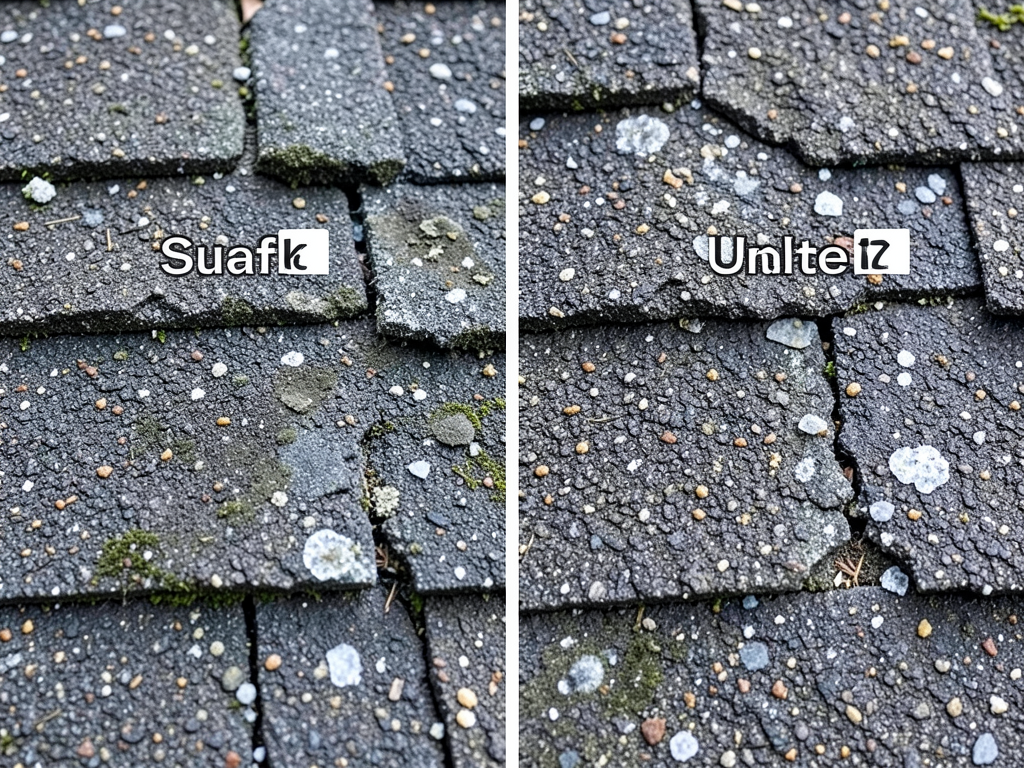
Class 4 Impact Resistant Shingles in Oklahoma City
Oklahoma City’s location in Tornado Alley makes impact resistant roofing a smart investment. Class 4 shingles cost 15-20% more than standard shingles but can save thousands in prevented damage.. Read more about Navigating Strict Roofing Covenants in Newer Edmond Neighborhoods like Twin Bridges.
Class 4 shingles earn their rating by surviving impacts from a 2-inch steel ball dropped from 20 feet. This simulates the impact of 1.75-inch hail at terminal velocity. Many Class 4 shingles can withstand even larger hail without structural failure.
Insurance companies often provide premium discounts for Class 4 shingles. The discount typically ranges from 15-30% on the wind and hail portion of your policy. In Oklahoma City, where annual premiums can exceed $2,000, this discount can offset the higher material costs within 3-5 years.
Installation matters as much as material quality. Class 4 shingles require specific fastening patterns and starter strip installation. Six nails per shingle instead of four provides better wind resistance during the storms that often accompany hail. High Quality Residential Roofing Services in The Village.
Color and style options have expanded significantly. Early impact resistant shingles were limited to basic designs. Today’s Class 4 options include architectural styles that mimic wood shake or slate at a fraction of the weight and cost.
Energy efficiency improves with some Class 4 products. Many impact resistant shingles incorporate reflective granules that reduce heat absorption. This can lower cooling costs during Oklahoma City’s hot summers while providing superior storm protection.
Recent Oklahoma City Hail Events
Oklahoma City’s hail history shows patterns that help predict damage potential. The metro area experiences 8-10 significant hail events annually, with 2-3 causing widespread damage.
May 2024 saw a series of storms producing baseball-sized hail across the metro. The Moore and Norman areas suffered the worst damage, with thousands of roofs requiring replacement. Many homes with standard shingles showed damage from 2-inch hail, while those with Class 4 shingles had minimal impact. The Best Norman OK Roofers for Emergency Storm Damage Fixes.
April 2023 brought golf ball sized hail to northwest Oklahoma City, particularly affecting the Putnam City and Lake Hefner areas. The storm caused extensive granule loss but limited structural damage due to moderate wind speeds.
October 2022’s unusual fall storm dropped 1.5-inch hail across the entire metro area. The timing was particularly damaging because many trees still had leaves, which increased the number of impact points on roofs. This storm highlighted how wind direction affects damage patterns, with the south sides of homes showing the most impact marks.
July 2021’s derecho produced straight-line winds over 80 mph along with 2-inch hail. The combination caused damage beyond what hail size alone would predict. Shingles that might have survived the hail impact failed when subjected to the high winds immediately afterward.
Understanding these patterns helps predict which storms warrant professional inspection. Any storm producing hail over 1 inch, especially with winds over 40 mph, should trigger a roof assessment.
48-Hour Action Plan After a Hail Storm
Quick action after a hail storm can prevent minor damage from becoming major problems. Follow this timeline to protect your investment.
Immediately after the storm: Document hail size by measuring stones or comparing to common objects. Take photos of hail on the ground, vehicles, and any visible damage. Note the time and duration of the heaviest hail fall.
Within 24 hours: Contact your insurance company to report the storm. Most insurers have mobile apps that allow you to start a claim immediately. Document your call with the date, time, and representative’s name.
Within 48 hours: Schedule a professional roof inspection. Look for contractors with HAAG certification or similar credentials. Avoid anyone who shows up unsolicited at your door. A thorough inspection should include both exterior and interior assessments.
Within 72 hours: If damage is found, request a detailed written estimate from your chosen contractor. The estimate should specify materials, scope of work, and timeline. Compare this with your insurance adjuster’s assessment.
During the claims process: Keep records of all communications. Take photos of the damage before repairs begin. Ask questions about anything you don’t understand. A good contractor will explain the process and advocate for you with the insurance company.
Before final payment: Ensure all work passes local inspection. Verify that manufacturer warranties transfer to you. Keep copies of all documentation for future reference or potential home sale.
Call (405) 507-3933 today to schedule your inspection before the next storm hits. Our certified inspectors can identify damage that isn’t visible from the ground and help you navigate the insurance process.
Frequently Asked Questions
How big does hail need to be to damage my roof?
Hail over 1 inch in diameter can damage asphalt shingles, especially if accompanied by high winds. Quarter-sized hail (1 inch) often causes bruising and granule loss on older roofs. Golf ball sized hail (1.75 inches) typically causes significant damage to any roof regardless of age.
Can I tell if my roof has hail damage from the ground?
Some hail damage is visible from the ground, such as missing or cracked shingles. However, much hail damage requires close inspection to identify. Bruising, granule loss, and fractured mats often aren’t visible without walking the roof. Professional inspection with proper safety equipment is recommended.
How long do I have to file an insurance claim for hail damage?
Oklahoma law gives you one year from the date of loss to file a hail damage claim. However, waiting a full year isn’t advisable as damage often worsens over time. Most insurance companies prefer claims filed within 30-60 days of the storm when damage is fresh and easier to assess.
Are impact resistant shingles worth the extra cost in Oklahoma City?
Yes, impact resistant shingles are worth considering in Oklahoma City. They cost 15-20% more but can prevent thousands in damage from common hail sizes. Many insurers offer premium discounts that can offset the cost difference. In hail-prone areas, they often pay for themselves within 5-7 years.
What should I do if a storm chaser contractor knocks on my door?
Be cautious of unsolicited contractors after storms. Ask for their Oklahoma contractor license number and verify it with the Oklahoma Construction Industries Board. Request local references and proof of insurance. A reputable contractor won’t pressure you for an immediate decision and will provide detailed written estimates.
How can I tell if my neighbor’s roof was damaged but mine wasn’t?
Hail damage varies significantly between properties due to wind direction, roof pitch, and shingle condition. Your neighbor’s roof might face a different direction or have older shingles that show damage more readily. Even homes built at the same time can have different damage patterns based on these factors.
Will filing a hail damage claim raise my insurance rates?
Insurance companies consider multiple factors when setting rates, including your claim history and the frequency of claims in your area. In hail-prone regions like Oklahoma City, a single hail claim typically won’t cause significant rate increases. However, multiple claims within a short period might affect your rates or insurability.
What’s the difference between functional and cosmetic hail damage?
Functional damage affects your roof’s ability to protect your home and typically qualifies for insurance coverage. This includes cracked shingles, fractured mats, and extensive granule loss. Cosmetic damage affects appearance but not function, such as minor surface marks without structural impact. Insurance companies focus on functional damage when determining coverage.
Pick up the phone and call (405) 507-3933 before the next storm hits. Our certified inspectors provide thorough assessments and help you understand exactly what your roof needs to withstand Oklahoma’s severe weather.
You may also find this helpful. Why a Spring Roof Tune-Up is Non-Negotiable Before Oklahoma Tornado Season Hits.
{
“@context”: “https://schema.org”,
“@type”: “BlogPosting”,
“headline”: “Understanding Hail Sizes and When You Should Actually Worry About Your Shingles”,
“description”: “Learn how hail size affects your Oklahoma City roof. From pea-sized to baseball-sized, understand when to call for inspection and avoid costly damage.”,
“wordCount”: 2607,
“datePublished”: “2026-05-20T11:49:00.000Z”,
“dateModified”: “2026-05-20T11:49:00.000Z”,
“inLanguage”: “en-US”,
“mainEntityOfPage”: {
“@type”: “WebPage”,
“@id”: “https://unitedroofingoklahomacity.com”
},
“publisher”: {
“@type”: “LocalBusiness”,
“name”: “United Roofing Oklahoma City”,
“url”: “https://unitedroofingoklahomacity.com”
},
“author”: {
“@type”: “Organization”,
“name”: “United Roofing Oklahoma City”,
“url”: “https://unitedroofingoklahomacity.com”
},
“image”: {
“@type”: “ImageObject”,
“url”: “https://unitedroofingoklahomacity.com/wp-content/uploads/2026/03/understanding-hail-sizes-and-when-you-should-actua-1.png”
}
}
{
“@context”: “https://schema.org”,
“@type”: “RoofingContractor”,
“name”: “United Roofing Oklahoma City”,
“url”: “https://unitedroofingoklahomacity.com”,
“address”: {
“@type”: “PostalAddress”,
“addressLocality”: “Oklahoma City”
},
“areaServed”: {
“@type”: “City”,
“name”: “Oklahoma City”
}
}
{
“@context”: “https://schema.org”,
“@type”: “FAQPage”,
“mainEntity”: [
{
“@type”: “Question”,
“name”: “How big does hail need to be to damage my roof?”,
“acceptedAnswer”: {
“@type”: “Answer”,
“text”: “Hail over 1 inch in diameter can damage asphalt shingles, especially if accompanied by high winds. Quarter-sized hail (1 inch) often causes bruising and granule loss on older roofs. Golf ball sized hail (1.75 inches) typically causes significant damage to any roof regardless of age.”
}
},
{
“@type”: “Question”,
“name”: “Can I tell if my roof has hail damage from the ground?”,
“acceptedAnswer”: {
“@type”: “Answer”,
“text”: “Some hail damage is visible from the ground, such as missing or cracked shingles. However, much hail damage requires close inspection to identify. Bruising, granule loss, and fractured mats often aren’t visible without walking the roof. Professional inspection with proper safety equipment is recommended.”
}
},
{
“@type”: “Question”,
“name”: “How long do I have to file an insurance claim for hail damage?”,
“acceptedAnswer”: {
“@type”: “Answer”,
“text”: “Oklahoma law gives you one year from the date of loss to file a hail damage claim. However, waiting a full year isn’t advisable as damage often worsens over time. Most insurance companies prefer claims filed within 30-60 days of the storm when damage is fresh and easier to assess.”
}
},
{
“@type”: “Question”,
“name”: “Are impact resistant shingles worth the extra cost in Oklahoma City?”,
“acceptedAnswer”: {
“@type”: “Answer”,
“text”: “Yes, impact resistant shingles are worth considering in Oklahoma City. They cost 15-20% more but can prevent thousands in damage from common hail sizes. Many insurers offer premium discounts that can offset the cost difference. In hail-prone areas, they often pay for themselves within 5-7 years.”
}
},
{
“@type”: “Question”,
“name”: “What should I do if a storm chaser contractor knocks on my door?”,
“acceptedAnswer”: {
“@type”: “Answer”,
“text”: “Be cautious of unsolicited contractors after storms. Ask for their Oklahoma contractor license number and verify it with the Oklahoma Construction Industries Board. Request local references and proof of insurance. A reputable contractor won’t pressure you for an immediate decision and will provide detailed written estimates.”
}
},
{
“@type”: “Question”,
“name”: “How can I tell if my neighbor’s roof was damaged but mine wasn’t?”,
“acceptedAnswer”: {
“@type”: “Answer”,
“text”: “Hail damage varies significantly between properties due to wind direction, roof pitch, and shingle condition. Your neighbor’s roof might face a different direction or have older shingles that show damage more readily. Even homes built at the same time can have different damage patterns based on these factors.”
}
},
{
“@type”: “Question”,
“name”: “Will filing a hail damage claim raise my insurance rates?”,
“acceptedAnswer”: {
“@type”: “Answer”,
“text”: “Insurance companies consider multiple factors when setting rates, including your claim history and the frequency of claims in your area. In hail-prone regions like Oklahoma City, a single hail claim typically won’t cause significant rate increases. However, multiple claims within a short period might affect your rates or insurability.”
}
},
{
“@type”: “Question”,
“name”: “What’s the difference between functional and cosmetic hail damage?”,
“acceptedAnswer”: {
“@type”: “Answer”,
“text”: “Functional damage affects your roof’s ability to protect your home and typically qualifies for insurance coverage. This includes cracked shingles, fractured mats, and extensive granule loss. Cosmetic damage affects appearance but not function, such as minor surface marks without structural impact. Insurance companies focus on functional damage when determining coverage.”
}
}
]
}
{
“@context”: “https://schema.org”,
“@type”: “BreadcrumbList”,
“itemListElement”: [
{
“@type”: “ListItem”,
“position”: 1,
“name”: “Home”,
“item”: “https://unitedroofingoklahomacity.com”
},
{
“@type”: “ListItem”,
“position”: 2,
“name”: “Blog”,
“item”: “https://unitedroofingoklahomacity.com/blog”
},
{
“@type”: “ListItem”,
“position”: 3,
“name”: “Understanding Hail Sizes and When You Should Actually Worry About Your Shingles”
}
]
}
{
“@context”: “https://schema.org”,
“@type”: “Service”,
“serviceType”: “Roofing”,
“provider”: {
“@type”: “LocalBusiness”,
“name”: “United Roofing Oklahoma City”,
“url”: “https://unitedroofingoklahomacity.com”
},
“areaServed”: {
“@type”: “City”,
“name”: “Oklahoma City”
},
“description”: “Learn how hail size affects your Oklahoma City roof. From pea-sized to baseball-sized, understand when to call for inspection and avoid costly damage.”
}