
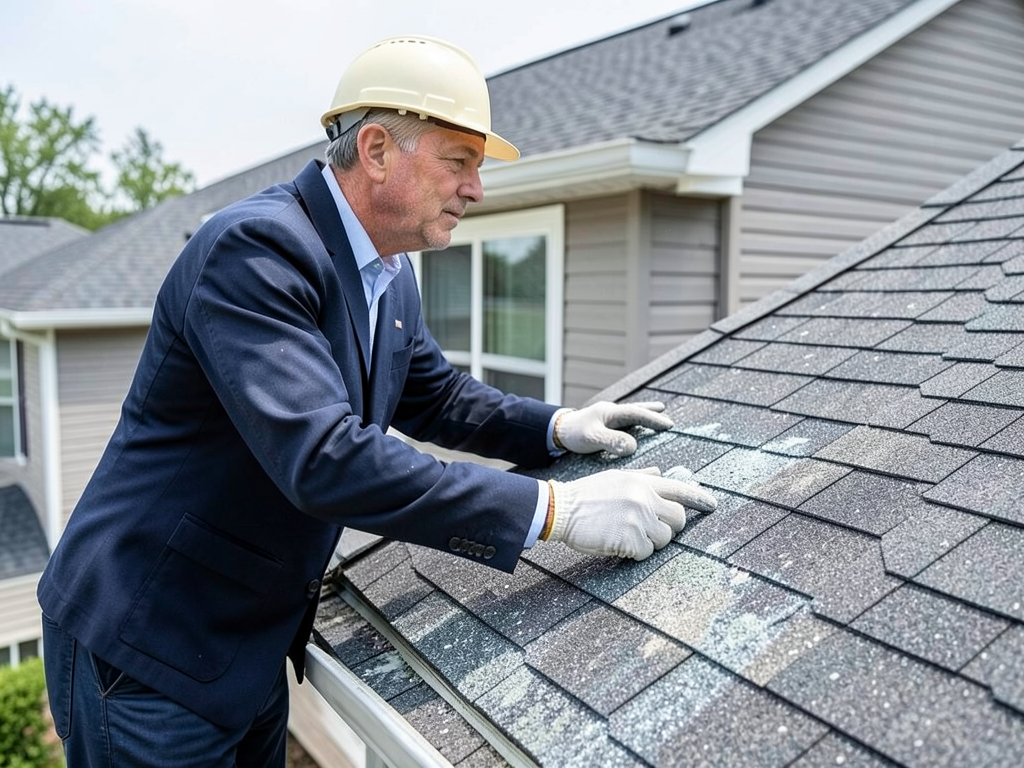
The First-Time Homebuyer Guide to Evaluating a Roof in the Oklahoma City Market
Buying your first home in Oklahoma City brings excitement and challenges. One of the biggest financial decisions you will make involves understanding the roof over your head. Oklahoma’s unique climate and building codes create specific considerations that other markets do not face. This guide walks you through what every first-time buyer must know before signing on the dotted line.
The Real Cost of an Aging Roof in the OKC Market
Oklahoma City sits in Tornado Alley where severe weather creates unique roof stress. Hail damage affects nearly every neighborhood from Moore to Edmond. The National Weather Service reports that Oklahoma experiences over 500 hail events annually. This frequency shortens typical roof lifespans compared to national averages. National Weather Service hail statistics.
Standard asphalt shingles last 20-25 years in mild climates. In Oklahoma City, that drops to 15-20 years due to UV exposure and temperature swings. Summer heat often exceeds 100°F while winter brings freezing temperatures. This expansion and contraction cycle breaks down roofing materials faster than in more stable climates. Roofing Tulsa.
Local building codes require specific installation methods. The Oklahoma Uniform Building Code Commission mandates six nails per shingle in high-wind zones. This requirement covers most of the OKC metro area. Contractors who cut corners using only four nails create future liability for homeowners. Why Local Nichols Hills Residents Choose Our Luxury Roofing Team.
Soil conditions add another layer of complexity. Oklahoma City’s expansive clay soil shifts with moisture changes. Foundation movement transfers stress to roof structures. Homes in neighborhoods like Nichols Hills and The Village often show more roof separation issues than newer developments in Edmond.. Read more about What Homeowners in Newer Edmond Subdivisions Need to Know About Strict HOA Roofing Rules.
Insurance companies track claim frequency by zip code. Areas with higher hail activity like 73170 and 73139 face higher premiums. Some insurers require Impact Resistant shingles in these zones. These Class 4 shingles cost 20-30% more but can lower insurance rates by 5-10% annually.. Read more about Fire Resistant Roofing Options for Homes Bordering Rural Grasslands in Choctaw and Harrah.
Insurance Hurdles: ACV vs. RCV Policies in Oklahoma
Understanding your insurance policy type becomes critical when buying a home with an older roof. Actual Cash Value policies depreciate roof coverage based on age. Replacement Cost Value policies pay for full replacement without depreciation. What You Can Expect to Pay for a Roof Replacement in Edmond.
Most Oklahoma City insurers drop ACV coverage when roofs exceed 15 years. Some companies set the threshold at 10 years for homes in high-risk hail zones. This means a 12-year-old roof might only receive 60% coverage if damaged.. Read more about Why Your HVAC System Might Not Be Broken (It Might Just Be a Roof Ventilation Problem).
RCV policies cost 15-25% more but provide better protection. First-time buyers often choose lower premiums without understanding the long-term implications. A $300 annual savings could cost $8,000 if a total roof replacement becomes necessary.
Insurance adjusters use specific evaluation methods in Oklahoma. They measure hail damage using a dime-sized gauge. Dents smaller than a dime typically do not qualify for claims. Larger dents or those with visible cracking trigger coverage.. Read more about Why a Small Chimney Cricket is Essential for Preventing Leaks on Steep Newcastle Rooflines.
Wind damage assessment follows different standards. Oklahoma City building codes require shingles to withstand 90 mph winds. Damage below this threshold often results from installation errors rather than storm activity. This distinction affects claim approval rates.
Some neighborhoods face unique insurance challenges. Homes near Lake Hefner experience higher wind exposure. Properties in flood zones near the North Canadian River require separate flood insurance. These factors multiply the complexity of roof coverage decisions.
Loan Requirements (FHA, VA, and Conventional)
Mortgage lenders impose strict roof requirements that vary by loan type. FHA loans demand roofs with at least five years of remaining life. VA loans require seven years minimum. Conventional loans under Fannie Mae guidelines need only two years remaining.. Read more about Reading Between the Lines of Your Professional Roof Inspection Report Before You Sign a Contract.
These requirements create negotiation leverage for buyers. A roof at 80% of its expected lifespan might pass conventional underwriting but fail FHA approval. This difference can save buyers thousands in repair costs.. Read more about Why Your Old Satellite Dish Might Be the Secret Source of Your Roof Leak.
Lenders require professional inspections for roofs over 15 years old. The inspection must document remaining life expectancy. Some lenders accept drone inspections while others require physical access. This requirement adds time to closing but prevents future surprises.. Read more about Are White Roofs and Reflective Shingles Finally Catching On in the Oklahoma City Metro?.
Roof deck condition affects loan approval. Lenders check for sagging, rot, or water damage. Even sound shingles fail to satisfy requirements if the underlying structure shows deterioration. This hidden damage often appears during professional inspections.
Permit history matters for older homes. Oklahoma City requires permits for roof replacements since 2010. Homes without permits for work done after this date raise red flags for underwriters. Unpermitted work might require costly corrections before loan approval.. Read more about Why You Might Hear Strange Creaking Noises in Your Roof During an Oklahoma Cold Snap.
Energy efficiency standards influence modern loan approvals. The 2021 Oklahoma Energy Code requires specific insulation levels in roof assemblies. Older homes without proper insulation might need upgrades to meet current standards. These upgrades add to the total cost of ownership.
Negotiation Strategies for Buyers
A professional roof inspection report becomes your strongest negotiation tool. Licensed inspectors identify specific deficiencies that justify price reductions or repair requests. Common findings include missing underlayment, inadequate flashing, and improper ventilation. Finding a Reliable Roofing Company Near You in Moore Oklahoma.
Documentation strengthens your position. Photos showing granule loss, curling shingles, or moss growth prove the roof needs attention. Close-up shots of damaged flashing around chimneys or vents demonstrate specific repair needs.. Read more about The One Piece of Metal Flashing That Prevents Massive Wall Rot in Your Oklahoma Home.
Price negotiation tactics vary by market conditions. In a seller’s market, requesting a full roof replacement might kill the deal. Instead, ask for a roof certification or warranty transfer. This approach protects you without alienating sellers.
Repair versus replacement decisions affect negotiation strategy. Minor issues like damaged vent boots or small leaks justify repair requests. Widespread deterioration or missing shingles support replacement demands.
Timing influences seller cooperation. Roof work during winter months costs less than summer projects. Sellers might agree to off-season repairs to avoid holding costs. This timing advantage can save thousands.
Multiple offer situations require strategic thinking. In competitive markets, removing roof contingencies might win the bid. Consider the total cost including potential roof work rather than losing the house over minor issues.
Professional roofers provide cost estimates for negotiations. These estimates carry more weight than online calculators. A detailed quote from a licensed contractor justifies specific dollar amounts in your offer. The Best Norman OK Roofers for Emergency Storm Damage Fixes.
OKC Building Codes & Permit Requirements
Oklahoma City building codes create specific requirements for roof work. The city mandates ice and water shield installation in valleys and around penetrations. This requirement prevents ice dam damage common in Oklahoma’s freeze-thaw cycles.
Permit requirements vary by project scope. Simple repairs under 100 square feet do not require permits. Complete replacements or structural modifications need city approval. Permit fees range from $100 to $500 depending on project size.
Wind uplift testing affects installation methods. Oklahoma City follows International Building Code requirements for high-wind zones. These standards mandate specific nailing patterns and fastener types. Homes in exposed areas need additional bracing. International Building Code requirements.
Ventilation requirements protect roof longevity. Building codes require one square foot of net free ventilation area per 150 square feet of attic space. Inadequate ventilation causes premature shingle failure and higher cooling costs.
Fire ratings influence material choices. Most Oklahoma City neighborhoods require Class A fire-rated roofing materials. This requirement eliminates some cheaper options like untreated wood shakes in many areas.. Read more about Comparing Synthetic Wood Shakes and Premium Asphalt Shingles for Your Home in Blue Stem.
Historic districts face additional restrictions. Neighborhoods like Heritage Hills require specific materials and colors to maintain architectural integrity. These requirements often increase costs by 15-20% compared to standard installations.. Read more about Maintaining the Integrity of Your Clay Tile or Slate Roof in Linwood Place.
Contractor licensing requirements protect homeowners. Oklahoma requires roofing contractors to carry $30,000 in liability insurance and pass trade examinations. Unlicensed contractors might offer lower prices but create liability risks.. Read more about Roofing Options for Your New Accessory Dwelling Unit or Backyard Office in the Wheeler District.
Free Resource: OKC Roof Inspection Checklist for Homebuyers
Before making an offer, use this checklist to evaluate roof condition. Document findings with photos and notes. Share results with your real estate agent to guide negotiations.
- Exterior Visual Assessment
Check for missing, cracked, or curling shingles. Look for granule loss in gutters. Examine flashing around chimneys, vents, and skylights for rust or separation.
- Interior Signs
Inspect attic for water stains, mold, or daylight through roof boards. Check for proper ventilation and insulation levels. Look for sagging deck areas.
- Age Verification
Ask sellers for installation records or permits. Look for manufacturer stamps on shingle backs. Check neighborhood age to estimate typical roof replacement timing.
- Surrounding Area
Notice if neighbors have recently replaced roofs. Check for tree branches touching or overhanging the roof. Look for signs of animal damage or nesting.. Read more about Protecting the Flat and Low-Sloped Roofs of Mid-Century Homes in the Plaza District.
- Professional Evaluation
Hire a licensed roof inspector for detailed assessment. Request documentation of remaining life expectancy. Ask for repair versus replacement recommendations.
Red flags requiring immediate attention include multiple missing shingles, visible sagging, water stains on interior ceilings, or roofs over 20 years old. These issues often justify price reductions of $5,000 to $15,000 depending on severity.
Consider the total cost of ownership beyond purchase price. A $10,000 roof repair in year three adds $278 monthly to your housing payment over a 30-year mortgage. Factor these costs into your budget before making offers.
Local contractors provide valuable insights during inspections. They understand neighborhood-specific issues like soil movement in Moore or wind exposure in Mustang. Their experience helps identify problems that out-of-area inspectors might miss.
Documentation protects your investment. Keep all inspection reports, repair estimates, and warranty information. These records help with future insurance claims and increase resale value.
Weather patterns affect inspection timing. Spring and fall offer best visibility for damage assessment. Summer heat can make roofs too hot to walk safely. Winter snow or ice might hide critical issues.. Read more about Why a Spring Roof Tune-Up is Non-Negotiable Before Oklahoma Tornado Season Hits.
Consider including roof inspection contingencies in your offer. This protection allows you to renegotiate or withdraw if major issues surface. Most sellers accept reasonable inspection periods of 7-10 days.
Professional roofers provide more than basic inspections. They identify ventilation issues, structural concerns, and code violations. Their expertise helps you make informed decisions about your largest investment.
Neighborhood characteristics influence roof choices. Homes in shaded areas might need algae-resistant shingles. Properties with many trees require more frequent gutter cleaning and moss prevention. Understanding these factors helps with long-term maintenance planning.
Energy efficiency improvements pay dividends in Oklahoma’s climate. Cool roof coatings can reduce cooling costs by 10-15% during summer months. These investments often qualify for utility rebates or tax incentives.
Future resale value depends on roof condition. A new roof can increase home value by 60-70% of replacement cost. This return on investment makes roof maintenance a smart financial decision.
Insurance companies reward proactive maintenance. Some offer discounts for impact-resistant materials or certified installations. These savings can offset higher initial material costs over time.
Local building supply availability affects project timing. Oklahoma City’s construction boom can extend material lead times to 6-8 weeks. Plan accordingly when scheduling repairs or replacements.. Read more about How to Spot Cutting Corners on Your New Construction Roof in a Rapidly Growing Mustang Subdivision.
Climate change impacts roof longevity. Increasing storm severity and temperature extremes stress roofing systems. Choosing durable materials and proper installation protects your investment against future weather events.
Professional relationships matter for ongoing maintenance. Establish connections with reputable local contractors before emergencies arise. This preparation ensures prompt service when storms damage your roof.
Understanding these factors helps you make informed decisions when buying your first Oklahoma City home. A thorough roof evaluation protects your investment and prevents costly surprises after closing.
Ready to buy your first home in Oklahoma City? Do not let roof problems derail your dream. Call (405) 507-3933 today to schedule a professional roof inspection before making your offer. Our experienced team knows exactly what to look for in the OKC market.
Frequently Asked Questions
How old is too old for a roof when buying a house?
Rooftops over 20 years old in Oklahoma City typically need replacement soon. Lenders often require roofs with at least 5-7 years of remaining life depending on loan type. Consider replacement costs when evaluating older homes.
What are the signs of roof damage I can spot myself?
Look for missing or curling shingles, granule loss in gutters, water stains on ceilings, and sagging roof sections. Check flashing around chimneys and vents for rust or separation. These signs indicate potential problems requiring professional evaluation.
How much does a roof replacement cost in Oklahoma City?
Roof replacement costs in OKC range from $8,000 to $15,000 for average homes depending on size, materials, and complexity. Impact-resistant shingles and premium underlayment increase costs by 20-30% but provide better protection against Oklahoma’s severe weather.
You may also find this helpful. Why Letting Ivy and Vines Grow Onto Your Roof is a Recipe for Disaster.
You may also find this helpful. Why We Use Thermal Imaging Cameras to Find Hidden Roof Leaks in Quail Springs Homes.
{
“@context”: “https://schema.org”,
“@type”: “BlogPosting”,
“headline”: “The First-Time Homebuyer Guide to Evaluating a Roof in the Oklahoma City Market”,
“description”: “Essential guide for OKC homebuyers on roof evaluation. Learn about hail damage, insurance hurdles, loan requirements, and negotiation strategies specific to Oklahoma’s climate.”,
“wordCount”: 2050,
“datePublished”: “2026-05-17T09:43:00.000Z”,
“dateModified”: “2026-05-17T09:43:00.000Z”,
“inLanguage”: “en-US”,
“mainEntityOfPage”: {
“@type”: “WebPage”,
“@id”: “https://unitedroofingoklahomacity.com”
},
“publisher”: {
“@type”: “LocalBusiness”,
“name”: “United Roofing Oklahoma City”,
“url”: “https://unitedroofingoklahomacity.com”
},
“author”: {
“@type”: “Organization”,
“name”: “United Roofing Oklahoma City”,
“url”: “https://unitedroofingoklahomacity.com”
},
“image”: {
“@type”: “ImageObject”,
“url”: “https://unitedroofingoklahomacity.com/wp-content/uploads/2026/03/the-first-time-homebuyer-guide-to-evaluating-a-roo-1.png”
}
}
{
“@context”: “https://schema.org”,
“@type”: “RoofingContractor”,
“name”: “United Roofing Oklahoma City”,
“url”: “https://unitedroofingoklahomacity.com”,
“address”: {
“@type”: “PostalAddress”,
“addressLocality”: “Oklahoma City”
},
“areaServed”: {
“@type”: “City”,
“name”: “Oklahoma City”
}
}
{
“@context”: “https://schema.org”,
“@type”: “FAQPage”,
“mainEntity”: [
{
“@type”: “Question”,
“name”: “How old is too old for a roof when buying a house?”,
“acceptedAnswer”: {
“@type”: “Answer”,
“text”: “Rooftops over 20 years old in Oklahoma City typically need replacement soon. Lenders often require roofs with at least 5-7 years of remaining life depending on loan type. Consider replacement costs when evaluating older homes.”
}
},
{
“@type”: “Question”,
“name”: “What are the signs of roof damage I can spot myself?”,
“acceptedAnswer”: {
“@type”: “Answer”,
“text”: “Look for missing or curling shingles, granule loss in gutters, water stains on ceilings, and sagging roof sections. Check flashing around chimneys and vents for rust or separation. These signs indicate potential problems requiring professional evaluation.”
}
},
{
“@type”: “Question”,
“name”: “How much does a roof replacement cost in Oklahoma City?”,
“acceptedAnswer”: {
“@type”: “Answer”,
“text”: “Roof replacement costs in OKC range from $8,000 to $15,000 for average homes depending on size, materials, and complexity. Impact-resistant shingles and premium underlayment increase costs by 20-30% but provide better protection against Oklahoma’s severe weather.”
}
}
]
}
{
“@context”: “https://schema.org”,
“@type”: “HowTo”,
“name”: “Roof Inspection Checklist”,
“step”: [
{
“@type”: “HowToStep”,
“position”: 1,
“name”: “Exterior Visual Assessment”,
“text”: “Check for missing, cracked, or curling shingles. Look for granule loss in gutters. Examine flashing around chimneys, vents, and skylights for rust or separation.”
},
{
“@type”: “HowToStep”,
“position”: 2,
“name”: “Interior Signs”,
“text”: “Inspect attic for water stains, mold, or daylight through roof boards. Check for proper ventilation and insulation levels. Look for sagging deck areas.”
},
{
“@type”: “HowToStep”,
“position”: 3,
“name”: “Age Verification”,
“text”: “Ask sellers for installation records or permits. Look for manufacturer stamps on shingle backs. Check neighborhood age to estimate typical roof replacement timing.”
},
{
“@type”: “HowToStep”,
“position”: 4,
“name”: “Surrounding Area”,
“text”: “Notice if neighbors have recently replaced roofs. Check for tree branches touching or overhanging the roof. Look for signs of animal damage or nesting.”
},
{
“@type”: “HowToStep”,
“position”: 5,
“name”: “Professional Evaluation”,
“text”: “Hire a licensed roof inspector for detailed assessment. Request documentation of remaining life expectancy. Ask for repair versus replacement recommendations.”
}
],
“image”: “https://unitedroofingoklahomacity.com/wp-content/uploads/2026/03/the-first-time-homebuyer-guide-to-evaluating-a-roo-1.png”
}
{
“@context”: “https://schema.org”,
“@type”: “BreadcrumbList”,
“itemListElement”: [
{
“@type”: “ListItem”,
“position”: 1,
“name”: “Home”,
“item”: “https://unitedroofingoklahomacity.com”
},
{
“@type”: “ListItem”,
“position”: 2,
“name”: “Blog”,
“item”: “https://unitedroofingoklahomacity.com/blog”
},
{
“@type”: “ListItem”,
“position”: 3,
“name”: “The First-Time Homebuyer Guide to Evaluating a Roof in the Oklahoma City Market”
}
]
}
{
“@context”: “https://schema.org”,
“@type”: “Service”,
“serviceType”: “Roofing”,
“provider”: {
“@type”: “LocalBusiness”,
“name”: “United Roofing Oklahoma City”,
“url”: “https://unitedroofingoklahomacity.com”
},
“areaServed”: {
“@type”: “City”,
“name”: “Oklahoma City”
},
“description”: “Essential guide for OKC homebuyers on roof evaluation. Learn about hail damage, insurance hurdles, loan requirements, and negotiation strategies specific to Oklahoma’s climate.”
}